At the pinnacle of American society’s Gilded Age, few figures embodied the duality and competing impulses of the era more vividly than two sisters-in-law. While Alva Vanderbilt Belmont wielded wealth as an instrument of power, Alice Vanderbilt could not have been more different.
Alice was, in many ways, the conscience of the Gilded Age Vanderbilts. Born into a prominent but modest Cincinnati family with roots stretching back to early colonial America, she brought to the Vanderbilt dynasty something no amount of money could buy: genuine grace.
As her sister-in-law Alva Vanderbilt maneuvered for headlines, Alice remained deliberately apart from it all, known to the press not for spectacle but for generosity and devotion to family. Her charitable work was considerable: She donated generously to the YMCA, the Red Cross, the Salvation Army, and several New York churches.
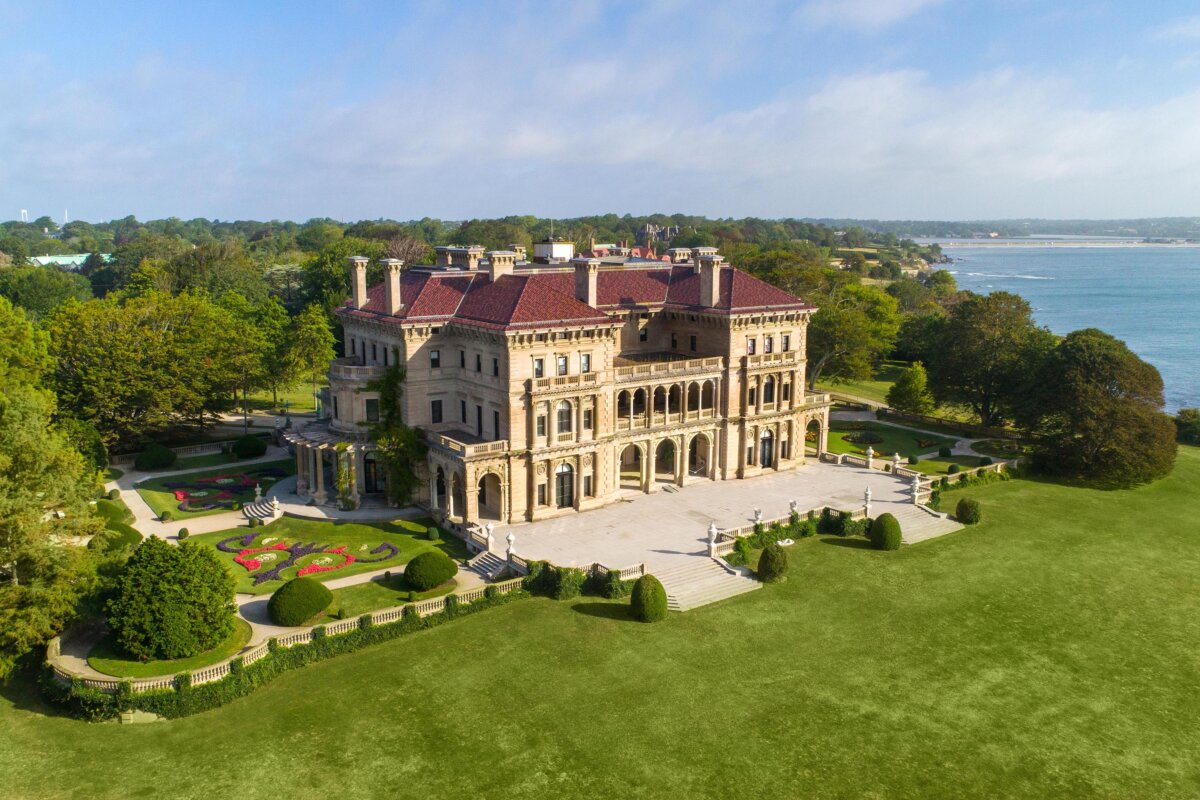
Faith shaped Alice’s life from early on. It was while teaching Sunday school at St. Bartholomew’s Episcopal Church that she first met Cornelius Vanderbilt II, the man she would marry and stand beside as matriarch of America’s most powerful family for over six decades. Alice oversaw the construction of grand estates, including The Breakers in Newport, Rhode Island.
When Alva and William Kissam Vanderbilt commissioned Richard Morris Hunt to design Marble House, the result was a marble palace reminiscent of the White House, built over four years. The mortar had barely dried on its completion when Alice and Cornelius, president and chairman of the New York Central Railroad, hired Hunt for an even grander undertaking.
For Alice, it was an implicit challenge. She and Alva had spent nearly two decades as rivals, vying for dominance in Gilded Age New York and Newport society. The rivalry was driven by stark differences in personality: Alva was domineering and fiercely ambitious, while Alice remained the composed and reserved wife of the family patriarch. Their competition found its fullest expression not in drawing rooms or dinner parties, but in stone and marble. What Alice had built in its place—The Breakers—would be their answer to everything Alva had done.
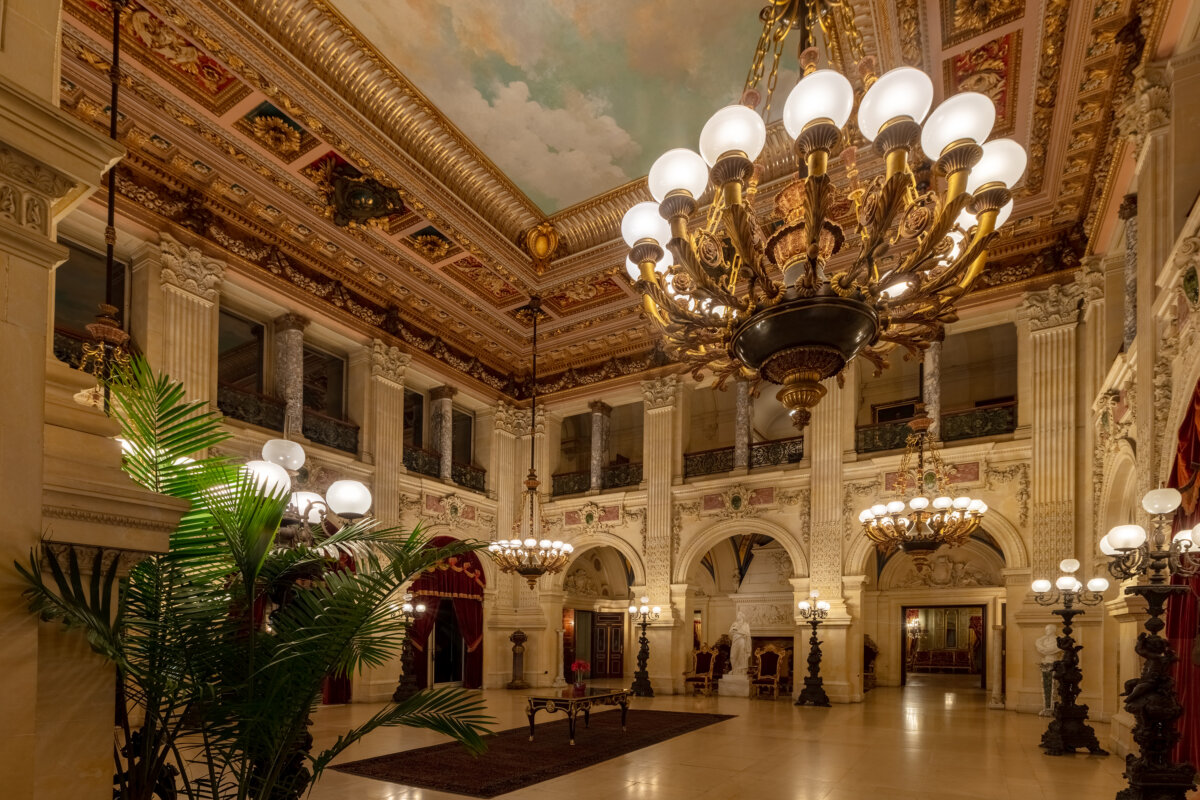
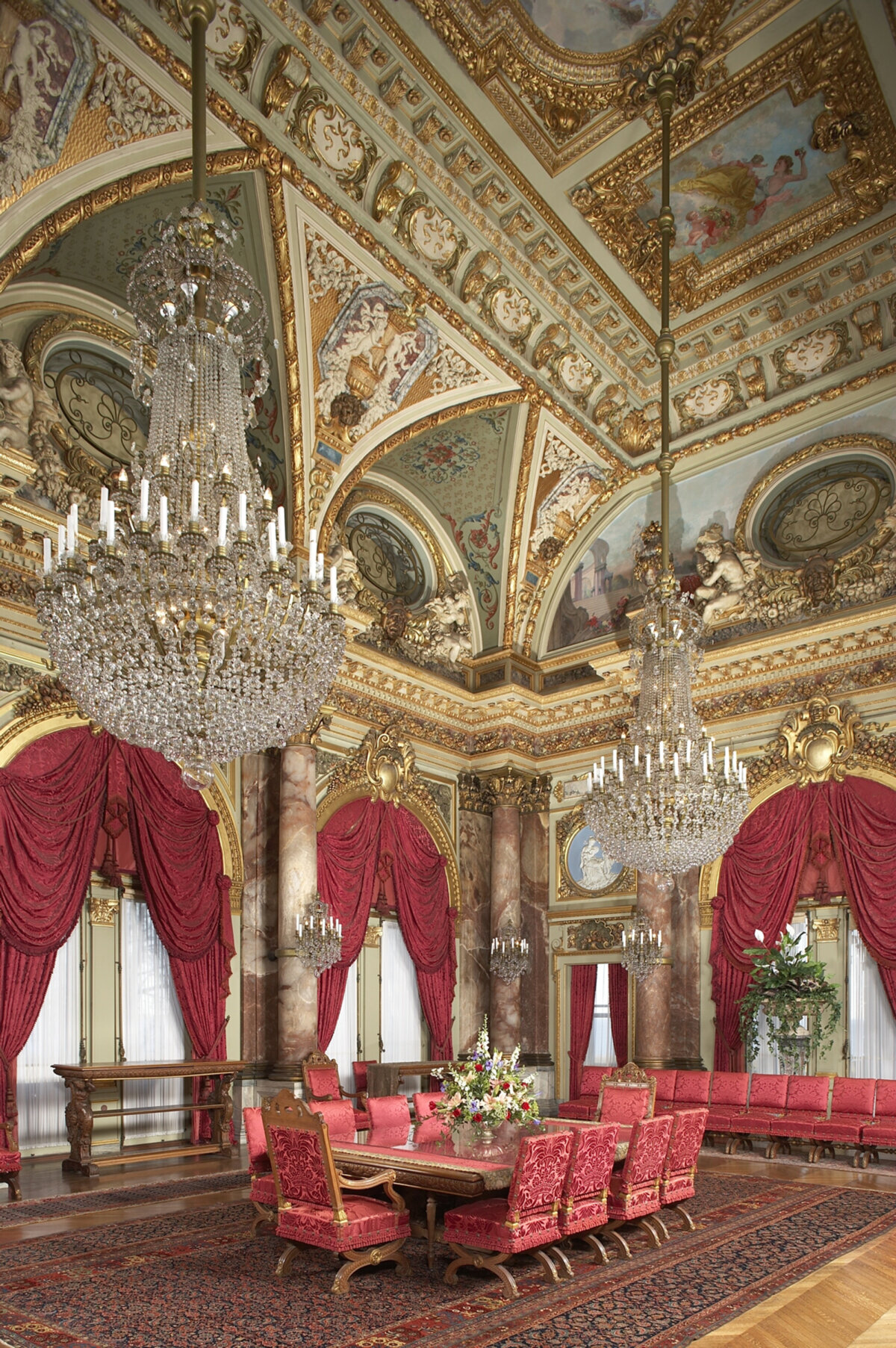
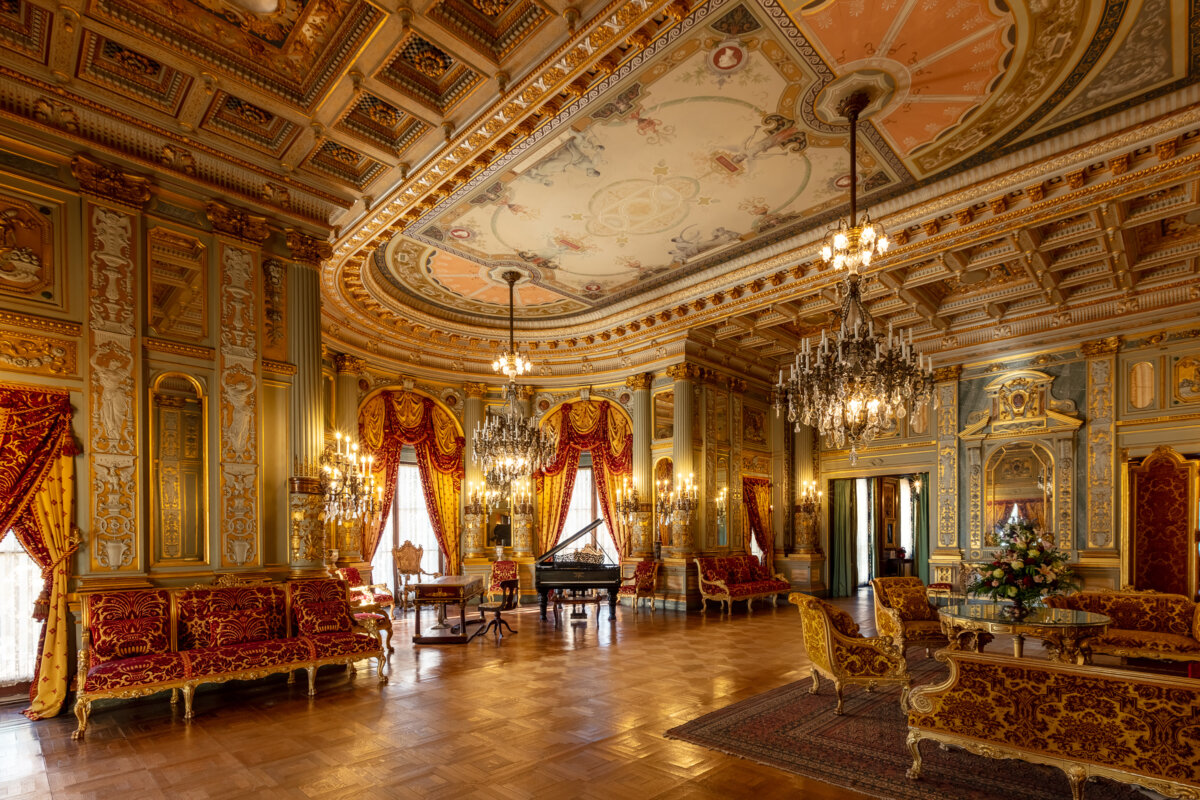
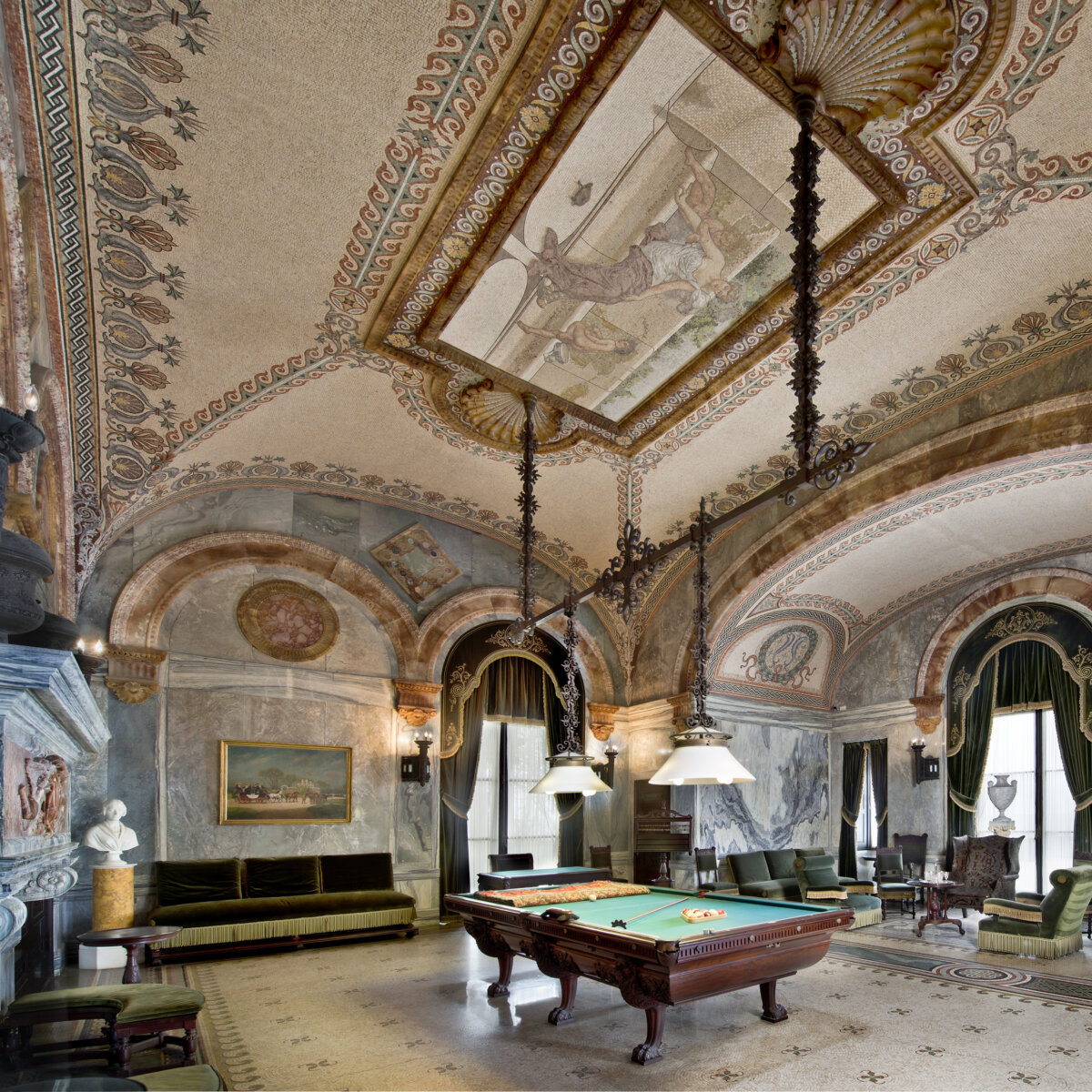
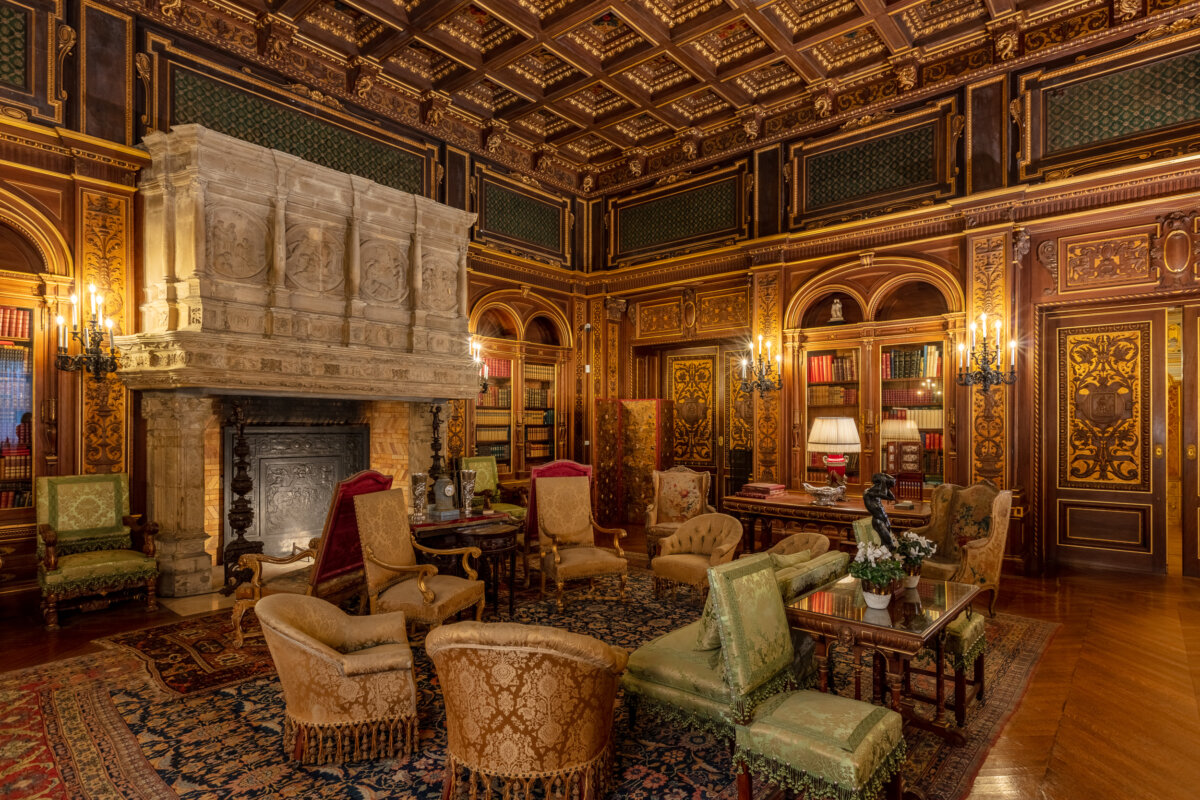
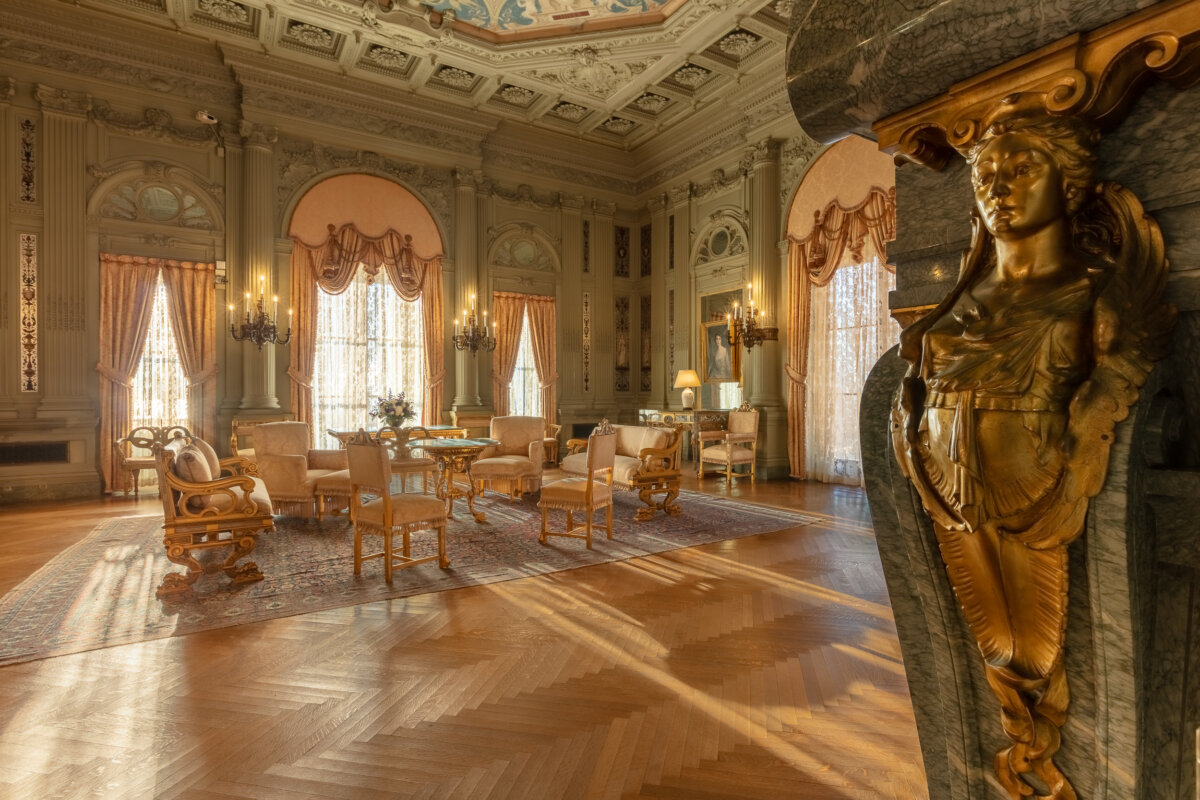
Constructed between 1893 and 1895, The Breakers was modeled after a 16th-century Italian palazzo, with one intention: to surpass Marble House in every measure. Where Marble House had 50 rooms across four floors, The Breakers answered with 70 rooms across five. Where Alva had spent $11 million, Alice spent more than $12 million. Inside, the mansion delivered on every ambition: soaring 50-foot ceilings in the Great Hall, rich marbles, gilded rooms, and interiors layered with ornately carved marble, gilded wood, painted ceilings, statuary, stained glass, and Italian tapestry.
Today, the Breakers remains the grandest of Newport’s summer cottages and a symbol of Vanderbilt power at the height of the Gilded Age. Recognized as a National Historic Landmark in 1994, the estate is now preserved and operated by the Newport Preservation Society as a museum open to the public year-round.
What arts and culture topics would you like us to cover? Please email ideas or feedback to features@epochtimes.nyc.