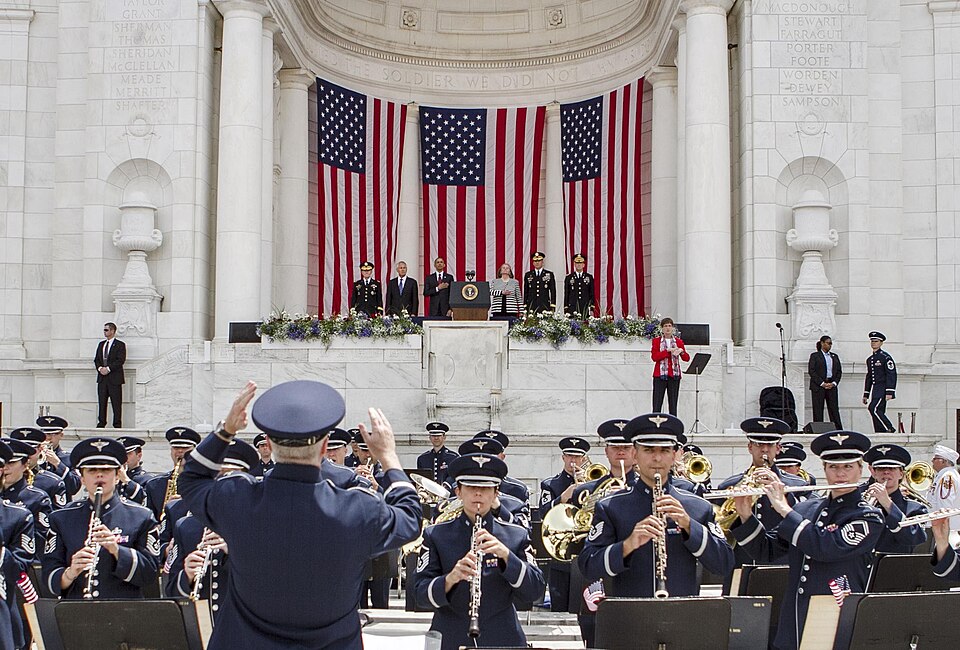
“I will never leave a fallen comrade,” reads the Soldier’s Creed of the U.S. Army. This same commitment to recovering the dead, the wounded, and the missing in action runs throughout the armed forces. It’s a powerful vow—part of the glue binding together a small unit, a squad, or a platoon—an assurance that should a member be killed on the battlefield, someone will come for them.
Memorial Day is this oath writ large for the rest of us. It is our promise that on at least one day each year, we will come for those fallen in America’s wars, to remember them and to rescue them from obscurity.
And there’s a beautiful twist to this mission. By remembering and rescuing these dead, we rescue ourselves. By honoring these dead and recalling with gratitude their sacrifice, we join hands with them and keep alive the best in us.
Here are some specific ways, old and new, we can keep them in our memory and so ensure, as Abraham Lincoln said at Gettysburg, “that these dead shall not have died in vain—that this nation, under God, shall have a new birth of freedom—and that government of the people, by the people, for the people, shall not perish from the earth.”
Decoration Day
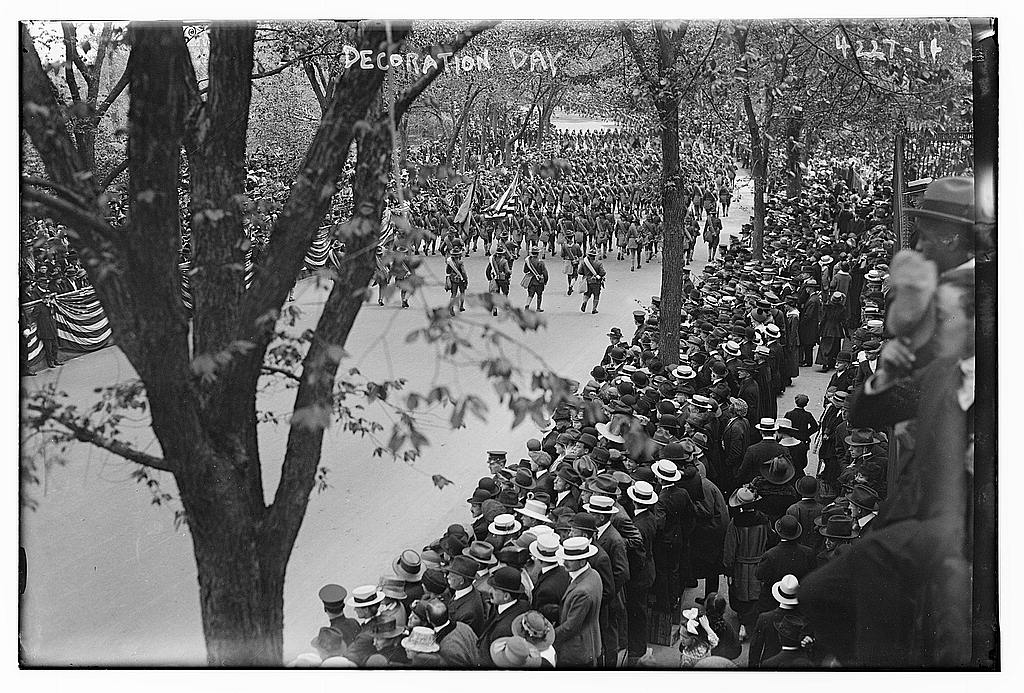
On April 25, 1866, a group of women in Columbus, Mississippi, banded together to care for and lay flowers on the graves of 1,400 Confederate soldiers who were killed or died of wounds at the Battle of Shiloh. Nearby were the graves of 40 Union soldiers. The women decided to tend these graves of former enemies as well, and news of this event spread across the country through the press, earning praise as a sign of reconciliation, and inspiring Francis Miles Finch to write the popular poem “The Blue and the Gray.”
At about the same time, several other towns officially honored the Civil War dead with flowers, speeches, and parades. Soon, Decoration Day became a tradition nationwide that evolved into what we today know as Memorial Day.
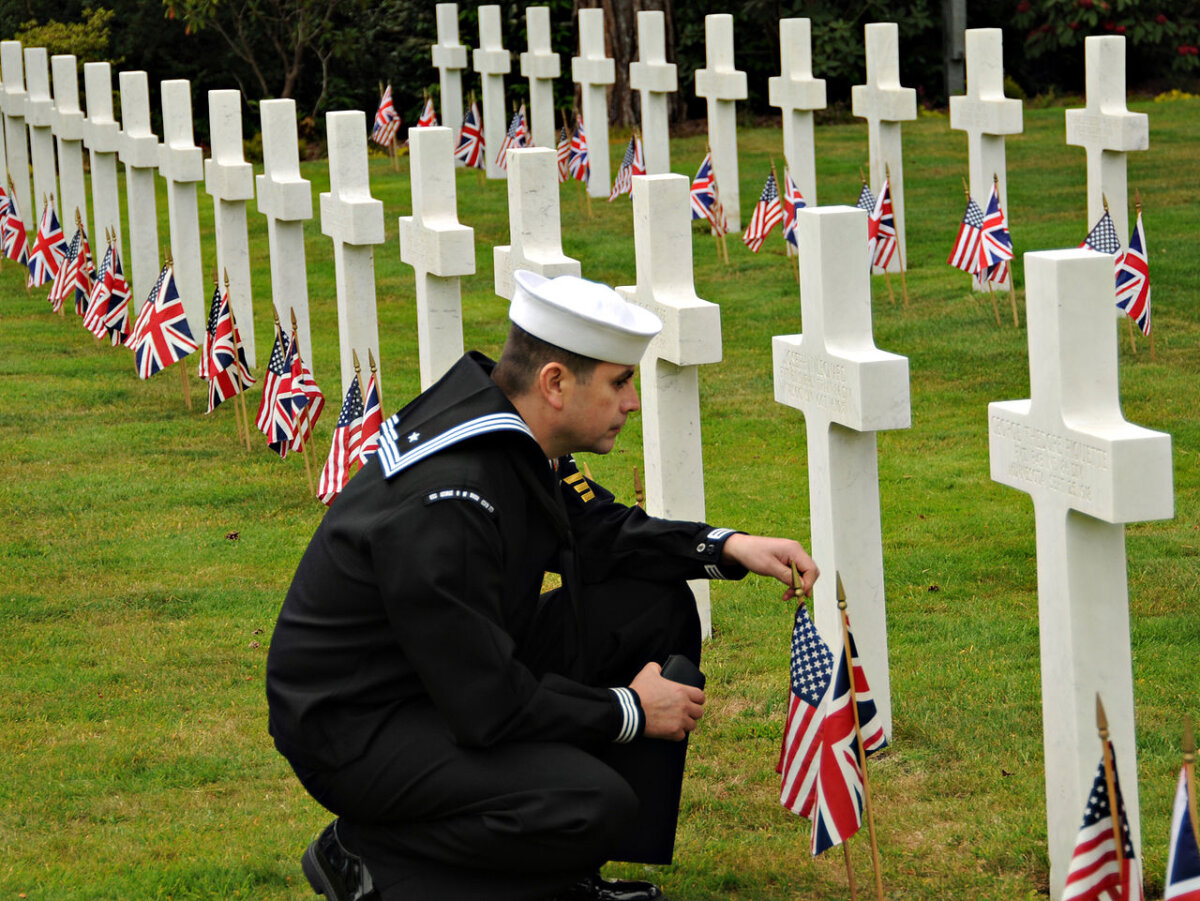
We can perform the same services as those ladies and the countless thousands who came after them. We can join special events at one of the 157 national veterans cemeteries, or we can more simply go to a local cemetery, where we may well find the grave of a veteran fallen in war. Whether it’s “decorating” a grave with flowers or a small American flag, or simply praying, we do honor to those who died for our country.
Display a Flag
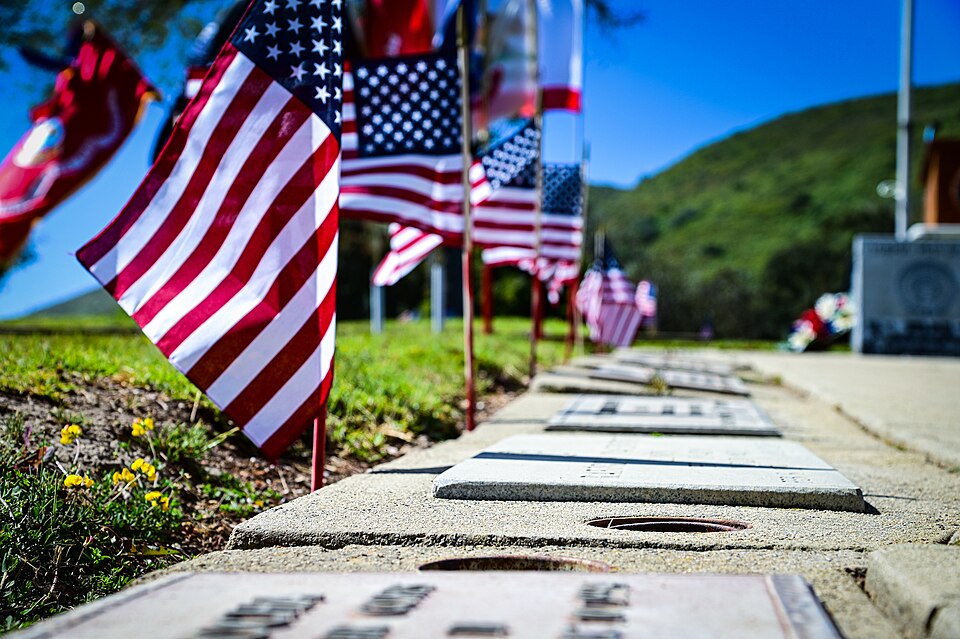
A special flag etiquette applies on Memorial Day. At dawn, the flag should be fully raised and then dropped to half-mast until noon, when it is again raised to the full height of the pole. Half-mast is the traditional symbol of grief and loss, while raising it again after noon demonstrates the pride we feel in our deceased warriors.
If you lack a large flag, embed one of those small stick flags in the earth beside your porch or in a container like a flowerpot on your stoop.
Visitors to the United States have often remarked on the ubiquity of the Stars and Stripes. That flag is a sign not only of pride but also of remembrance, particularly on Memorial Day.
One Minute on Memorial Day
On Dec. 28, 2000, Congress issued the National Moment of Remembrance Act. Under “Findings” in that document is the following:
“Congress finds that greater strides must be made to demonstrate appreciation for those loyal people of the United States whose values, represented by their sacrifices, are critical to the future of the United States” and “the relevance of Memorial Day must be made more apparent to present and future generations of people of the United States through local and national observances and ongoing activities.”
Consequently, the Remembrance Act asks Americans to pause at 3:00 p.m. local time on Memorial Day and reflect in silence for one minute on those members of the armed services who gave their lives for their country in wartime.
Many Americans either forget this call to reflection or are unaware of it. This year, we might set alarms on our phones or watches and take just 60 seconds to honor the dead in this fashion.
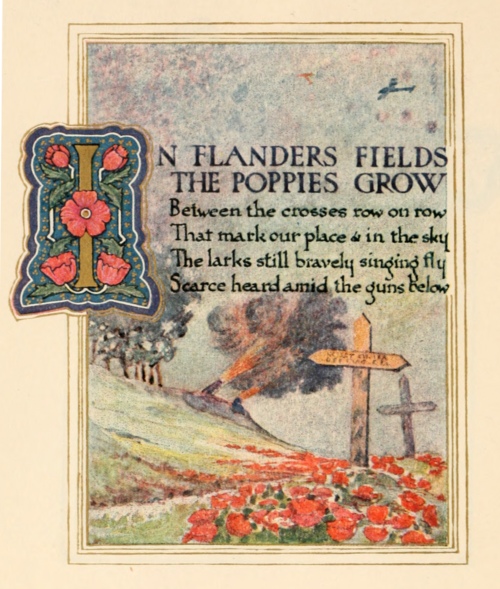
‘In Flanders Fields the Poppies Blow’
World War I and a poem by Canadian Lt. Col. John McCrae, “In Flanders Fields,” gave rise to the red poppy as a symbol of loss, sacrifice, and hope. A physician, McCrae wrote the poem shortly after the death of a good friend. McCrae himself died of pneumonia on the Western Front before the war’s end.
The American Legion Auxiliary and others sell or distribute red poppies on the Friday before Memorial Day, encouraging people to wear them or give them away.
President John F. Kennedy once said: “A nation reveals itself not only by the men it produces, but also by the men it honors, the men it remembers.”
Wearing or giving a red poppy to others is a sign of that honor.
Virtual Tours and Special Events
For those who lack the opportunity, means, or time to travel to cemeteries or battlefields, our technology now transports these special places into our living rooms.
The American Battle Monuments Commission’s website, for instance, offers tours of American memorials and cemeteries, most of them overseas. Here, visitors can view such sites as the Guadalcanal Memorial, the Luxembourg American Cemetery, and the Normandy American Cemetery. It also offers courses on American military history and special events for America’s 250th celebration of independence.
The American Battlefield Trust features battlefield tours as well as articles and videos on subjects ranging from the Medal of Honor to women at war. Here, too, are biographies and battlefield maps.
Besides sites like these, you can reserve some time over Memorial Day weekend for “Taking Chance,” the story of a Marine Corps officer’s odyssey returning the remains of a deceased soldier, Chance Phelps, for burial in his Wyoming hometown. Other war movies about sacrifice include classics like “Saving Private Ryan,” “Lone Survivor,” and “We Were Soldiers.”
And for those looking for Memorial Day music and ceremony specific to 2026, PBS offers a Sunday National Memorial Day Concert featuring military bands, singers, performers, and storytellers.
Memorial Day Memos
An easy way to honor the war dead is to post some quotes on your refrigerator, in your bathroom, or wherever you will see them frequently. To get you started, here are three short examples:
“Here rests in honored glory an American soldier known but to God.”—Tomb of the Unknown Soldier, Arlington National Cemetery
“Freedom is a light for which many men died in darkness.”—Tomb of the Unknown Revolutionary War Soldier
“Memorial Day: celebrate, honor, remember.”—Unknown
The Pleasures of the Day
That last memo may appear out of place, but celebration on Memorial Day—the long weekend, backyard barbeques with family and friends, quick getaways for a hike or a visit to the mountains or the beach—is nothing to be dismissed or decried so long as we remember the meaning of Memorial Day during our festivities. In fact, by their very nature these gatherings or excursions, undergirded by the spirit of the day, are a celebration of the hard-won liberties the dead have given us.
So, honor, remember, and celebrate.
In a brief visit to Boston following World War II, Gen. George Patton offered a remark that also puts a bit of a spin on Memorial Day: “It is foolish and wrong to mourn the men who died. Rather we should thank God that such men lived.”
Here we may disagree with the first part of Patton’s remark, particularly if we or someone we know lost a loved one to war. But Patton’s central point is the gratitude we should feel toward those men and, more recently, women who gave the last full measure of their devotion to their country.
Another historical American figure, President James Garfield, adds this final dimension to the day: “The dead do not need us, but forever and forever more we need them.”
We do need those dead, as inspiration, as exemplars of virtue, and Memorial Day reminds us that they remain alive in spirit so long as we know and remember them. Do that, and they are no longer dust in a grave. Instead, they become torches leading us forward—examples of who and what we, the living, can be.
What arts and culture topics would you like us to cover? Please email ideas or feedback to features@epochtimes.nyc