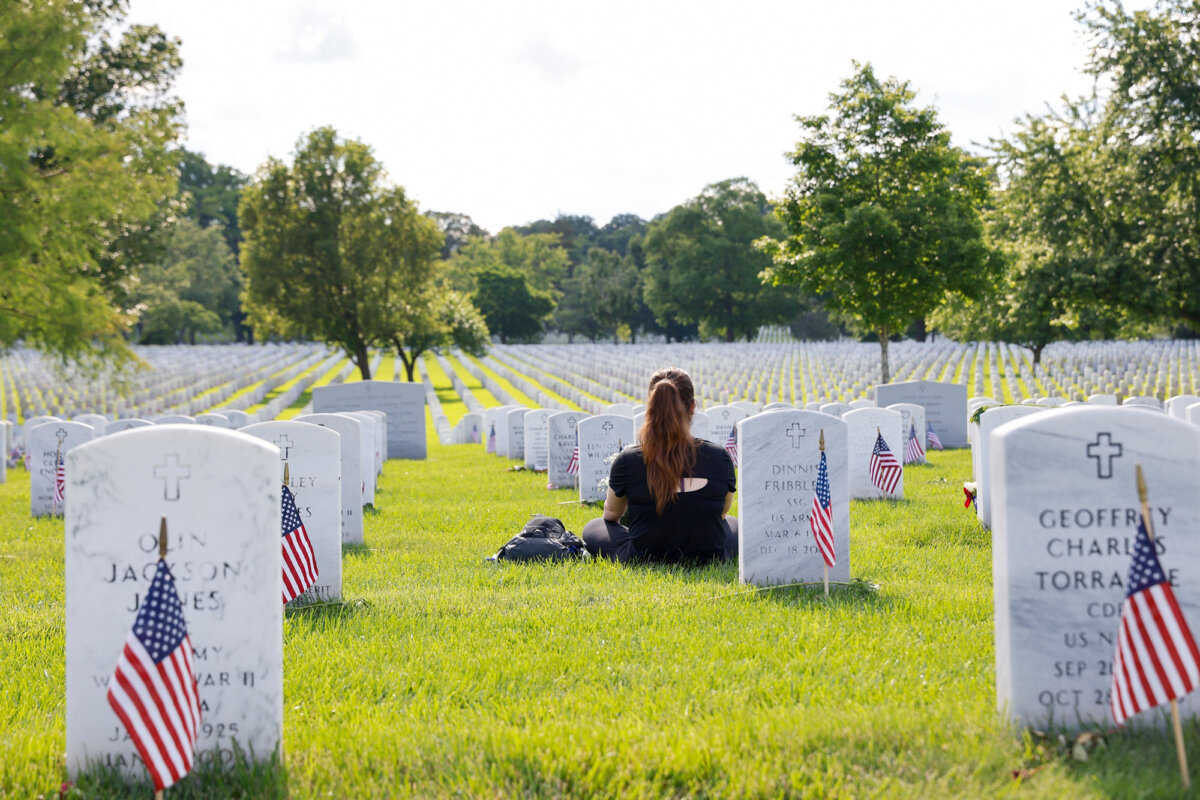
Taps. An American flag beside a tombstone in a small-town cemetery. An old photograph of a boy in uniform. The laughter of those lost to war, now lost to living memory.
On Memorial Day, we pay homage to those who gave their lives for their country. Whether it’s with a grand ceremony in Arlington Cemetery or a simple visit to an ancestor’s grave in a churchyard, we pay due respect to the dead of war.
We can also salute those honored dead by learning more about the wars they fought, the sufferings they endured, and why they died. Books can become the classroom and teacher for these lessons. Here are a few of the many books about war worthy of our attention.
‘The Leader’s Bookshelf’
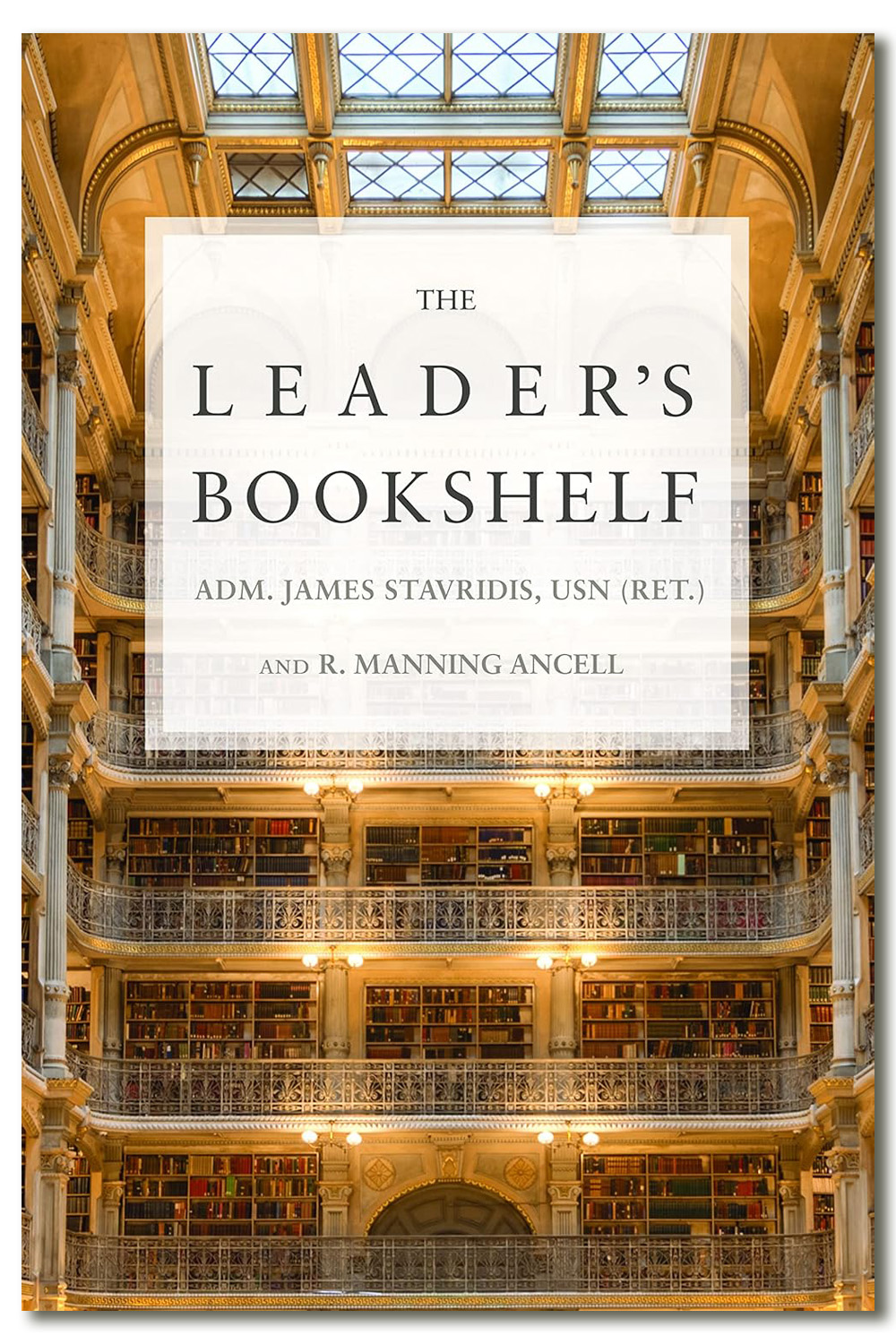
Compiled and written by retired Adm. James Stavridis and R. Manning Ancell, “The Leader’s Bookshelf” introduces readers to novels, histories, and biographies recommended by more than 200 four-star military officers.
On “The Leader’s Bookshelf” top 50, Michael Shaara’s “The Killer Angels” stands first in line, followed by Anton Myrer’s “Once an Eagle.”
‘The Killer Angels’
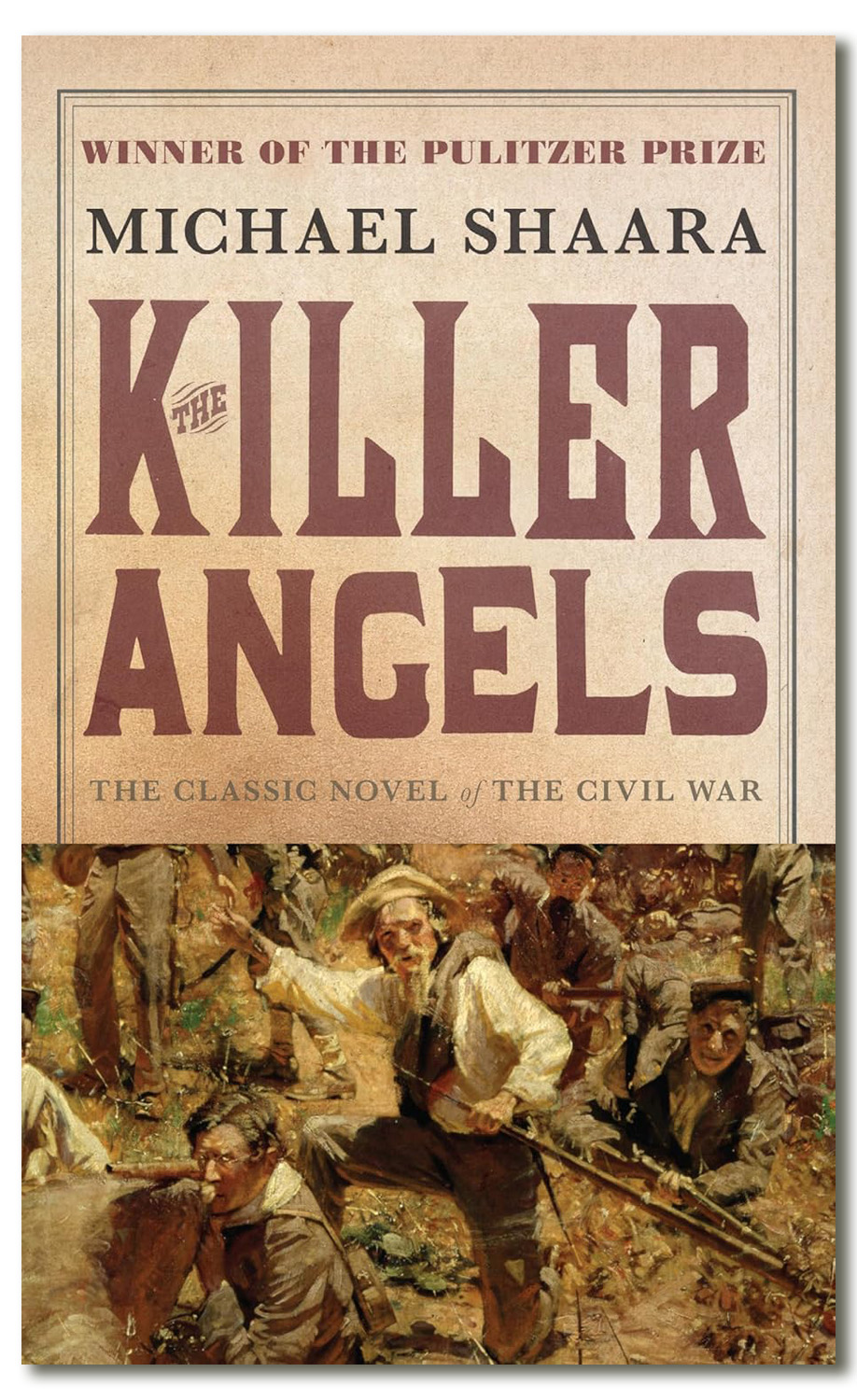
“The Killer Angels” tells the story of the three-day Battle of Gettysburg. Most of the novel’s characters are real historical figures: Southerners such as Robert E. Lee and James Longstreet, and Northerners such as John Buford and Joshua Chamberlain. It’s a study in leadership that also depicts the hardships and terrors of combat for the ordinary soldier. Then, too, it reminds us of the credo of brotherhood as old as war itself when Chamberlain says to his men, “What we’re all fighting for, in the end, is each other.”
“The Killer Angels” brings the Civil War to life for both adults and teenagers.
‘Once an Eagle’
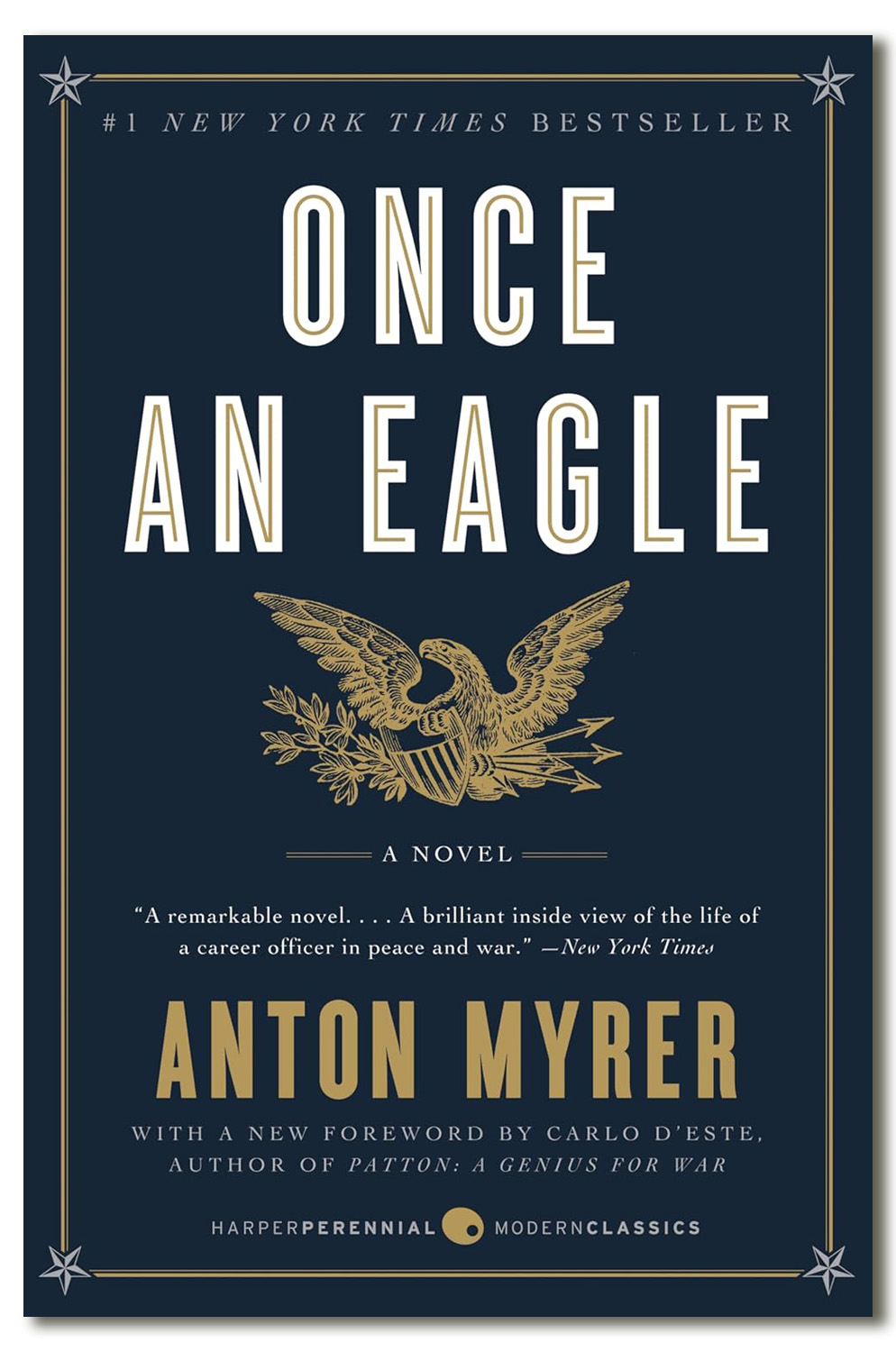
Myrer’s “Once an Eagle” gives us Army regular Sam Damon, whose service to the nation runs from World War I through World War II and then into a fictionalized version of Vietnam, where the retired Damon serves as an adviser. In him, Myrer created a good man who knows well the costs of war, brought home to him by the loss of his two best friends and his son.
Invited to speak at a post-World War II hometown unveiling of a memorial tablet inscribed with the names of those who died, Damon at one point says: “A country’s treasure is in its young men, and their loss is terrible beyond measure because it is irreparable. It is as shocking as the loss of innocence, or self-respect. And more often than not it is the good man who goes: the large act, the spendthrift heart.”
This irreparable loss, the promises and dreams of the young thwarted by death, is a chief reason we honor the dead on the last Monday in May.
‘Incredible Victory: The Battle of Midway’
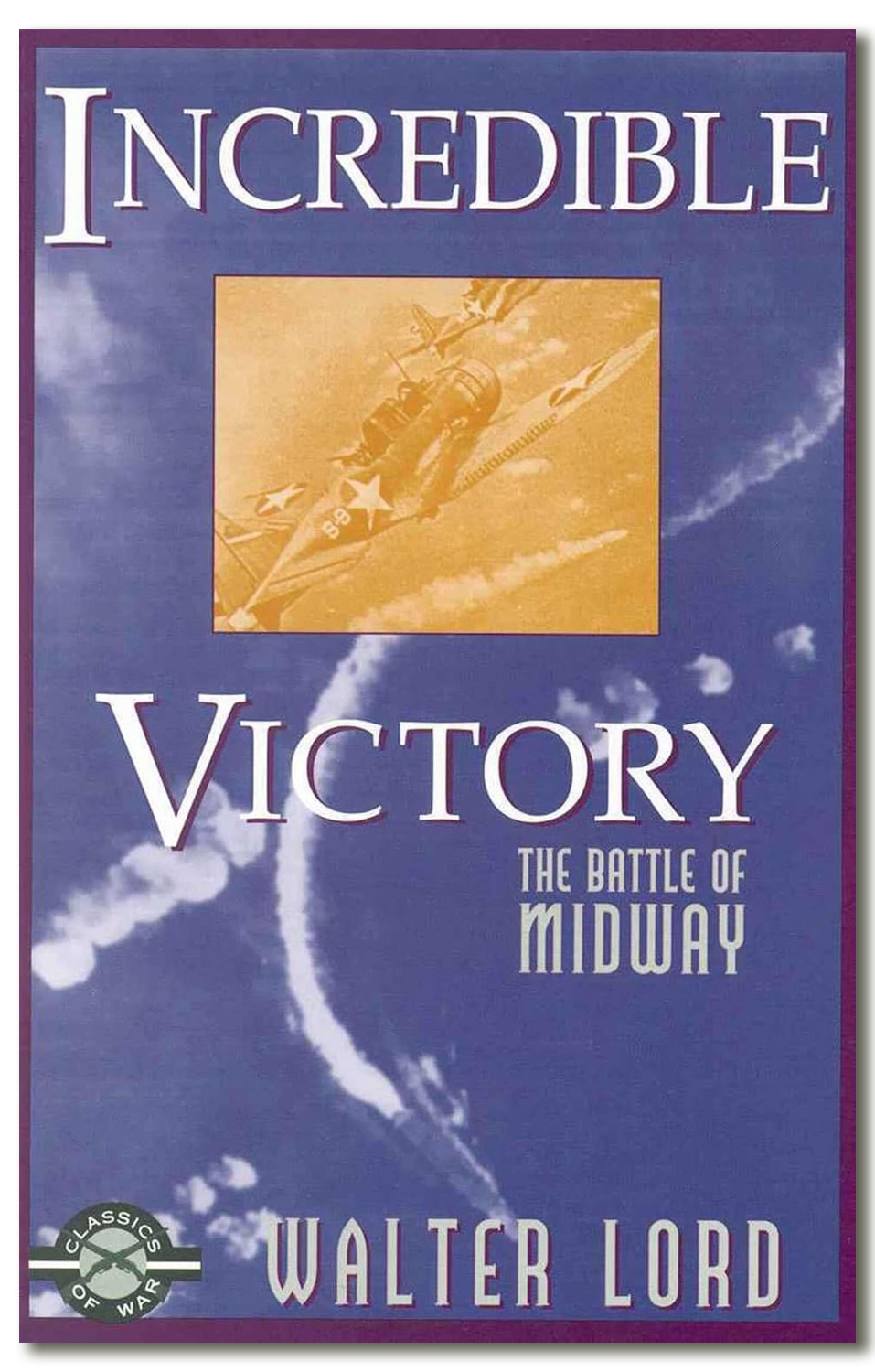
Inscribed on the southern wall of the National World War II Memorial is this quote from Walter Lord’s “Incredible Victory: The Battle of Midway”: “They had no right to win. Yet they did, and in doing so they changed the course of a war. … Even against the greatest of odds, there is something in the human spirit—a magic blend of skill, faith and valor—that can lift men from certain defeat to incredible victory.”
Outnumbered and outgunned, from June 4 to June 7, the American Navy and its aircraft so badly damaged a superior Japanese fleet that the victory tilted the Pacific War in favor of the United States. Key to this victory were the sacrifices made by the clumsy and slow American torpedo bombers. The Japanese shot down 35 of these 41 planes, but the distraction they created allowed American dive bombers to attack and destroy all four Japanese carriers.
Pick up a copy of “Incredible Victory,” and readers young and old will learn of the heroes at Midway.
‘Don’t Tread on Me’
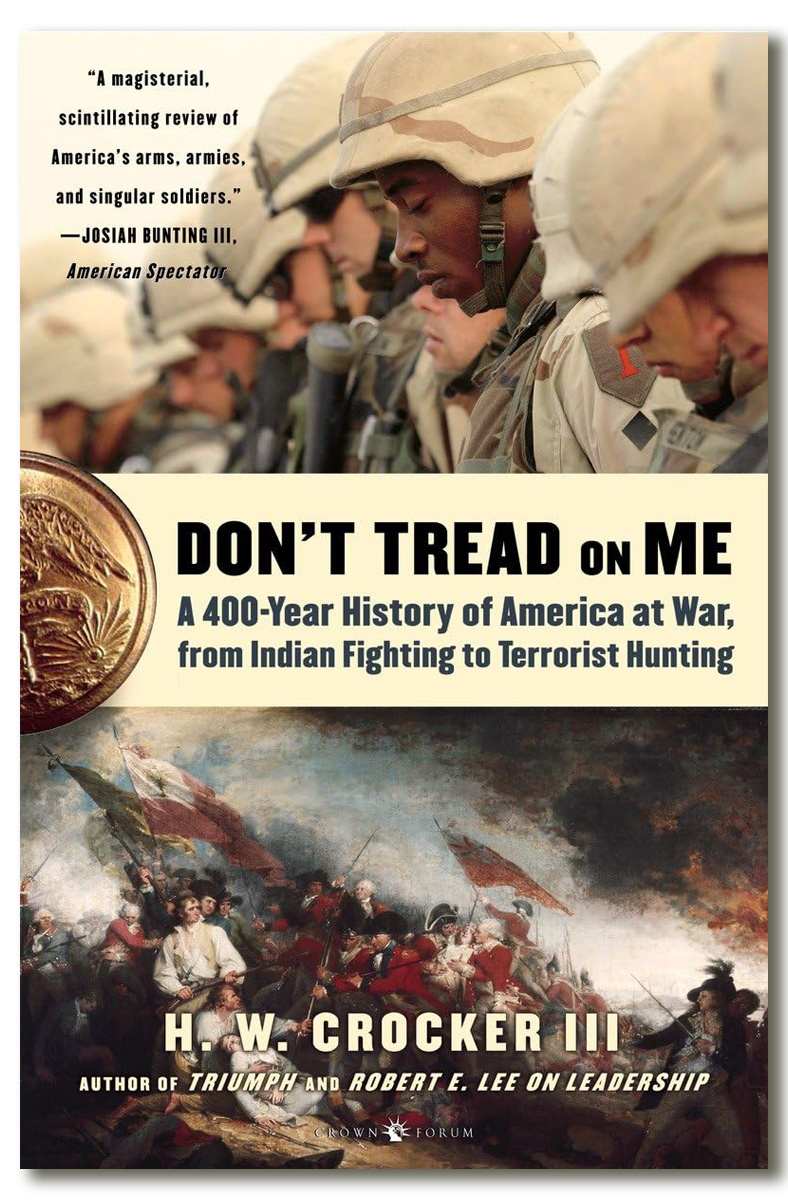
The subtitle to “Don’t Tread on Me” promises a “400-Year History of America at War, from Indian Fighting to Terrorist Hunting,” a promise made good by author H.W. Crocker III. Beginning with the clashes between pre-Revolutionary colonists and Native Americans, “Don’t Tread on Me” takes readers through a lively narrative history of Americans at war right into the 21st century.
Here is yet another book that adults and teens may both enjoy, a pleasurable way to learn more about America’s past and its military.
Honorable Mentions
Kenneth Roberts’s novels of the Revolutionary War, Shelby Foote’s magnificent three-volume history of the Civil War, Douglas S. Freeman’s “Lee’s Lieutenants,” Eugene Sledge’s epic Marine Corps memoir “With the Old Breed,” James Webb’s Vietnam novel “Fields of Fire,” and Mark Bowden’s “Black Hawk Down” with its minute-by-minute account of the fighting in Mogadishu, Somalia—these are only a few of the many fine stories and histories of the Americans who fought and died serving their nation in war.
In her short poem “On This Memorial Day,” Emily Toma reminds us of the core meaning of this holiday:
Remember those who served before.
Remember those who are no more.
Remember those who serve today.
Remember them as we eat and play.
Remember our protectors
who are not home today.
Remember them all on Memorial Day.
Reading their stories helps us remember.