IMDb (the Internet Movie Database) lists more than 1,600 war movies, and that list is eight years old.
Clearly, films about battle and warfare attract viewers, and with good reason. Audiences come to these movies to experience secondhand and in a condensed form the drama and action of war, heroism and sacrifice, camaraderie, intense emotions, and lessons about history and patriotism. These movies can deepen our gratitude for those who died in these conflicts, who gave their lives for their brothers-in-arms and for their country.
This year, as we celebrate Memorial Day with our backyard barbecues and get-togethers with friends and family, watching one of these movies can deepen our appreciation for this day of remembrance.
Here are a few films that do the job.
Love and Death
“Greater love hath no man than this, that a man lay down his life for his friends.”
This sentence from scripture sums up the bonds of brotherhood born from battle.
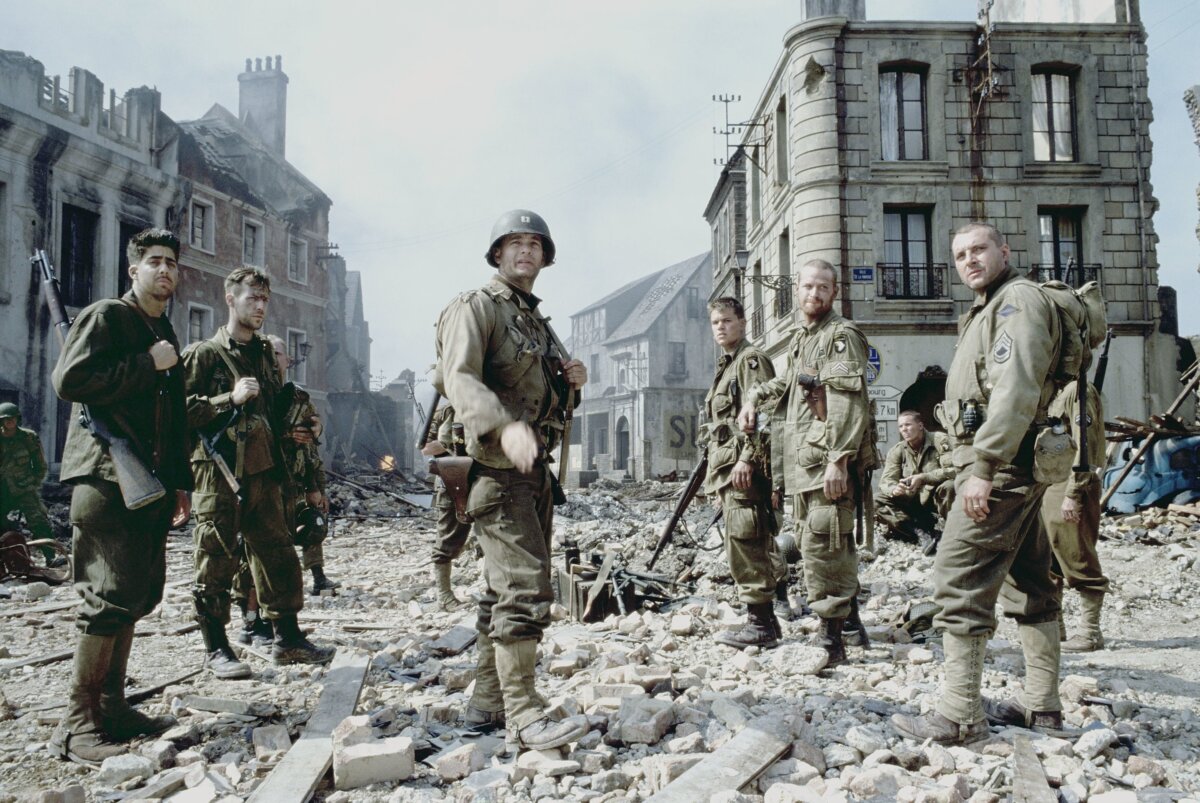
In “Saving Private Ryan,” after undergoing the horrific ordeal of D-Day’s Omaha Beach landing, a detachment of men under the command of Capt. Miller (Tom Hanks) are ordered to find and return with paratrooper Pfc. James Ryan (Matt Damon), whose three brothers have recently died in combat. After a search that costs this band of men two of their own, they finally locate Ryan, but he refuses to leave his unit.
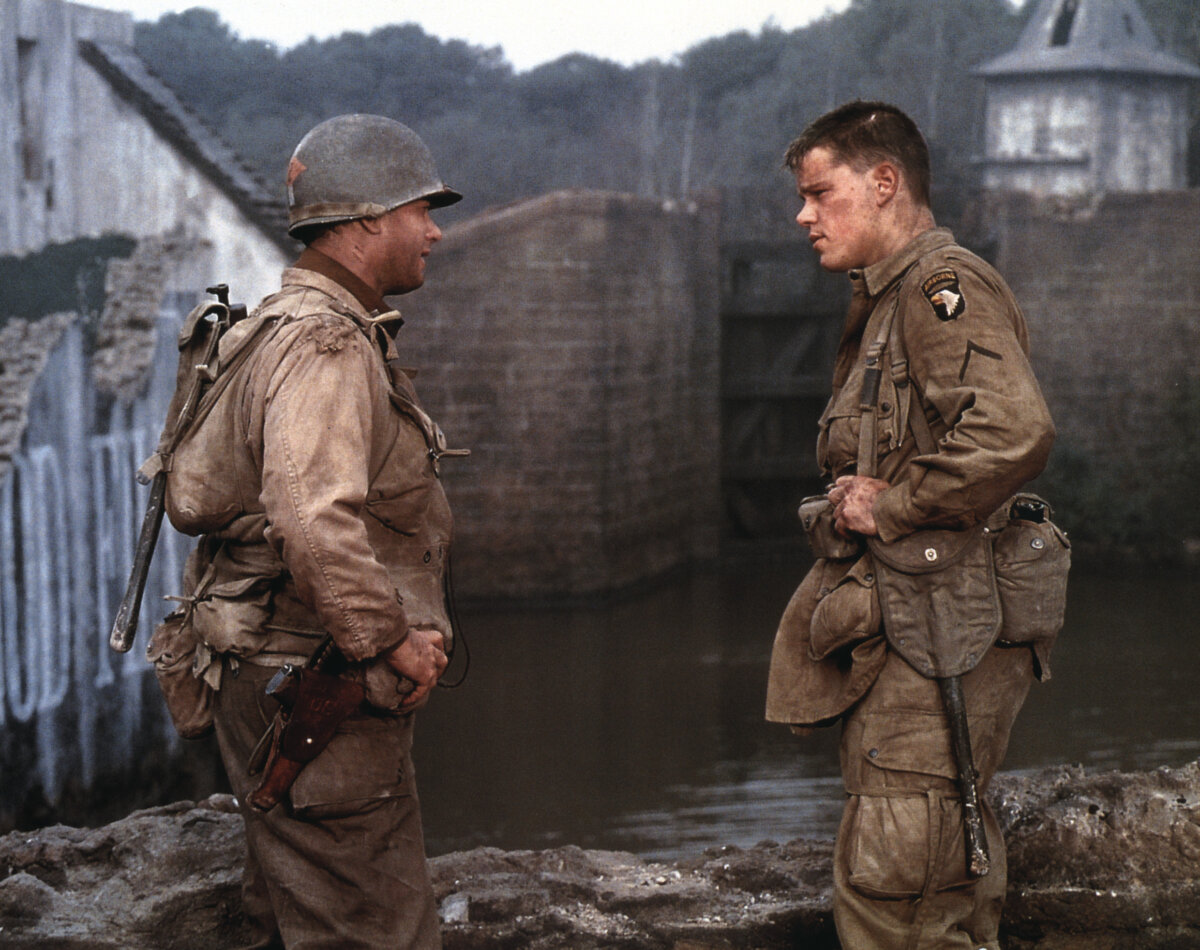
When Miller asks Ryan what he should tell his mother “when she gets another folded American flag,” Ryan replies: “You can tell her that when you found me, I was with the only brothers I had left. And that there was no way I was deserting them. I think she’d understand that.”
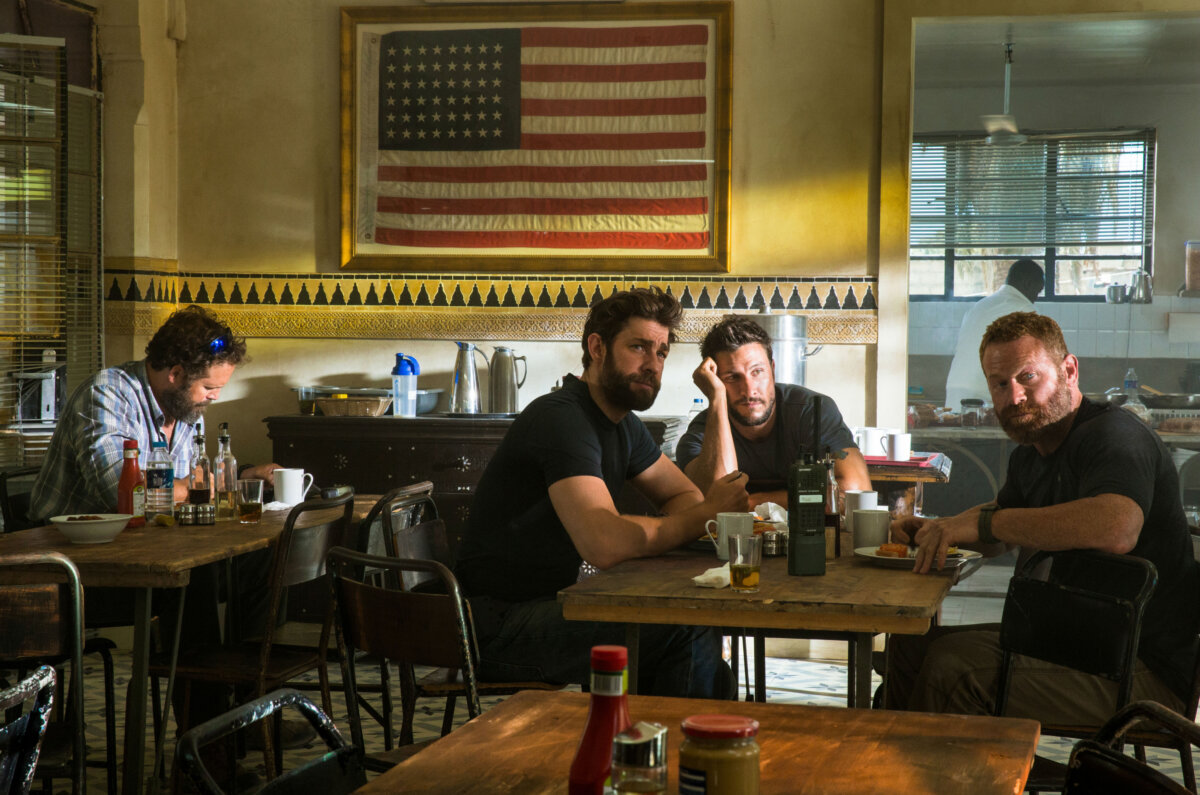
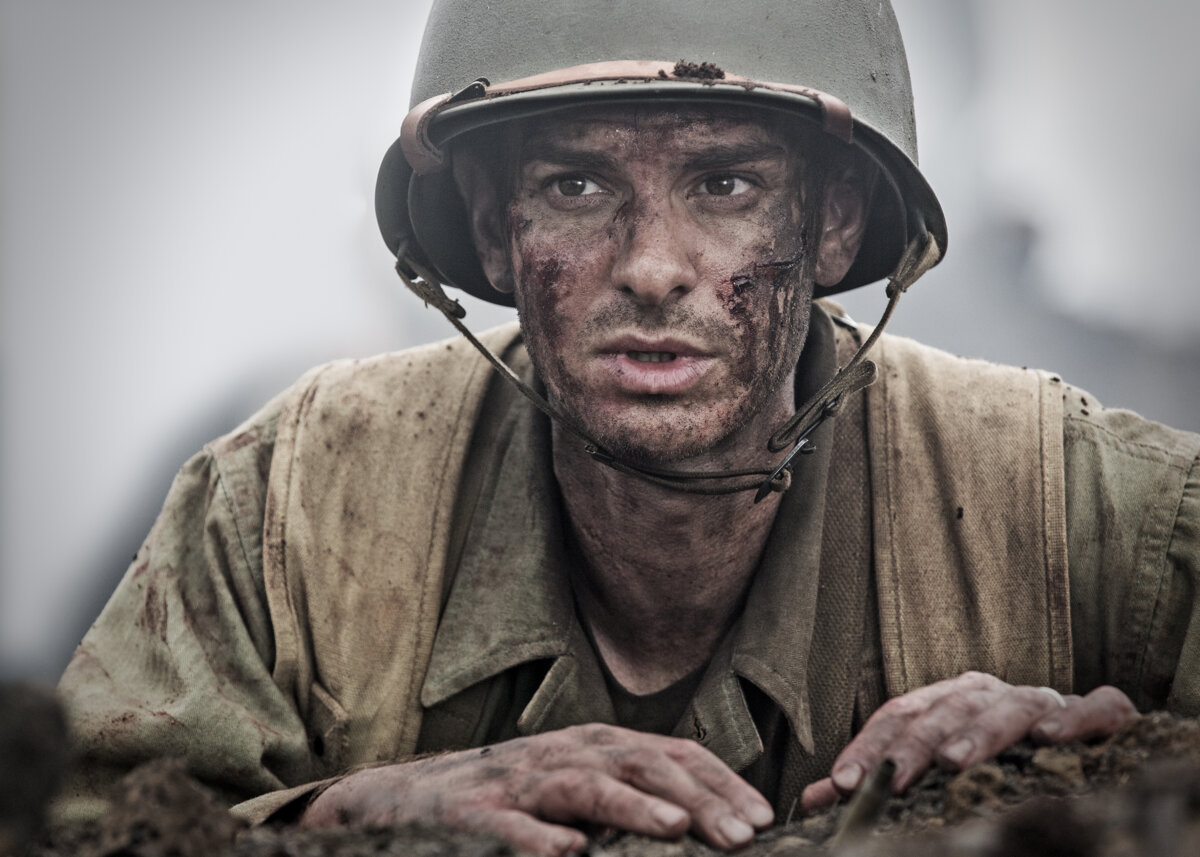
In movies such as “13 Hours: The Secret Soldiers of Benghazi,” in which six ex-military security contractors fight off attacks on the U.S. diplomatic compound, and “Hacksaw Ridge,” in which a medic returns to the battlefield again and again to rescue his wounded comrades, we see these same ties of fellowship that make for brotherhood, even when it leads to the grave.
Because of this intense loyalty, these warriors also stood fast for their country and for the rest of us. Memorial Day calls us to recognize their sacrifice.
Grieving, Honor, and Healing
Many viewers rightly consider “Taking Chance” the ideal film for Memorial Day. Based on a journal kept by USMC Lt. Col. Michael Strobl, this movie follows Strobl as he escorts the fallen Chance Phelps from Dover Air Force Base to his final resting place in Dubois, Wyoming. All along the way, ordinary Americans pay respect and honor to Phelps for his service.
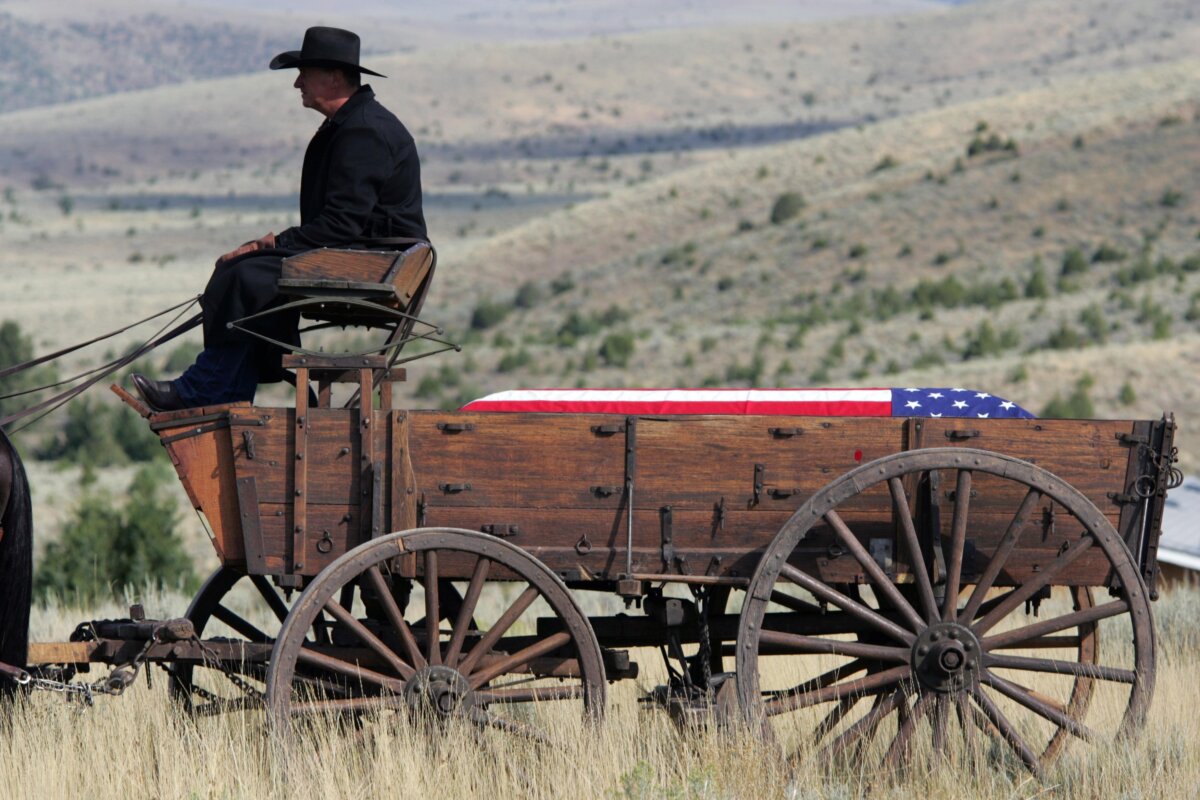
At one point, talking to Charlie Fitts, an older man and veteran, Strobl expresses the guilt that he feels for being at home with his wife and children while Marines like Chance Phelps are dying. Fitts reprimands him, reminding him of the importance of what he’s just done by escorting Phelps back to his family and home: “You’d better stop right there, sir. You’ve brought Chance home. You’re his witness now. Without a witness, they just disappear.”
Memorial Day is designed to make us all witnesses.
The final scenes from “The Deer Hunter,” the movie in which three buddies from a Pennsylvania mill town head off to Vietnam, give us another look at grief and healing. Along with others, two survivors of Vietnam, one of whom has lost the use of his legs, gather in a bar after attending a service for their dead friend, whose trauma in Vietnam drove him to suicide by Russian roulette.
While the weeping owner of the bar, another friend, prepares breakfast for the group, he absentmindedly begins humming and then singing “God Bless America.” Joined by the others, the song proves a blessing, allowing both them and the viewers to see some slant of light in the darkness of death. They then raise their glasses to their deceased friend, “To Nick.”
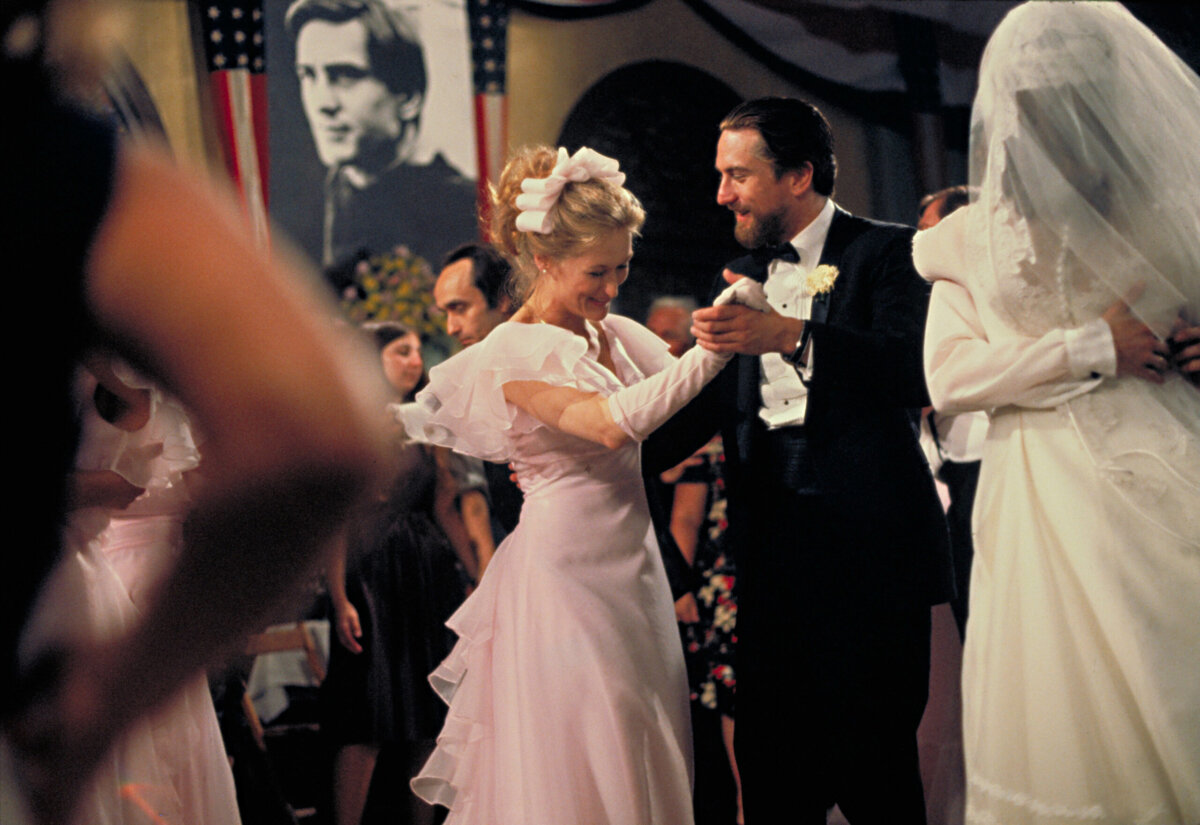
In addition to the beauty of the healing that takes place, “The Deer Hunter” reminds us that not all of those we honor on Memorial Day died on the field of battle; some died from the nightmares etched onto their souls by all they’d seen and done in war.
What the Dead Have to Say
Perhaps the most profound Memorial Day message comes from “Saving Private Ryan.” Near the end of the movie, following a crucial battle defending a bridge where Miller and Ryan had fought side by side against the Germans, Ryan bends over the dying Miller, who pulls him close and whispers, “James. Earn this. Earn it.”
This final command from Miller, to live up to the men who sacrificed their lives in the battle, stays with Ryan for the rest of his life. In the movie’s last scene, the now-aged Ryan hunkers down by Miller’s grave in France and says: “Every day I think about what you said to me that day on the bridge. I tried to live my life the best that I could. I hope that was enough. I hope that, at least in your eyes, I’ve earned what all of you have done for me.”
This is the obligation built into Memorial Day, this last command of Miller’s. This is the mandate given to all of us by the dead of so many hard-fought battles, from Bunker Hill to Gettysburg, from Belleau Wood to Midway, from Heartbreak Ridge to Ia Drang to Kamdesh. From their graves they call us to virtue, to protect and preserve our families, our country, and our liberties, and to live lives worthy of their sacrifice.
“Earn this,” they whisper. “Earn it.”