



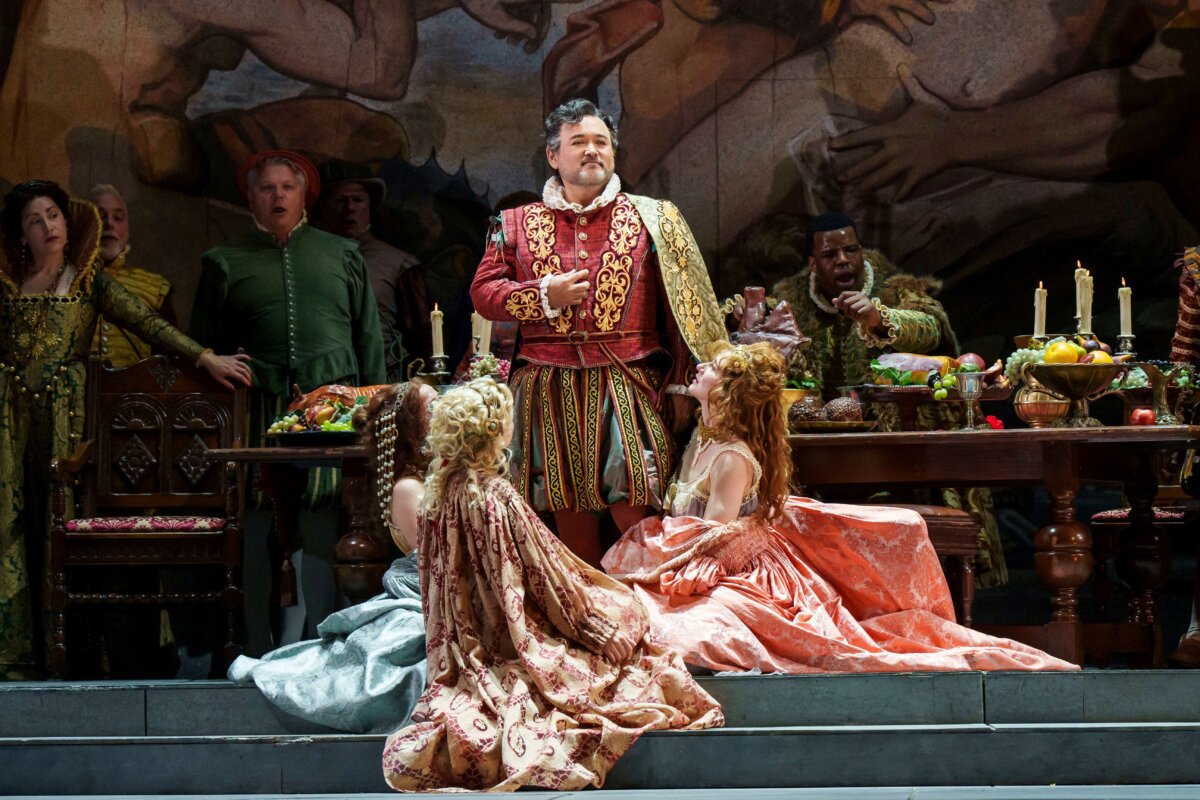
What makes a great tune? For opera composers throughout history, this question often meant the difference between a forgotten work and an instant sensation. Operagoers often went to the theater as much to hear star singers perform famous arias as to experience the opera itself. When a tune became popular, it was quickly imitated and heard throughout the city the next day.
When it comes to inventing unforgettable melodies, few composers were as gifted as Giuseppe Verdi. Born in Busseto, Verdi was one of the preeminent opera composers of 19th-century Italy, writing some of history’s most beloved operas, including “La traviata” and “Otello.” In the case of his controversial “Rigoletto,” one standout aria in the third act has become one of the most memorable in all of music.
Rigoletto
While “Rigoletto” was a resounding success at its premiere, its inception was a complicated process. Based on Victor Hugo’s play “Le roi s’amuse,” the opera initially faced censorship concerns, since Hugo’s original drama had been banned in France for its portrayal of royal immorality. “Rigoletto” seemed likely to follow in its footsteps until the opera was saved after some timely edits to the plot. The revised libretto changed the King into a Duke, and the original jester of the story, Triboulet, was renamed as the opera’s title character “Rigoletto.”
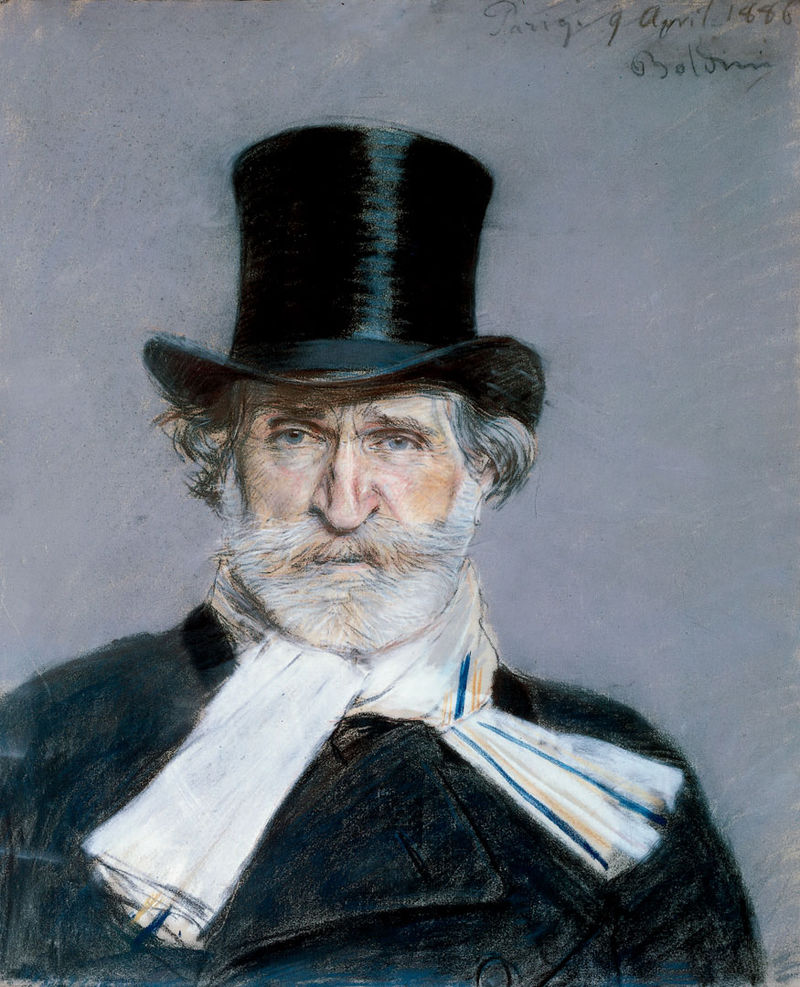 A portrait of Giuseppe Verdi (1886) by Giovanni Boldini. (Public Domain)
The story is one of tragedy and consequence. When the Duke of Mantua flirts with the Countess Ceprano, his jester Rigoletto adds insult to injury by cruelly mocking her husband and father. In retaliation, the courtiers’ victim, Count Monterone, casts a curse upon the wrongdoers. As a result, the immoral Duke soon sets his sights on Rigoletto’s young daughter Gilda. Rigoletto hires assassin Sparafucile to eliminate the Duke, but when Gilda gives up her own life to save the Duke the tragic curse is fulfilled.
While the drama and character psychology explored in this opera serve as the emotional core of the work, its music captured the hearts of audiences. In particular, Duke Mantua’s aria in the beginning of the third act, “La donna è mobile,” is one of the most recognizable melodies in all of opera.
Verdi was reportedly well aware of the tune’s catchiness. He zealously guarded the score, only revealing it to the performers a few days before the performance out of fear that the music would leak before the premiere. He even prohibited tenor Raffaele Mirate (the Duke) from singing or whistling the tune outside of rehearsals.
Verdi’s preparations bore fruit. The opening night was triumphant, and indeed the lyrics of “La donna è mobile” were sung in the streets the next day.
‘La donna è mobile’
Today’s recording of “La donna è mobile” from the third act of “Rigoletto” is by Luciano Pavarotti and the London Symphony Orchestra, led by Richard Bonynge.
The orchestra opens with the aria’s main tune, a swaggering jaunt that pauses playfully before the tenor’s arrival. The opening lyrics “La donna è mobile” translates to “Woman is fickle,” providing valuable insight into the Duke’s character. While the music is lighthearted and the lyrics are sung flippantly, the opera’s surrounding tragedy only highlights the Duke’s reprehensible approach to love and his treatment of others.
The music continues virtuosic and carefree. The catchiness of the melody comes from its spontaneity and simple repetition, with successively higher melodic leaps. The aria has become a favorite showcase for tenors, highlighting both vocal agility and expressive charm.
What arts and culture topics would you like us to cover? Please email ideas or feedback to features@epochtimes.nyc
