



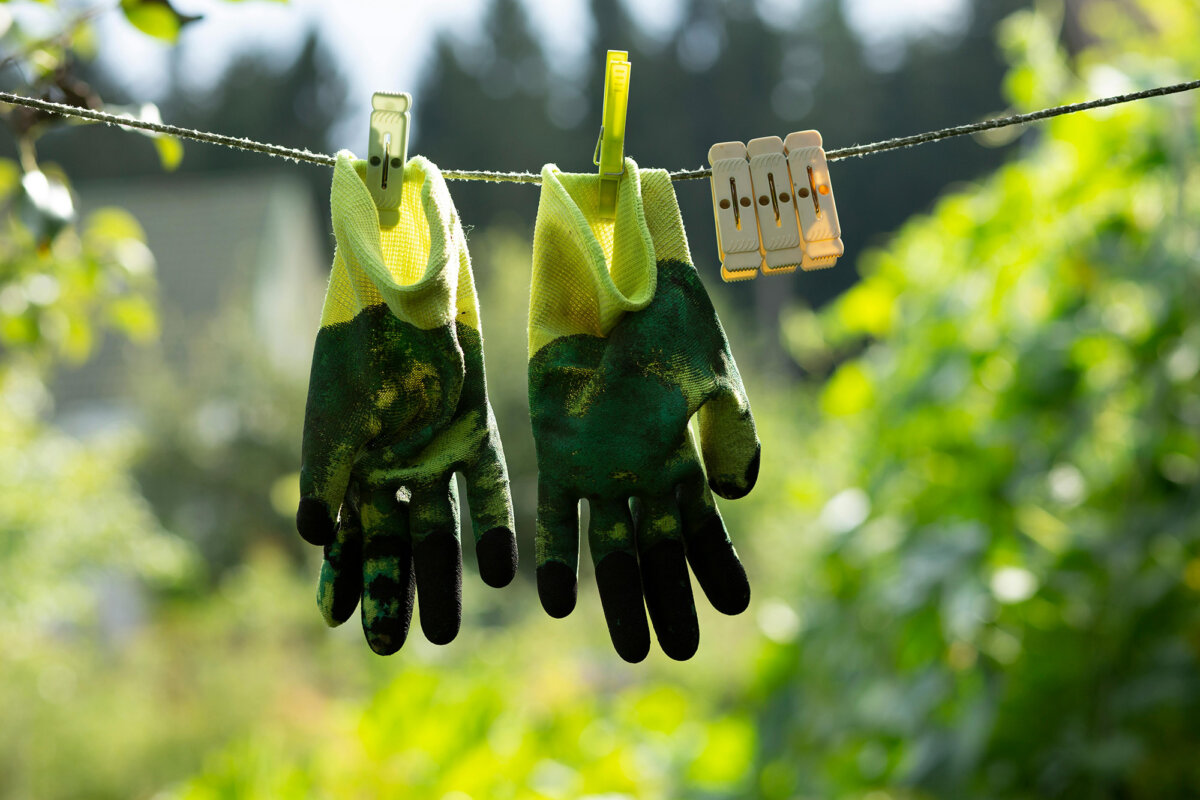
Finally! Prime growing season has arrived, so let us play in the dirt. There are several important garden tasks to do now, while the enthusiasm is up and the weather is not blistering hot yet, to have a more abundant, lower-maintenance garden this year. One easy, very gratifying task is to bring houseplants outside so they can thrive in a shady spot. Water them until it drains out the bottom clear in order to flush the soil of any salt buildup.
Place veggies started indoors and any overwintered cuttings next to them. You will want to gradually acclimate these to the sun. Start by putting them in the dappled sun for two hours, then extend the time gradually until they are out in full sun and ready for transplant.
All this advice assumes that the last frost has passed and the nighttime temps are above 50 degrees Fahrenheit—or 60 degrees F for tomatoes and other nightshades—or that you have protective measures ready to protect the plants from any more cold snaps. If not, adjust the timing accordingly.
Scientific Approach
A DIY home soil test provides valuable information, both on what the soil is lacking and what it does not need. Why buy fertilizers that are not required, especially when they can actually damage productivity and plant health if over-applied? The test is cheap insurance.
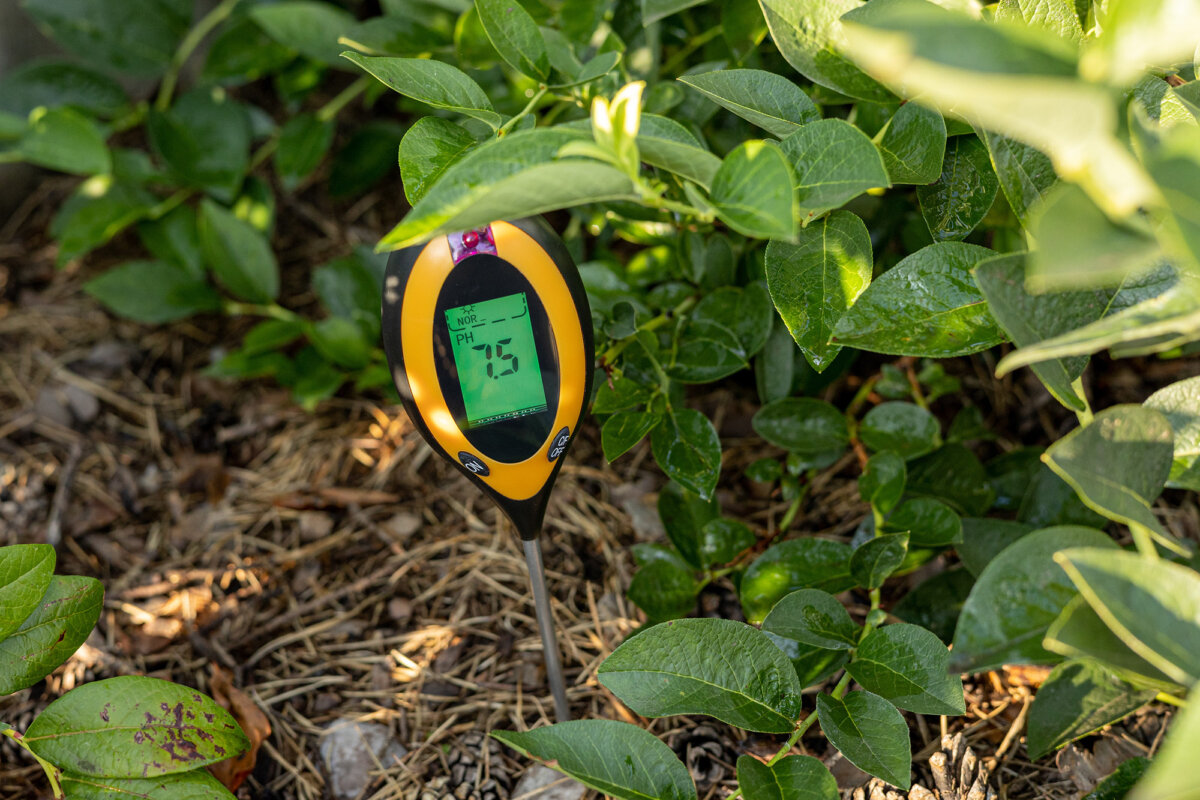
Meanwhile, pH testing, via a kit or as part of a moisture/pH/light tester, helps keep the garden in an optimal range of six to seven, with exceptions made for tomatoes and other acid lovers and alkaline fans, such as lavender.
If there are serious concerns, reach out to the local university’s agricultural extension office for a more detailed soil analysis.
Landscape Brunch
Apply a late-spring lawn fertilizer, if not done already, to refresh soil nutrients and help the grass develop strong roots to survive and thrive in the coming heat and any potential drought. Fertilize trees and shrubs, as well as roses, hydrangeas, and rhododendrons, with a balanced or type-specific fertilizer.
Snip, Snip
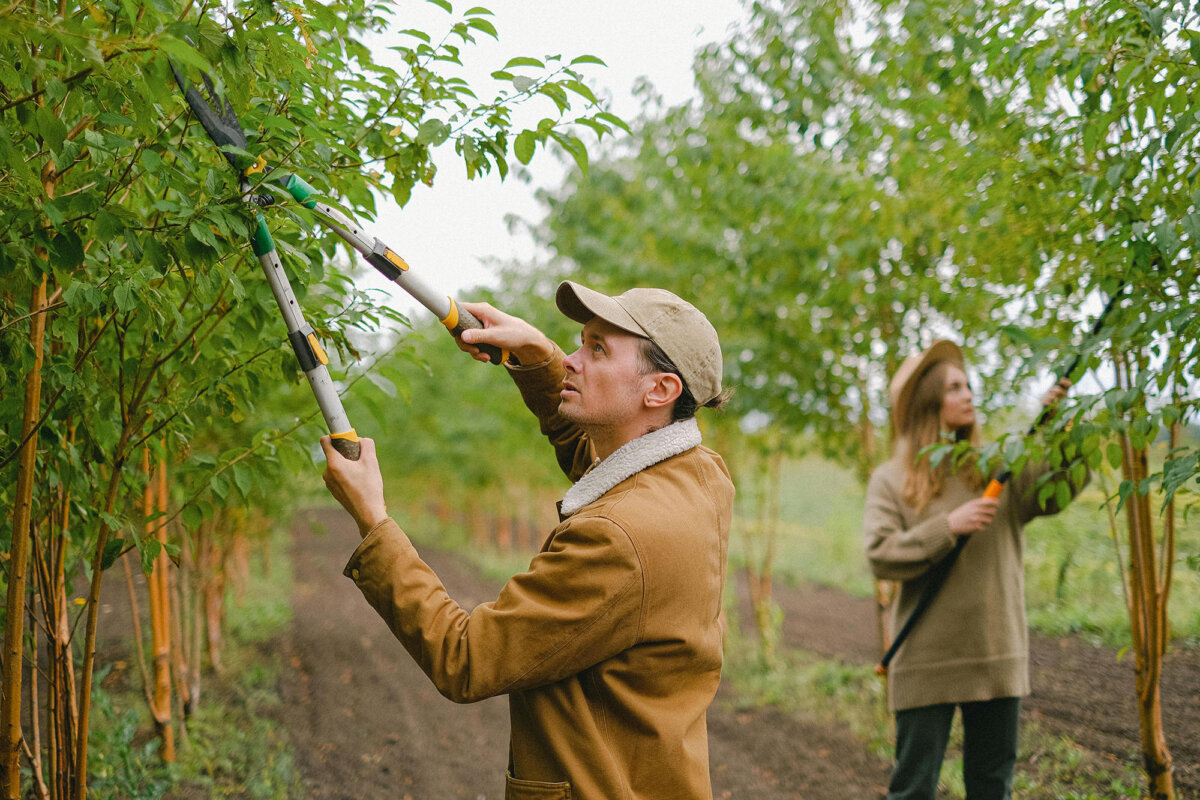
Prune spring-flowering perennials, including spring-flowering shrubs such as azaleas, forsythia, lilacs, and spirea, once they are done blooming. But only do so if needed, because next year’s blooms will develop on this year’s growth.
Also, leave the leaves to dry on daffodils and other spring bulbs, as their nutrients feed the bulbs for next year’s blooms.
Wakey, Wakey …
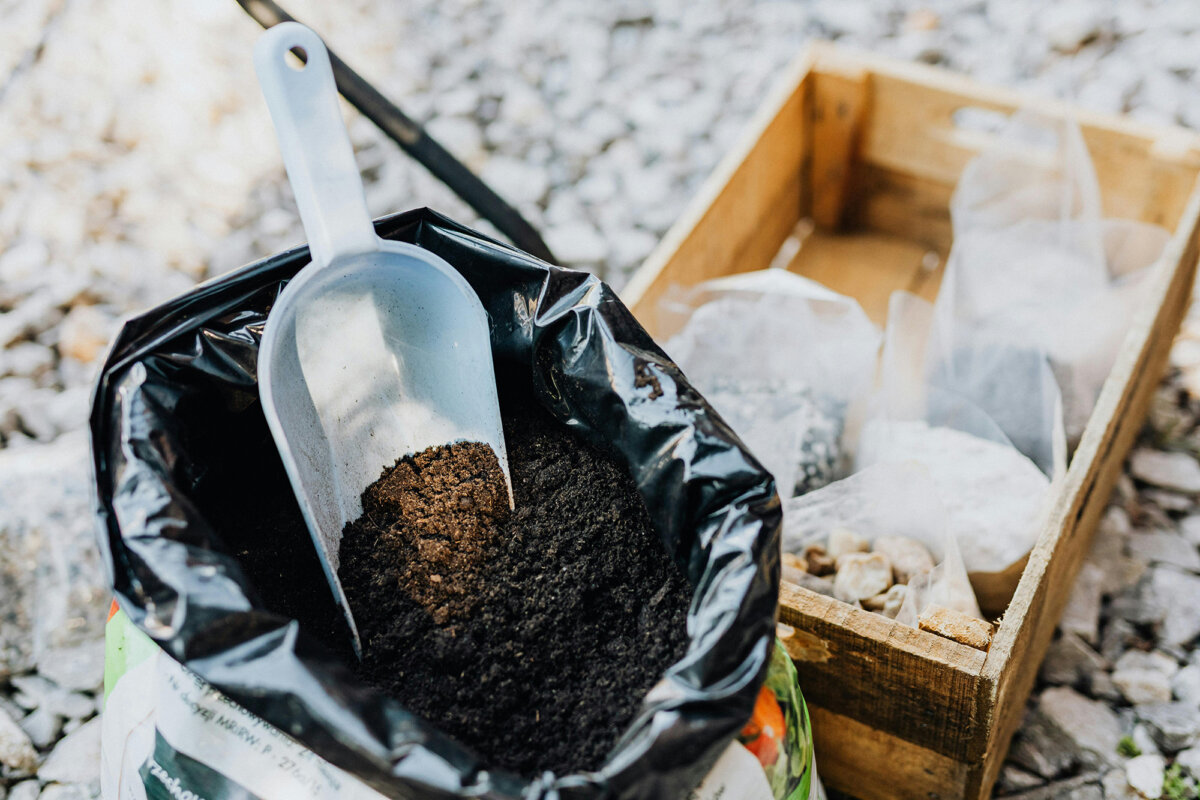
After getting the soil test results, it is time to feed the veggie patch. If the garden is just ramping up, work a granular fertilizer into the top three to five inches when turning the bed. This is ideally done a month before transplanting if using a commercial 10-10-10 product. It is a good use of the time while the plants are busy hardening off. Even nursery plants can benefit from being eased into sunlight, as they were probably grown in the shade.
No-till gardeners will want to apply fertilizers on the surface or top-dress with compost. In fact, a layer of soil-protecting compost or organic mulch is a good idea in general, since it will help the soil retain valuable moisture.
Turn the winter compost pile before harvesting. No homemade compost? May is an excellent time to get started creating this black gold.
Feed and Reap
If the garden is already active, fertilize to give plants a nutrient boost and replace any nutrients used by the spring crop.
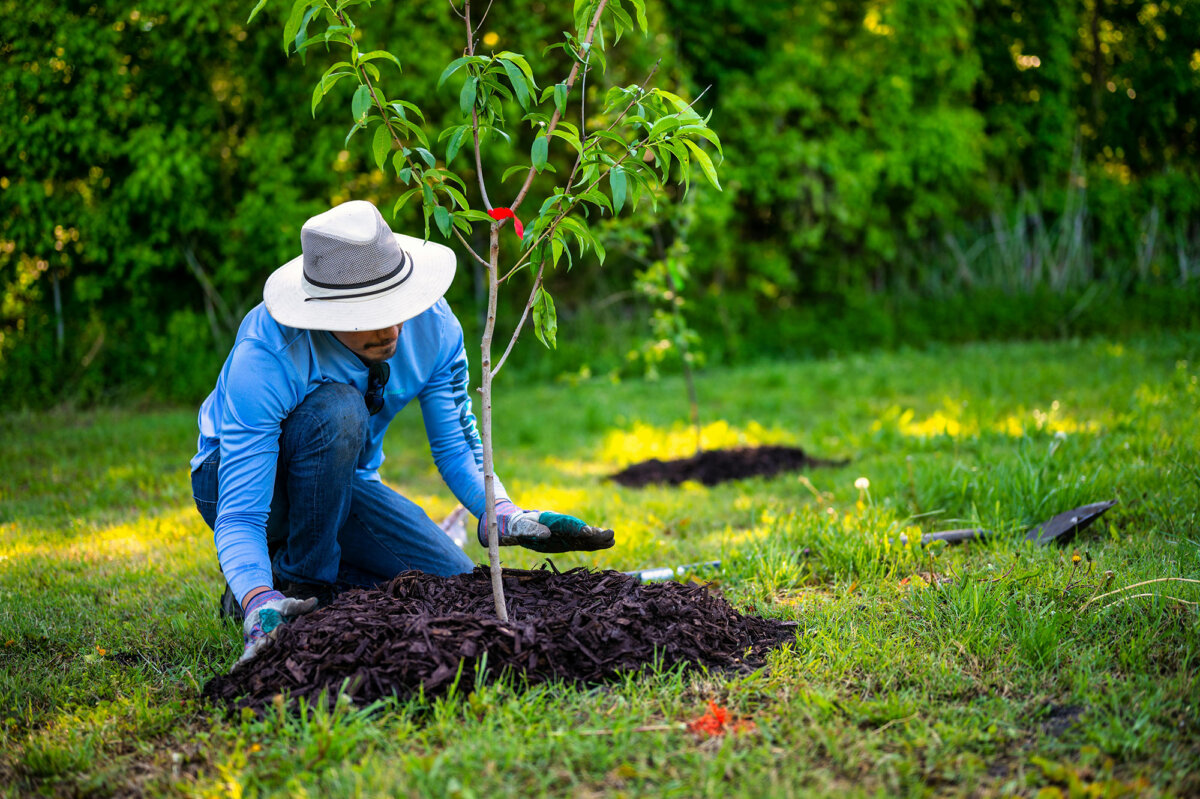
New plants can also be fertilized four to six weeks after transplanting. The idea is to avoid burning new roots, although quality compost or worm castings can be worked directly into the transplant hole.
Magnifying Glass
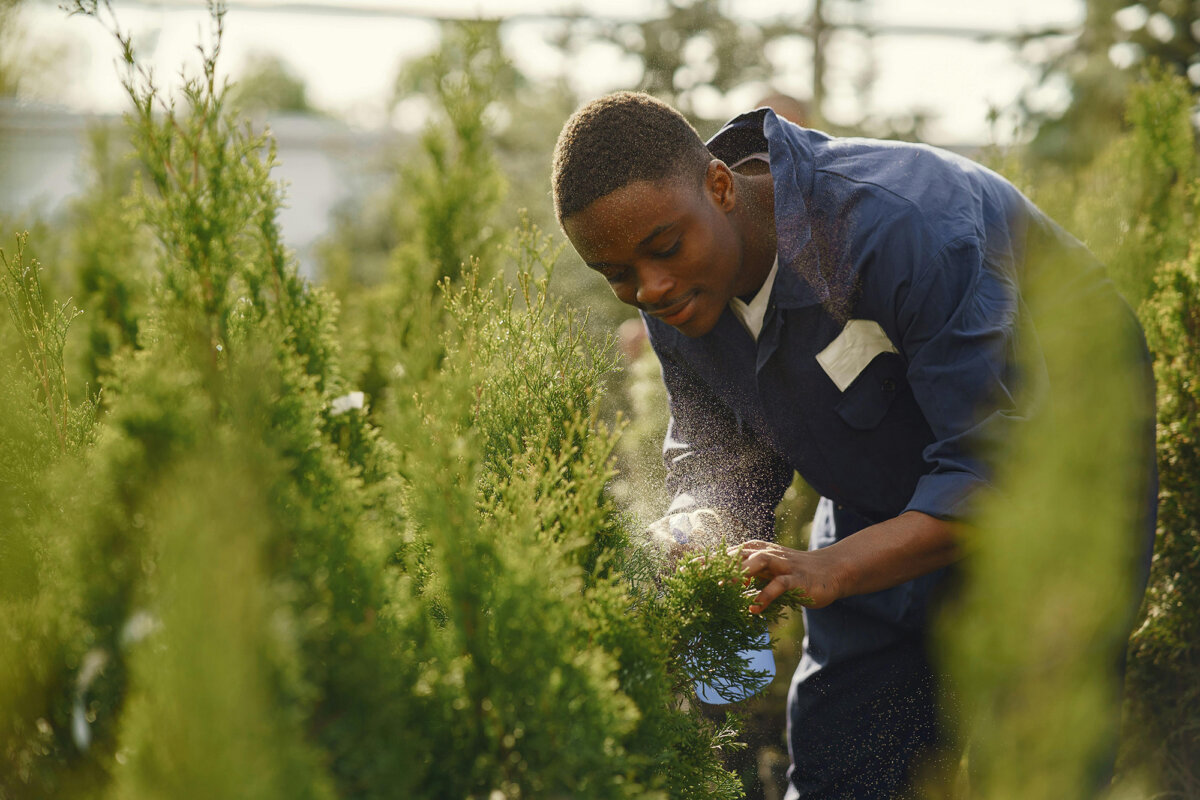
Keep a diligent eye out for pests, and hand-remove or spray for them immediately. Early intervention helps avoid future infestation. Consider using row covers to protect large areas of vulnerable new growth. Interplant marigolds, cosmos, calendula, and other plants that attract ladybugs and other beneficial insects that eat bad bugs. Neem oil is a versatile, organic option that works on a wide variety of pests, but spray it—or any pesticide—in the early evening to avoid harming the aforementioned beneficial insects.
Clean and Happy
Choosing disease-resistant varietals, spacing veggies for good airflow, keeping the garden clear of weeds and debris, and cleaning garden pruners with 70 percent isopropyl alcohol between uses will go a long way toward warding off fungi, bacteria, and viruses. As with pests, treat any problems immediately before they spread. It can be heartbreaking, but remove any badly diseased plants.
Healthy Drinks
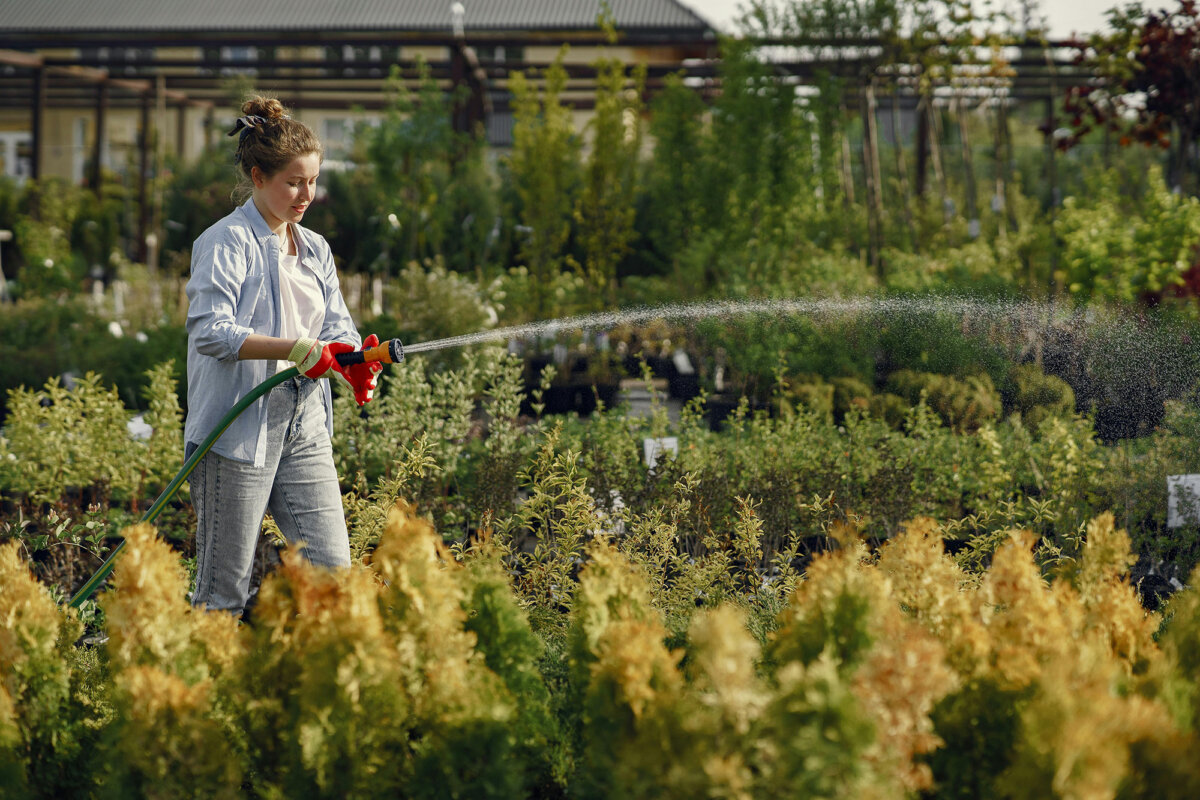
Invest in a moisture meter. The downsides of underwatering are obvious—wilted plants, stunted growth, and reduced yields—but overwatering can be just as harmful (root rot, yellowed leaves, and a decrease in veggie quality). Insert the moisture meter next to the plant, at root level, and allow it a few seconds to give an accurate reading.
Automated Option
A DIY irrigation system can become costly for a large garden, but it can also help lower the water bill as it applies water directly to the roots, reducing waste and reducing wet leaf-related diseases as well.
Another long-term investment is a shallow well pump, which can be used for hand watering as well.
__________________________
Pull, Plant, and Pick
Weeds are easier to remove now, before the roots grow stronger, and pulled weeds are less likely to spread—so it’s like pulling future weeds, as well.
Nature’s Bouquet
Plant summer-blooming bulbs—dahlias, gladiolus, lilies, begonias, and caladiums—for ongoing color. Also, plant transplants or sow seeds for cosmos, marigolds, zinnias, coreopsis, gaillardias, sunflowers, tithonias (Mexican sunflowers), and other annual flowers.
Instant Banquet
Fast-growing veggies take as little as 21 to 35 days from seed to harvest. So get those radishes and baby greens planted, and plan on succession plantings. Start the herb garden, too, in the ground or in containers.
Big Harvests Ahead
Prolific, long-season producers that take more than 60 to 90 days to mature—tomatoes, cucumbers, peppers, squash, and pumpkins—should be planted now as well. Use transplants, instead of seeds, to shorten the time to first harvest.
