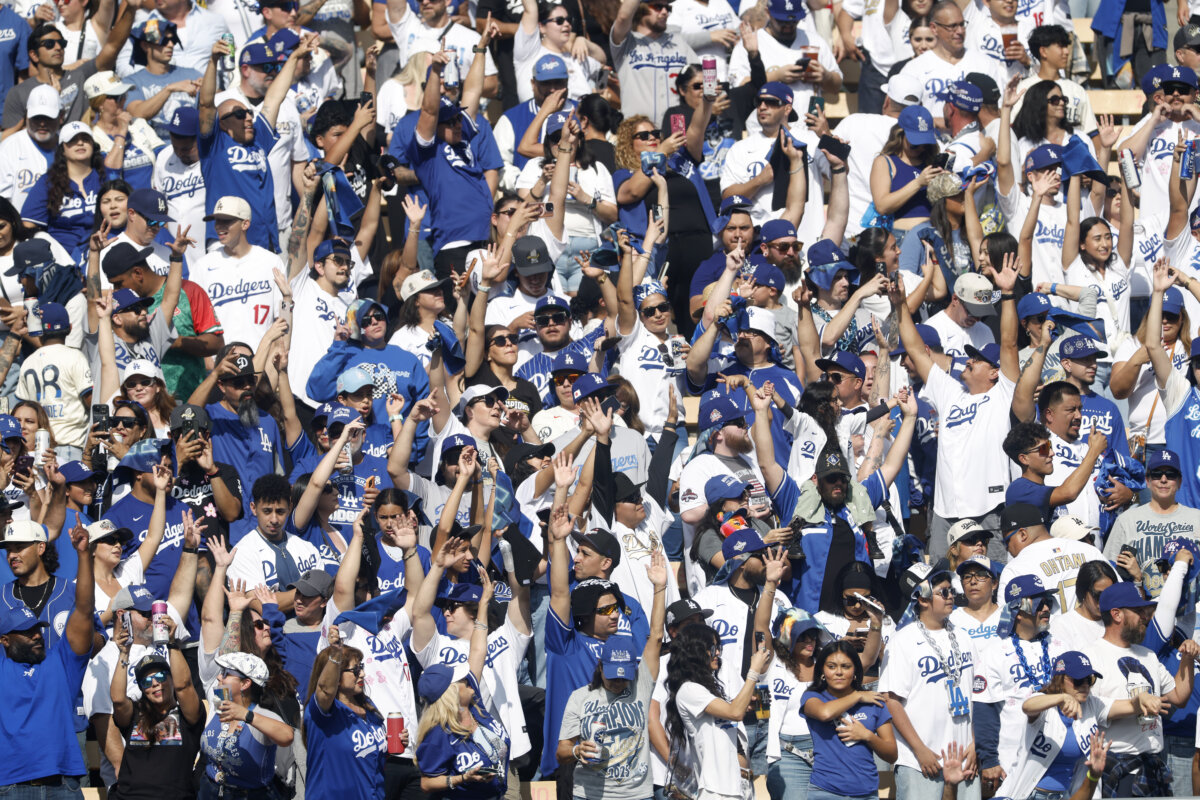
By the seventh inning of a baseball game, the ritual is nearly automatic. Fans rise from their seats, stretch stiff legs, and sing words that have echoed through American ballparks for more than a century: “Take me out to the ball game/ Take me out with the crowd.”
Even those who rarely watch baseball know the lyrics. The song has become so deeply embedded in American life that it feels inseparable from the sport itself, a melodic companion to hot summer nights, scorecards, peanuts, and ninth-inning hope.
Yet “Take Me Out to the Ball Game” was not born inside a stadium. It began in transit.
The Subway Inspiration
In 1908, lyricist Jack Norworth was riding a subway train in Manhattan when he noticed a sign advertising a game at the Polo Grounds between the New York Giants and the Chicago Cubs. According to legend, inspiration struck immediately. Norworth grabbed an envelope and began scribbling lyrics. Within hours, he had written one of the most recognizable choruses in American history: “Buy me some peanuts and Cracker Jack,/I don’t care if I never get back.”
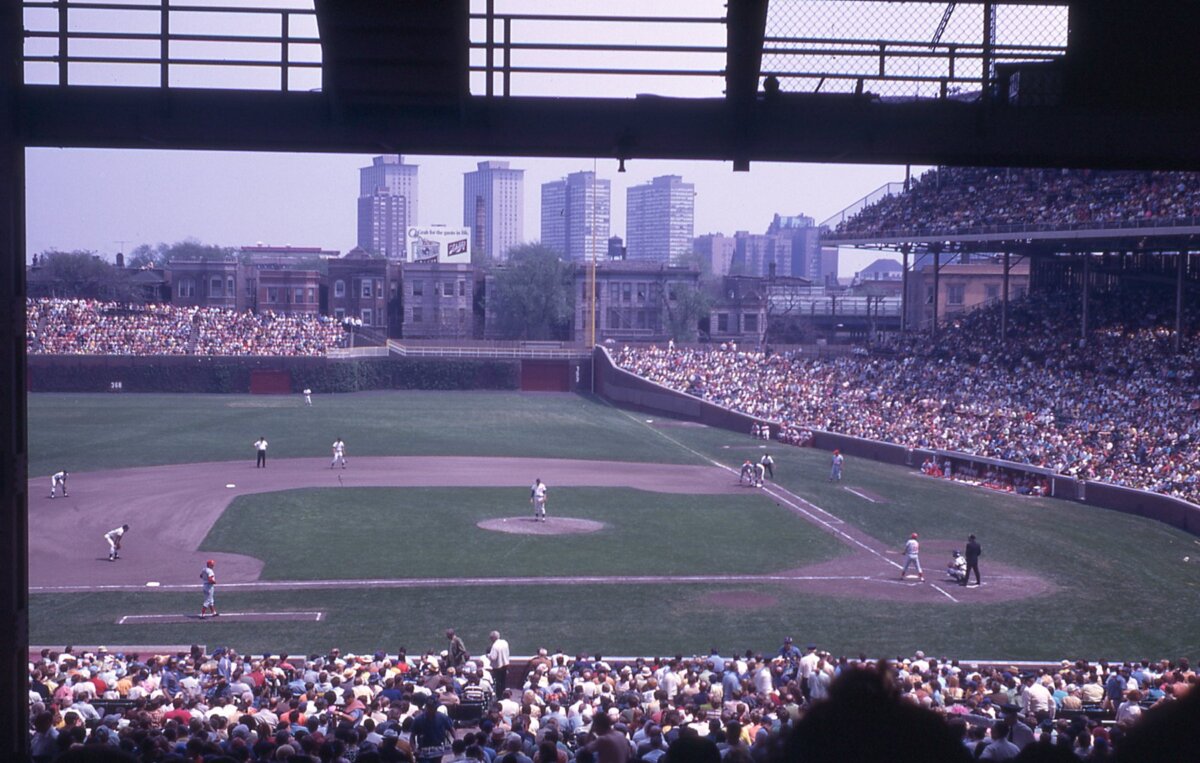
The lyrics capture something larger than baseball itself. There is little actual game action: no double plays, no strikeouts, no pennant races. Instead, the song celebrates the atmosphere—the crowd, the snacks, the communal joy of attending a game. That may explain its unusual staying power.
Norworth soon partnered with composer Albert Von Tilzer, a successful Tin Pan Alley songwriter who supplied the melody. Together, they published the song in 1908, and it quickly became a hit in sheet music form, during an era when families regularly gathered around pianos to perform popular songs.
Then came one of baseball’s favorite legends. For decades, it has been widely repeated that Norworth had never attended a baseball game when he wrote the lyrics. Historians have never settled the question, though Norworth acknowledged at the time he was not much of a baseball fan. Whether true or embellished, the story endures because it feels improbably charming: The man who wrote baseball’s anthem may have done so largely from imagination.
And yet he understood something essential. Baseball has always been about ritual as much as competition: the walk to the stadium, vendors shouting from aisles, children keeping score, fans believing this might finally be their year. “Take Me Out to the Ball Game” distilled that experience into a few memorable lines.
From Tin Pan Alley to Seventh-Inning Ritual
The song remained popular for decades, but it didn’t immediately become baseball’s universal anthem. That transformation came gradually. By the mid-20th century, teams regularly played it during games, and broadcaster Harry Caray famously helped cement its role in the seventh-inning stretch while calling games for the Chicago White Sox and later the Chicago Cubs.
Soon, it became unavoidable—and beloved. Today, the song is performed at Little League fields, major league stadiums, backyard barbecues, and nostalgic film scenes. It has survived wars, labor strikes, franchise relocations, steroids scandals, and endless debates about whether baseball remains America’s pastime. The song simply persists.

Norworth, meanwhile, lived the unpredictable life of an early entertainer. Born in Philadelphia in 1879, he built a successful career as a lyricist and performer, writing dozens of songs beyond his baseball standard. His personal life was often turbulent, with multiple marriages, including one to vaudeville star Nora Bayes.
As baseball embraced his song, Norworth embraced baseball in return, regularly appearing at events connected to the tune that made him famous.
He died in Laguna Beach, California, in 1959. By then, his legacy was secure.
Many songs attempt to capture America and fail under the weight of their ambition. “Take Me Out to the Ball Game” succeeds because it asks for very little. It celebrates no heroes and offers no grand declarations. It simply invites people to come along.
More than a century later, America is still singing.
What arts and culture topics would you like us to cover? Please email ideas or feedback to features@epochtimes.nyc