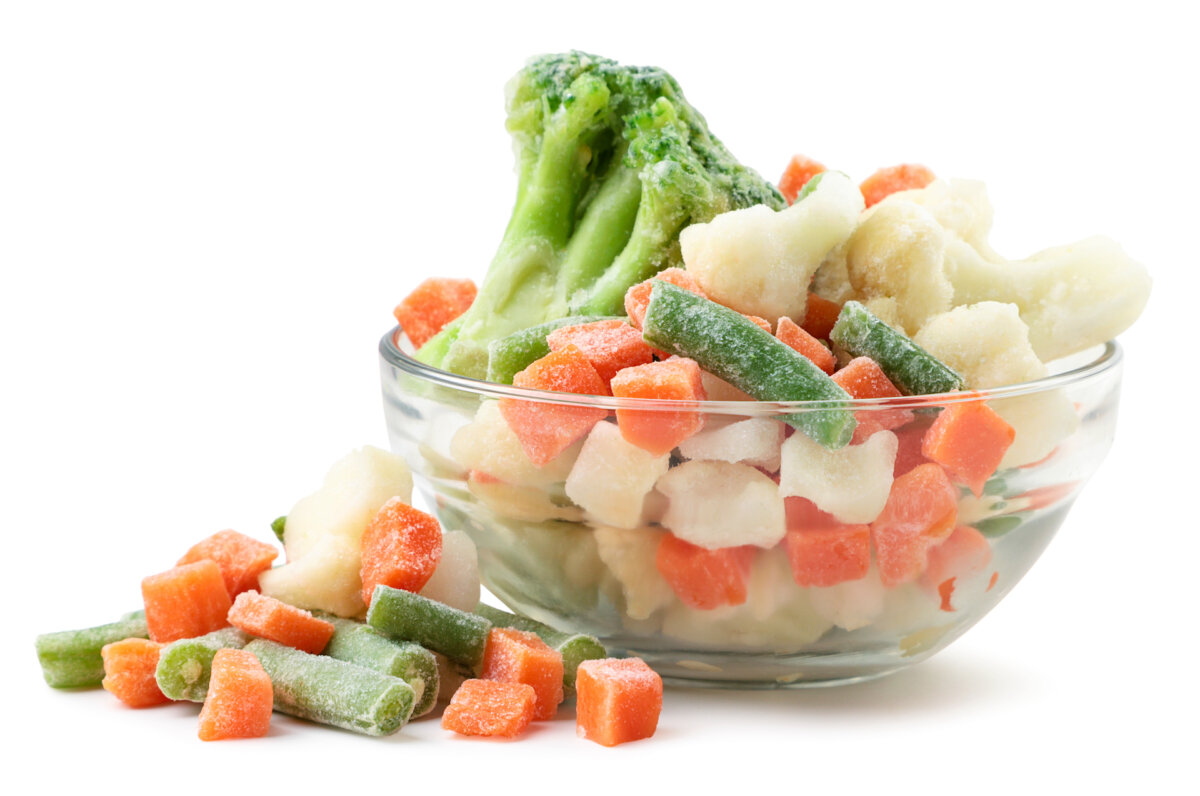
Long before frozen peas rattled in supermarket bags or fish sticks became household staples, commercially frozen food had yet to win widespread public trust. Freezing often produced disappointing texture and flavor, especially in meats and fish. Clarence Birdseye helped change that perception by developing faster-freezing methods and helping build the commercial systems that enabled frozen foods to move from experiment to everyday grocery item.
The Arctic Breakthrough
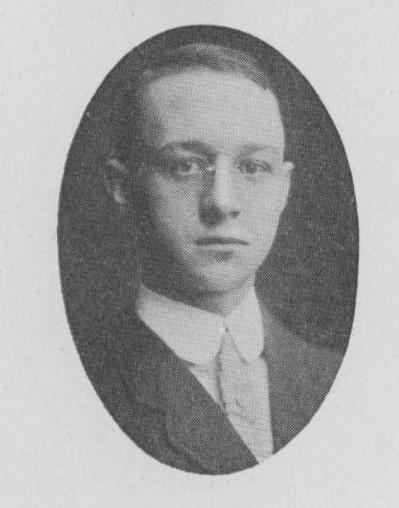
Born in Brooklyn, New York, on Dec. 9, 1886, Birdseye grew up in a middle-class family with eight siblings. From childhood, he showed an unusual fascination with wildlife and the outdoors. He practiced taxidermy as a boy, collecting and mounting small animals that he later sold to classmates and amateur collectors. He preferred field observation and experimentation to classroom study, a tendency that fashioned the rest of his career.
Birdseye attended Amherst College, where he studied biology for two years before leaving in 1908 because of financial difficulties. He never completed a degree, but his scientific curiosity remained intense. After Amherst, he worked on a series of government field assignments focused on agriculture and natural resource surveys in the American West and Canada. The work exposed him to remote environments where preserving food and transporting it over long distances posed constant problems.
The defining experience of Birdseye’s career came during extended stays in Labrador between 1912 and 1917. He worked in fur-trading and fishing operations while also conducting field observations. In the bitter Arctic cold, he noticed that fish caught through the ice and exposed to subzero air froze almost instantly, sometimes hardening within minutes. Months later, when thawed, the fish remained firm rather than mushy.
Birdseye became convinced that speed was the critical factor in successfully freezing food. He concluded that slow freezing ruptured the food’s cellular structure, leaving thawed products limp and watery. Rapid freezing created much smaller ice crystals and preserved texture far more effectively. The insight became the foundation of his later experiments and commercial work.
Building the Frozen Infrastructure
Returning to the United States, Birdseye began experimenting with freezing fish, meats, fruits, and vegetables. His early business ventures struggled. Many consumers associated frozen food with poor quality, and most grocery stores lacked dependable refrigeration equipment or freezer display cases. An early frozen-food venture failed to attract enough retailers or consumers and eventually collapsed financially.
In 1924, Birdseye founded General Seafoods Company and introduced a quick-freezing process that pressed packaged food between refrigerated metal plates. The method froze products rapidly and uniformly, helping foods maintain better texture and flavor after thawing. Others had experimented with frozen foods before him, but Birdseye helped make large-scale frozen-food distribution commercially feasible.
Freezing food was only part of the challenge. Refrigerated rail cars, insulated warehouses, and freezer cabinets all had to advance alongside the food itself. Birdseye became involved in many aspects of that expanding infrastructure, moving between laboratory experimentation and the logistics of refrigerated shipping.
In 1929, the Postum Company, later renamed General Foods, purchased Birdseye’s patents and business holdings for roughly $22 million, an enormous sum for the period. The figure included patents, equipment, and corporate assets tied to his frozen-food enterprises. Indeed, the deal reflected growing confidence that frozen foods could become a major piece of the American grocery business.
The following year, Birds Eye frozen products were introduced in Springfield, Massachusetts, in one of the nation’s first large-scale retail tests of frozen food. Shoppers encountered freezer cases stocked with frozen vegetables, seafood, and berries—still a novelty to many Americans. During the 1930s and 1940s, Americans gradually became accustomed to buying frozen vegetables and seafood as refrigeration technology improved and household refrigerators became more common.
A Devoted Researcher
Birdseye never stopped inventing. Over the course of his career, he received nearly 300 patents involving refrigeration systems, packaging methods, and industrial devices. Associates frequently described him as insatiably curious and relentless in testing ideas.
By the time Birdseye died of a heart attack in 1956, frozen foods had become embedded in everyday American shopping habits. Vegetables could be transported across long distances with less spoilage, while seafood became more widely available far from coastal regions. Birdseye did not invent frozen food itself, but he played a central role in improving its quality and commercial reliability.
Clarence Birdseye’s career combined familiar observation with experimentation. Drawing on what he had witnessed in Labrador’s severe climate, he helped develop methods that transformed how food could be preserved and distributed. Perhaps more importantly, he helped persuade skeptical consumers that frozen food could retain both taste and value.
What arts and culture topics would you like us to cover? Please email ideas or feedback to features@epochtimes.nyc