Let’s face it, in many parts of the country it’s still cold outside.
If you have noticed people wearing their parkas lately or shivering through yet another false spring, you are not alone. Fortunately, a traditional promise of summer is about to arrive in the night sky.
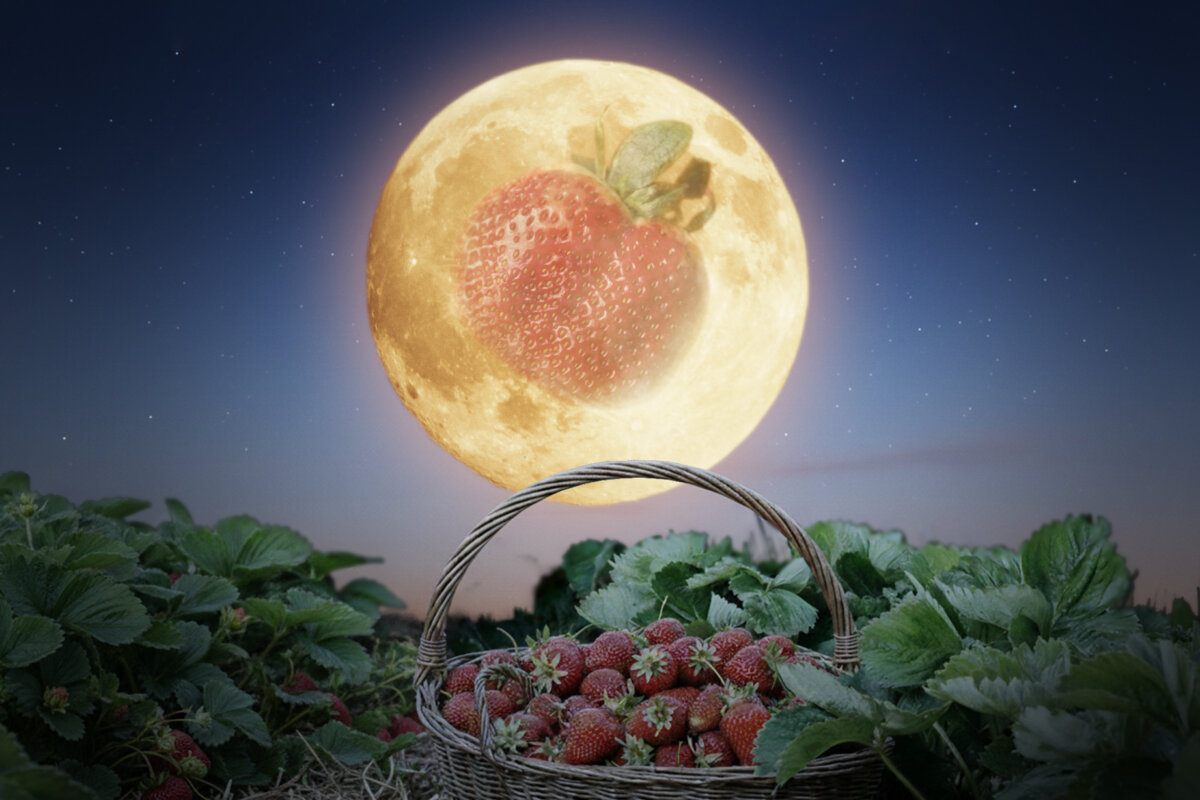
The full “Strawberry Moon” will peak on June 29 at 7:56 p.m. Eastern Time, but don’t expect it to look strawberry-pink, because it won’t. Native American tribes, including the Algonquin, didn’t name it for its color but as a seasonal marker—a signal that wild strawberries were finally ripe for picking.
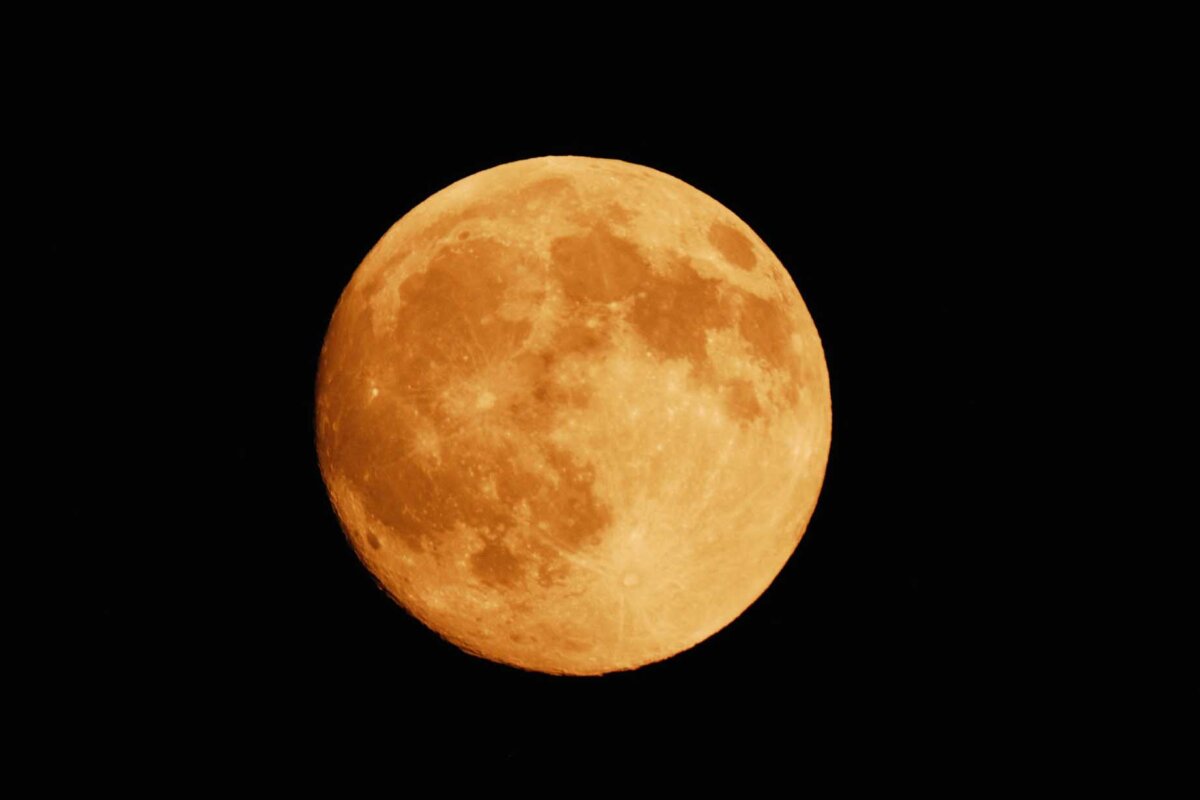
While it won’t look pink, it may take on a spectacular warm glow. This year’s full Strawberry Moon closely follows the summer solstice, so it will hug the horizon, tracing its lowest arc through the sky. Moonlight will have to travel though more of Earth’s atmosphere to reach our eyes and will thus take on a rich, honey-gold or rust-red hue. Think of it as nature’s reassurance: real summer warmth is finally on the way.
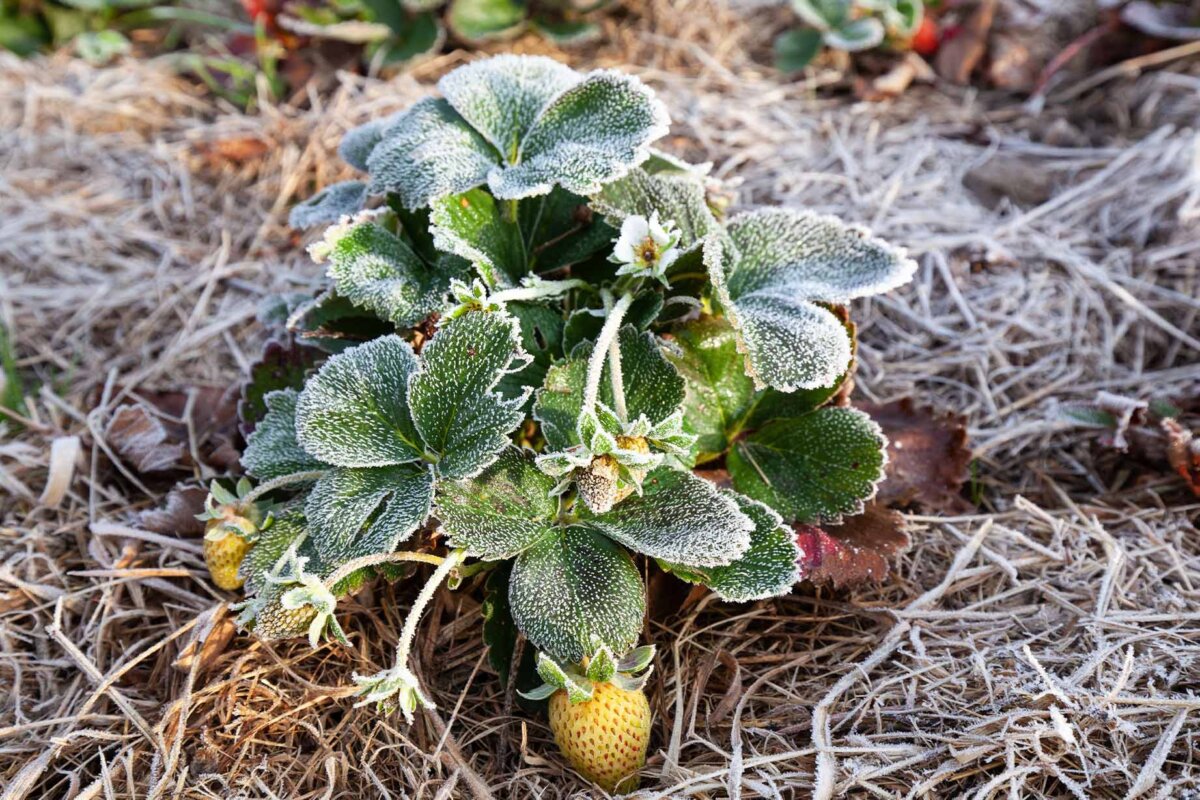
That celestial reassurance is likely welcome news for actual strawberry farmers. Across the country, unseasonable cold snaps have hit crops hard—forcing northern orchards to cancel annual berry festivals due to ruined blooms, and southern growers to tent up their fields against late freezes. It is a stark reminder of how closely our lives remain tied to the whims of the seasons.
But we aren’t the only ones looking to June’s full moon for a shift in seasons. Cultures worldwide use this exact lunar milestone to mark summer’s arrival.
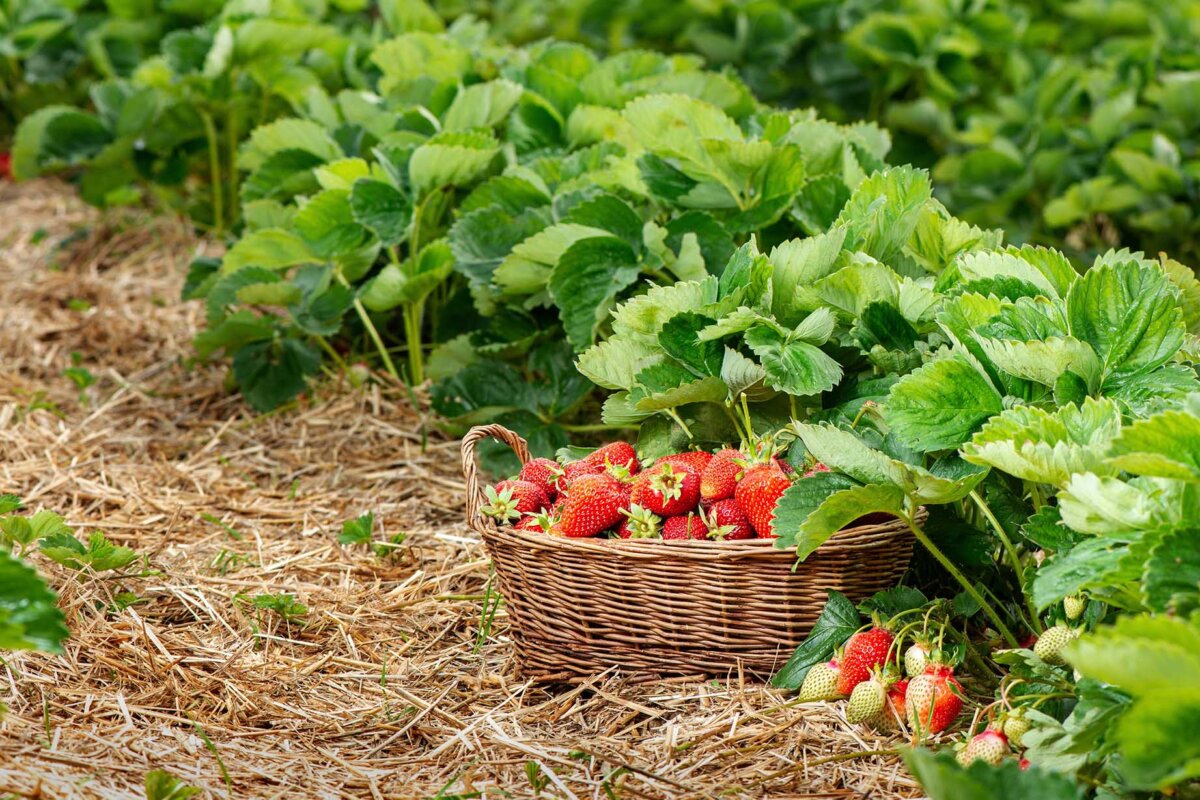
Strawberries are widespread throughout the lower 48 states, and June is when they reach peak ripeness. Noting this seasonal sign, the Algonquin tribe honored its June strawberry harvesting season with its own moon. Names like the Strawberry Moon, and others in the native lunar calendar, were later recorded by early colonial explorers like Johnathan Carver, and we still use them today.
If you search the rich cultures of our world, you are bound to uncover a treasure trove of additional June moon names. In North America, Cree tribespeople have called it the “Egg Laying Moon” or “Hatching Moon,” noting the time when baby birds were born. This was also the time when they tended young crops, leading the Cherokee to call it the “Green Corn Moon.” And of course, the list proliferates almost forever.

In China and ancient Europe, the name “Lotus Moon” arose from Chinese culture and “Moon of Horse” from the Celts. In the Southern Hemisphere, where the seasons are reversed, they invented chilled-out names like the “Long Nights Moon” and “Cold Moon.”
Sometimes entire celebrations or ceremonies revolved around this moon. In Sri Lanka, it marks Poson Poya, a national festival celebrating the introduction of Buddhism to the country. Meanwhile, European traditions dating back to the 1500s call it the “Honey Moon” or “Mead Moon,” named for the sweet summer honey harvest. So it’s no coincidence that June remains the most popular month for weddings—giving us the phrase “honeymoon.”
In modern times, NASA scientists even dubbed June’s full moon the “LRO Moon,” honoring the launch of the Lunar Reconnaissance Orbiter in 2009.
So, whether you are waiting for the local berries to ripen, planning a summer wedding, or just hoping to finally turn down your thermostat, look to the sky on June 29. Summer is officially on the way.