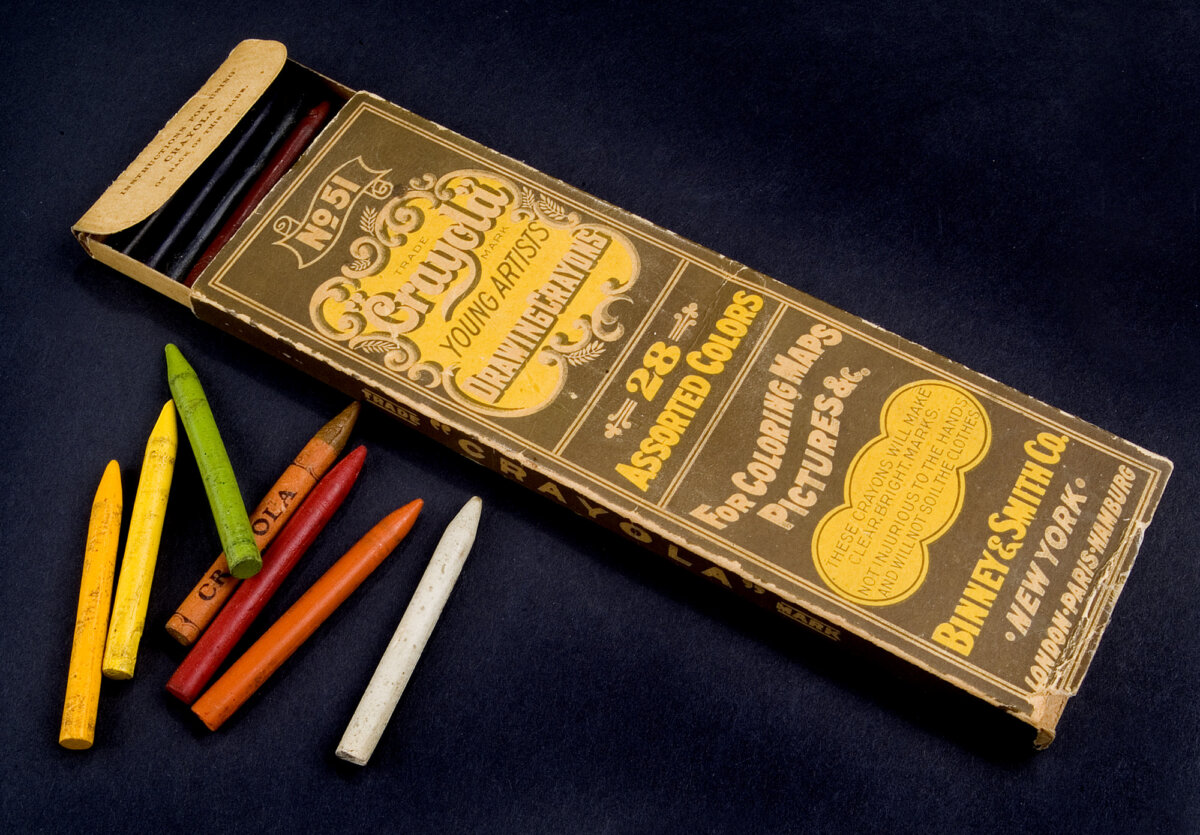
Close your eyes and smell a crayon. Something happens. It is not quite nostalgia and not quite memory but something closer to both: a direct line back to a particular age, a particular table, a particular blank page.
Few manufactured objects have ever earned that kind of hold on a person. But the crayon’s story stretches back thousands of years, long before a box of eight colors could be bought at a corner store for 5 cents.
The Ancient Roots of Wax and Color
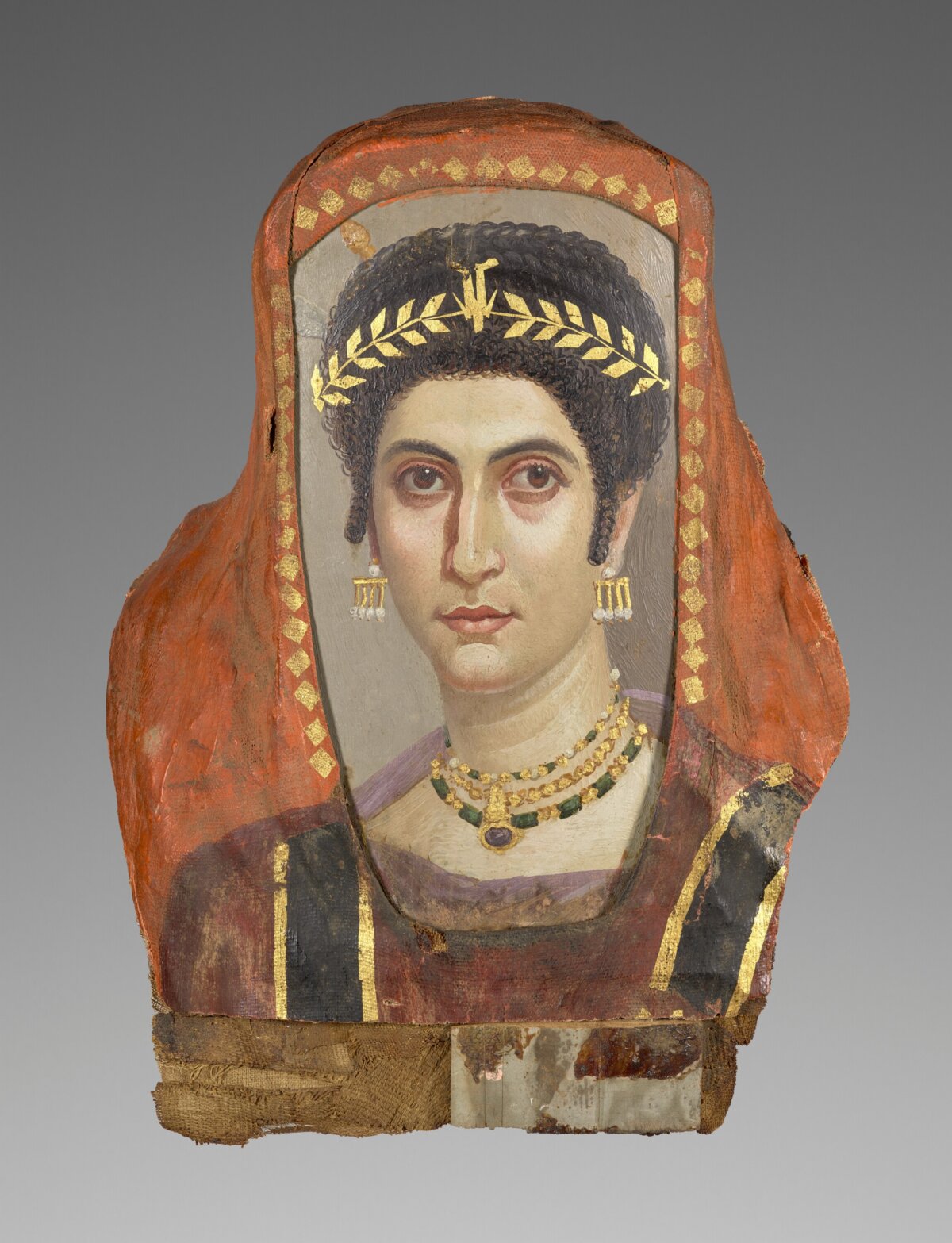
The idea of binding pigment with wax is ancient. Encaustic painting, which combined hot beeswax with colored pigment to fix images onto stone, dates back at least 2,000 years. Some of the oldest surviving examples are the Egyptian Fayum portraits created during Roman rule between A.D. 100 and A.D. 300, their colors still vivid today. Variations of the encaustic method have appeared independently across cultures, including among indigenous people in the Philippines. The fundamental principle, that wax could carry and preserve color, was already well understood long before anyone thought to sell it in a box.
The more immediate ancestors of the modern crayon emerged in Europe. Some of the earliest cylinder-shaped drawing sticks were made from charcoal and oil. Pastels, which share roots with the crayon, trace their artistic lineage to Leonardo da Vinci in 1495. The Conté crayon, developed in Paris in the late 1790s, was a hybrid of pastel and conventional crayon used by artists for drawing and became a staple of academic studios. French lithographer Joseph Lemercier produced a range of crayon and color products through his Paris business around 1828. By the early 19th century, manufacturers on both sides of the Atlantic were experimenting with wax as a substitute for oil, finding that it made crayons harder and more durable.
By the 1870s, wax crayons were being sold in the American market, but they were factory instruments, not art supplies. They came only in black and were made from toxic substances, designed for marking crates and barrels rather than for classroom use. As public schools expanded in the late 19th century, the problem became harder to ignore. The crayons available to children were thick, hard to grip, and loaded with dangerous pigments like lead or mercury. They were industrial tools dressed up as art supplies, unsuited for small hands learning to draw a house or a sun. Someone, eventually, would have to build a better crayon.
Thinking Outside the Box
Two cousins from New York saw the problem and set out to fix it. Edwin Binney and C. Harold Smith, born six years apart in the 1860s, shared a passion for chemistry and business. That combination proved useful when Binney’s father, Joseph, stepped away from the Peekskill Chemical Company he had founded, leaving the cousins to take it over, forming the company Binney & Smith.
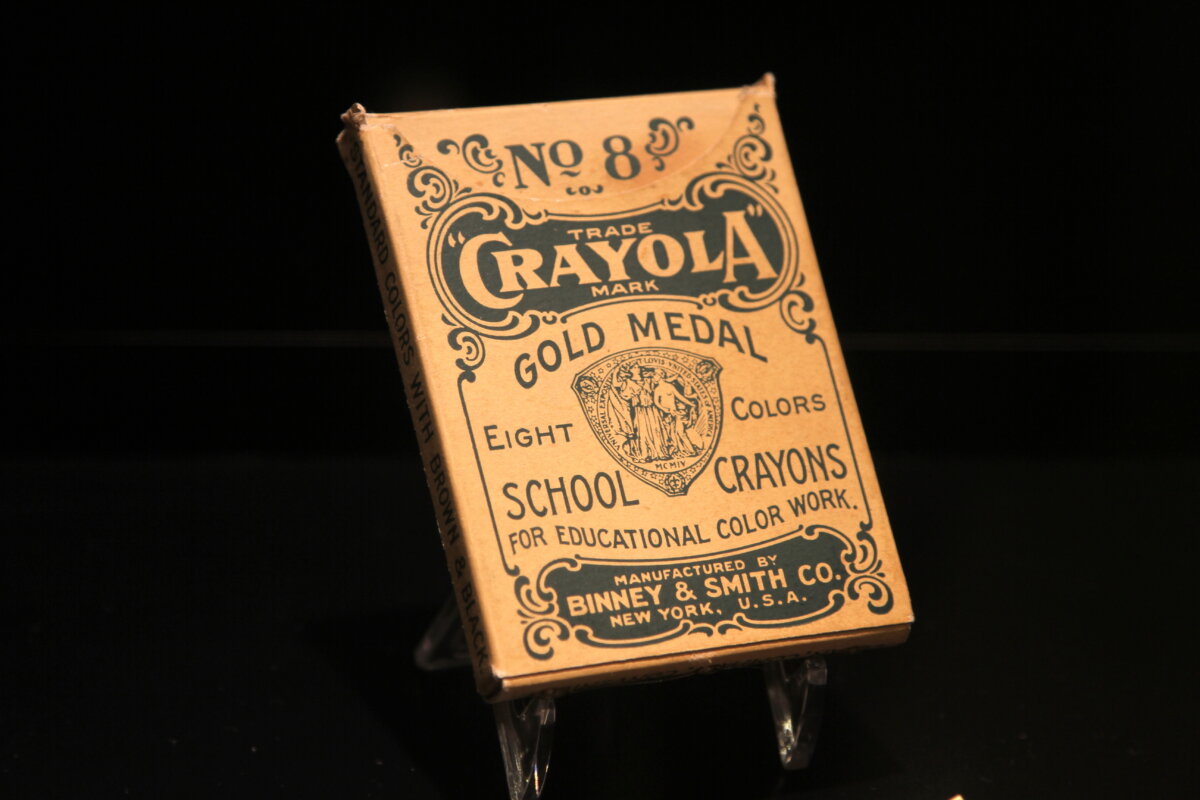
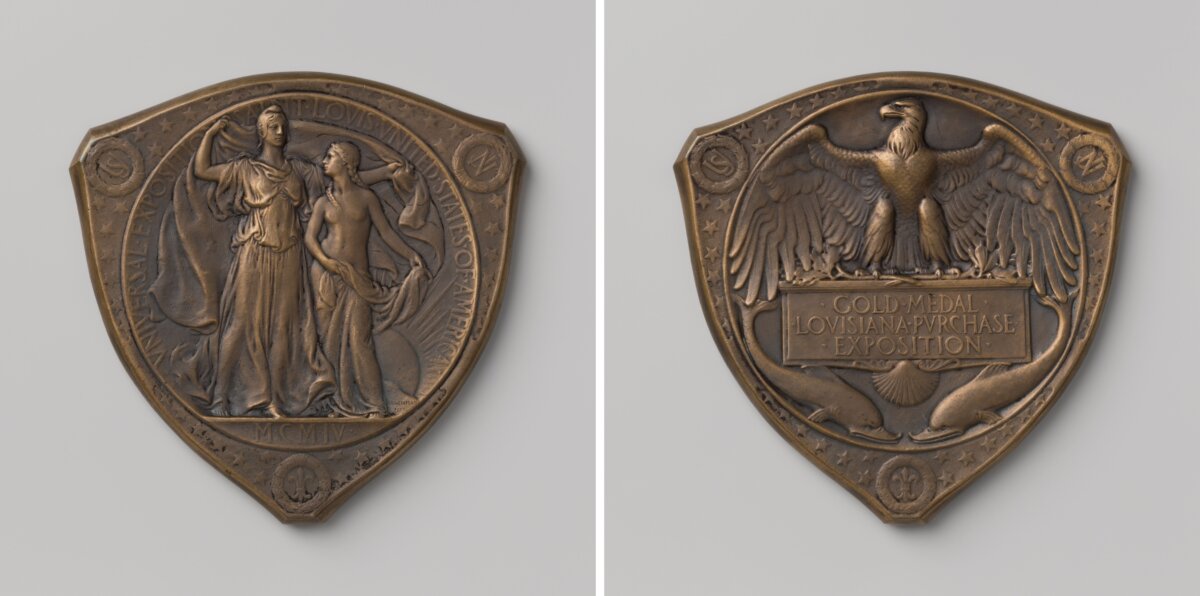
When they began in 1885, their work was unglamorous. At first, the company produced black and red pigments for coloring tires and barns. The cousins later expanded into shoe polish and ink. Smith, who earned the nickname “The Carbon King,” was known throughout the business world for his technical knowledge and his knack for forging relationships across continents. Binney, meanwhile, was the tinkerer, the experimenter. Around 1900, while working with slate waste, cement, and talc, he developed the first dustless white chalk. The invention won a gold medal at the 1904 World’s Fair in St. Louis, which is why that same medal appears on Crayola packaging to this day.
That chalk changed everything. For the first time, Binney and Smith were not just selling to industry; they were selling to schools. Selling pencils and chalk to schools gave them a direct window into classrooms, and what teachers told them was urgent: Children needed something to color with that was affordable, manageable, and safe. The crayons on the market failed on all three counts. The cousins had already been developing a wax crayon for factory use. They looked at what they had and asked a different question: What if they made it for children instead?
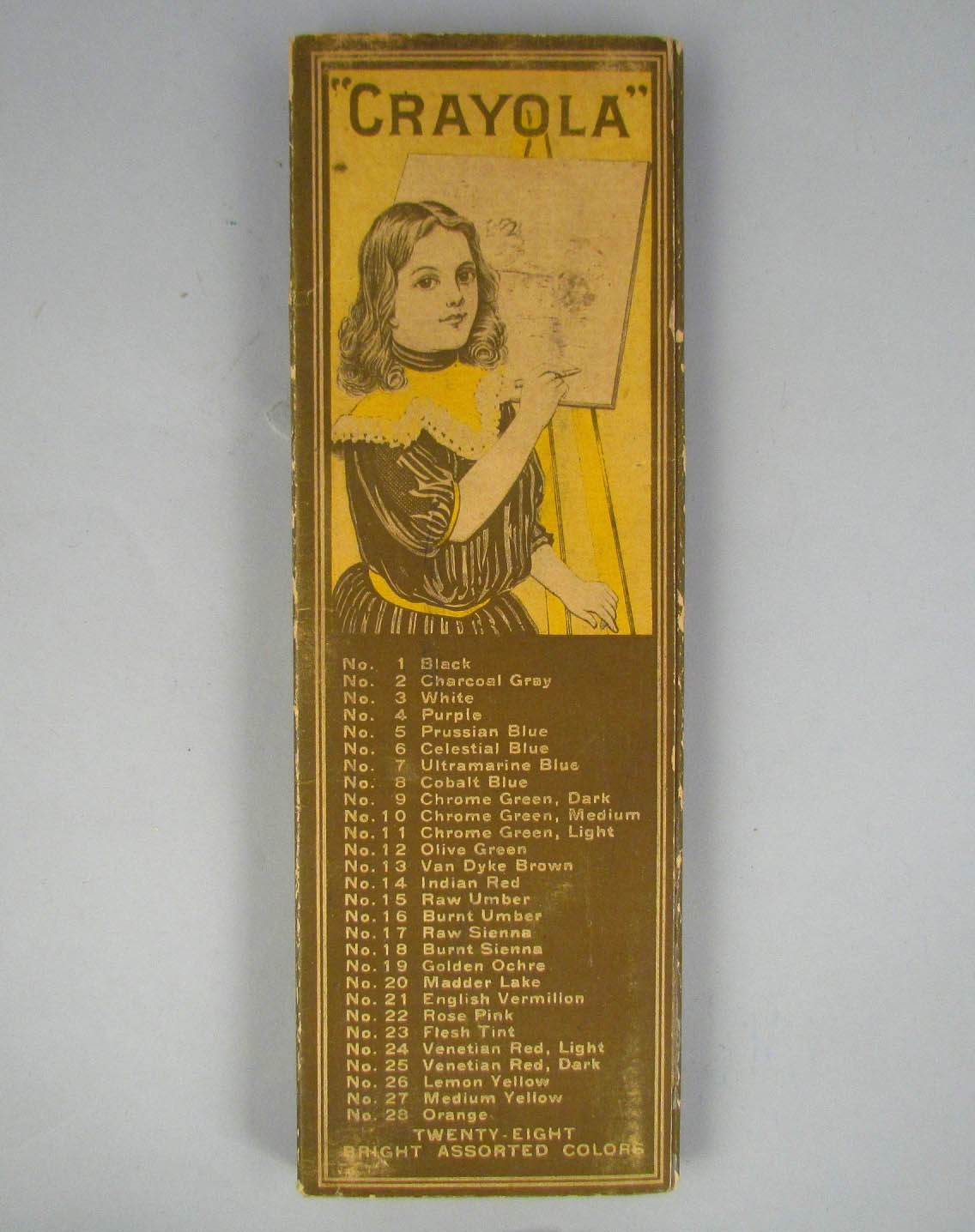
The answer required more than reformulation. They had to rethink the pigment, the wax, and the product’s philosophy. Working in small batches, the cousins blended paraffin wax, talc, and non-toxic pigments into something new: a crayon that was smooth, safe, and wrapped in a labeled paper sleeve a child could actually hold. Binney’s wife, Alice, coined the name. She combined “craie,” the French word for chalk, with “ola,” drawn from “oleaginous,” meaning oily, a nod to the wax itself. The name Crayola wrote itself.
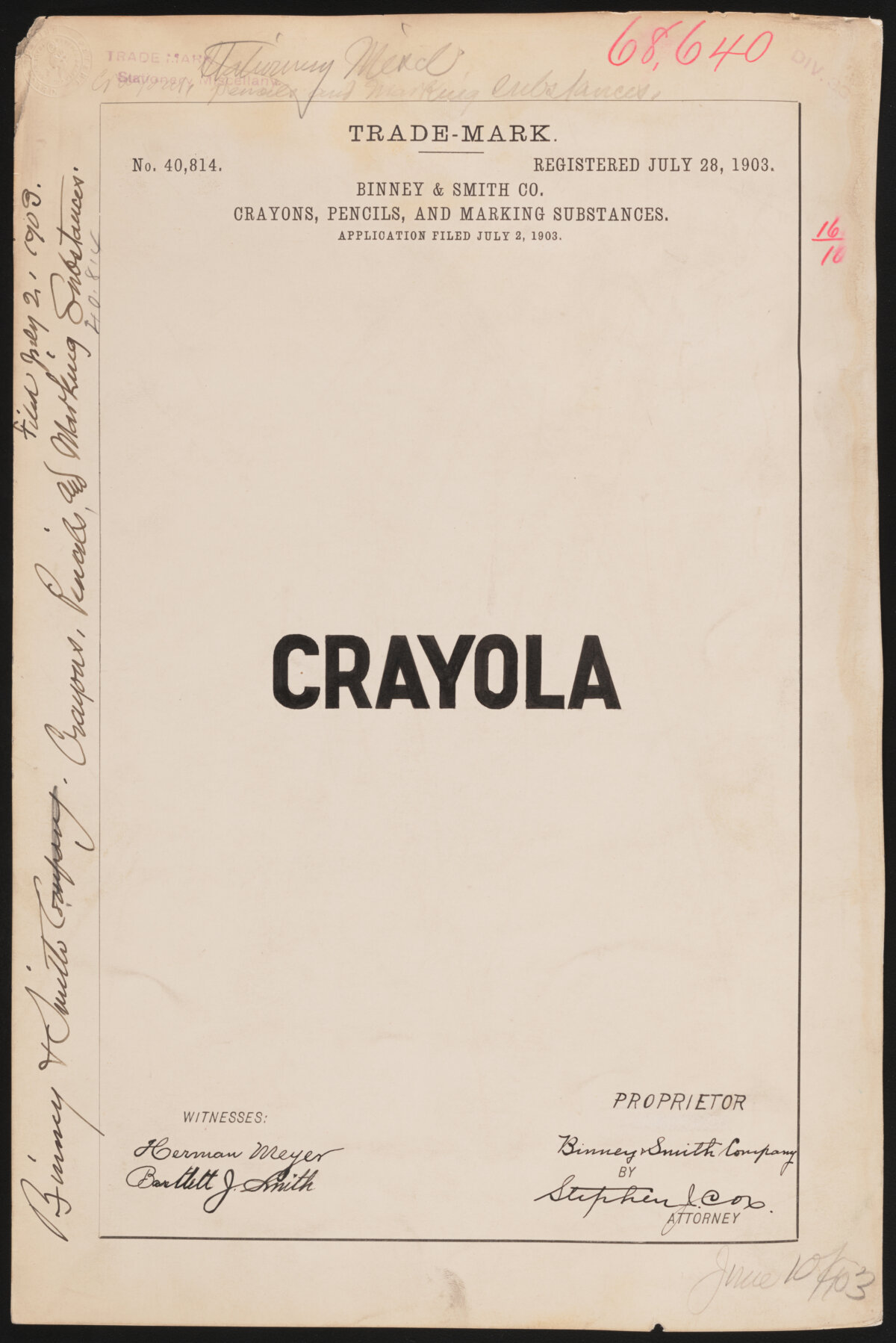
In 1903, the first eight-pack went to market—red, orange, yellow, green, blue, violet, black, and brown—at 5 cents a box. The original packs were sold door-to-door. There was no machinery to wrap the labels, so for the company’s first 40 years, the work was done by hand. Farm families in the area around Binney & Smith’s Pennsylvania operations would roll and label crayons at home, each family often associated with a particular color. During the Great Depression, this arrangement became a genuine lifeline, helping rural households supplement their income during the hardest years.
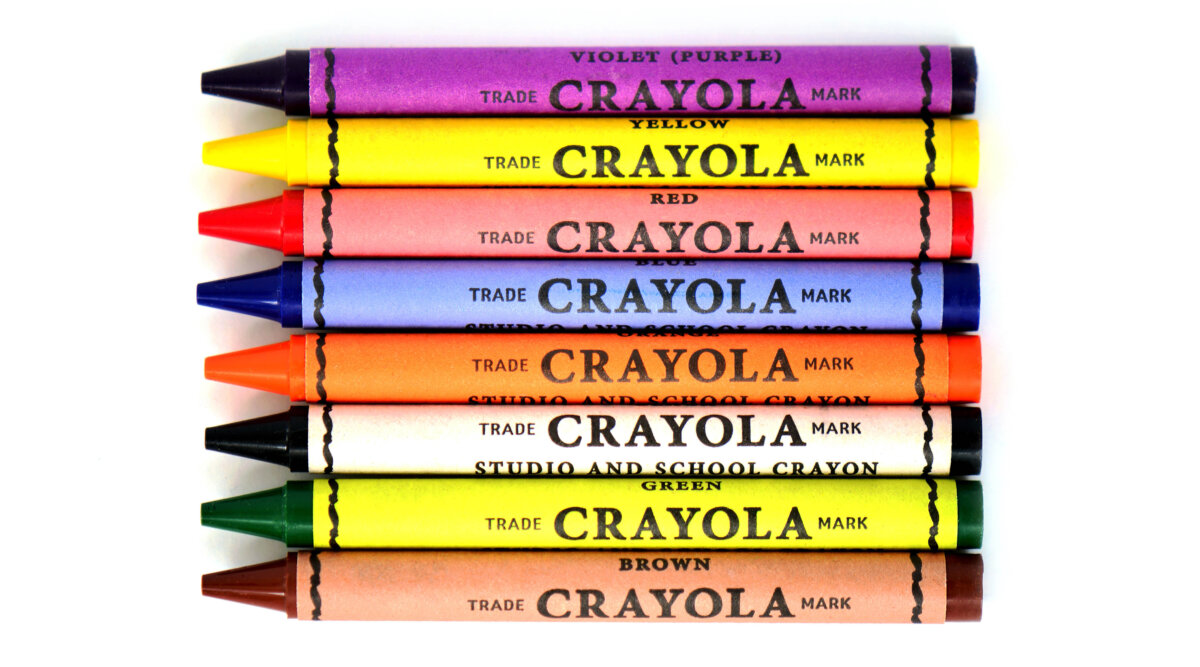
What Binney and Smith had created was, on the surface, a simple product. Eight sticks of colored wax. But the simplicity was the point. They took a material that existed only in industrial contexts and made it clean, cheap, and childproof. They listened to teachers, and the teachers were right. The crayons sold, and they kept selling. What started as a practical solution to a classroom problem became something more than a coloring utensil. It became a fixture of growing up.
More Than a Box of Eight
The cultural weight Crayola eventually acquired was not something the cousins could have anticipated. Smith, who died in 1931, was a man of wide interests beyond business: He traveled extensively, wrote philosophical books and an autobiography, and engaged in philanthropy through civic organizations in New York. Binney, who died in 1934, left behind an invention that would outlast any reputation he had built in industrial pigments.
Together, they solved a narrow, practical problem. In doing so, they handed the world a new creative vocabulary, one measured not in technical innovation but in the number of children who picked up a yellow crayon and drew something that had never existed before.
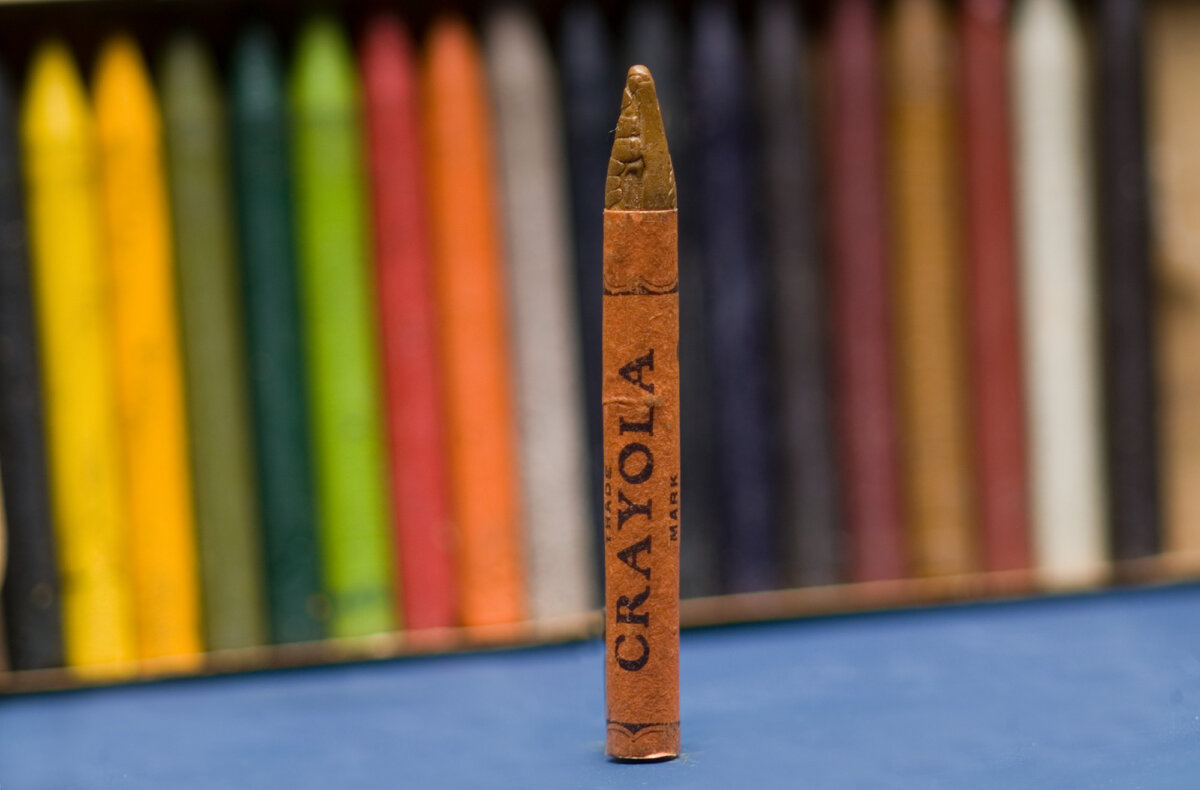
The Crayola line has grown to more than 120 colors. Over 100 billion individual crayons have been made since 1903. To mark their centennial in 2003, Binney and Smith’s successors invited children across the country to donate their blue leftolas, or used crayon nubs. From the roughly 123,000 crayons collected, Crayola melted and molded them into Big Blue, a behemoth stretching 15 feet in length and weighing over 1,100 pounds. That the commemorative crayon was blue was no coincidence: It has long been Crayola’s best-selling color.
Big Blue now sits on permanent display at Crayola Experience in Easton, Pennsylvania, a monument to a product that has spent more than a century refusing to be forgotten. None of that would exist without the decision two cousins made at the turn of the 20th century to take their factory crayon, strip out the toxins, and put it in the hands of a child at a price any family could afford.
What arts and culture topics would you like us to cover? Please email ideas or feedback to features@epochtimes.nyc.