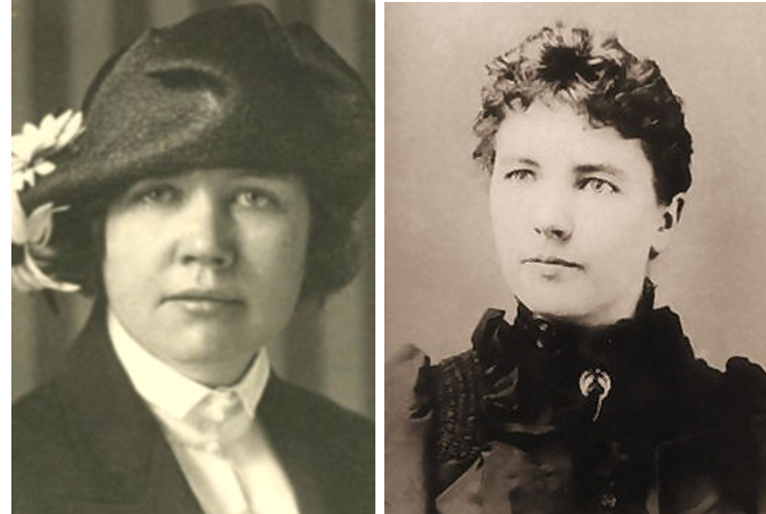
The idea that a famous author’s works may have been secretly penned by another individual is intriguing enough to inspire theories and analysis. It’s especially thought-provoking when the ghostwriter may have been a close relative of the author in question.
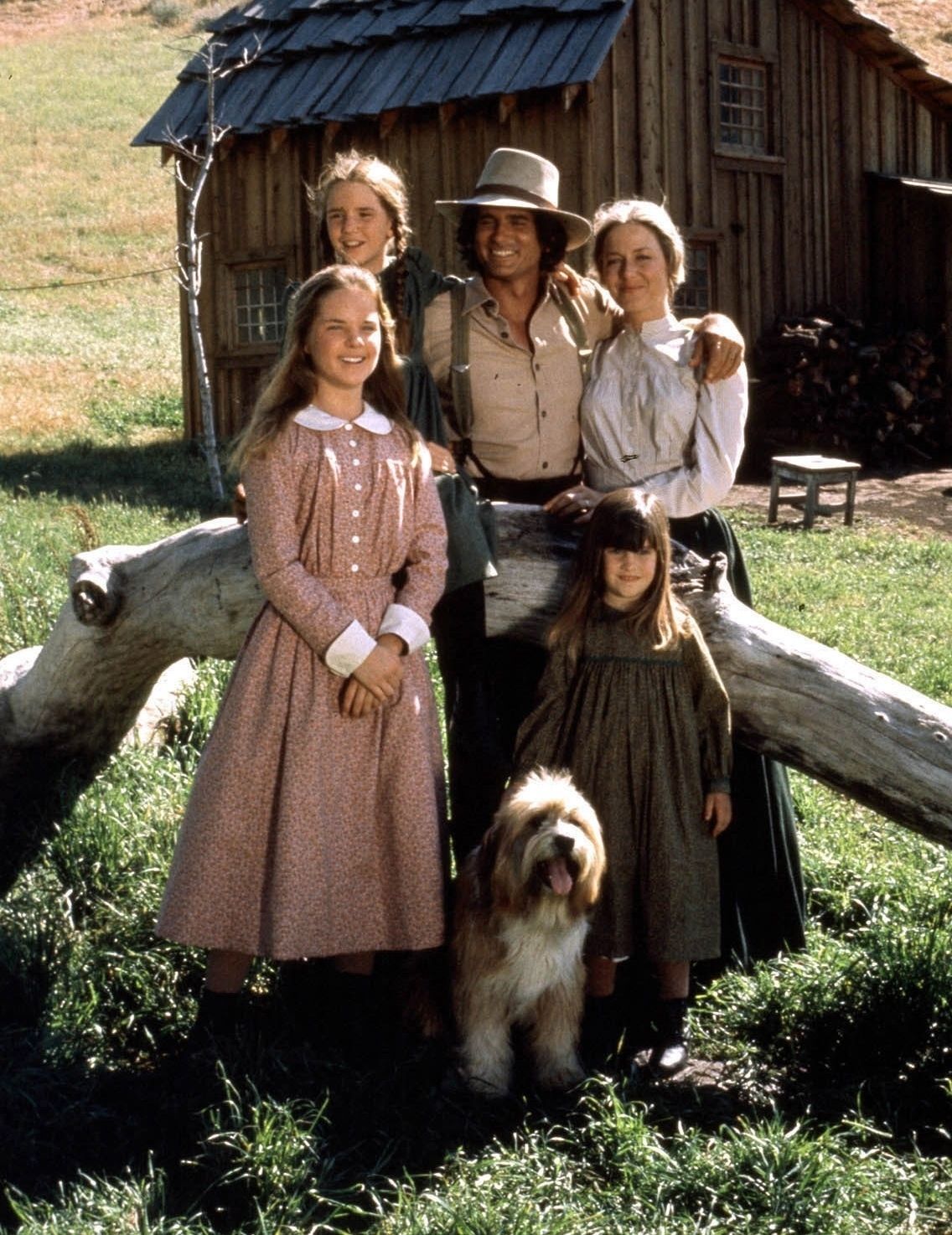
One of America’s most beloved children historical fiction writers is Laura Ingalls Wilder (1967–1857). Through her “Little House on the Prairie” series, she inspired deeper understanding and appreciation for the struggles and joys of pioneer life in the 19th century. Her stories reached a wider audience when they were adapted into a popular television series in the 1970s and 1980s.
However, some have asserted that Wilder’s writing was heavily edited if not largely ghostwritten by her daughter, Rose Wilder Lane (1886–1968). As a prolific writer herself, Rose definitely encouraged her mother’s literary pursuits. Did she do more than just encourage, though?
A Prairie Daughter
Rose Wilder was born on Dec. 5, 1886, just north of De Smet in the Dakota Territory. She was the first child of Laura and her husband, Almanzo Wilder, born a year after their marriage. Their only other child, a son born in 1889, died at just 12 days old, so Rose was the couple’s only child who lived to adulthood.
Her early days are loosely detailed in her mother’s posthumously published book “The First Four Years,” which details the Wilders’ early marriage. During Rose’s childhood, the Wilders moved frequently, spending time in Minnesota, Florida, and Missouri. Dealing with financial reverses, illness, drought, and economic collapses, they eventually settled in Mansfield, Missouri, on a homestead they called Rocky Ridge.
Rose didn’t inherit her parents’ pioneer spirit. She hated the hardship of her upbringing and longed for a better education and more opportunities. She respected their resilience, though, later recalling:
“My father and mother were courageous, even gaily so. They did everything possible to make me happy, and I gaily responded with an effort to persuade them that they were succeeding. But all unsuspected, I lived through a childhood that was a nightmare.”
She finally got a taste of something besides prairie life when she went to live with her paternal aunt to go to high school in Crowley, Louisiana. She excelled at Latin before graduating in 1904, but her family’s finances prevented her from continuing her education at college. Instead, she took a series of odd jobs, mainly as telegraph operator from Kansas City to California.
Marriage and Writing
Rose eventually settled in San Francisco, where she became a newspaper reporter; there, she married fellow writer and traveling salesman Claire Gillette Lane. Their marriage lasted for nine years and wasn’t particularly happy. The couple struggled financially as they moved frequently; both sold real estate, which Rose proved to be better at doing.
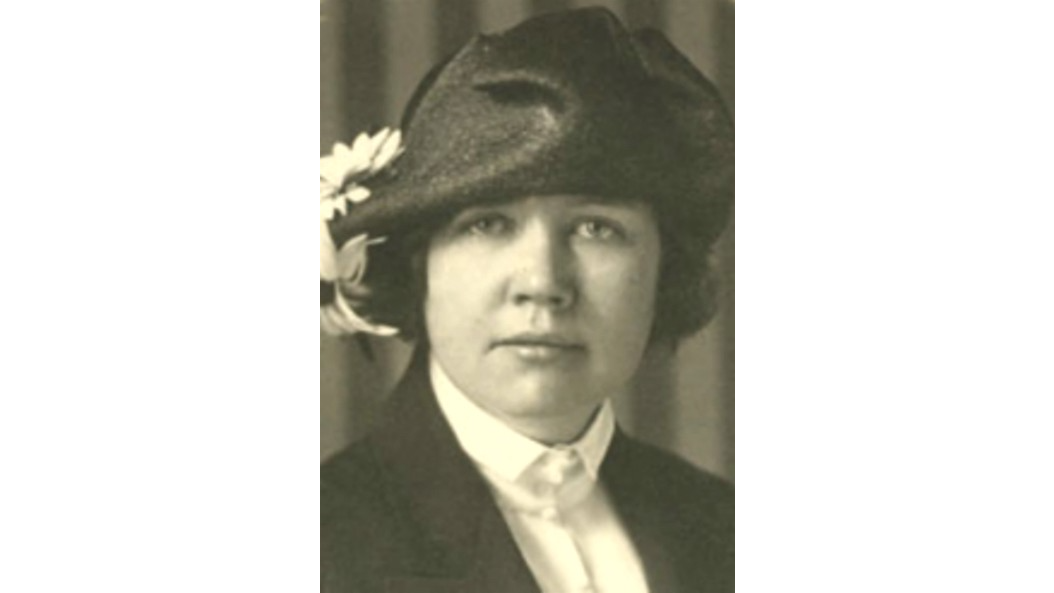
They had one child, who was stillborn. A surgery shortly thereafter left Rose unable to bear future children. After they amicably divorced in 1918, Rose kept the surname Lane for the rest of her life, perhaps because she’d developed her writing career thus far under that name.
Her writing career began in 1908 with a move to San Francisco. She started writing for the San Francisco Call. As she traveled around the country with her husband, she wrote a series of news stories for various publications. One was her story for The Kansas City Post about a “comet egg” with a 10-inch-long tail.
She finally got a steady writing job as editorial assistant at the San Francisco Bulletin in 1915. Here, she displayed her talents for writing serious journalism. She also ghostwrote and edited other authors’ work.
For the Bulletin, she wrote serial biographies of important contemporary Americans. These were truthful enough to get her in hot water with several of the subjects or their relatives. She also wrote a serial called “The City at Night,” which brought her career-minded heroines into San Francisco’s darker alleys.
Travel Abroad
In the 1920s, Rose traveled the world as a freelance foreign correspondent, working for the Red Cross Publicity Bureau, Near East Relief, and other outfits. While in Europe and the Middle East, she encountered wars, genocides, refugees, many religions and political ideologies. She had the sort of adventures her countrywomen back home could only imagine.
Rose moved away from the socialist and communist values she held in the 1910s upon seeing them enacted in Bolshevik Russia. In 1936 she wrote the polemic “Credo,” which was later distributed as the pamphlet “Give Me Liberty.”
In her later years, she became a fierce opponent of any political group which encroached on personal freedom, as she explained in her column for the Pittsburgh Courier in the 1940s:
“There’s nothing negative in my opposition to socialism, whether it’s international (Communism) or national (Nazi, Fascist or New Deal). … I am for the capitalist society in which a penniless orphan, one of a despised minority, can create The Pittsburgh Courier and publicly, vigorously, safely, attack a majority opinion.”
Ghostwriter
In his biography of Lane, “The Ghost in the Little House: A Life of Rose Wilder Lane,” William Holz boldly asserted that Rose edited her mother’s famous “Little House” series to the point of ghostwriting.
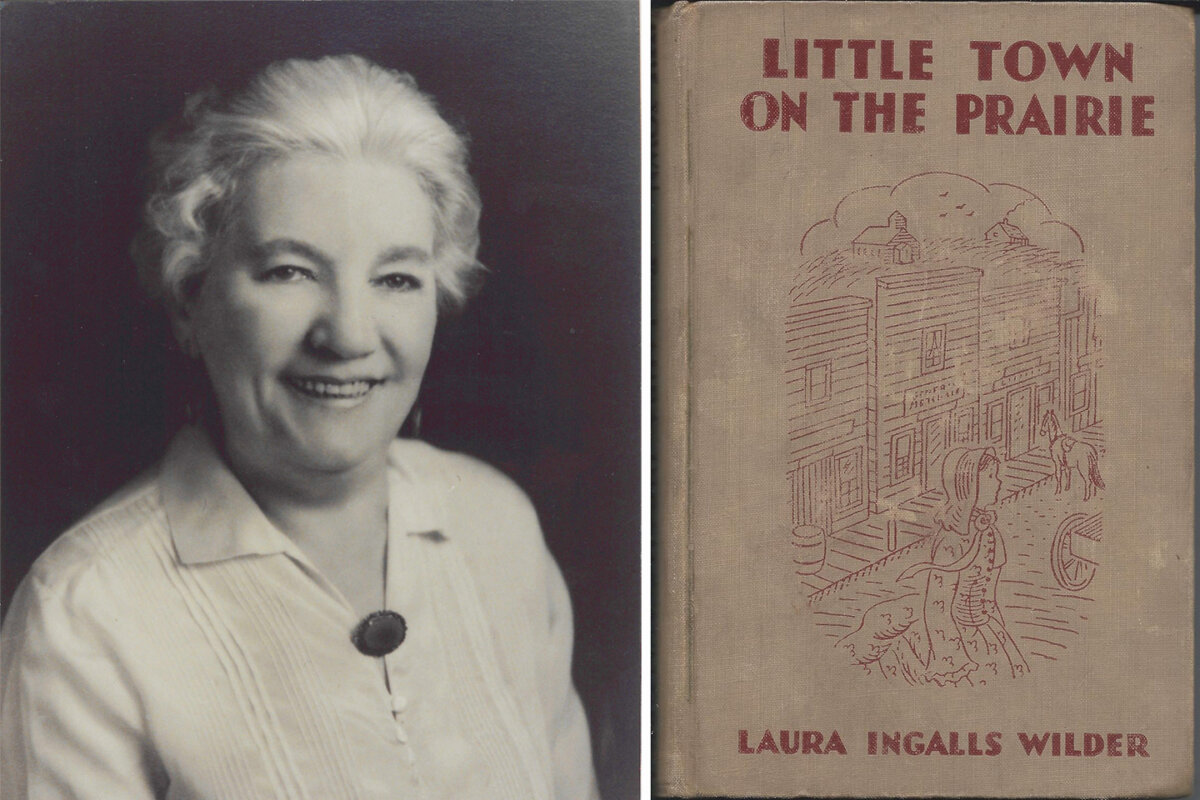
Holz insists that Rose deserves to be considered co-writer rather than just editor. Many have used his investigative journalism as proof that Laura had no right to claim authorship of those stories. The truth is much more nuanced than that.
Although not as experienced as her daughter, Laura was a published columnist years before writing the first draft of her memoirs, “Pioneer Girl.” Letters between mother and daughter show that Rose encouraged her mother to purchase her first typewriter and become a columnist.
Newspaper Writer
Rose was just beginning to see the earning potential in newspaper writing. She introduced her mother to several publishers over the years, and she encouraged Laura to write the stories of her childhood for years.
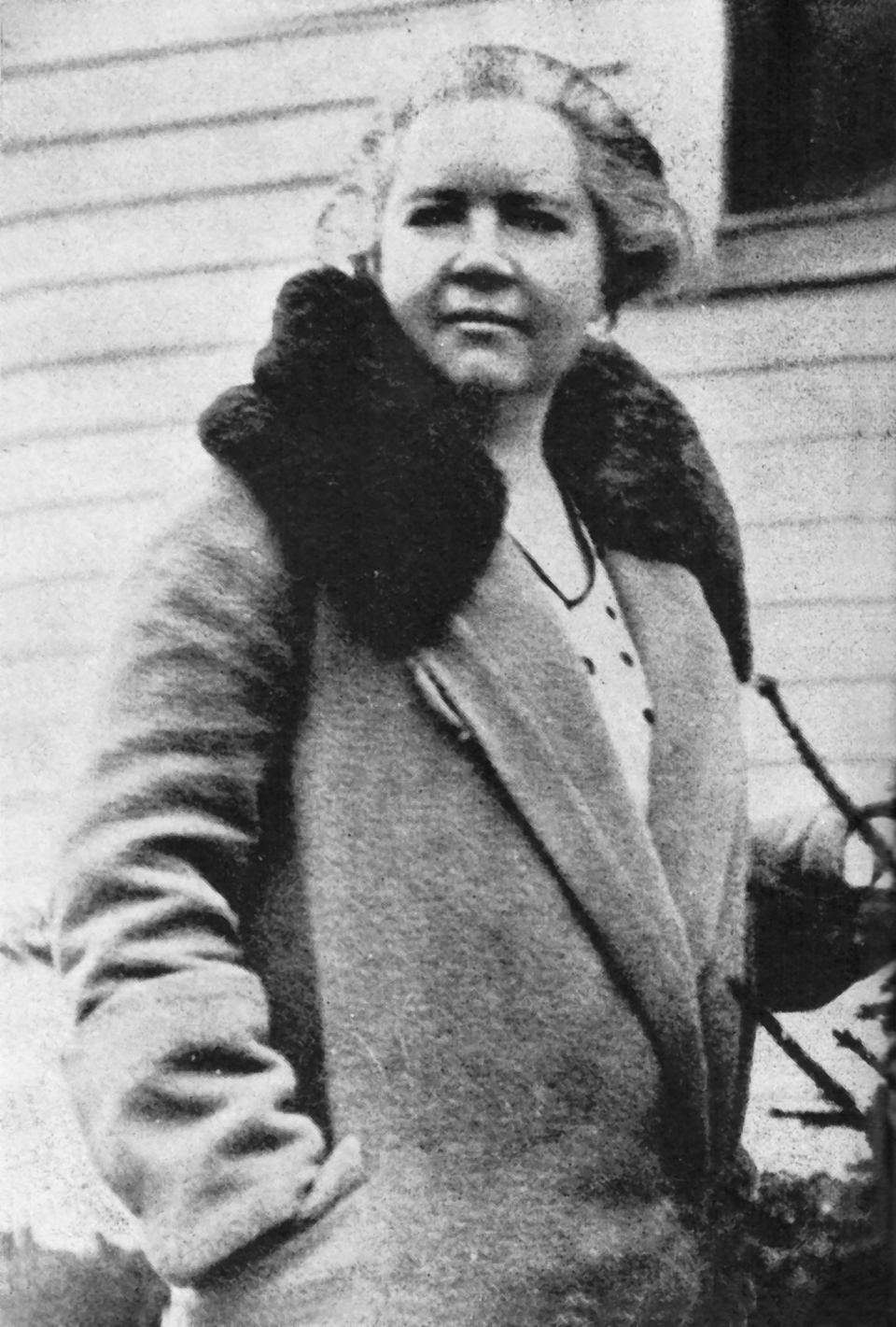
Financial necessity eventually proved the catalyst for Laura to write (or complete) “Pioneer Girl.” The Great Depression had wiped out the resources of both Rose and her parents. Rose spent her whole career torn between writing “something that says what I want to say” and penning the serials and stories that made money. When Laura’s “Pioneer Girl” was rejected, Rose’s editorial eye was no doubt essential in turning the single-volume into the multi-novel series of children’s tales. They were an instant hit.
The same year that the second book in the series, “Farmer Boy,” was published, Rose wrote her own pioneer novel, “Let the Hurricane Roar.” She drew on her own Dakota childhood as well as the experiences of her maternal grandparents.
She crafted a compelling adult book about homesteaders whose crops are destroyed by a swarm of locusts. She followed it with a second Dakota novel in 1938, “Free Land.” Although they achieved neither the success nor the enduring popularity of the “Little House” series, these two novels cemented Rose alongside her mother as a foremost figure in the emerging pioneer literary genre.
Rose’s story is one of rebellion and return. She was the prodigal daughter who had to leave home, travel the world, struggle with depression, experience poverty as well as prosperity, and see foreign ideology in real life to realize that the greatest truth she could ever find was back home. When she returned to her parents’ homestead and recalled the stories of her childhood and the American ideals of capitalism, the pioneer spirit of self-reliance emerged and she truly found herself.
What arts and culture topics would you like us to cover? Please email ideas or feedback to features@epochtimes.nyc