



The words “hurricane season” get a wide variety of responses, from outright panic to “Ha! Survived the big blow of [fill in a year]; everything will be fine.” The truth is somewhere in between.
Unlike earthquakes and tornadoes, hurricanes give advance notice, allowing you to stock up on water, gas for generators, extra prescription refills, and other necessities. If it looks like it’s definitely going to hit, plan on shopping and getting gas a few days ahead of the last-minute crowd to avoid long lines and low supplies. Preparedness measures and a practical attitude will help you weather the incoming storm.
Determining The Risk
There are five categories for hurricanes, with Category 3 (111 to 129 miles-per-hour winds) and above being deemed major hurricanes. Anticipated storm surges for coastal areas and rainfall or potential flooding matter as well.
Remember, hurricanes don’t hit every year. None made U.S. landfall in 2015 or 2025, and the United States saw no major hurricanes from 2006 to 2014. But it’s essential to be prepared and keep your eye on the horizon in the event that one does make landfall near you. Check the National Hurricane Center website regularly from June 1 through Nov. 30 to stay abreast of what’s happening out in the Atlantic and the Gulf.
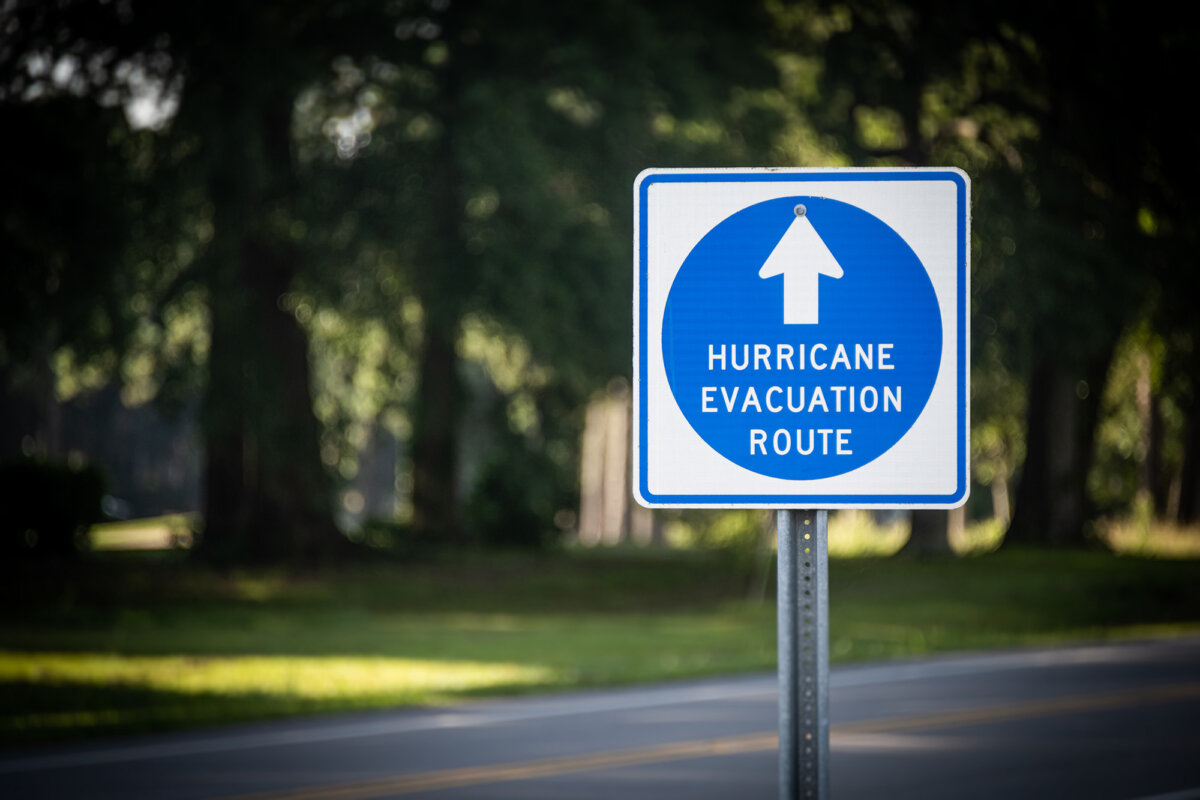
To better determine the risk for your area, learn if your home is in an evacuation zone well ahead of any evacuation orders. Plan multiple routes of exit and get a list of nearby shelters and alternate evacuation locations, such as friends and family located outside the storm zone. If you have pets, don’t forget to make a plan for them, too—some shelters take them, some don’t.
The Essentials
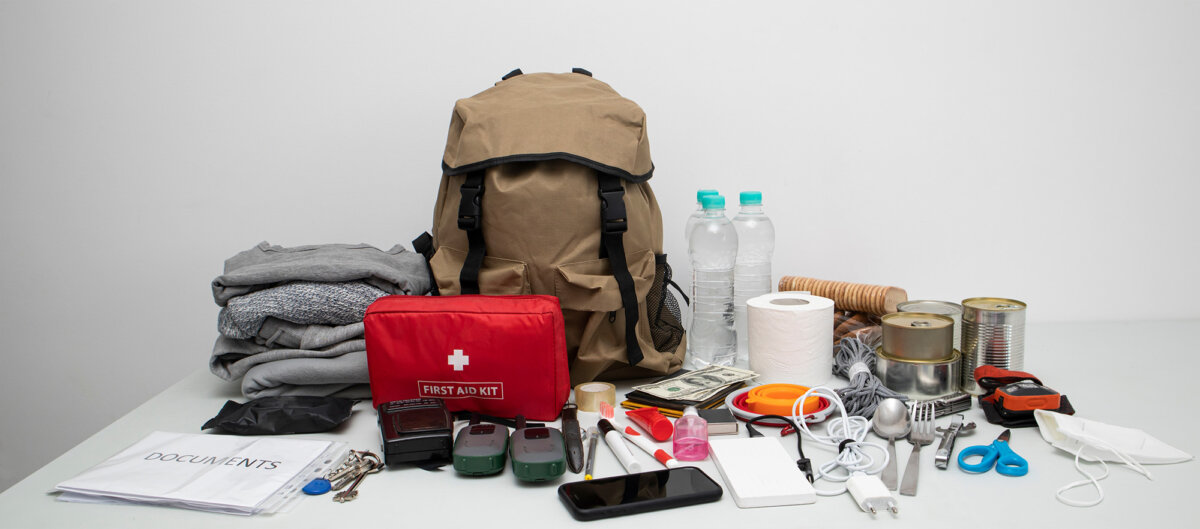
A comprehensive go kit contains 1 gallon of water per person per day for three to seven days and a three- to seven-day supply of non-perishable food, including a can opener if applicable. Add a flashlight with extra batteries, a battery or hand-crank emergency radio, a first-aid kit, as much extra medication as your provider and insurance allow, spare glasses or contact lenses (and contact care items), a toothbrush, soap, a whistle, hand sanitizer or moist sanitizing towelettes, ID, at least $500 in small bills, insurance papers and other important documents in a waterproof bag, and a spare car key. If your party includes children, the elderly, or pets, your go kit should also include any special items that they need.
If there’s room, you can include lesser necessities like a hairbrush or razor. Also consider a fire extinguisher, a multi-tool, rain gear (poncho and boots or umbrella), plastic sheeting (or tarp), duct tape, and plastic garbage bags.
Sounds like a lot? Consider using lightweight wheeled luggage if backpacks don’t suffice. Just make sure everyone can move quickly with it, if required.
Scan or take photos of important document and records—including driver’s licenses, passports, birth certificates, social security cards, insurance paperwork, medical records, and financial account information—and store digital copies securely online.
Before the storm hits, take pictures and videos of every room and vehicle as proof of possessions for an insurance claim. Temporarily protect valuables left at home from water damage by placing them in the dishwasher.
Home Sweet Home
If you’re staying home instead of evacuating, store all of the go kit items in larger amounts. You never know when an item will prove doubly useful; for example, extra garbage bags can serve as makeshift sandbags when filled with sand or soil.
Stockpile bottled water when it’s on sale and fill up coolers, 5-gallon collapsible water containers, bathtubs, storage bins, and the washing machine with water. The non-potable water can be used to flush toilets before the storm makes landfall.
You can also fill the washing machine with ice and use it as a cooler. Make extra ice ahead of time by freezing Ziploc bags of water—just be sure to leave some air at the top so they don’t burst.
Consider getting a portable generator and plenty of gas. Never operate a generator in the garage, basement, or anywhere else indoors. Outside, it should be kept away from windows, doors, and vents. Make sure your home has a carbon monoxide detector that works.
Light, Communication, and More
Battery-powered lanterns are safer than open-flame candles. You can also put a glow stick in an empty milk bottle. Battery-powered fans are essential in warm regions when there’s no air conditioning.
Have backup batteries or another way to charge your cell phone, whether that’s a generator, car, or other power source. Remember that texts may go through when calls don’t. Also, social media is a great way to provide updates to your extended family and friends. However, as mobile phone service and the internet will probably go down, have an FRS, CB, or ham radio as a backup for local communications.
Get some extra propane for the grill or camping stove for use after the hurricane passes, and stock up on bug repellent in case you have to spend time outside of the house.
Games, books, magazines, and crafts will entertain and calm your family members. Need a puppy potty place? Use pee pads or place sod in a kiddie pool.
__________________________________
Landfall and Recovery
Move loose outdoor items—furniture, plants, etc.—into the garage, tuck them into a protected location, or secure them in place if they’re too big to move.
Winds Outside
Stay away from windows, doors, and skylights in case they shatter. An interior room with no windows, like a first-floor bathroom or a walk-in closet, will do as a safe space. If the power goes out, keep the fridge closed to keep the cold in and delay food spoilage.
Stay Inside
Listen to storm updates on a battery or crank radio, and don’t be fooled by the eye of the storm. That lull is followed by some particularly dangerous winds. Stay inside until the storm passes. Never go into a windowless attic to avoid floodwaters, as you could become trapped as those waters continue to rise.
Aftermath
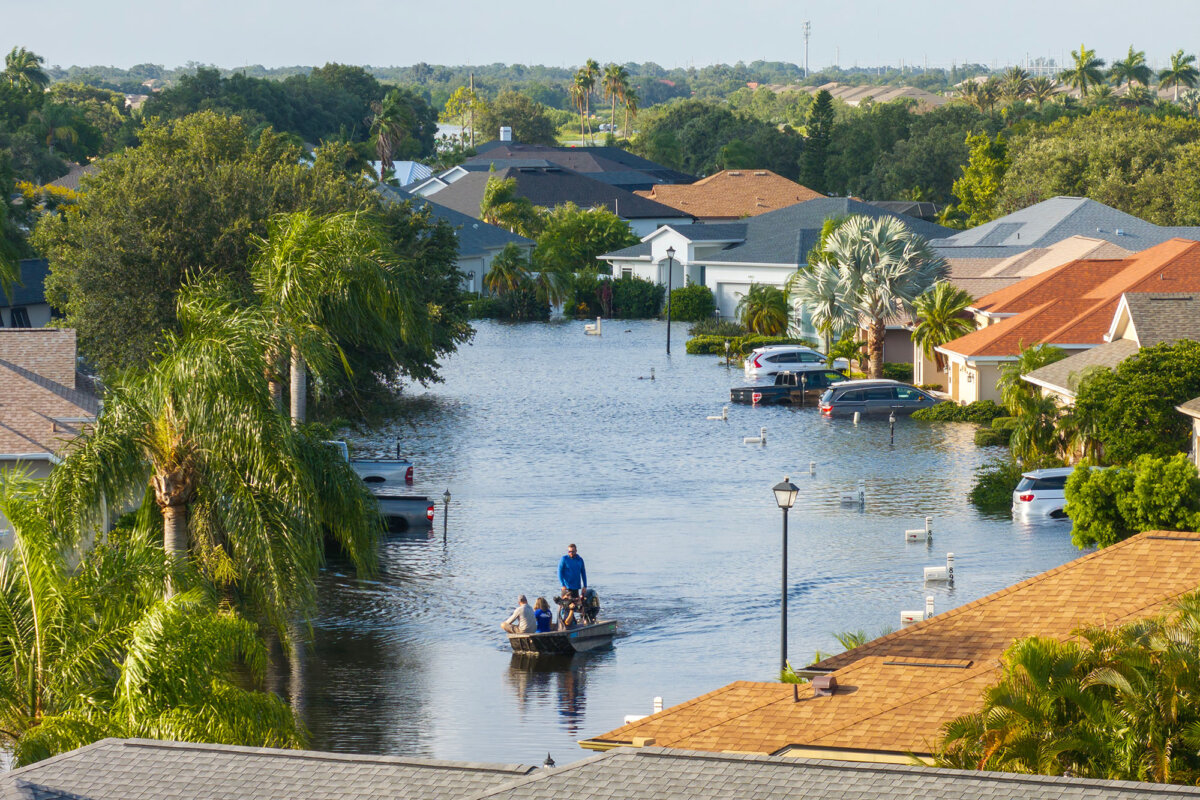
Avoid potentially electrified or contaminated floodwaters. Wear protective clothing. Take “after” photos before anything changes—such as a flooded car in the garage before the water recedes. Immediately tarp any window or roof leaks. If you’re adept at using a chainsaw, having one on hand will likely be useful during cleanup and make you popular with the neighbors. However, beware of downed power lines and dangerous conditions if you venture outside.
