



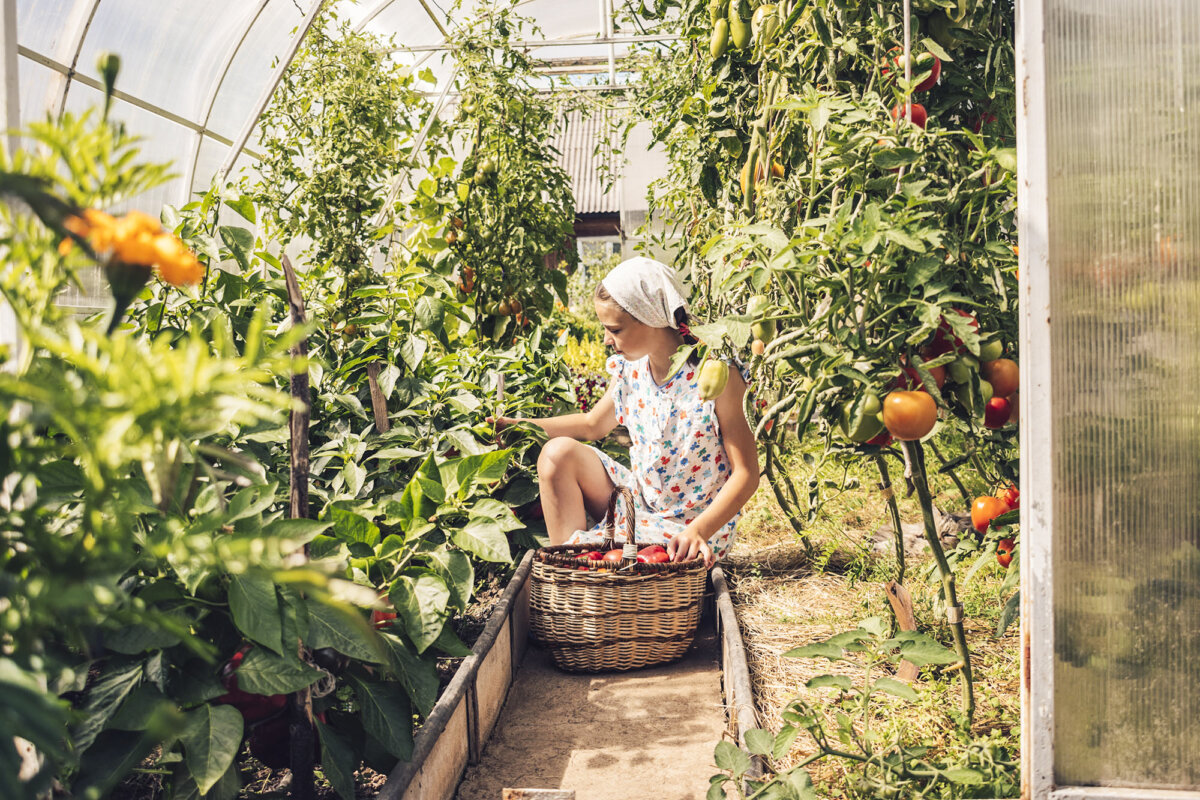
As the 90-pound “puppy” bulldozed his way through my corn patch, he flung himself against a five-foot-tall stalk with nascent ears just starting to form—and the top of the stalk snapped off as the shock traveled up the stem. Did you know that green corn stalks are brittle? Simon (his nickname is Pork Chop) happily bounded off toward the orchard while I ruefully examined the amputated corn.
I love sweet corn. It’s my favorite garden vegetable. I can easily consume 50 ears per summer—which is what I did last year, including one ear from the remaining bottom half of the broken plant.
To my astonished delight, this plant, minus its upper three feet, went ahead and produced corn anyway. This ear was smaller than some, and ripened a bit later than most. Nonetheless, it was a hearty, tasty ear of white corn that matured two months after the stalk amputation disaster.
The lesson here is the fantastic power of plants to do their job. It’s one of the fundamental laws of home horticulture. Understanding them makes growing more productive and meaningful. Here are the top 10.
Plants Just Want to Do Their Jobs
So let them.
One can’t help but be amazed by the awesome vitality and resilience of plants. Their job in our world is to grow strong and make seeds for the next generation, and along the way provide food and shelter for trillions of other beings, including ourselves. They are marvelously determined to accomplish their mission.
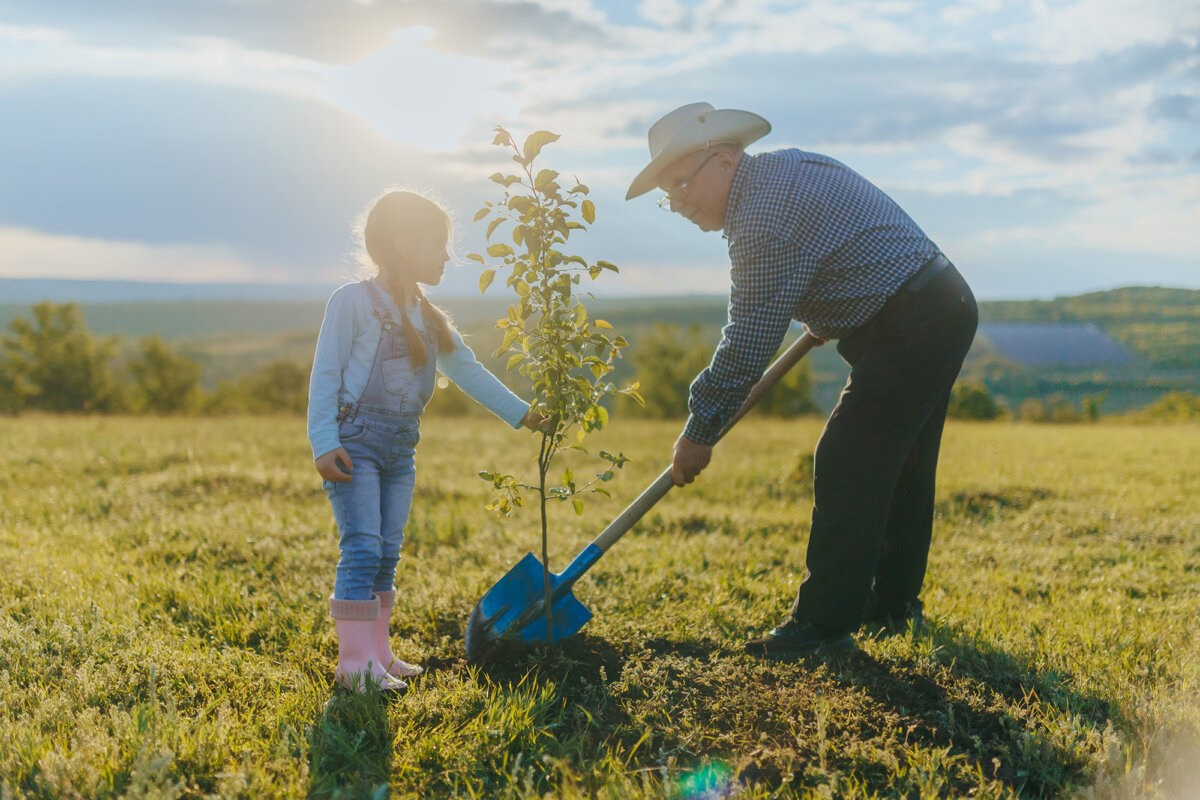
My miracle ear of corn is only one among many examples of this I have witnessed in a lifetime of growing things, especially here at Owl Feather Farm. Should a bean plant be yanked from the ground by that same baby elephant (an incorrigible bean thief), I can replant it, make sure that the roots are well-soaked, and off it goes, continuing to make beans.
Heavy rain broke an apple limb off a 5-year-old tree; the branch was hanging by just a thin strap of bark and wood. My wife pulled it back together, strapped it up, and wound tape around the break—masking tape, believe it or not—and to my astonishment, it healed up. The tree is now hale, hearty, and has a dozen apples on that limb this year.
I can pull a potato plant completely out of the ground, strip it of potatoes, and replant it. Lots of water and three months later, a second potato crop. I should probably not admit this thievery—agronomists definitely do not recommend it—but there we are. I had a platter of new potatoes just the other day from this scam. One year, I replanted a potato yet again, and it overwintered and made a third crop.
You see the trend? As the shepherds and beneficiaries of these marvelous vegetative beings, all we need to do is 1) not get in the way, 2) provide the simple aid they need, such as regular water, and 3) honor and respect the dynamic power they exercise in our world.
Patience, Grasshopper
Most gardeners intuitively know that, however much they wish that their corn would ripen in 40 days—it’s not happening. No way. Just wait, pilgrim.
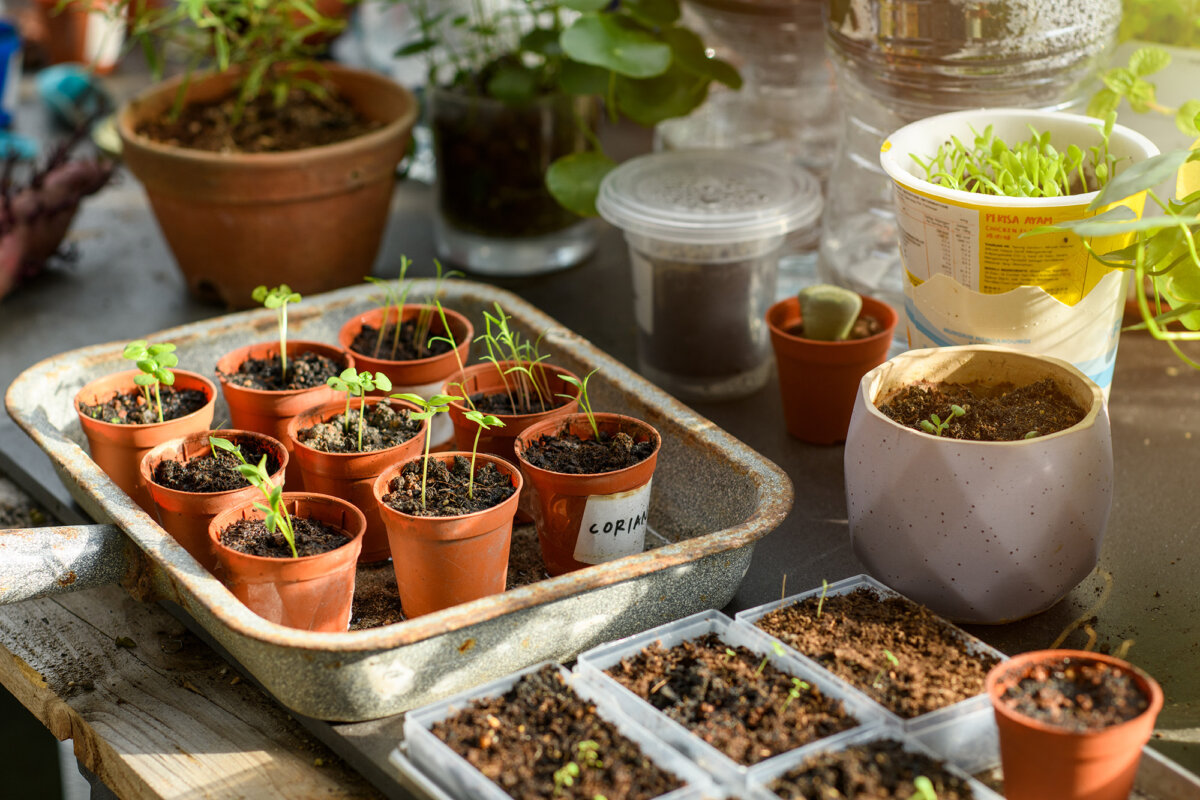
The big secret to accepting this verity: accepting that you have no choice. Whether you are patient or not, nature moves at her own pace, and only minimal human intervention is viable. Greenhouses do more to simply enable marginal crops such as tomatoes than they do to speed them up.
The best approach is to adapt your garden plan and expectations to nature’s schedule. Recognize that it’s all part of our existence within the wider world we inhabit. Plant when your experience tells you. Harvest when things are ready. Water and weed and thin and tend as usual, and all good things will come your way, in their own time.
That’s patience, like it or not.
If You Don’t Like It, Don’t Grow It
This idea seems painfully obvious, but you’d be surprised how much time, effort, and garden space I have wasted ignoring it. Turnips, wax beans, cherry tomatoes, “early” corn, arugula, spinach, red tomatoes, orange carrots, Asian pears, etc.
Exceptions can be made for other members of the household. A huge patch of arugula—the favorite salad green of my wife, Nicole—is maturing out in the garden even as I write. Let’s call these items “spouse specials.” Each one is worth, at a minimum, 1,000 brownie points.
There Will Be Pestilence
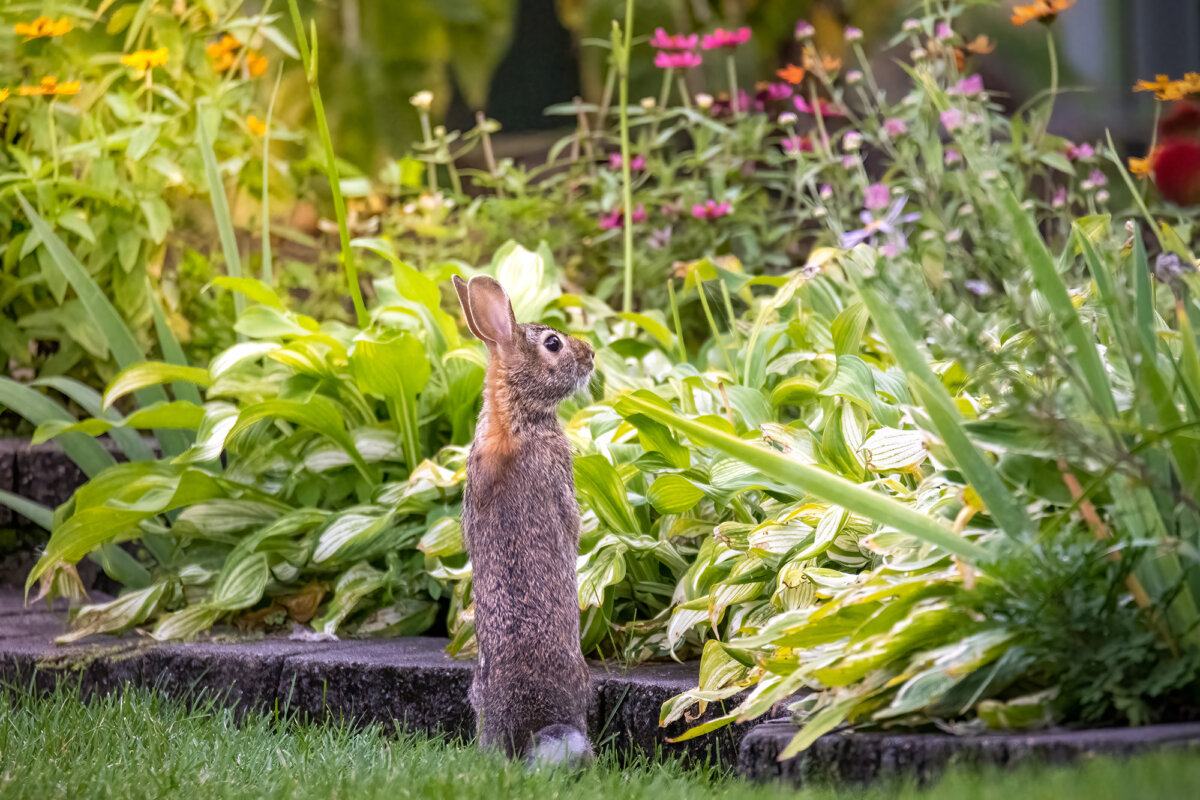
It never ceases to amaze me how many beings want to share the bounty of our garden and orchard. An incomplete list includes slugs, snails, raccoons, rabbits, foxes, crows, ravens, robins, starlings, yellowjackets, earwigs, and almost invisible predators such as thrips and aphids.
Underground, you’ll find voles, wireworms, cutworms, maggots, and more. Sometimes the thieves are even members of our household—our 24-month-old puppy loves green beans, gnaws them off the plant, and offers an indolent teenage shrug when I order a halt.
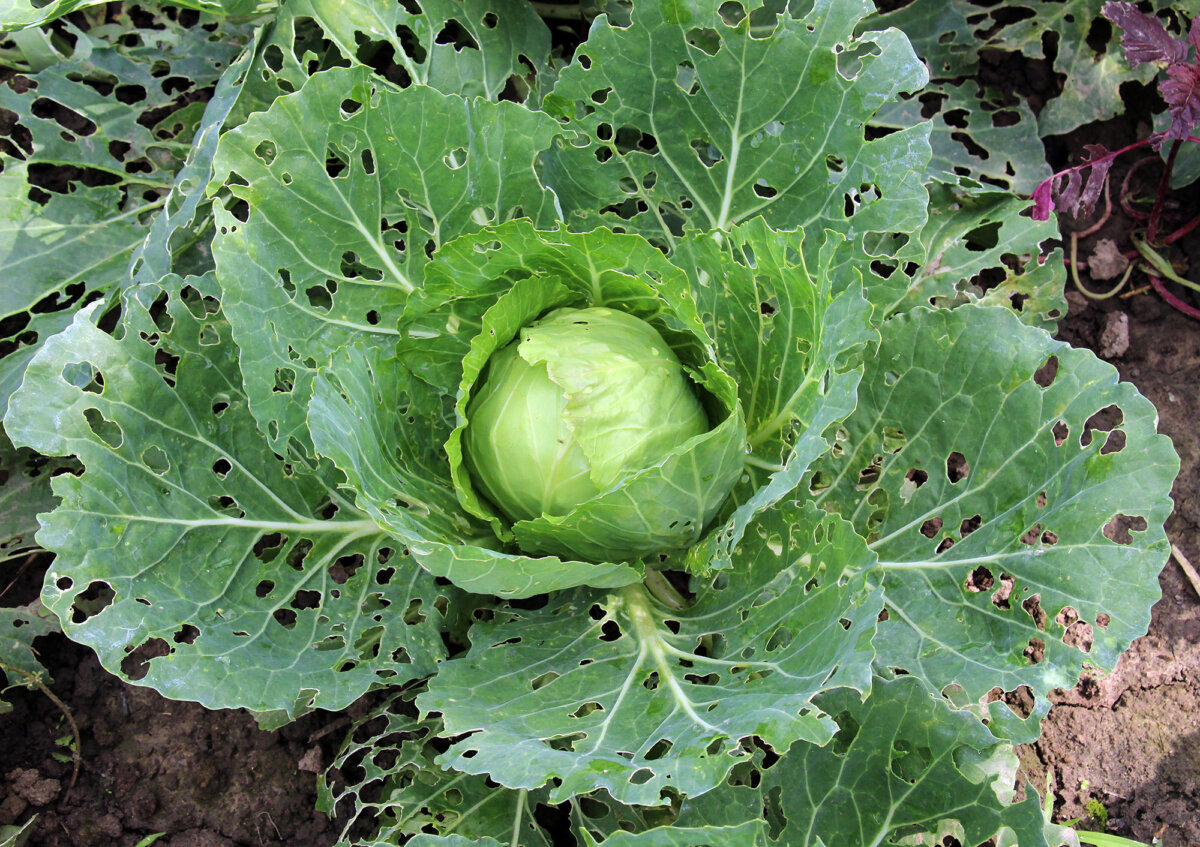
What to do? Many are the tactics devised by humankind to fend off garden pilferage. Some are simple, sensible, and effective: I have a 7 1/2-foot-tall fence around my quarter-acre garden and orchard to keep deer out. It’s sturdy and virtually maintenance-free, and it works. Foxes still get through, but the only instance of deer depredation came when the farmer left the gate open for 15 minutes. Yes, that fast. The fence even helps discourage raccoons, bears, and other miscreants who may wander by, such as Sasquatch.
But that level of success is a rare achievement.
Consider the common tactic of bird-repellant netting on cherry trees. Crafty avian thieves learn to fly under the netting and gorge on the fruit, and it’s almost impossible to secure the net around the trunk to stop that. If you do, when you remove the mesh you’ll snap off the outer growing tips of the tree and cripple it for a year. There’s no hope of neatly folding the net for storage until next year. It will be a tangled mess and you must buy another one.
Some approaches just aren’t OK, including wholesale use of pesticides. Owl Feather Farm is chemical-free, the only exception being spray aimed directly at hornet nests near active areas.
Best approach? Buy off the thieves by growing so much that there’s plenty for all. Yes, that’s possible, if you abandon the common horticultural idea that surrendering part of a crop to pests is heresy. It’s not.
It’s peaceful coexistence.
It’s the Water, Stupid
Any time a plant is struggling, there’s a 90 percent chance it isn’t getting enough water. Wilting, lack of growth, tiny fruit, brown or yellow leaves? Thirst is the likely problem.
Get out the hose. Water deep. Do it again.
Never Plant Into Dry Ground
Water stress is the key killer, and this applies to all kinds of planting—seeding, transplanting, bare-root planting, all of it. No matter what’s going in the ground tomorrow, get out the hose and soak the soil today.
Soak it deep, too: For several years I made the mistake of not ensuring that my seedbed for root crops (e.g., beets and carrots) was well-saturated a foot down or more. When the seeds sprout, they send slender young roots directly downward as fast as possible until the roots reach dry ground. If that’s eight inches deep, the roots will stop there and explore sideways, even upward. It’s very difficult to reverse this underground misadventure, if you even detect that it happened. I only know because the results were visible months later during harvest.
The same is true for plants you are digging up to move—a rose, perhaps, or a young tree. Soak the existing plants thoroughly the day before, then dig. Soak the ground beforehand at their new home.
Planting bare-root nursery stock? Set the trees in a big tub of water and saturate the root balls several days before planting. Then soak the ground where you’ll install the trees—among other things, it makes digging easier.
Thinning Isn’t Optional
There they are, tender seedlings poking up into the light of May, soaring from below ground to open air. They’re as green as jade, delicate as lace, endearing as plant puppies. They look sprightly and perky. Yet there are too many. I’m supposed to cruelly rip them out of the ground and fling them aside like old socks? Yikes.
Thinning is the most spiritually challenging garden task I face. I’ve set these seeds in the ground and asked them to grow, and because they did too well now I must remove half. It’s painful. Unfair.
Why don’t I just sow exactly as many seeds as I want plants? Sure enough, a Godzilla slug will come along and clear-cut the row of seedlings entirely.
Ask forgiveness as I slaughter plant babies—that’s all I can do. Or harvest tiny carrots three months later.
You Will Be Spoiled. Try to Resist.
The first year my lingonberries bore fruit, two years after planting, I painstakingly stripped every single berry off the delicate branches. An hour of work yielded a cup of berries, which are a divine midwinter condiment accompanying hearty meals such as roast duck and prime rib.
Last fall, five years later, the thriving bushes had so many berries, I confess I made no attempt to retrieve the ones that fell to ground during my harvest, nor those growing in picayune two-berry clumps. At least, at first. Then I started feeling guilty every time I passed by. Having been raised by a World War II refugee, I have detested waste since I was a boy. Now, after a decade growing and cooking on my farm, there’s a new element: When I squander food—sinful enough by itself—I’m also wasting flavor.
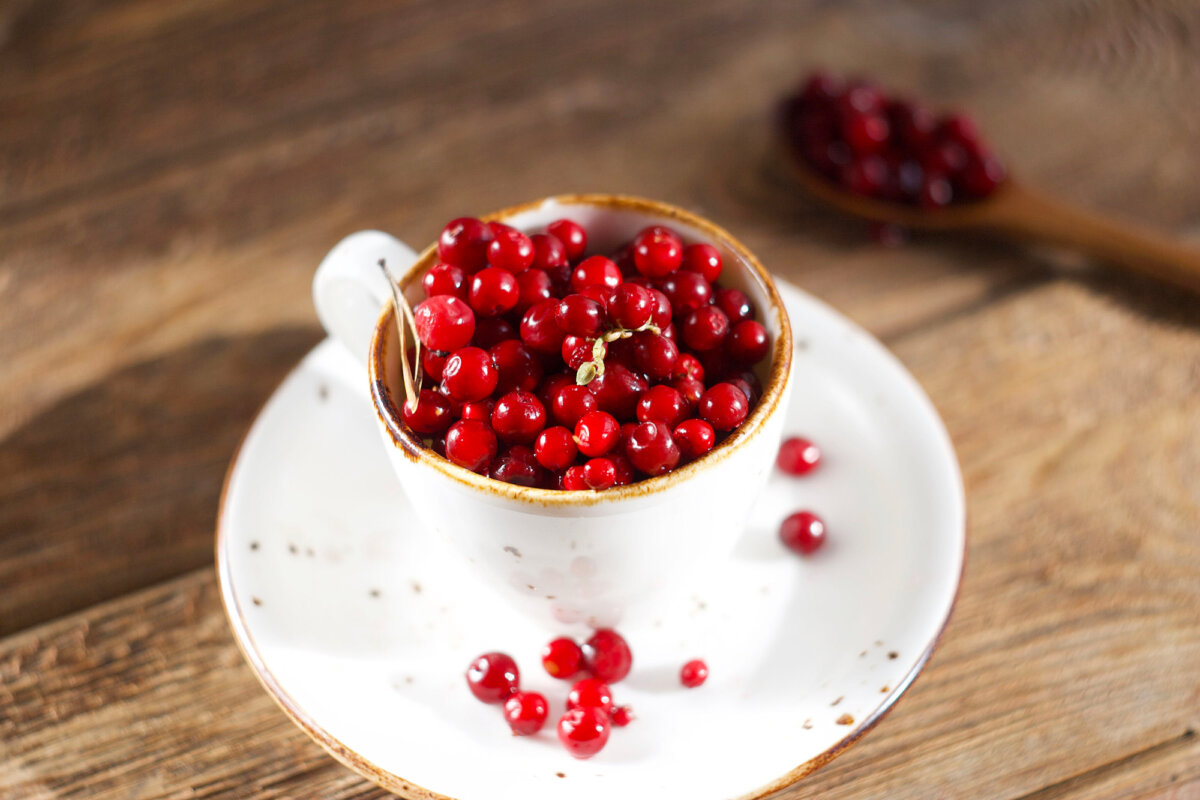
Few flavors are more intense and memorable than lingonberries, so I hauled myself back out to the garden with a cup and carefully gleaned the ones I’d missed. The yield was a half-cup, and since I already had five pounds in the freezer awaiting winter feasts, I just added them to my morning cereal for a week. It’s easy to fall into complacency, so go read a story about refugees in South Sudan.
All Gardening Is Local
My neighbor grows nice peppers. Mine languish like minnows in mud puddles. Her garden is atop the hill above my farm, a quarter-mile away and 500 feet higher in elevation. My ground is just 1,000 feet from False Bay, a tiny inlet of the world’s biggest ocean. Afternoon thermals draw cool air from there to my farm, but not all the way up to her place on top of the hill.
The lower end of my quarter-acre garden and orchard has rich, black dirt, is shielded from the wind by a hedgerow, and holds water in the ground six weeks longer than the top end of the garden, a hillside expanse of gravel, sand, clay, and rock. Apple trees grow twice as fast in the lower end as they do up above—but the lower quadrant gathers cold, frosty air in April and October that spills down from the hill.
What to do? Simple enough: Recognize reality and plant accordingly. Tomatoes above, apples below, and so on.
Sharing Is Caring
We go to great lengths to use everything from our garden and orchard. There’s a farm item on our table almost every evening. Our freezer is stuffed with berries, apple juice, and vegetables. I have bins of dried corn, beans, and herbs that create our comfort-food stock in the winter. Yet we still can’t use it all.
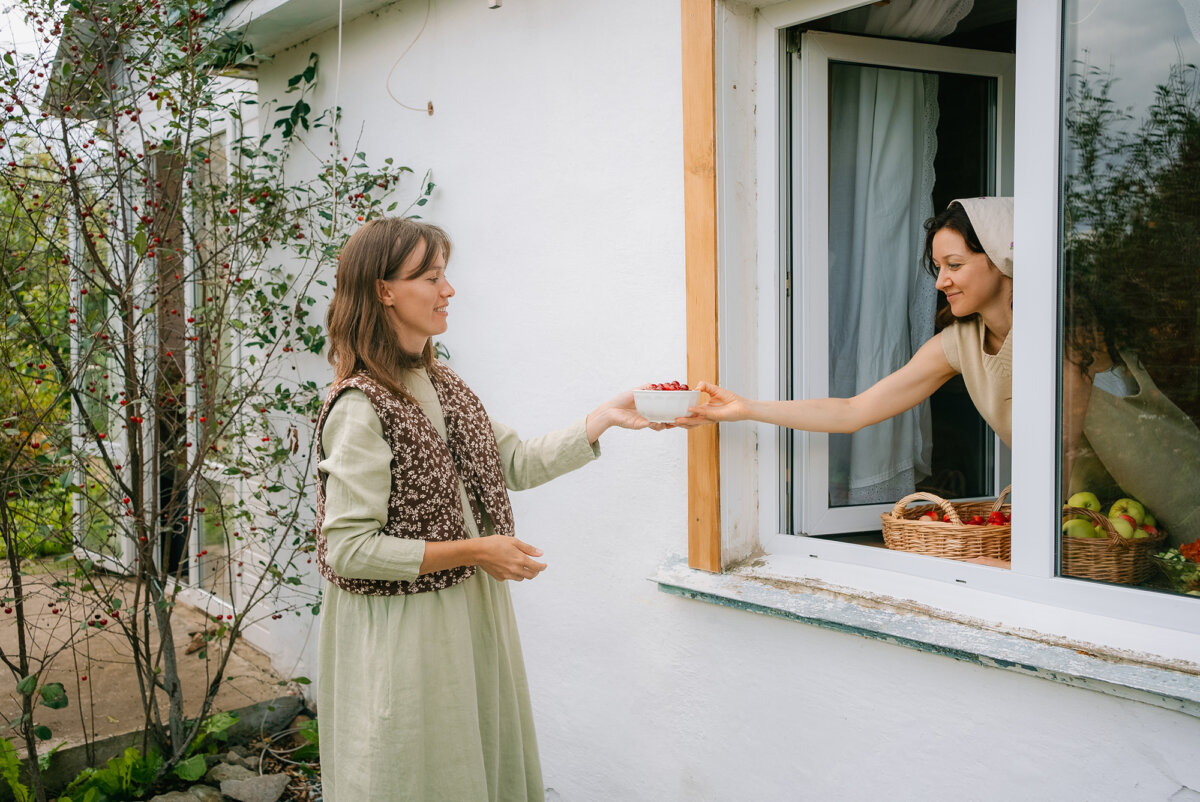
So we give it away: “While you’re here, can I give you a bunch of chard? How about a jar of dried thyme? Do you like sweet corn?” Sometimes it takes a little effort to convince people that, yes, I really do have 20 ripe ears of corn; no, we can’t eat them all; yes, we’d love for you to enjoy them.
The same goes for plants. The little two-inch pot of thyme I started with eight years ago has mushroomed into six massive plants whose harvest we have no hope of fully using. Yes, please, let me give you a couple thyme plants. I have more lily bulbs than I have room for, and the tayberries just send off side shoots on their own. It’s time to divide the heirloom phlox. If you don’t take some, I’ll have to make the ghastly decision to pitch them.
For real gardeners, giving is also receiving. It’s our way of passing on the gifts we’re given by the plants at our farm, the light in the sky, and the rain from above.
