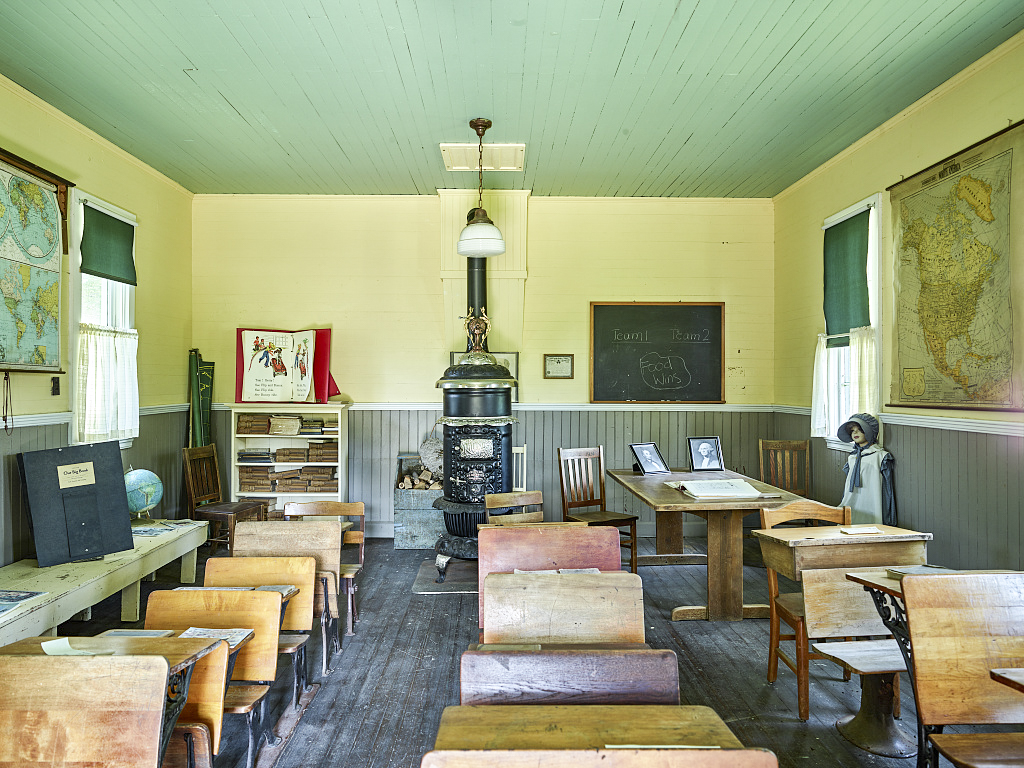
When we look back at the schools of the 19th and early 20th centuries, especially the tens of thousands of “little red schoolhouses” that dotted the land and were the pride of communities across the country, it’s tempting to wax sentimental about education in “the good old days” in our reverie of retrospection.
Yet the reality of that schooling was different. For many students, school revolved around work, either in fields or factories, and not vice versa. The school year was shorter, and class time was often spent on memorization and recitations. Those one-room schoolhouses were often cold, drafty, and dirty, or stuffy breeding grounds for airborne diseases. Discipline could be harsh, as evidenced in the 1907 song “School Days” with “read-in’, ‘ri-tin’, and ‘rith-me-tic/ Taught to the tune of a hick-’ry stick.”
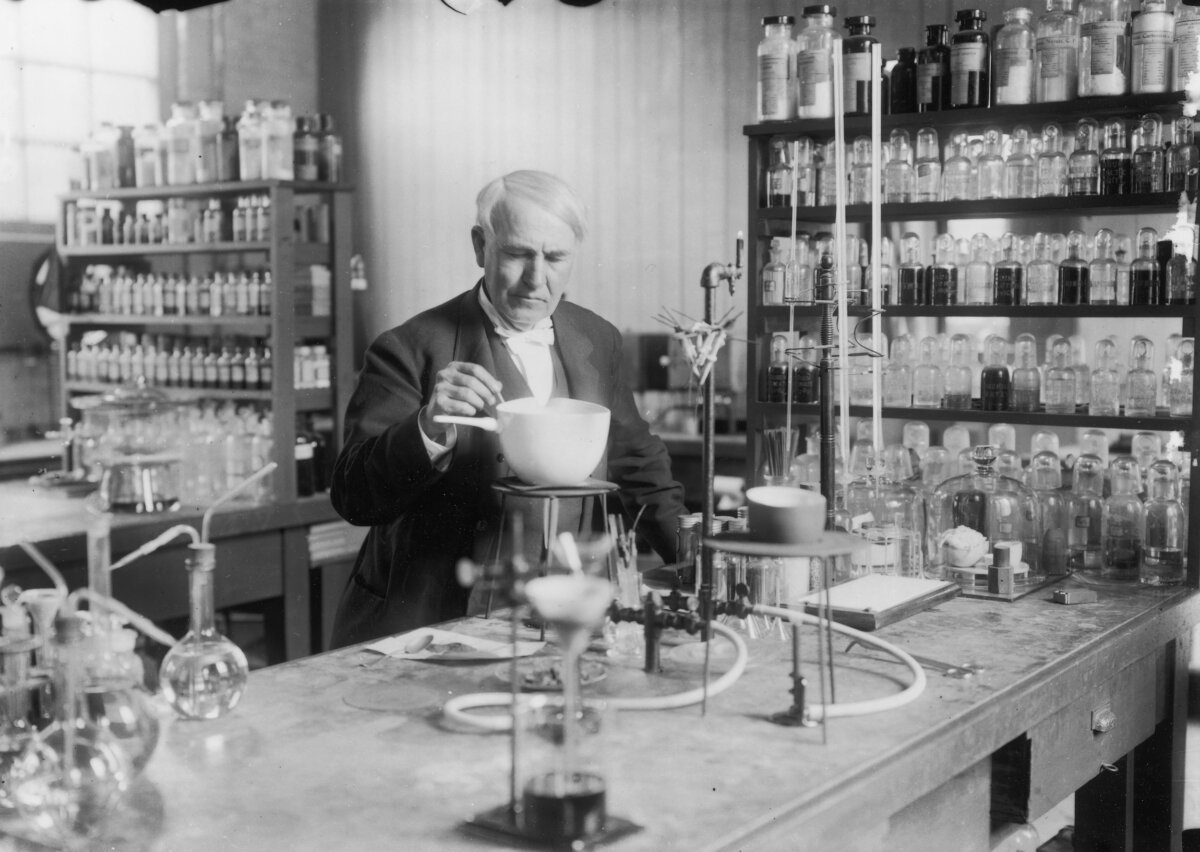
And yet, that century produced millions of successful men and women, some of whom remain enshrined in our American pantheon of greats: writers like Nathaniel Hawthorne, Mark Twain, and Louisa May Alcott; inventors like Samuel Morse and Thomas Edison; and statesmen like Abraham Lincoln and Theodore Roosevelt. The educational backgrounds of these Americans and so many others differed radically one from the other—Lincoln’s schooling stands in wild contrast to Roosevelt’s—yet learned they were.
Moreover, whatever their schooling, they lacked the advantages students possess today—a multitude of resources, trained teachers, and technology galore.
And yet, the graduates of that pastiche of tutors, private academies, and country schools built a nation that, by century’s end, was the envy of the world. How was that possible? Did the age and circumstances in which they lived bestow some educational advantages that have slipped away in our own time?
Distractions and Entertainments
If we broaden our definition of education to include knowledge acquired outside a classroom, we find some striking differences between the 19th and 21st centuries.
Transport most of today’s students—or anyone else, for that matter—into the mid-19th century, and the first thing they’d likely miss would be the lack of electronic diversions. No screens, no canned music, no lights with a flick of the switch: It was a world without electronic entertainments.
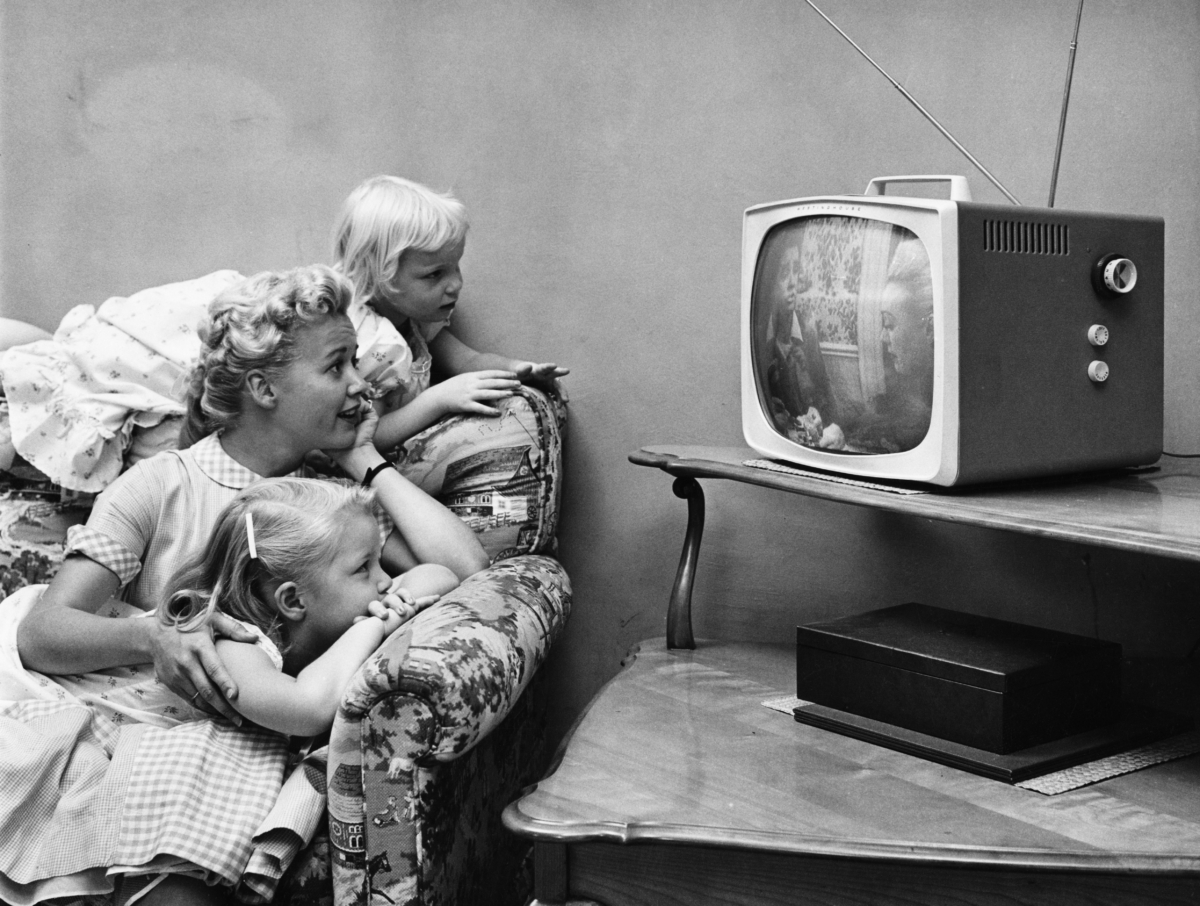
Studies show that teens now spend an average of over eight hours a day on digital media. Before criticizing young people, boomers might remember that 50 years ago, adolescents spent approximately three to four hours a day watching television. Screens and their distractions have a long history.
Entertainment in the 19th century was hands-on and homemade. If music was wanted, pianists, fiddlers, and singers provided it, all musicians in an ongoing self-propelled program of education and creativity. Community dances were commonplace. Storytelling was found on the front porch or by the fireplace rather than on YouTube. All these activities acted as tools of education both in the creativity they sparked and in the human relationships they encompassed.
And chief among these diversions were books and reading.
The Publishing Revolution and Pages Versus Pixels
As the 19th century progressed, widespread literacy, advances in technology, and enterprising entrepreneurs of print created a flood of books, magazines, and newspapers. The homes of those whose parents had owned only a Bible and the works of Shakespeare now sported shelves of books and magazines like Harper’s and the Atlantic Monthly. Located primarily in the cities, the number of bookshops across the country blossomed at a tremendous rate, while in rural areas, general stores and other small businesses frequently tucked in some books as well.
The last half of the 19th century also saw an explosion of libraries across the country. Communities came together to open some of these institutions, while wealthy capitalists like Andrew Carnegie funded others.
These libraries provided more than entertaining novels to their patrons. They were oases where a visitor could extract valuable information on everything from crop rotation to accounting to the powers of positive thinking. Libraries became a key component in the engine driving America’s growth in the years following the Civil War.
Researchers today note the difference in the ways we glean information from printed books as opposed to books read on screens. In his engaging podcast “Reading on Paper Rewires Your Brain,” journalist and classicist Makai Calles takes a balanced look at these investigations, concluding that while screens allow us to better skim material, reading physical books provides by far a deeper, more meaningful dive into a text, particularly one that demands some thinking. From the studies described by Calles, we can infer that a print-based culture like that of the 19th century might produce an education at least equivalent to one dominated by screens.
Get Yourself an Education
Search out the above words online, and an abundance of articles and videos appear explaining the pursuit of knowledge outside a formal classroom.
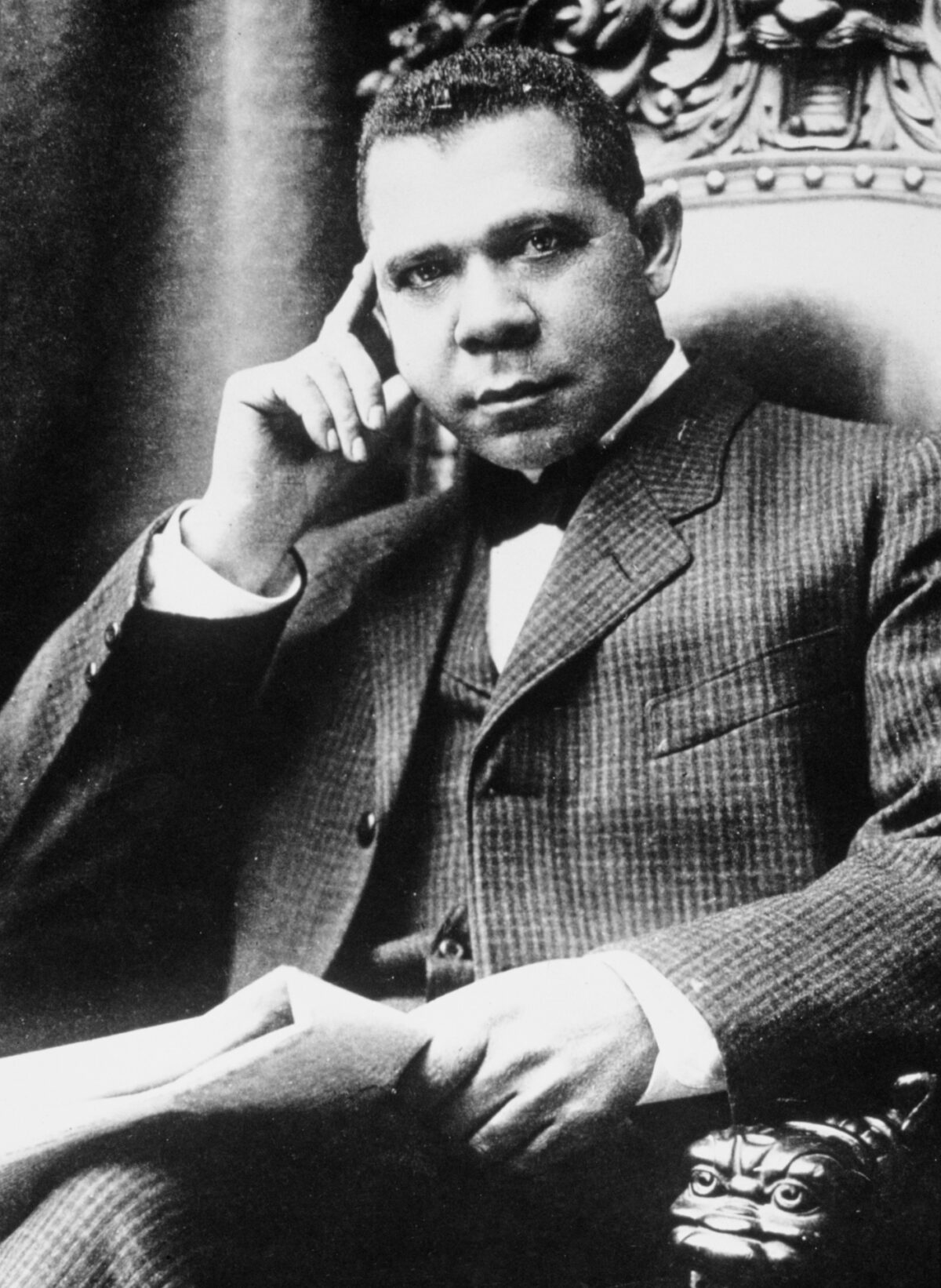
For Americans in the 19th century, this idea of “get yourself an education” was a given. Only a small percentage of people attended universities and colleges, but many of those who so desired could further their education. Abolitionist and ex-slave Frederick Douglass, for instance, recognized as a boy that reading walked hand-in-hand with freedom. Largely self-taught, he credited books with helping break the shackles of his slavery, specifically “The Columbian Orator,” a popular compendium of speeches, essays, and poetry, which he dubbed his “rich treasure.” In “Up From Slavery,” Booker T. Washington documented his burning desire to get an education and the courageous efforts he made to do so.
Countless other Americans in those days sought to better themselves by self-education, learning to read and write if they were illiterate, reading books wherever they might be obtained, as was the case with the young Lincoln, or studying law or medicine or business under the tutelage of an experienced practitioner in those professions.
From the children and grandchildren of these people came the schools, colleges, universities, and tools of independent education we possess today. To best honor that legacy, we should use these institutions and those tools as they were intended, to benefit the individual, the nation, and the world at large, all while emulating those recent ancestors by assuming responsibility for ourselves and our learning.
What arts and culture topics would you like us to cover? Please email ideas or feedback to features@epochtimes.nyc.