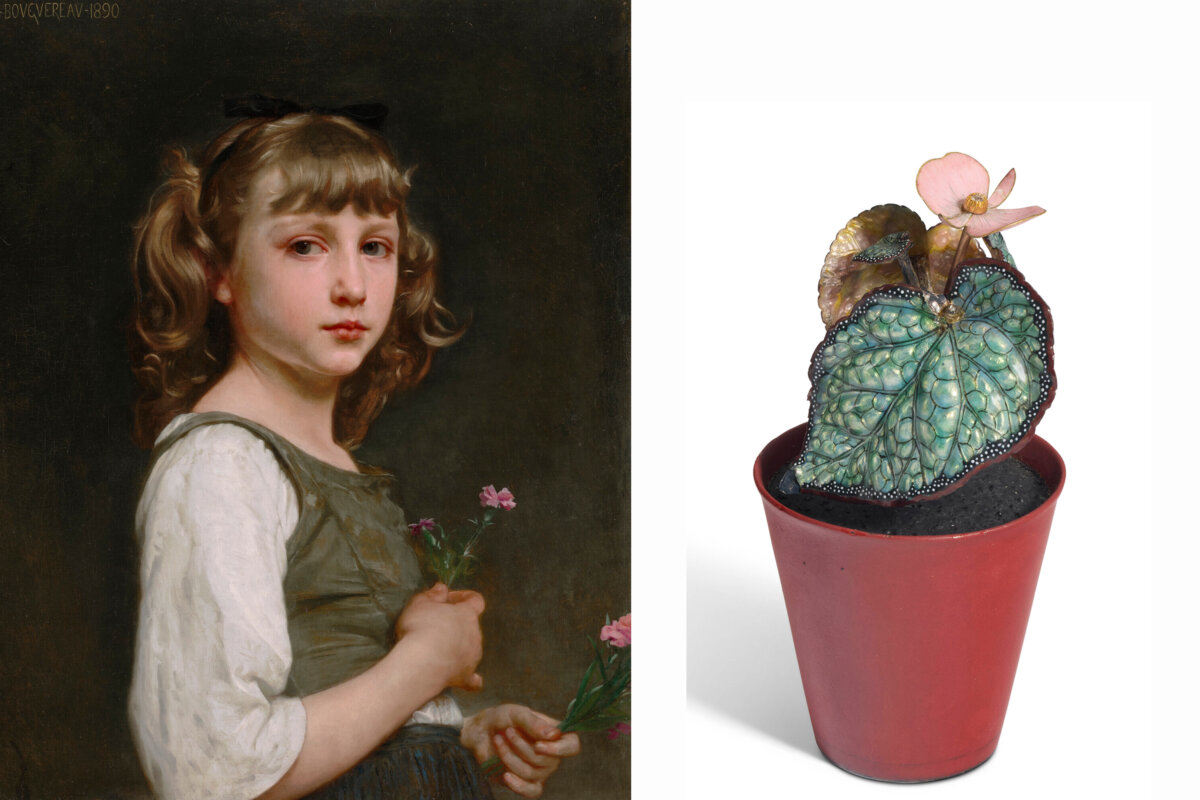
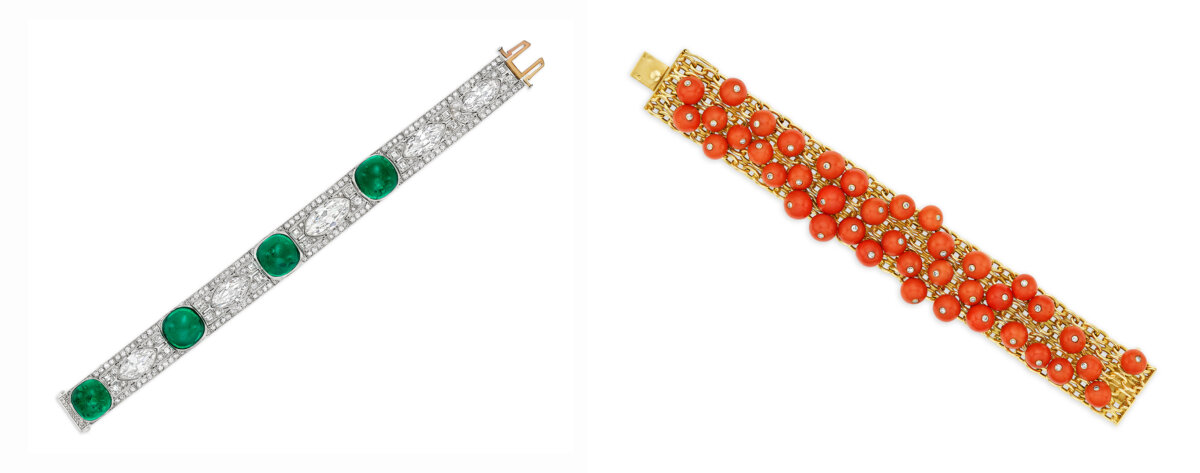
Two extraordinary auctions are taking place at Christie’s New York this June. “A Treasured History: The Stream Family Collection” offers property in a live auction on June 10th and an online sale closing June 17th from two legendary Louisiana women: Matilda Geddings Gray (1885–1971) and her niece, Matilda Gray Stream (1924–2023). The sales encompass paintings, antiquities, European furniture, silver, and porcelain, as well as a trove of exquisite jewelry, clocks, and accessories by some of the greatest makers, including Cartier and Tiffany & Co. The collection’s pièce de résistance is a selection of museum-quality Fabergé objects.
A Family Legacy
Matilda Geddings Gray was a businesswoman, philanthropist, cultural steward, and art collector. A graduate of Newcomb College in New Orleans, it was Matilda, instead of her brothers, who took over the family agriculture, timber, and oil businesses when their father died in 1921. The enterprises, centered in Louisiana, flourished under her leadership.
Matilda’s philanthropic endeavors were legion, from discreetly shipping her entire rice crop to two European countries after World War II to help alleviate food shortages to funding facilities for those in need and preserving historic places.
Her connoisseurship reached its height with her assemblage of an exquisite Fabergé collection. It is a testament to how she was a visionary, since Matilda started collecting Fabergé in 1933, at a time when the renowned Russian jewelry firm was little known in the United States. Over nearly four decades, Matilda acquired one of the greatest Fabergé collections in the world.
Some of these treasures, which she wanted the public to be able to enjoy, are on long-term loan to the Metropolitan Museum of Art from the Matilda Geddings Gray Foundation. These objects include three rare Imperial Easter Eggs as well as a floral masterpiece, the Imperial Lilies-of-the-Valley Basket.
Matilda Gray Stream, who was mentored by her aunt since childhood, expanded the art collection and extended the family’s legacy of giving. Highly respected for her energetic support of conservationist causes, among other charitable endeavors, she was known for her generosity and caring nature.
The upcoming Christie’s sales provide private collectors and institutions the opportunity to acquire works selected by both women’s discriminating eyes. The public can view the auction exhibitions from June 5–9.
Floral Fabergé
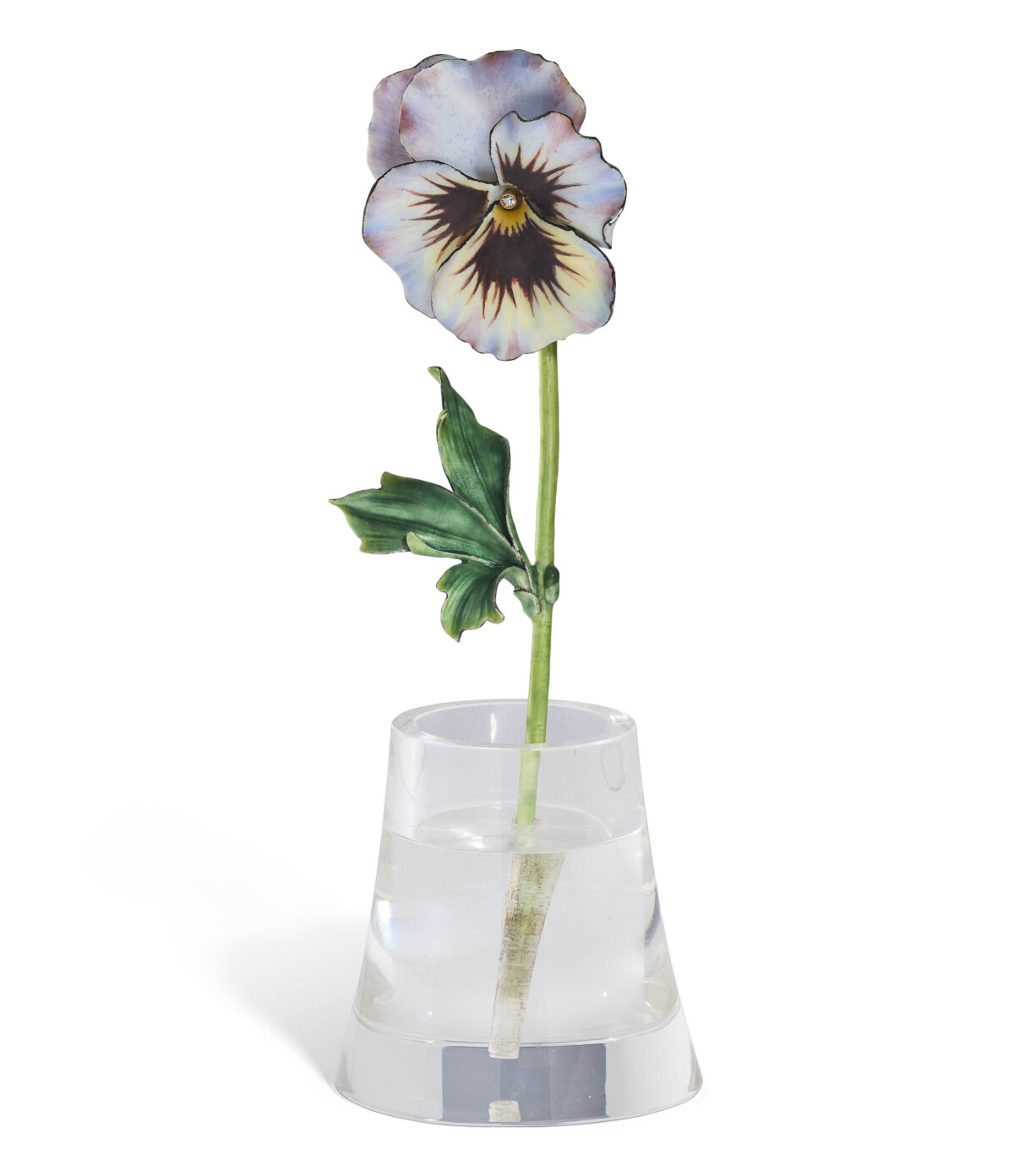
The auctions’ core Fabergé theme is hardstone and enamel flower studies. Five are on offer—a pansy, a cornflower, a cactus, a raspberry, and a begonia. The stunning pansy, with an estimate of $150,000 to $220,000, was created circa 1915. Set in a tapering cylindrical rock crystal vase, the pansy is expertly enameled in shades of blue, brown, pink, and yellow. At its center is a gold-mounted diamond. This petite Study of a Pansy is 5 1/2 inches tall. By repute, it belonged originally to Russian Emperor Nicholas II (1868–1918) and Empress Alexandra Feodorovna (1872–1918).

Another work alleged to have stemmed from the Imperial collection is the study of a cornflower from around 1900. Its estimated worth is $150,000 to $220,000. This time in a bulbous rock crystal vase, the flower is enameled in translucent royal blue and has rose-cut diamond-set stamens. The two buds are composed of finely chased gold.
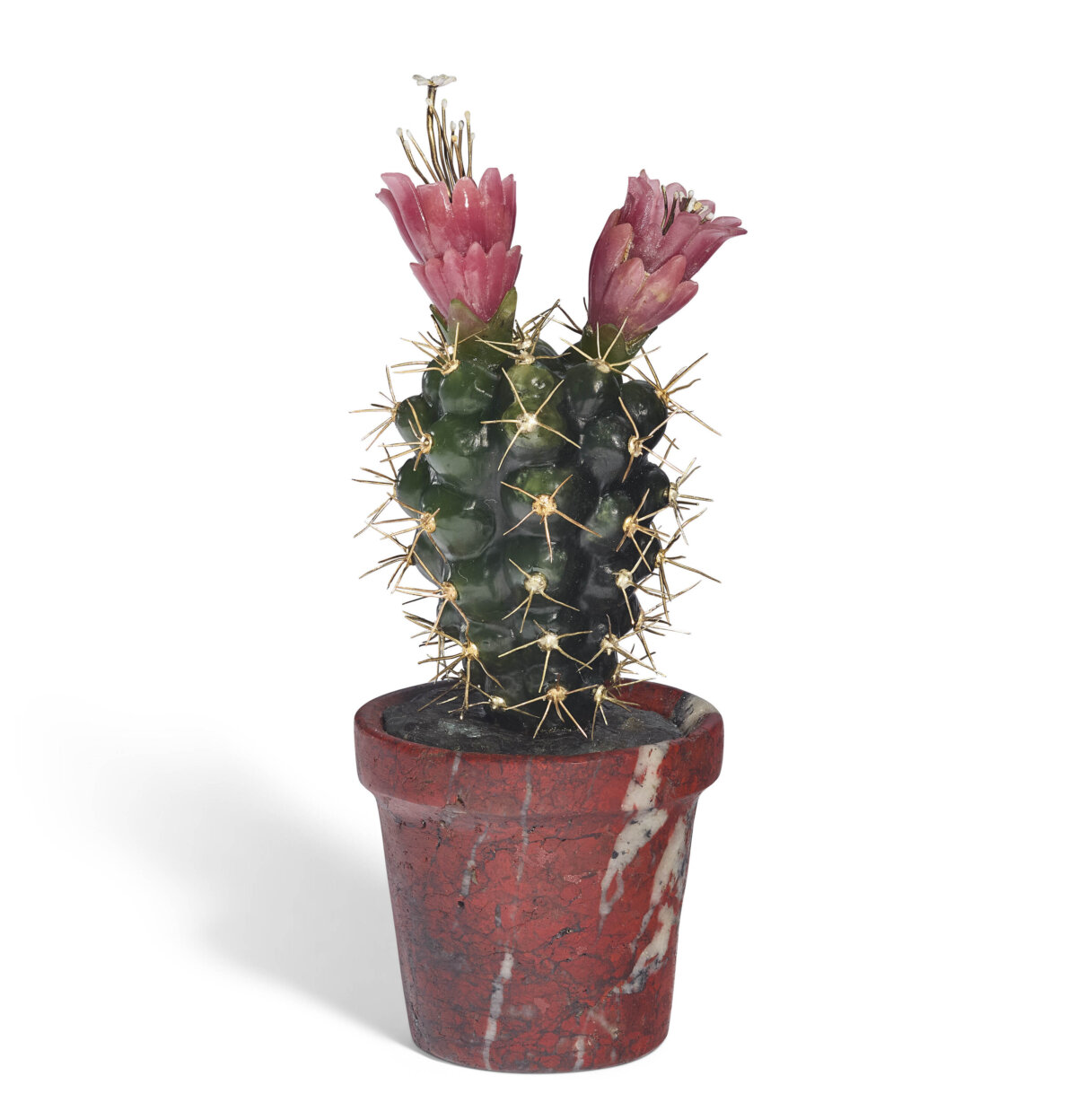
Fabergé produced only a few cactus studies. The Stream family’s is from circa 1910 and carries an estimate of $120,000 to $180,000. While this example was known from a 1930s photograph, its location was uncertain until recently. This rediscovered cactus is realistically modeled with a carved nephrite body and rhodonite flowers. It is set in a pot of jasper with a labradorite base that charmingly evokes soil.
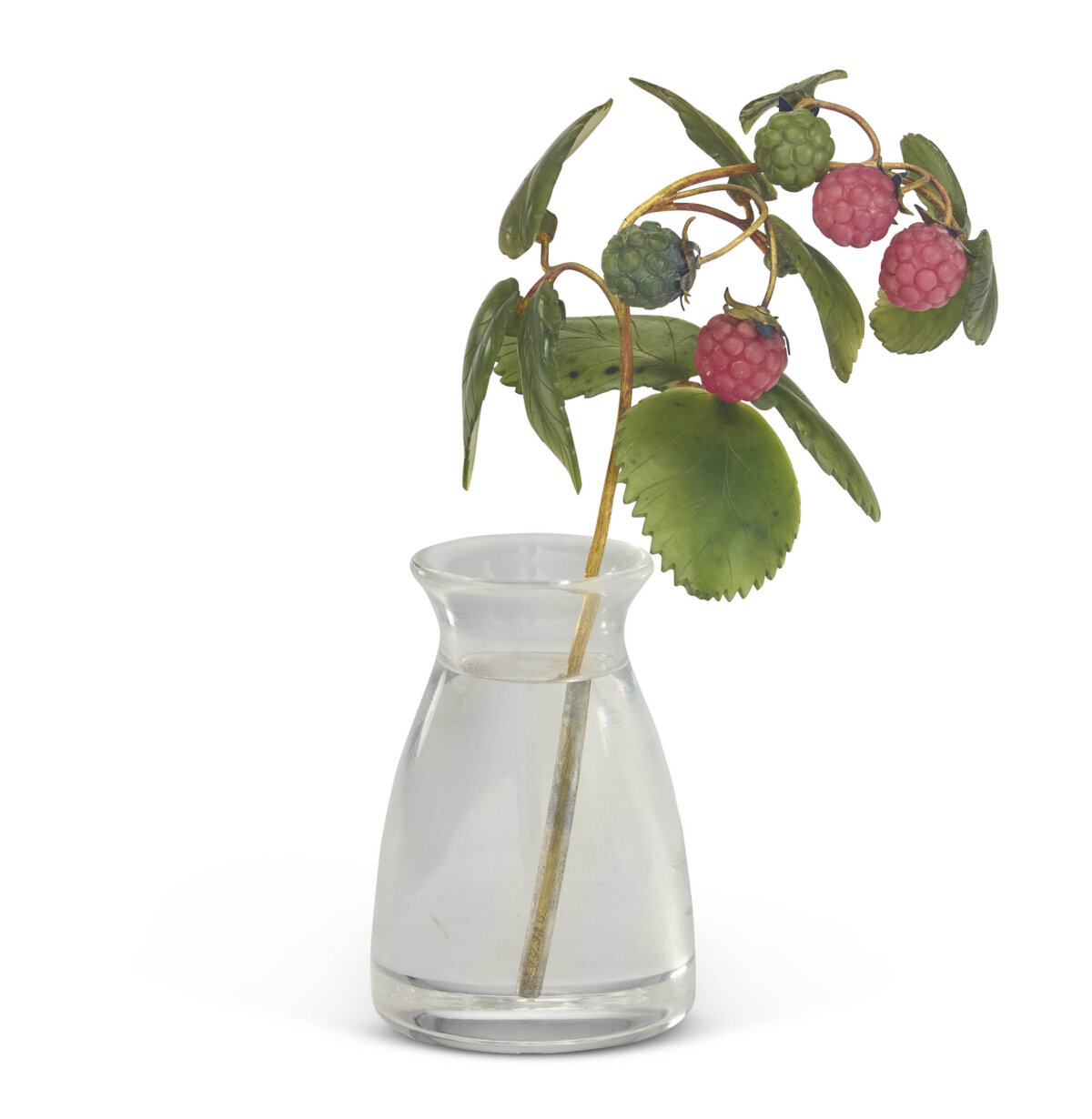
Fabergé raspberry studies are rare, too. This example from circa 1900 has an estimated worth of $120,000 to $180,000. Featuring rhodonite and nephrite berries, green enamel calyxes, and nephrite leaves, the gold stem is set in a tapering cylindrical rock crystal vase.
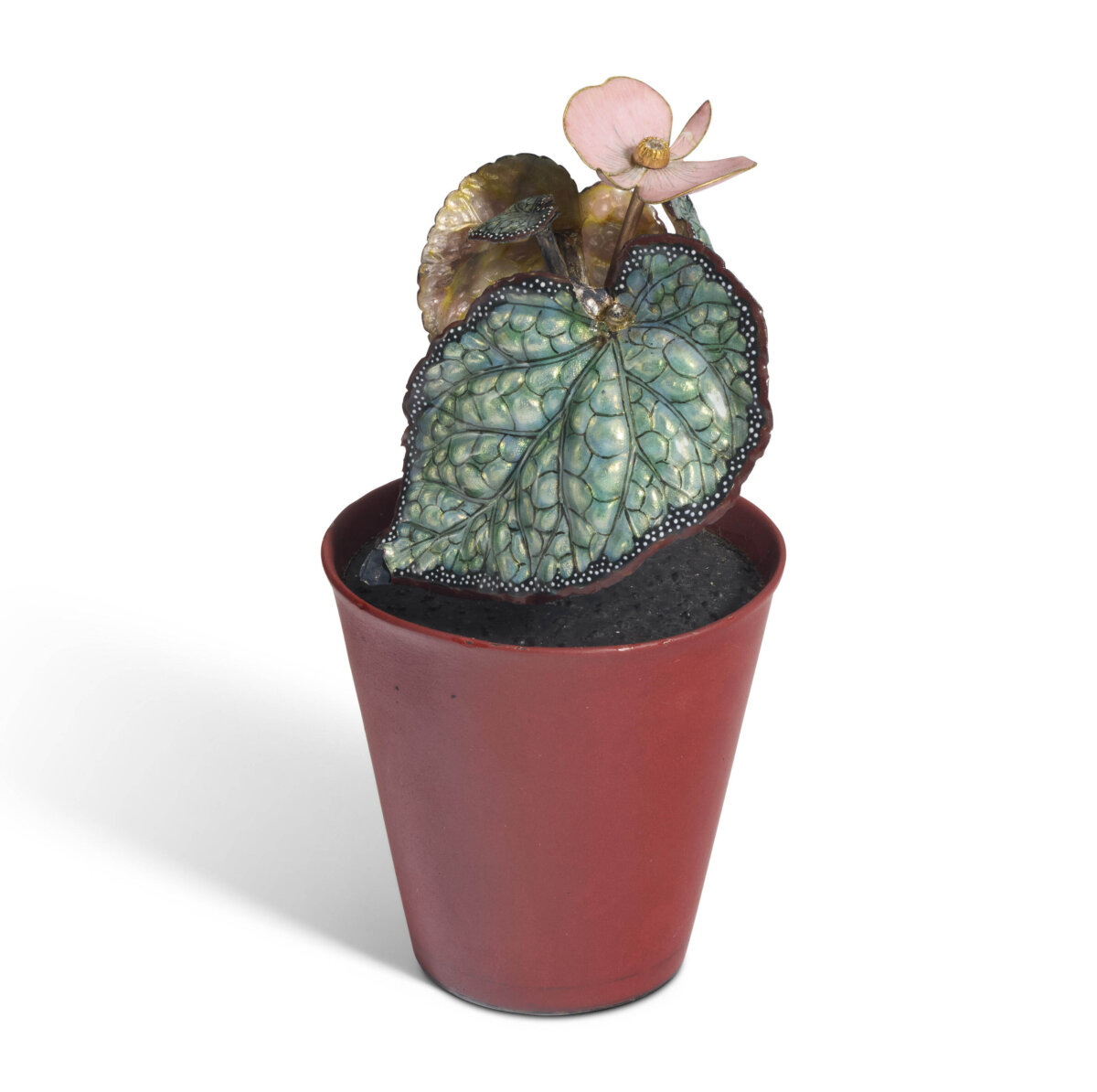
The Fabergé workmaster for the study of a begonia from 1899 to 1904 was Alexander Petrov, who headed an enameling workshop at the firm. His flower studies rarely come up for auction. Estimated at $60,000 to $90,000, the begonia flower is enameled in opaque pink and has painted green enamel leaves. It is set in a silver pot enameled in opaque brown, which gives the impression of a clay pot. Here, the soil is made of black textured enamel.
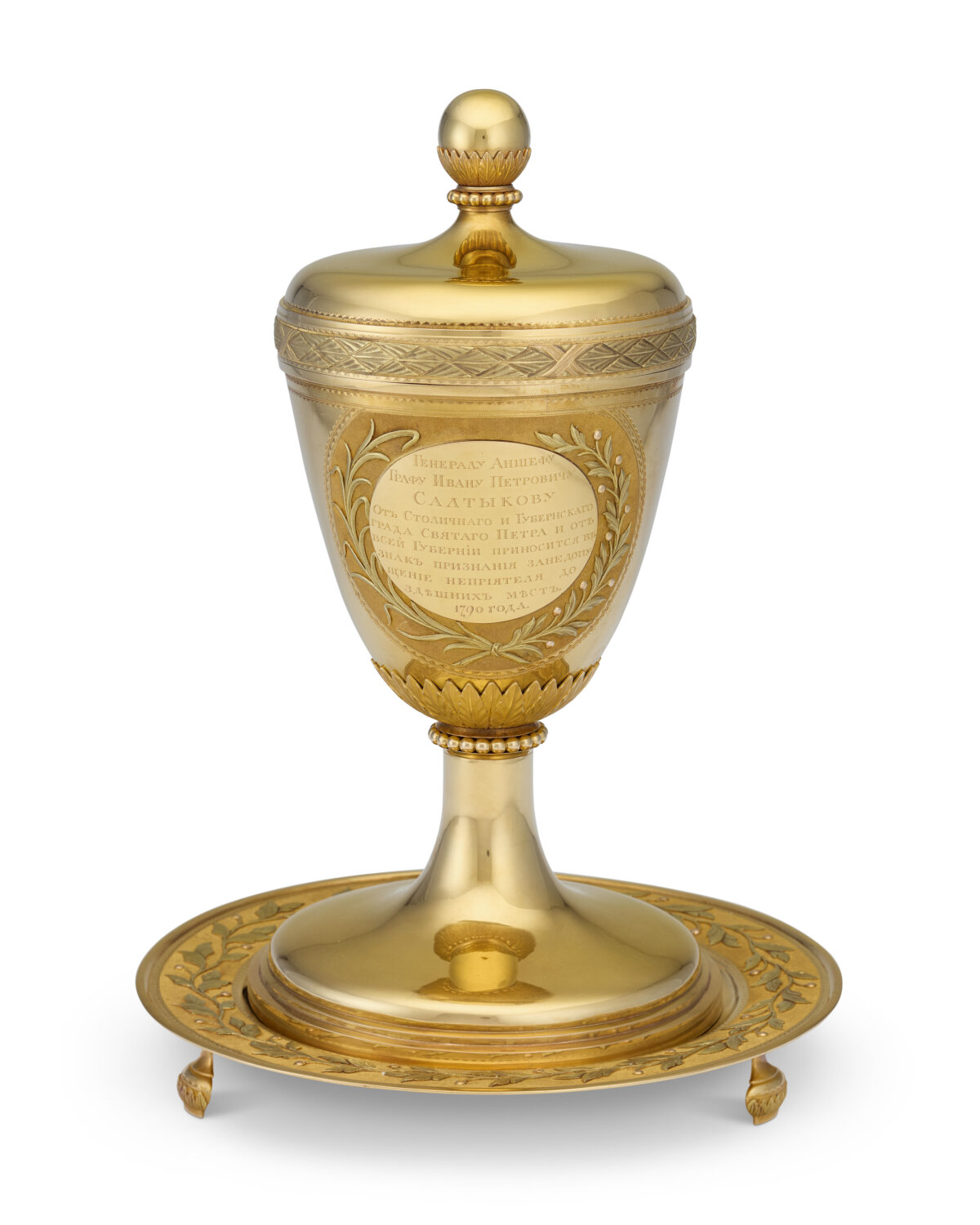
In addition to Fabergé, the auctions feature Russian works by other makers. A highly important and impressive Russian three-color gold cup, cover, and stand presented to Count Saltykov carries an estimate of $300,000 to $500,000.
Made by celebrated jeweler David Rudolph in 1790, it was given to the count in recognition of his military service. In 1908, Emperor Nicholas II acquired the cup for a sum nearly equivalent to the cost of one of the Fabergé Imperial Easter Eggs he commissioned that year.
Considered a masterpiece of 18th-century Russian goldsmiths’ art, this historically significant object is composed of the finest 21-carat gold, finished in both highly polished and matte textures, and decorated with motifs of laurels, acanthuses, and palms.
‘The Carnation’
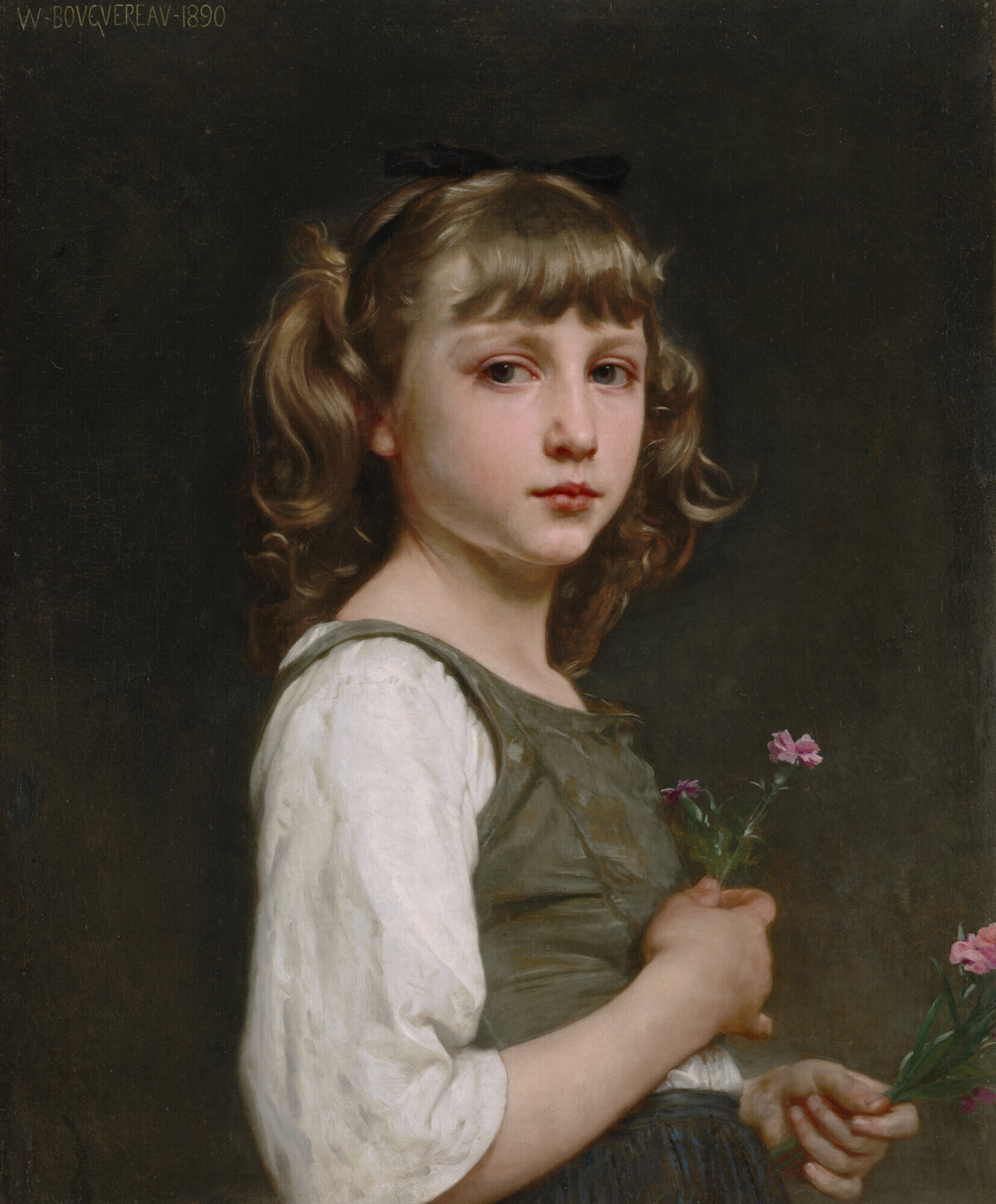
An additional auction highlight is a canvas by leading French academic painter William-Adolphe Bouguereau (1825–1905). Painted in 1890, “L’Oeillet” is estimated to be worth $200,000 to $300,000. It shows a pretty young girl from the countryside holding two small groups of pink carnations. Bouguereau specialized in idealized depictions of rural life. These scenes greatly appealed to American art collectors of the last quarter of the 19th century, who also appreciated Bouguereau’s technical skills.
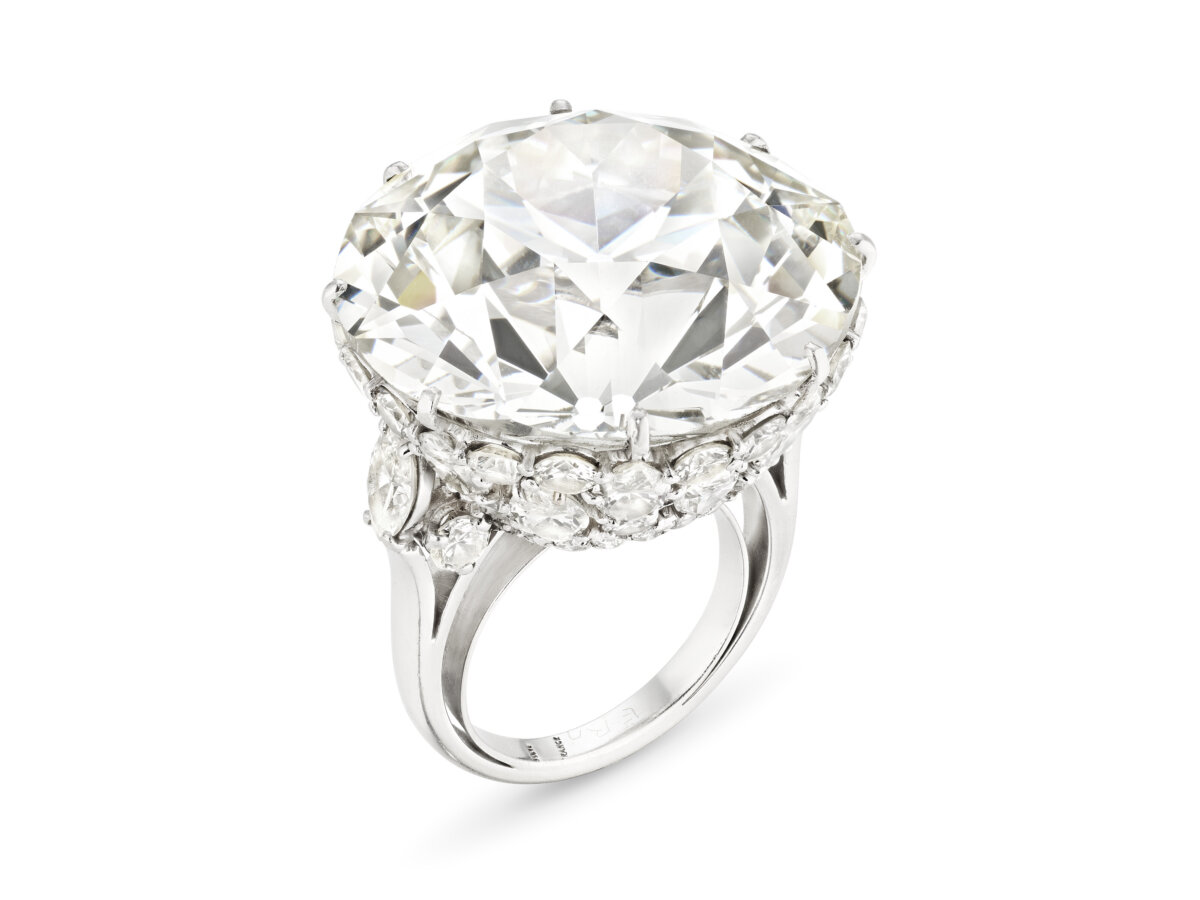
The two Matildas’ shared vision shaped a singular intergenerational collection. The auction lots, in both artistry and history, along with their stewards’ fascinating lives, sparkle as brilliantly as the dazzling 49.91 carat diamond ring also on auction. Affectionately called the “Tugboat diamond,” it is estimated at $500,000 to $700,000. Hopefully, successful bidders will treasure these items as much as their previous owners.
“A Treasured History: The Stream Family Collection” at Christie’s in New York City will be on view from June 5 to June 9, 2026. The live auction will run from June 10 to June 17, 2026. To learn more, visit christies.com.
What arts and culture topics would you like us to cover? Please email ideas or feedback to features@epochtimes.nyc