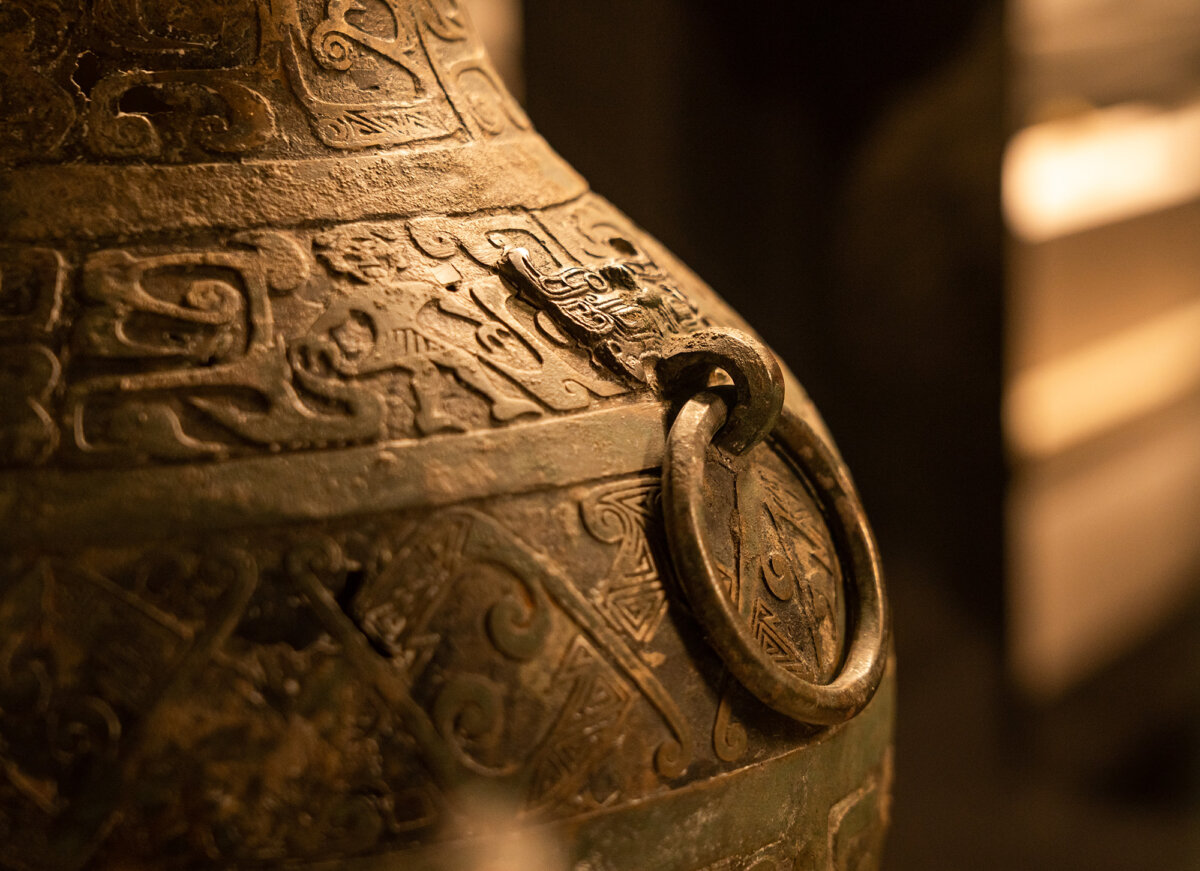
History buffs, rejoice! It’s possible to collect historical artifacts without having to file for bankruptcy as a result. You can begin to put together your own small museum, turning corners of your home into reliquaries of the past, even if you aren’t flooded with disposable income.
Why collect artifacts? Because history is about more than textbooks and dates and abstract theories. It’s written into the physical world we inhabit. History is real, and it happened to real people in real physical places. That’s part of why monuments, ruins, and artifacts matter. They put us in touch with the visceral reality of history and remind us of our place in it. As G. K. Chesterton wrote in “All I Survey”: “The disadvantage of men not knowing the past is that they do not know the present. History is a hill or high point of vantage, from which alone men see the town in which they live or the age in which they are living.”
Besides, what could be a classier piece of home decor than an item that has not just beauty but also historical meaning?
While owning a complete suit of armor or a life-size Greek statue isn’t feasible for most of us, the items on this list are not out of reach for the average history enthusiast, with most falling in the $10-$400 range. These make great gifts for historically inclined friends and family, too.
Note: Before launching into the list, it’s important to caution against scammers. Be sure to only buy artifacts from reputable dealers, preferably with certificates of authenticity included.
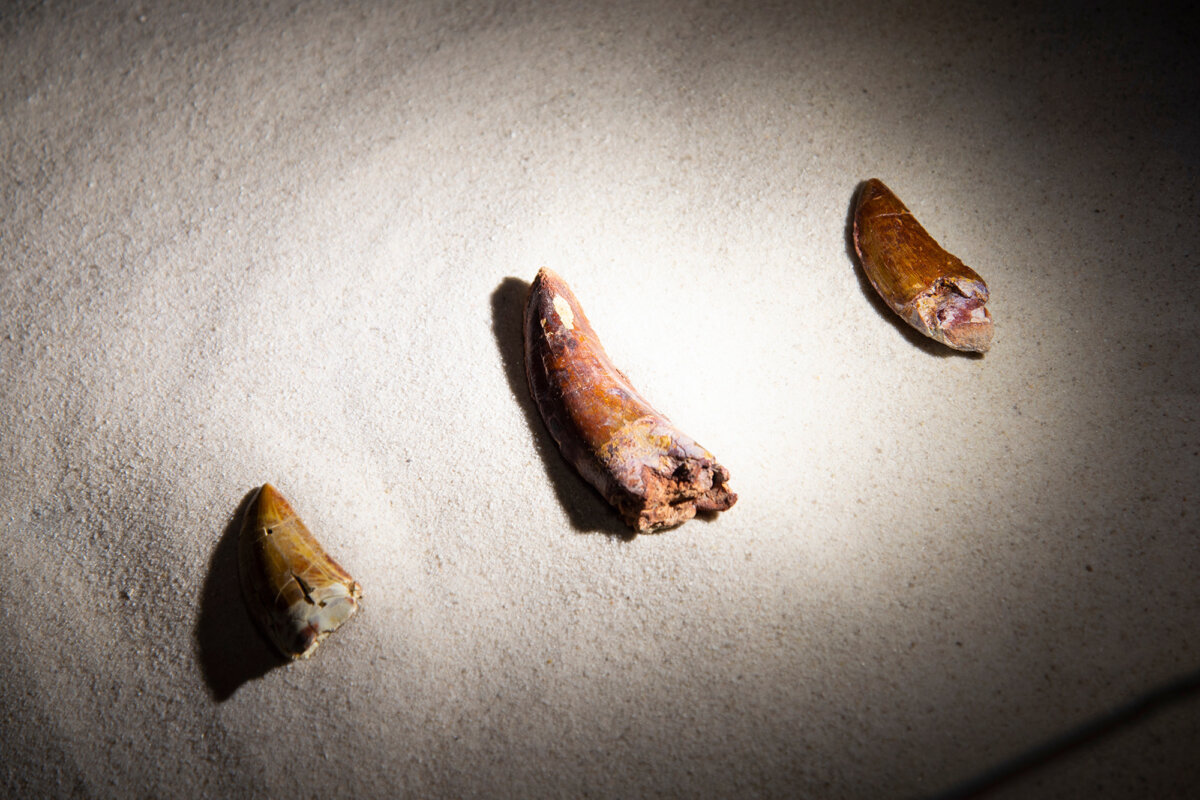
Dinosaur Teeth
We’ll begin our list with a few items from long before the dawn of human history. You can easily purchase a real dinosaur tooth for less than $400—sometimes as little as $35. That would make an amazing piece of shelf or desk decor.
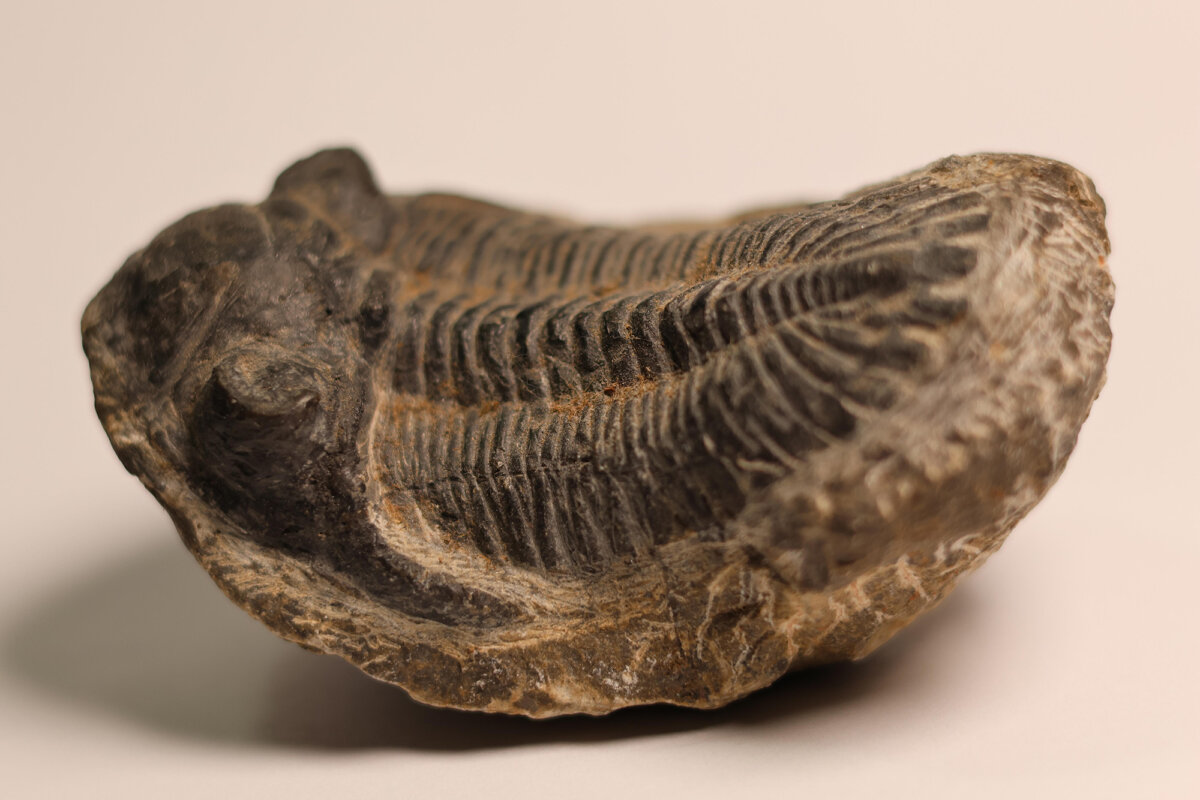
Trilobite Fossils
Incredibly, trilobite fossils can be had for just a few dollars. Of course, larger, higher-quality specimens can be much more expensive, but the small and cost-effective ones offer a great entry point into fossil collecting. Trilobites are one of the most commonly found fossils, which helps keep the price down. FossilEra offers a wide selection, and even has a page listing fossils you can buy for under $50.
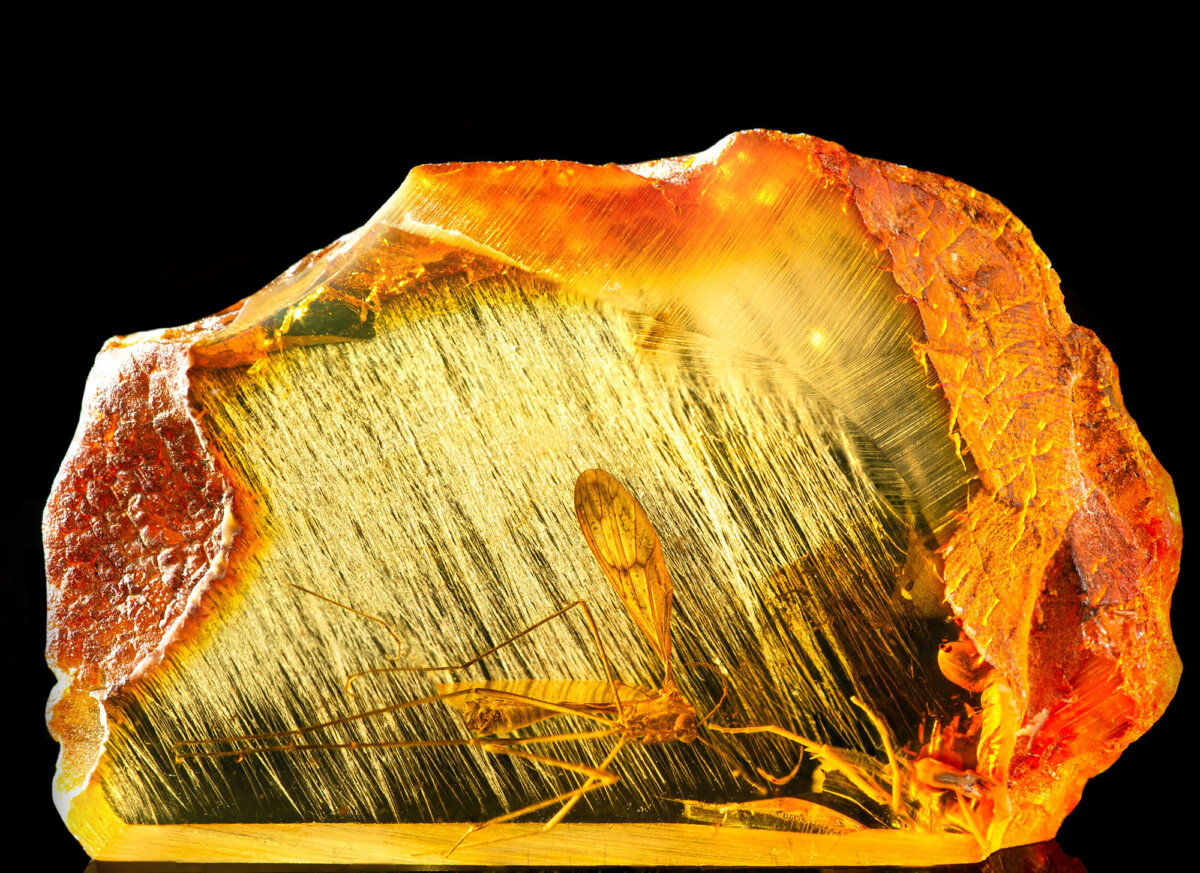
Insects Trapped in Amber
You can acquire a prehistoric bug trapped in amber—just like the famous scene from “Jurassic Park”—for about $30. Of course, higher-quality specimens can cost hundreds of dollars. Some of these specimens are literally millions of years old.
Ancient Stone Tools
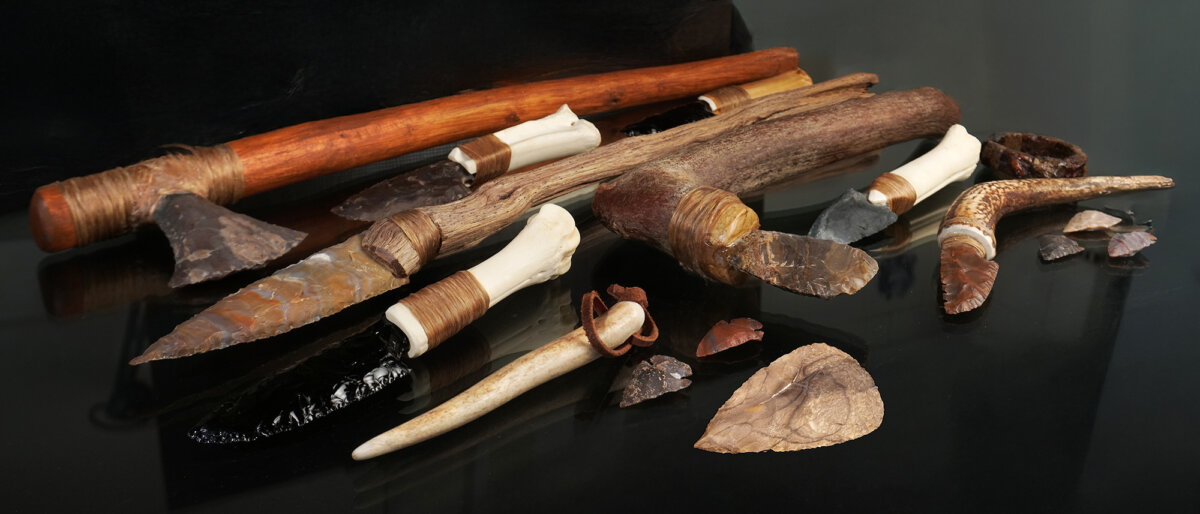
Transitioning from natural history to the early history of humanity, it’s time to consider the traces left behind by prehistoric man. It’s possible to acquire prehistoric stone tools at a reasonable price, such as a 12,000-year-old Neolithic stone scraper from Africa for $209.
Ancient Coins
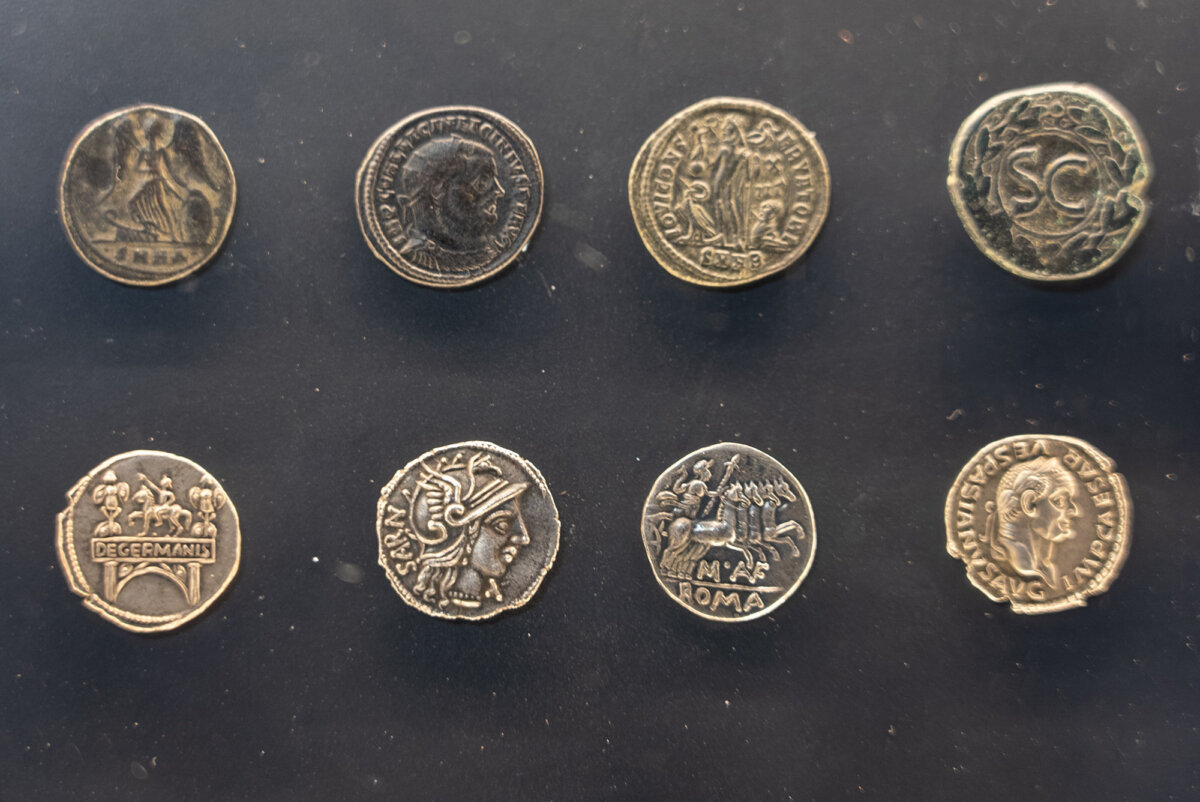
Ancient coins from Rome, Greece, Arabia, the Islamic world, and many other areas are widely available online on sites like eBay, sometimes for as little as $5. Again, beware of scammers when shopping from sources like eBay.
Statues
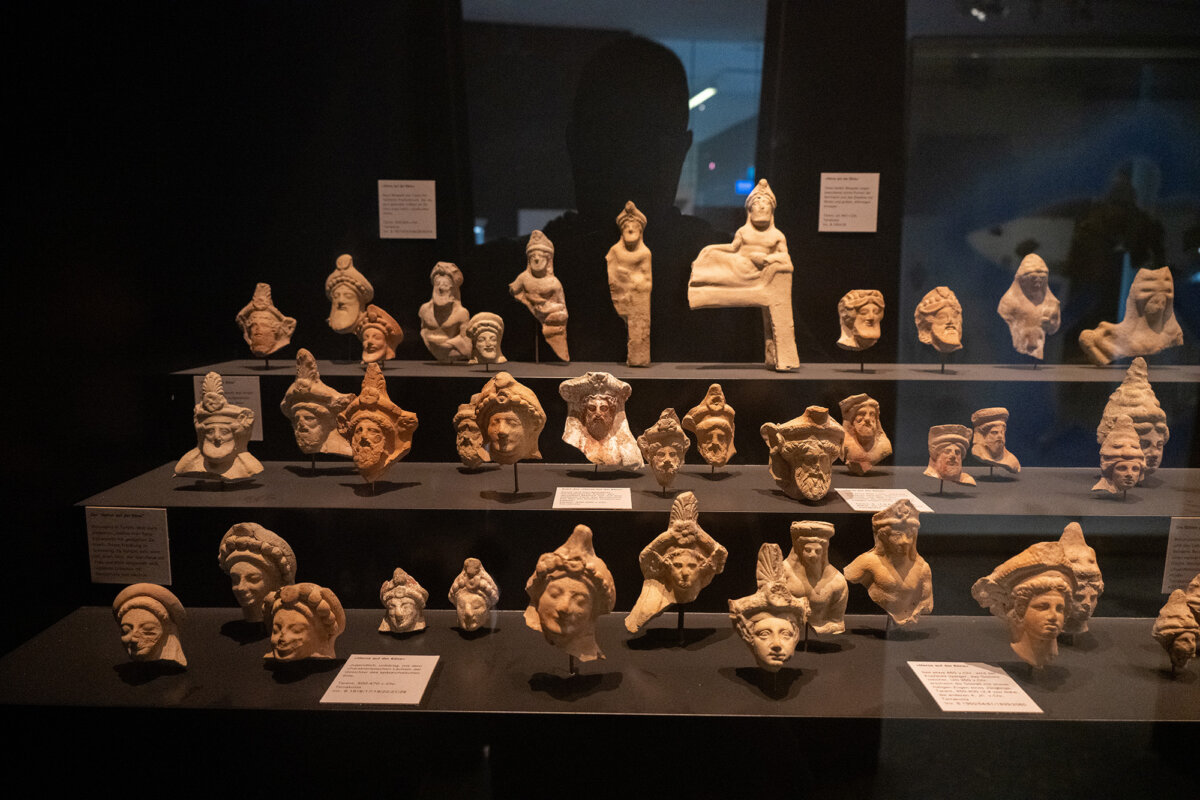
Statues, especially if they’re small, don’t have to cost a fortune. The artifact dealer Relic and Rarity, for instance, sells many small figurines and statues for under $400, such as terracotta heads from the ancient Mediterranean and temple carvings from the Qing Dynasty.
A Page From an Illuminated Manuscript
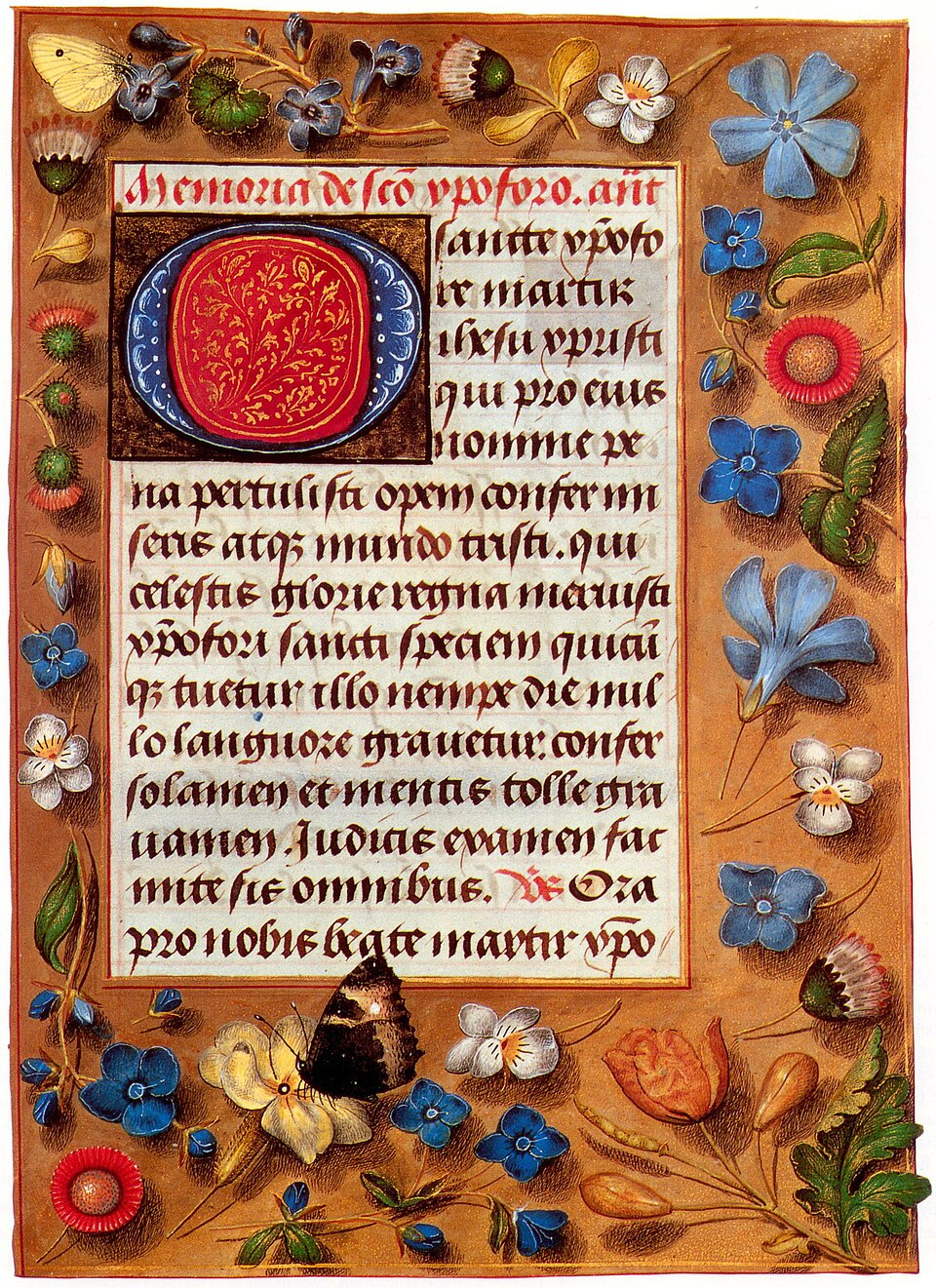
I was able to acquire a beautiful illuminated manuscript page from a medieval “Book of Hours” for a little over $200. You can find some pages for even less than that on eBay, though most tend to be in the multiple hundreds of dollars. Large or particularly fine pages can run over $1,000.
Arrowheads
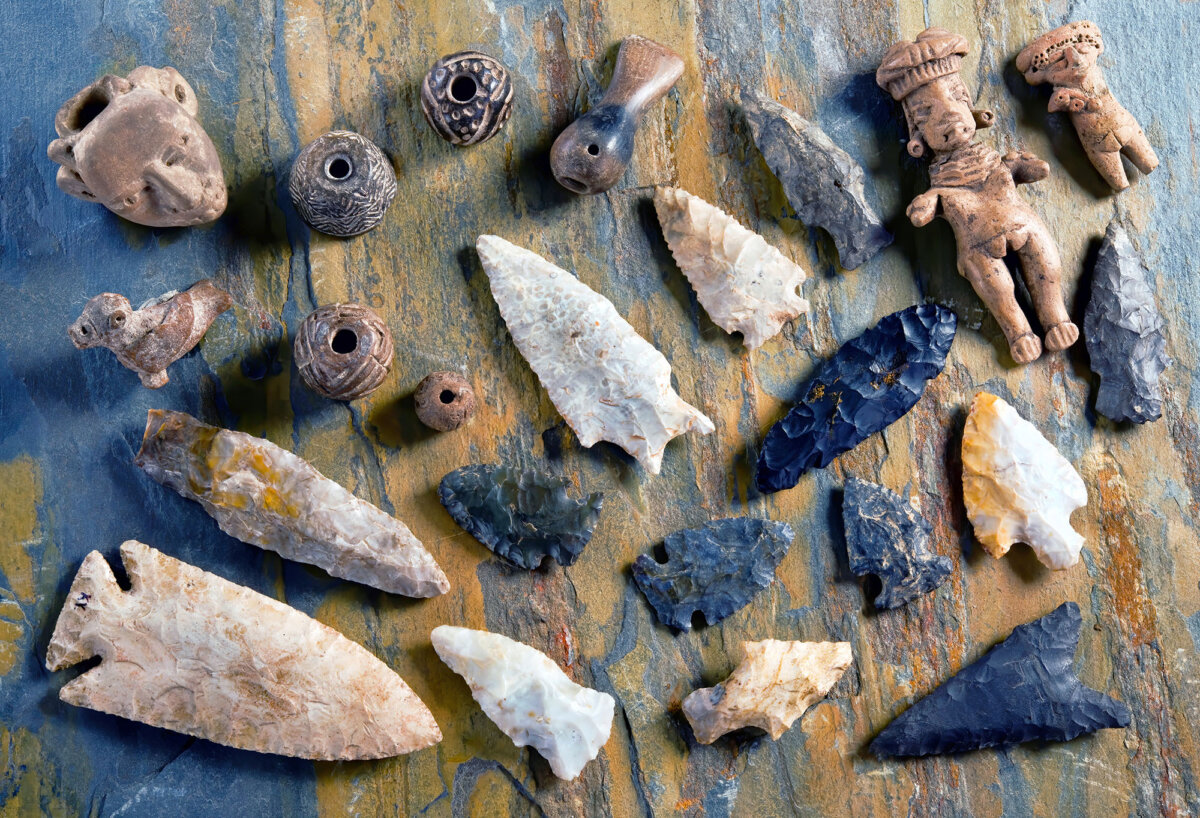
Among the most inexpensive entries on this list, arrowheads can be obtained for as little as $10 to $15. These artifacts are relatively common in North America, and owning one gives physical access to the pre-Columbian history of the continent.
Pottery
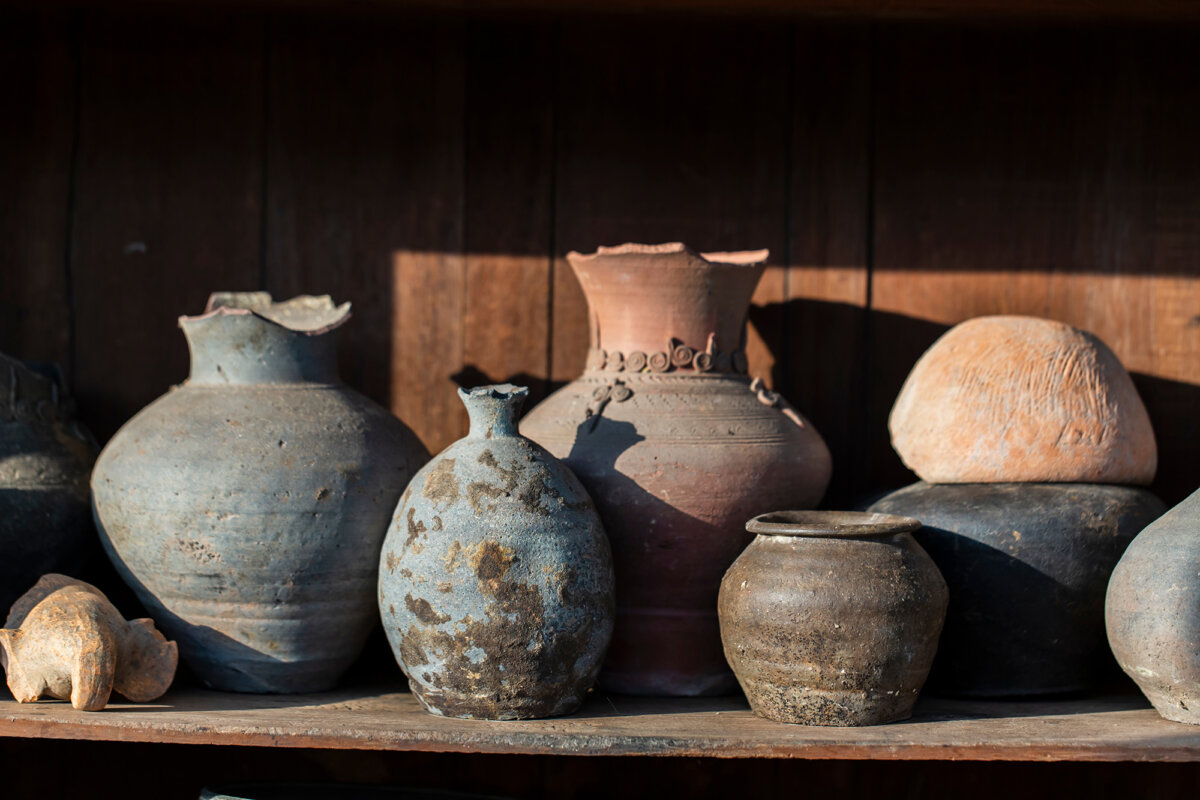
Authentic ancient Greek and Roman pottery isn’t hard to come by, though price varies dramatically. Smaller, less decorated pieces can be had for less than $400, and shards for even lower prices. What was once a household object for ancient Mediterranean peoples can become a part of your household.
Fragments of Larger Artifacts
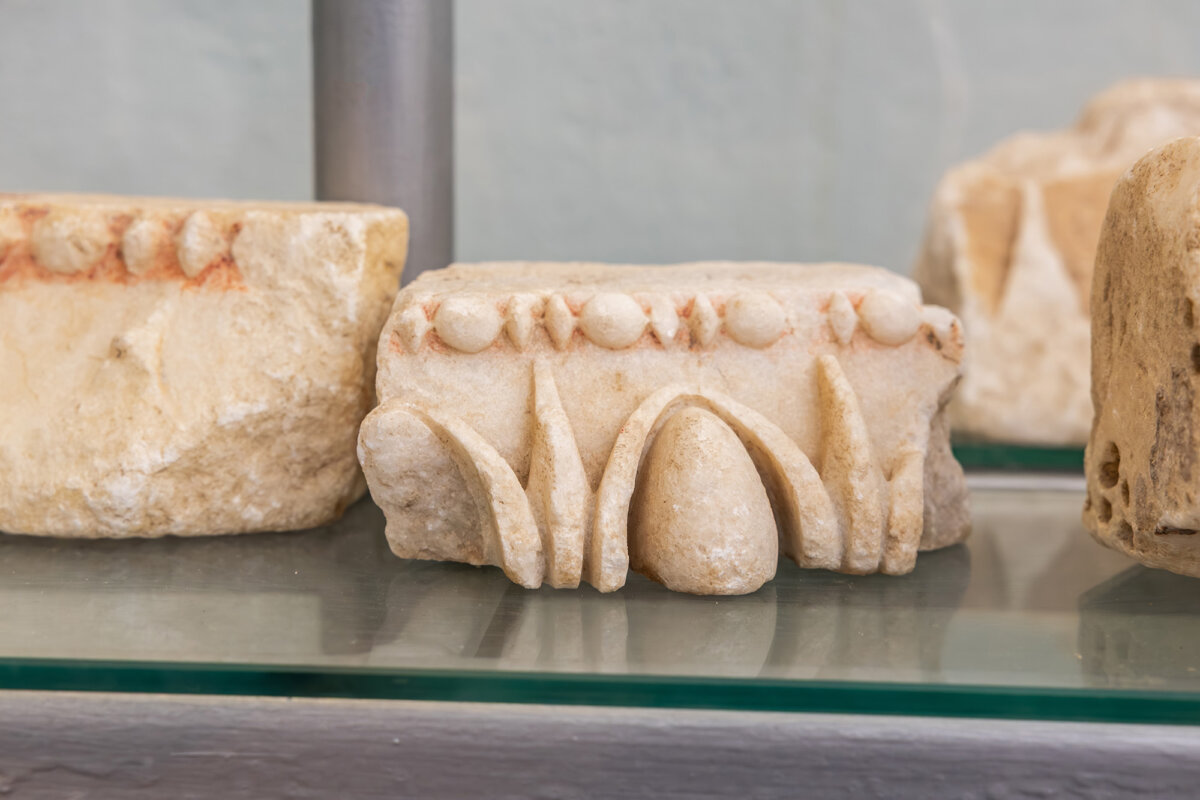
Mini Museum offers a wide range of encased fragments from larger artifacts, such as a piece of “Old Ironsides,” a chunk of Venice brick, or a shard of a Viking axe. Just be aware that some of these fragments are indeed quite tiny, as the name of the company suggests.
Old Newspapers
All major events we think of as historical were once breaking news. Acquiring old newspapers gives us this fresh perspective on history, and it can be done relatively cheaply. For example, in the past, History Hoard has offered newspapers from the Civil War era for just $25 to $30.

Ancient Jewelry
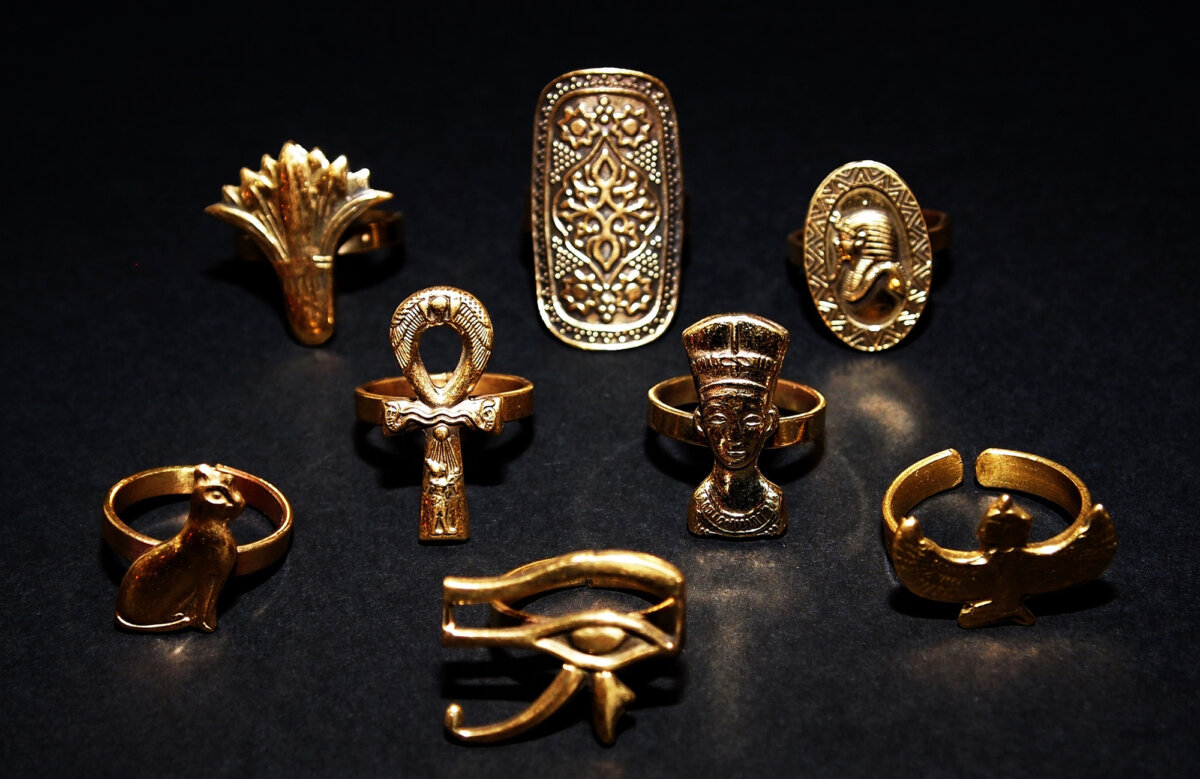
Ancient rings, bracelets, torcs, and the like can be acquired for surprisingly affordable prices, with some selling for just a couple hundred dollars or less. Combining beauty and history, these are ideal items to add to a home museum.
Rare Books
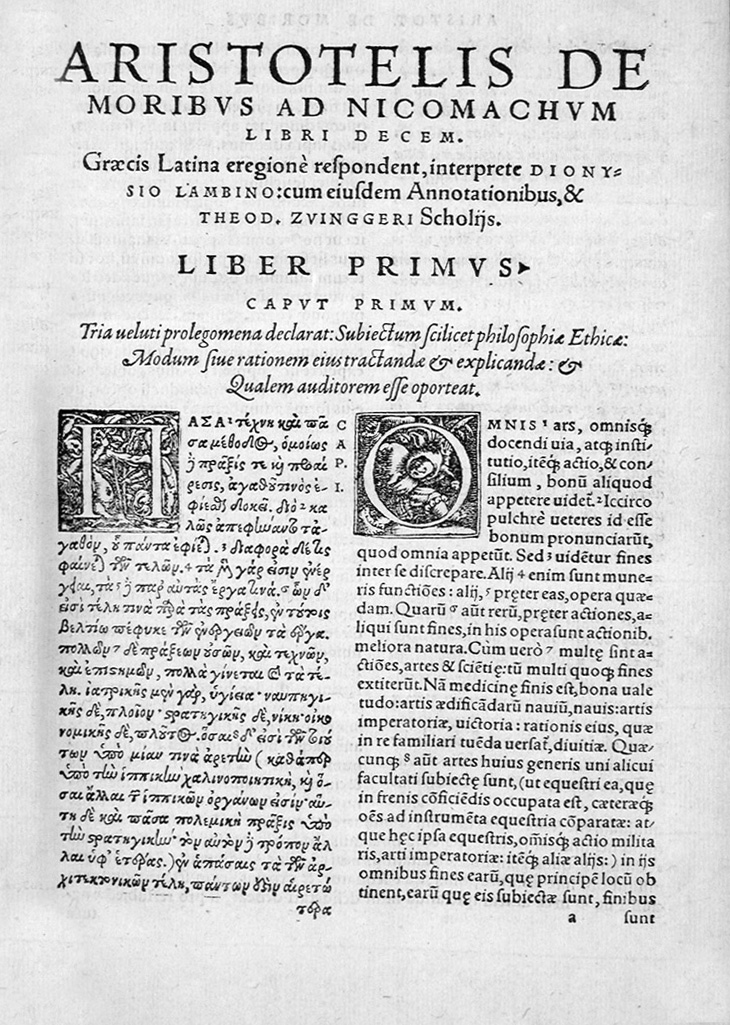
From Aristotle’s “Ethics” to Newton’s “Philosophiæ Naturalis Principia Mathematica,” history has been written—quite literally—by influential books down through the centuries. Owning a historical copy of one of these seminal texts lets you hold in your hand the intellectual story of humanity. It gives insight into the works and ideas that have shaped the world as we know it. Depending on the age and importance of these texts, they can cost thousands of dollars. But many can also be acquired for just a few hundred.
This list is not, of course, exhaustive. A whole world of historical artifacts is waiting to be explored, and thanks to continued archeological excavations and ethical and responsible dealers, there are plenty of options for the amateur collector to build his or her collection at an affordable price.