



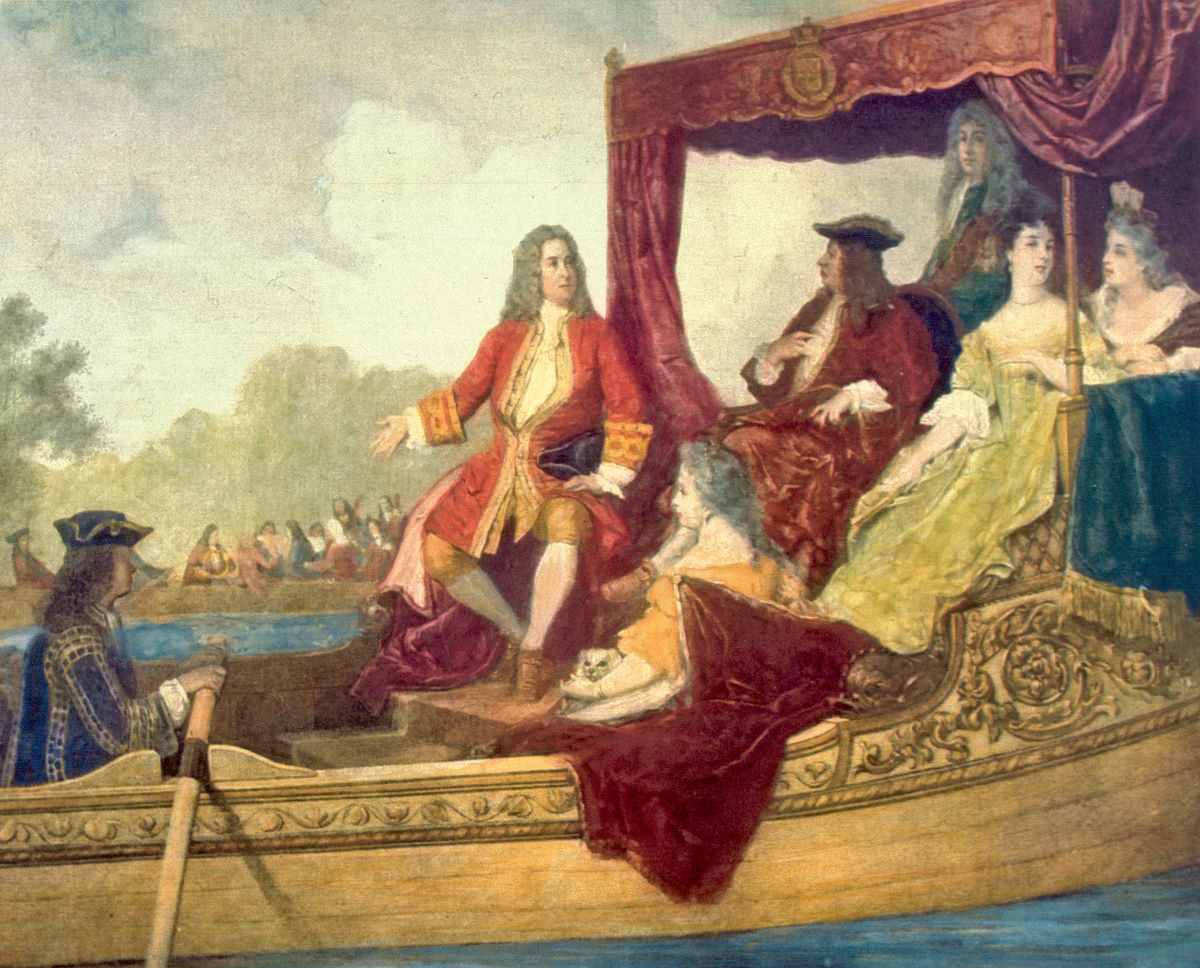
King George I was planning a party.
The year was 1717, just three years after his accession to the throne, yet the King’s authority was still very much in contention. Born and raised in Hanover, a principality of the Holy Roman Empire, he had not set foot in England for nearly four decades before becoming its king. He spoke little English. Yet in 1714, upon the death of Queen Anne and under the terms of the Act of Settlement of 1701—which established Protestant succession—this German prince found himself ruler of Great Britain.
Not long after his accession, the Jacobite rising of 1715 called his legitimacy into question. Sympathizers of the old royal line took up arms and were suppressed, but the episode laid bare the fragility of the new regime. By 1717, a bitter public feud with his own son, the Prince of Wales, had further damaged an already precarious public image.
It was under these circumstances that a grand celebration was planned. A successful display would strengthen the image of the royal throne; a failure, the opposite. A maritime pageant was decided upon: On the evening of July 17, 1717, the royal barge would carry the king and his court down the Thames, in full view of the city of London.
But the celebration still lacked one key component: music fit for a king. That is the origin of George Frideric Handel’s “Water Music”—a possibly apocryphal peace offering to the pride of a wounded king.
George Frideric Handel
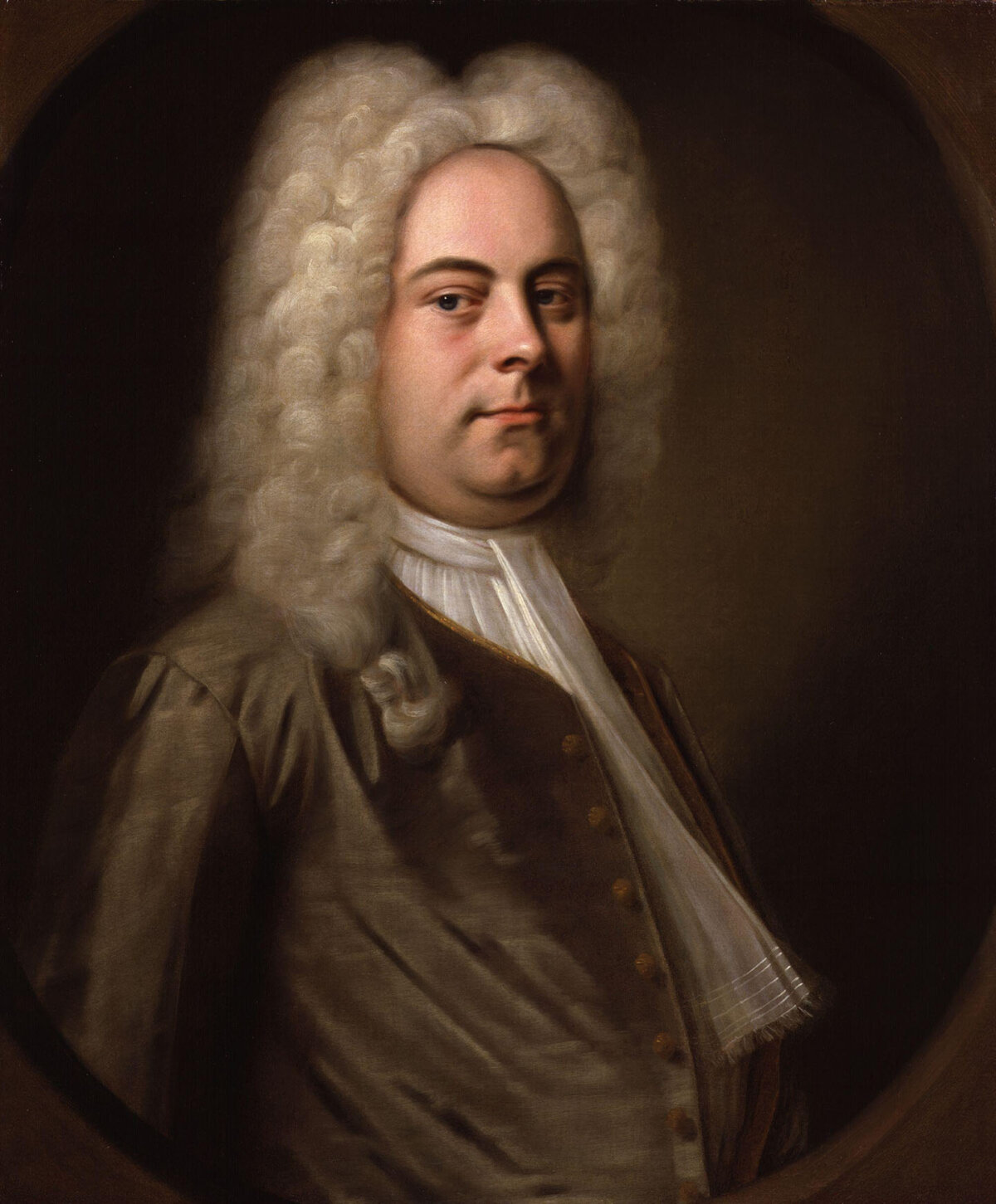
Handel’s ties to the British crown began long before he set foot in London. Prior to becoming a naturalized British subject in 1727, Handel was born in Halle, in what is now Germany. After absorbing the Italian operatic tradition on a formative trip to the south, he found employment as kapellmeister, or music director back in his homeland. More specifically, he was the kapellmeister at the Court of Hanover. His employer? Elector Georg Ludwig—the future King George I of Britain.
Things did not remain comfortable for long. Handel, already a great admirer of London, requested permission to visit England, which was granted. He became enamored with life there, finding both fame and fortune in the city’s thriving musical scene. Though still technically kapellmeister of Hanover, Handel spent many of the following years in Great Britain, effectively abandoning his post in Germany.
History, as it turned out, had other plans. In 1714, Georg Ludwig arrived in Britain, and, if legend is to be believed, he was furious with Handel for his abandonment. While popular narrative holds that Handel, now in a bind, composed his “Water Music” as an attempt to win back the king’s favor, it may have just been simple court entertainment for a royal occasion.
What is clear was that King George loved the piece. As the royal barge proceeded along the Thames in a full ceremonial display, another barge carrying 50 musicians followed, projecting the lively notes of Handel’s “Water Music” suite. As crowds of onlookers flooded the river in all manner of rowboats and small ships, Prussian resident Louis Frederick Bonet recorded, “His Majesty’s approval was so great that he caused it to be played three times in all, twice before and once after supper, even though each performance lasted an hour.”
‘Water Music’
Today’s recording of Handel’s “Alla Hornpipe” from Water Music Suite No. 2 in D major is by the FestspielOrchester Göttingen, directed by Laurence Cummings. (Listen)
Designed for the outdoors, the “Hornpipe” movement features brilliant horn and wind fanfares. The punchy opening rhythm evokes a sense of ceremonial grandeur, with prominent French horn figures taking center stage.
The term “hornpipe” originally referred to a wooden or bone pipe with finger holes and a mouthpiece made from animal horn. Later, it referred to the dance that accompanied this instrument. It is associated with the British Isles, particularly among sailors and coastal communities.
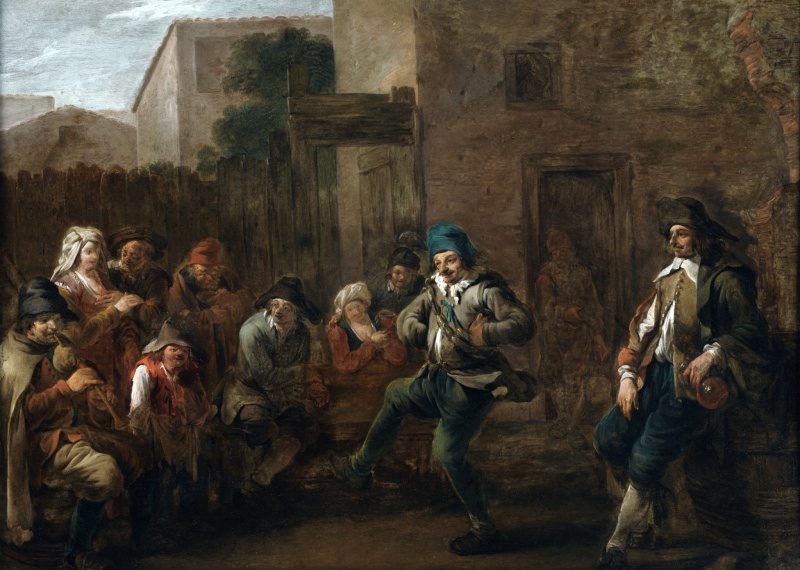
By the baroque period, the term had evolved into a stylized instrumental dance movement used in orchestral and court performance. The rustic and raw music of taverns and dockside culture was refined into a stately and aristocratic form, tapping into the richly ornamental sound of the era.
What arts and culture topics would you like us to cover? Please email ideas or feedback to features@epochtimes.nyc.
