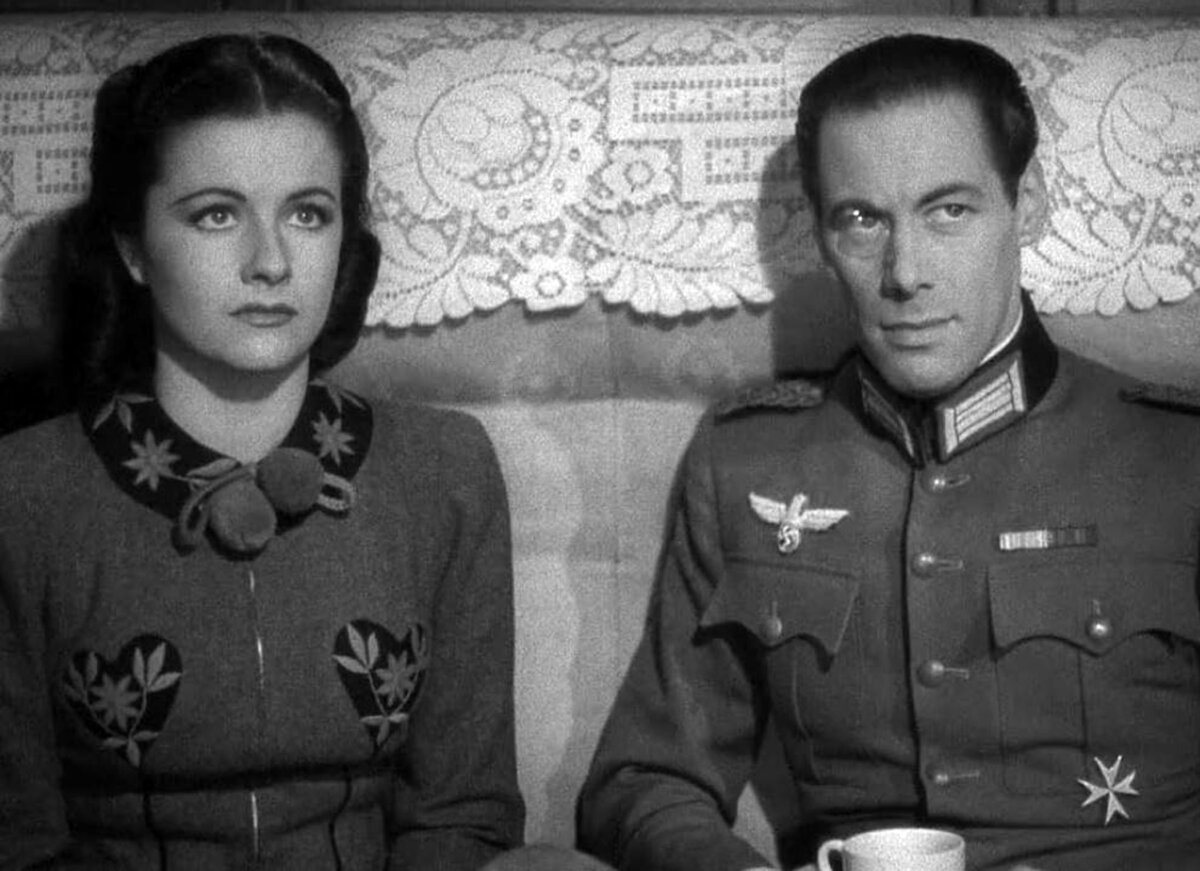
NR | 1h 30m | Drama, Romance, Thriller | 1940
“Night Train to Munich” premiered in Britain in July 1940, which gives the film a unique vibe no studio memo could fake. Director Carol Reed was making this spy thriller while Europe was being carved up in real time.
Germany had already taken Czechoslovakia and invaded Poland. The Third Reich then swept through much of the European continent in roughly six weeks. By late June, France had signed its armistice and Britain was left alone facing Nazi Germany across the English Channel.
While the Nazis were still blitzing all over Europe, the United States was still officially neutral, as it remained until December 1941 after the surprise attack on Pearl Harbor. Britain, meanwhile, had to keep people alert, angry, and amused enough to keep going.
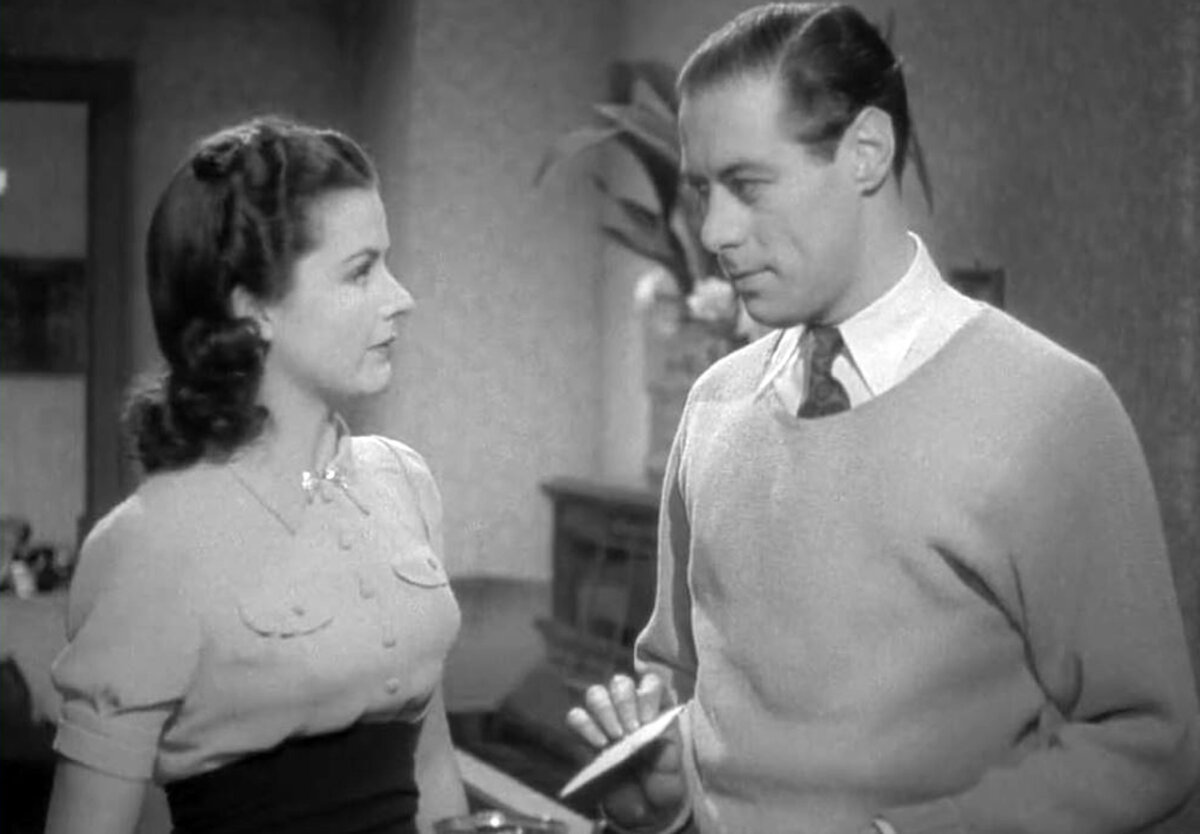
This is indeed a patriotic film, and thank the heavens for that. In 1940, free Western countries needed films that could stiffen the spine and mock the enemy. They reminded audiences that cleverness, nerve, and decency still had a place in the fight.
Reed’s film does that with trains, disguises, and a few British fools who turn out less foolish than they first appear.
The picture also carries over a few old friends from “The Lady Vanishes,” Alfred Hitchcock’s 1938 British train thriller. Reed directed “Night Train to Munich,” with Margaret Lockwood returning from that earlier hit. She’s joined by Rex Harrison, Paul Henreid, Basil Radford, and Naunton Wayne.
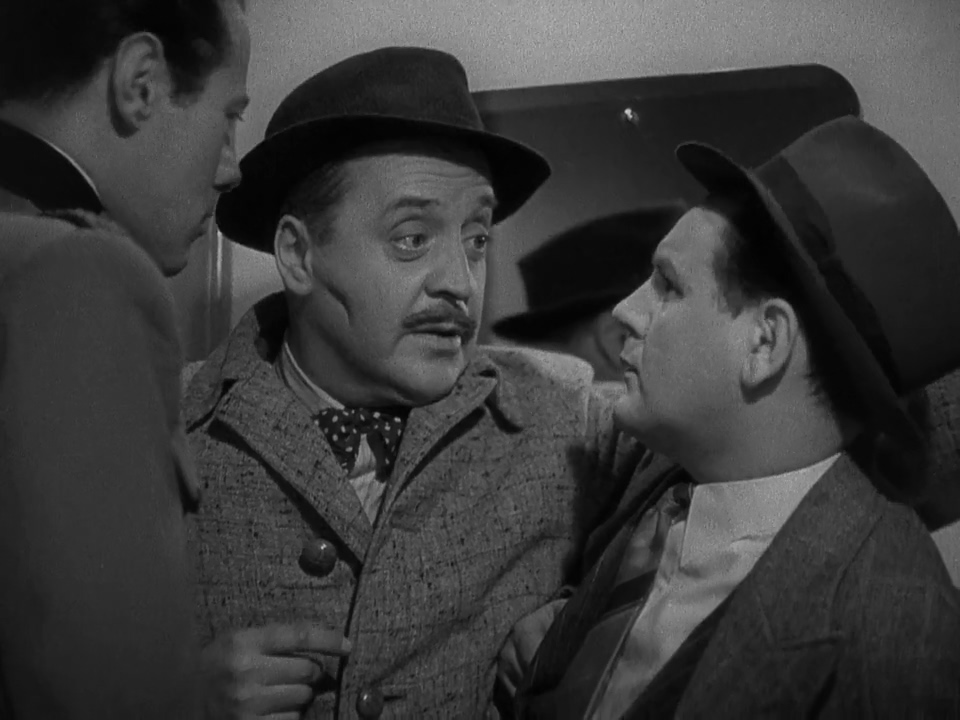
Radford as Charters and Wayne as Caldicott also bring back the cricket-mad Englishmen who first wandered through Hitchcock’s film. The pair worried about match schedules while spies, kidnappers, and killers made travel difficult.
That comic streak keeps the film from turning into a civics lecture. Reed knows the Nazis are vicious, and the film never pretends otherwise, yet he keeps slipping wit through the cracks.
The story opens with occupied Prague. There are secret military research, arrests, and betrayal. The plot then makes room for jokes about luggage and schedules.
Deceptive Escape
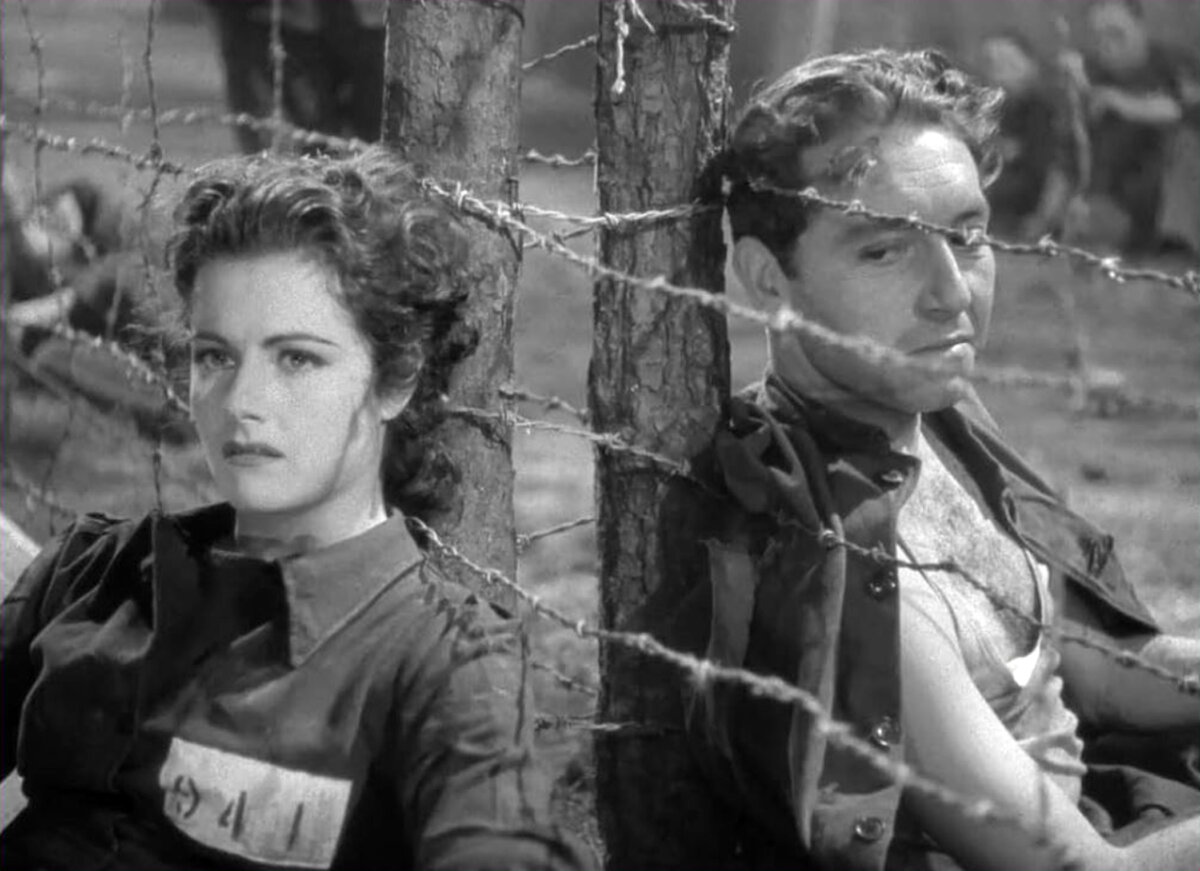
When the Nazis take Prague in March 1939, Dr. Axel Bomasch (James Harcourt) has exactly the kind of military research Berlin wants: armor plating that could help their war machine. He gets out to Britain, but his daughter Anna Bomasch (Lockwood) is caught before she can escape. There she meets Karl Marsen (Henreid); he presents himself as a fellow captive. Karl proves useful in exactly the way movie scoundrels often prove useful. He’s smooth and appears just at the right time. He helps her get away, and she reaches England believing she has found an ally.
Britain already has Bomasch hidden under naval protection, and Dickie Randall (Harrison) is part of the intelligence net around him. Randall first comes off like a light-comedy fellow who might wander into danger because the bar closed early. He then proves he can think fast once the Nazi trap closes around father and daughter.
Stumbling Spies
The film throws Nazi espionage, stolen military research, prison-camp escapes, fake identities, railway suspense, and a lukewarm romance into a blender, and the results get pretty ridiculous at times.
Harrison struts around looking incredibly suave. He has the right glide for Randall, especially once the German disguise routine begins. He looks like a man who could talk his way past a checkpoint, charm the wrong clerk, and still have time to complain about the wine.
Lockwood gets stuck in the background too often. This is a shame, since the film opens by giving Anna enough nerve to be more than cargo in a spy plot.
The European language issue is best accepted as part of the ticket price. Everyone seems to understand everyone else in English, with grating accents working heroically overtime.
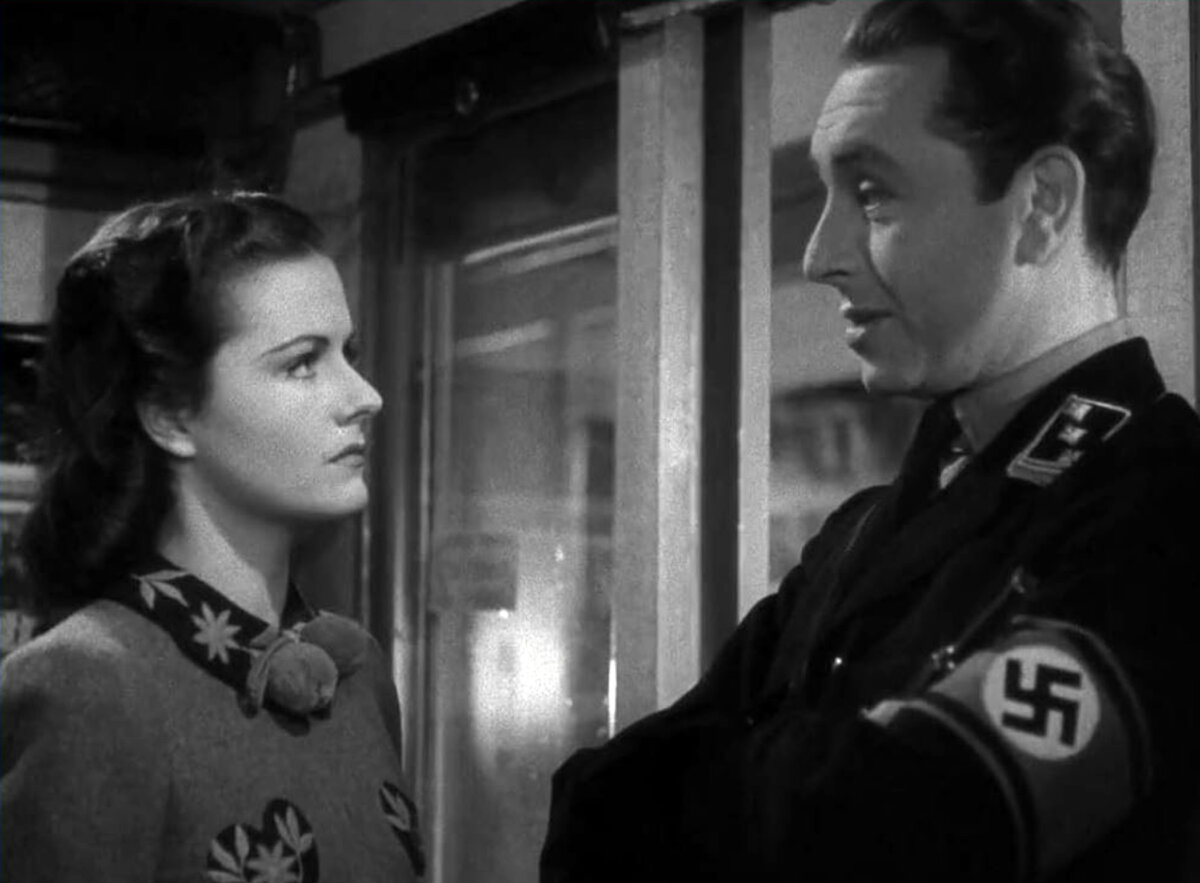
Henreid gives the film its coldest threat. His character’s manners are part of the trap. Once his real purpose comes out, the performance makes him repellent in a polished, watchable way.
The finale near the Swiss border is a grand old pileup of nerve, luck, and ammunition that seems to magically regenerate inside every gun. Reed asks the audience to accept a lot: shaky disguises, miraculous timing, and gunplay with its own private math.
“Night Train to Munich” remains brisk, clever, and cheerfully cracked, with enough anti-Nazi bite to survive its weaker romance subplot and runaway third-act comedy.
It’s a mixed bag, but a mixed bag with Harrison in Nazi drag and the Charters character buying “Mein Kampf” like a man trying to decode poor railway service.
“Night Train to Munich” is available on FlixFling, Tubi TV, and Mometu.
‘Night Train to Munich’
Director: Carol Reed
Starring: Margaret Lockwood, Rex Harrison, Paul Henreid
Not Rated
Running time: 1 hour, 30 minutes
Release Date: Dec. 29, 1940
Rated: 3 1/2 stars out of 5
What arts and culture topics would you like us to cover? Please email ideas or feedback to features@epochtimes.nyc