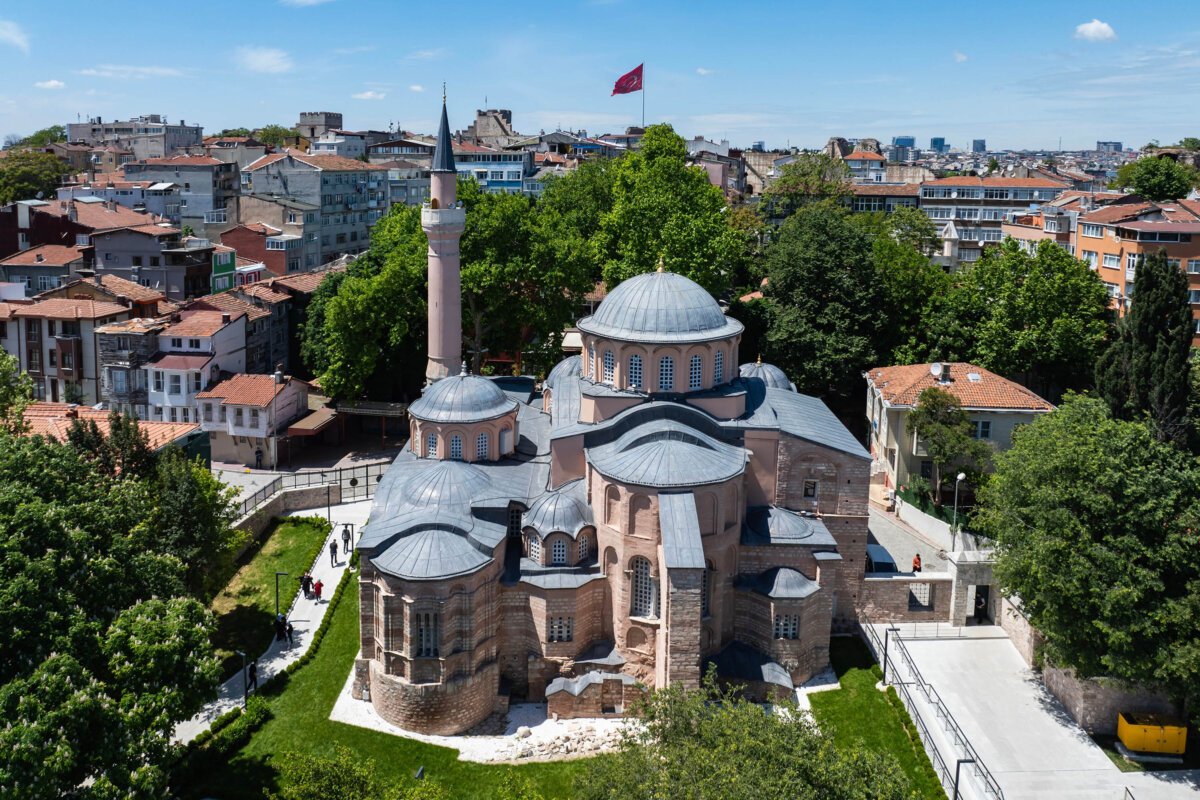
Fifteen centuries ago, Byzantine hands laid the foundations of a building that would outlast every empire that tried to claim it. The church originally stood just outside the city’s fortress walls, at the edge of ancient Constantinople. Built in 534 during Emperor Justinian’s reign, it owes its origins to the devout Saint Theodus, who commissioned the structure during one of Byzantium’s most ambitious eras of construction.
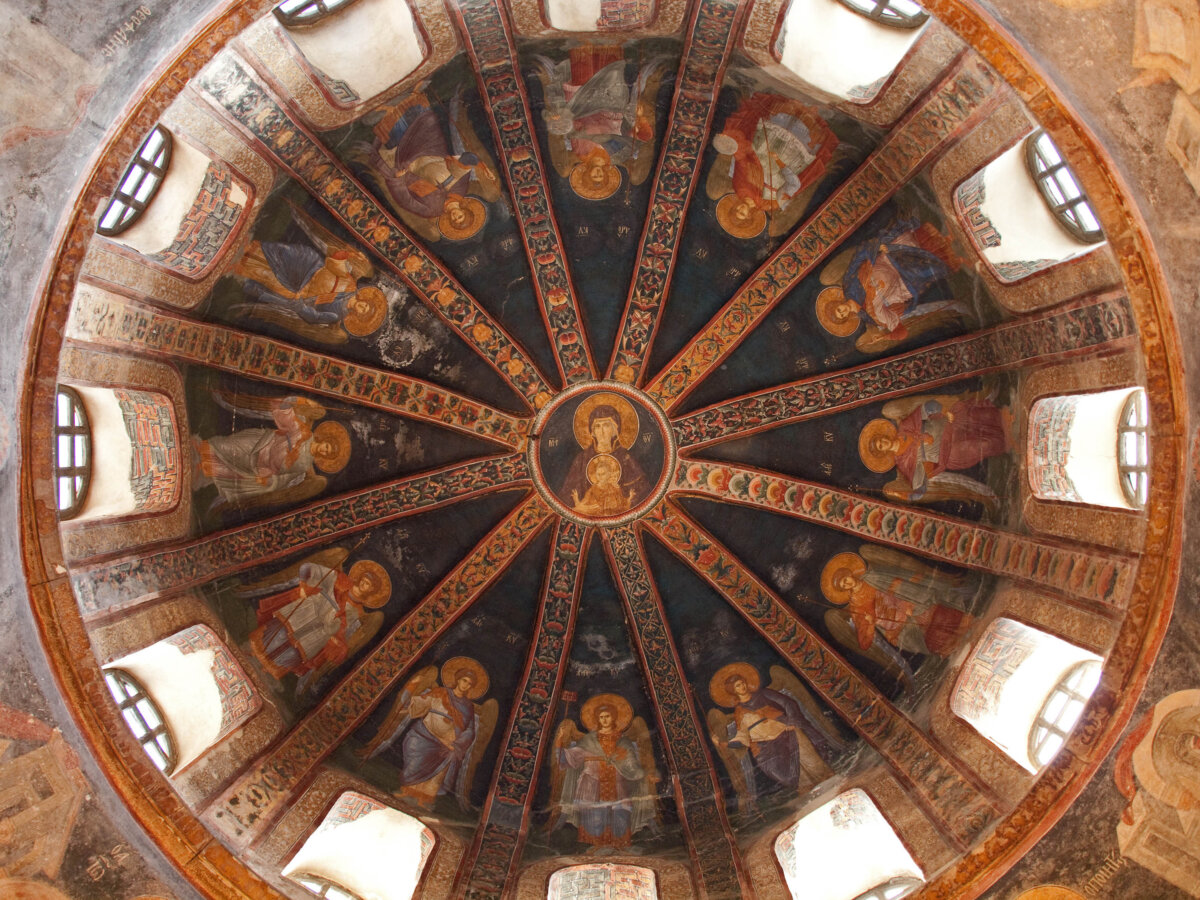
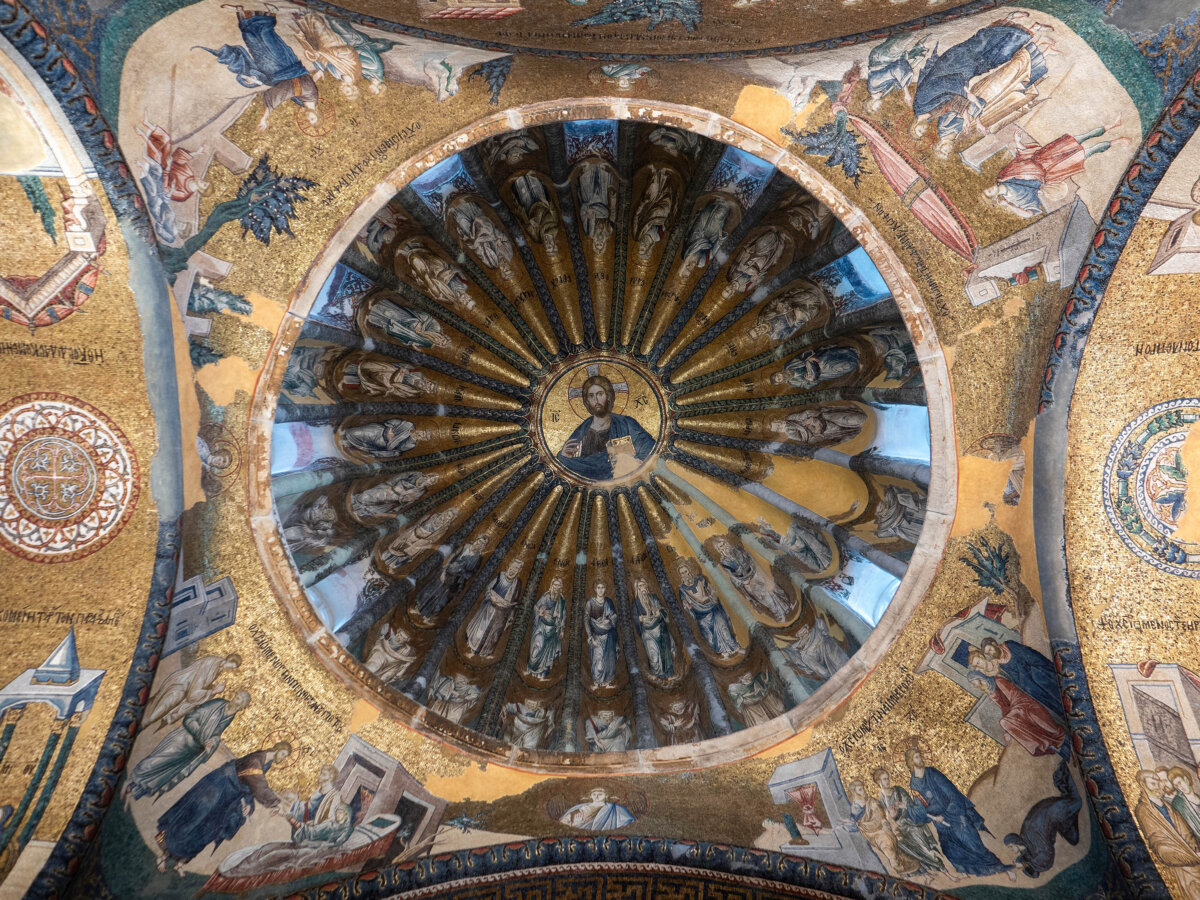
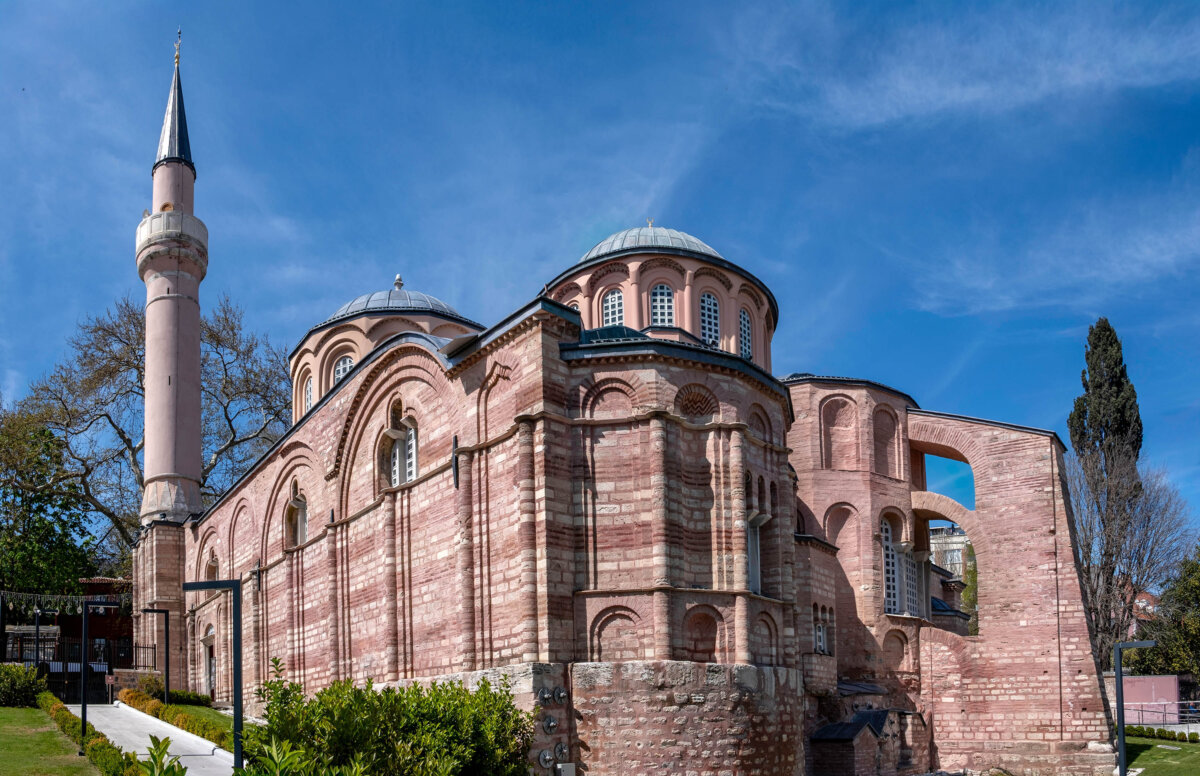
Today, the building is divided into three principal areas: the narthex, or entrance hall; the nave, which forms the main body of the church; and the parekklesion, a side chapel with a funerary function. Six domes crown the interior, each one drawing the eye upward into a world of ancient imagery. Its plan lacks the perfect geometric cohesion typical of earlier Byzantine churches, reflecting many alterations over the centuries. Through conquest and conversion, the structure endured continual transformation without losing its spiritual gravity, making it one of history’s most singular testaments to artistic patronage and human reinvention.
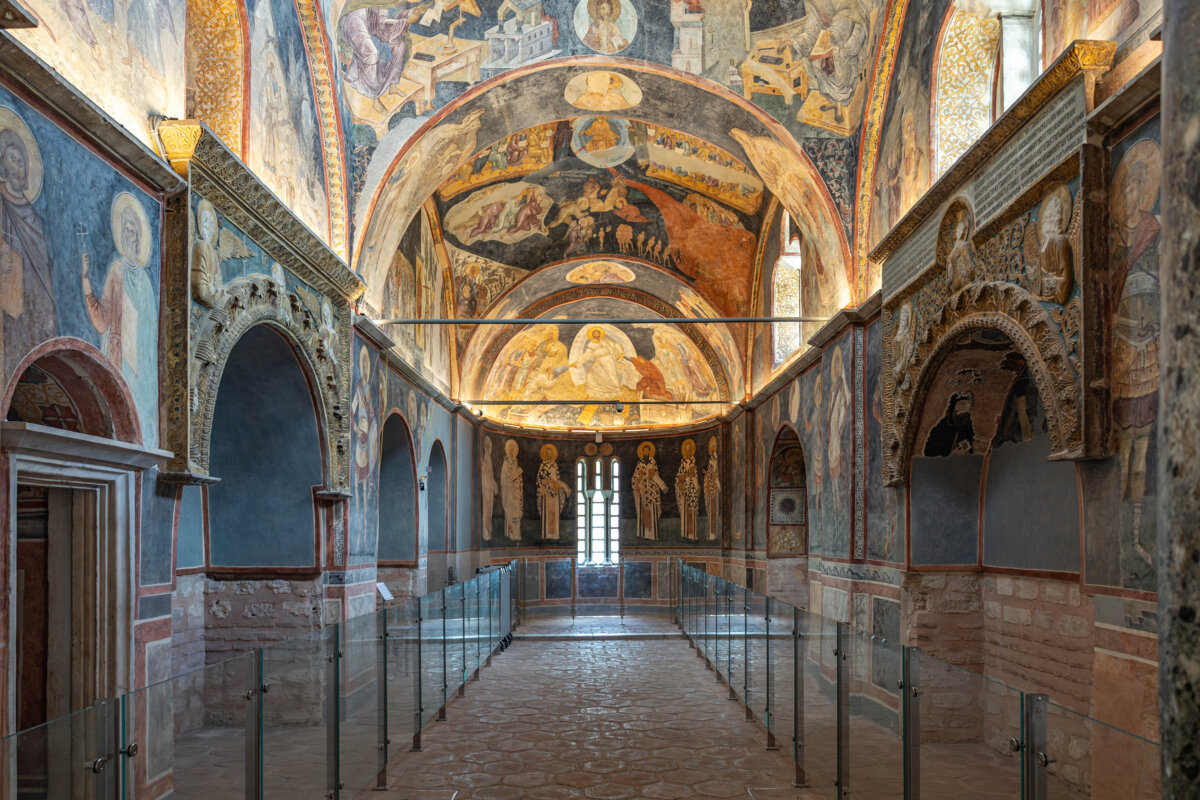
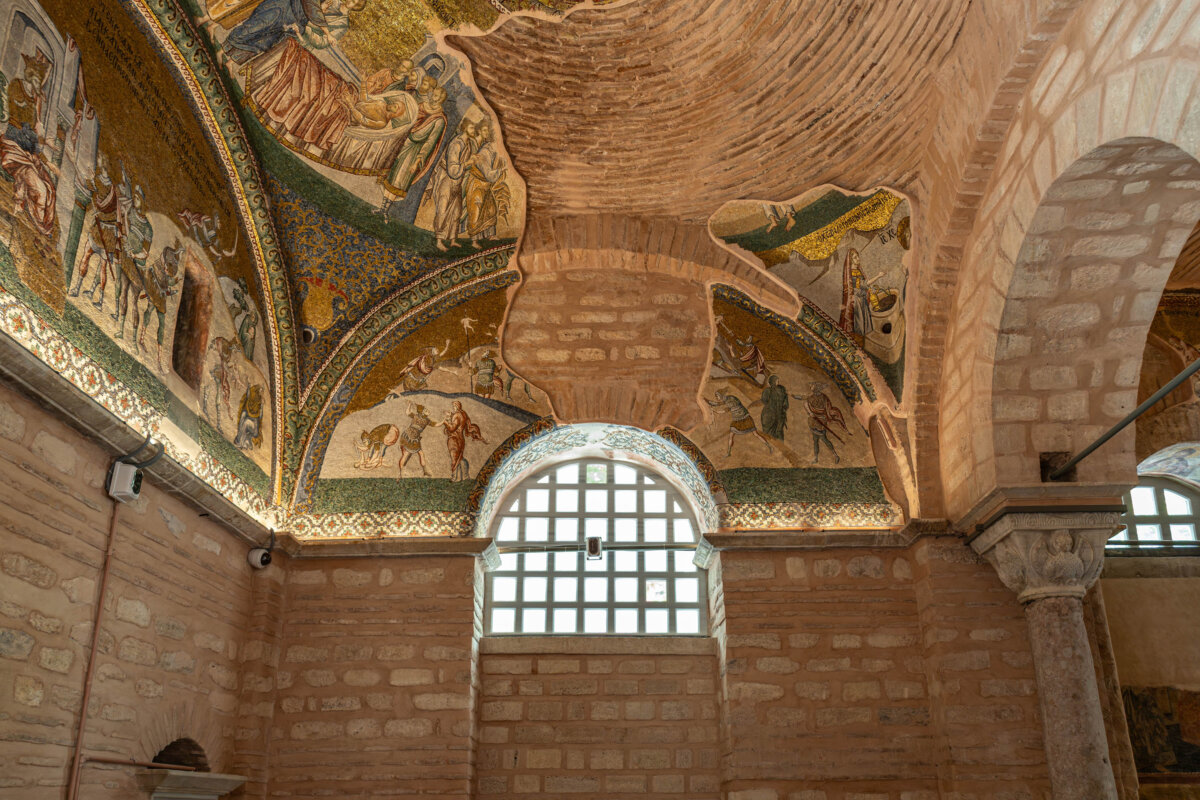
In the 11th century, the powerful Comnenus family rebuilt the church entirely and rededicated it to Christ, giving it the name it carries to this day: Church of the Holy Savior in Chora. Three centuries later, the wealthy and visionary Byzantine statesman Theodore Metochites transformed the interior, filling it with vivid scenes from the lives of Christ and the Virgin Mary. Metochites also expanded the church structurally, adding outer supports and two narthexes. The outer narthex illustrates the life of Christ, while the inner narthex portrays the life of the Virgin Mary.
When Constantinople fell to the Ottomans in 1453, Byzantine artists and scholars fled westward into Italy, carrying with them the classical Greek traditions that would help ignite the Italian Renaissance. In 1511, under Sultan Bayezid II, the church was converted into a mosque and renamed Kariye Mosque. The name derives from “Chora,” its ancient Greek designation, adapted into Turkish.
Two additions reshaped its identity: a slender brick minaret rose where the old belfry had stood, and a mihrab for prayer was set into the wall to orient worshippers toward Mecca. Five times a day, a muezzin climbed to call the faithful to prayer, his voice carrying across the city. Ottoman records show that the space was carefully maintained rather than dramatically remade. The same walls that had once sheltered Christian liturgy now house Islamic prayer.
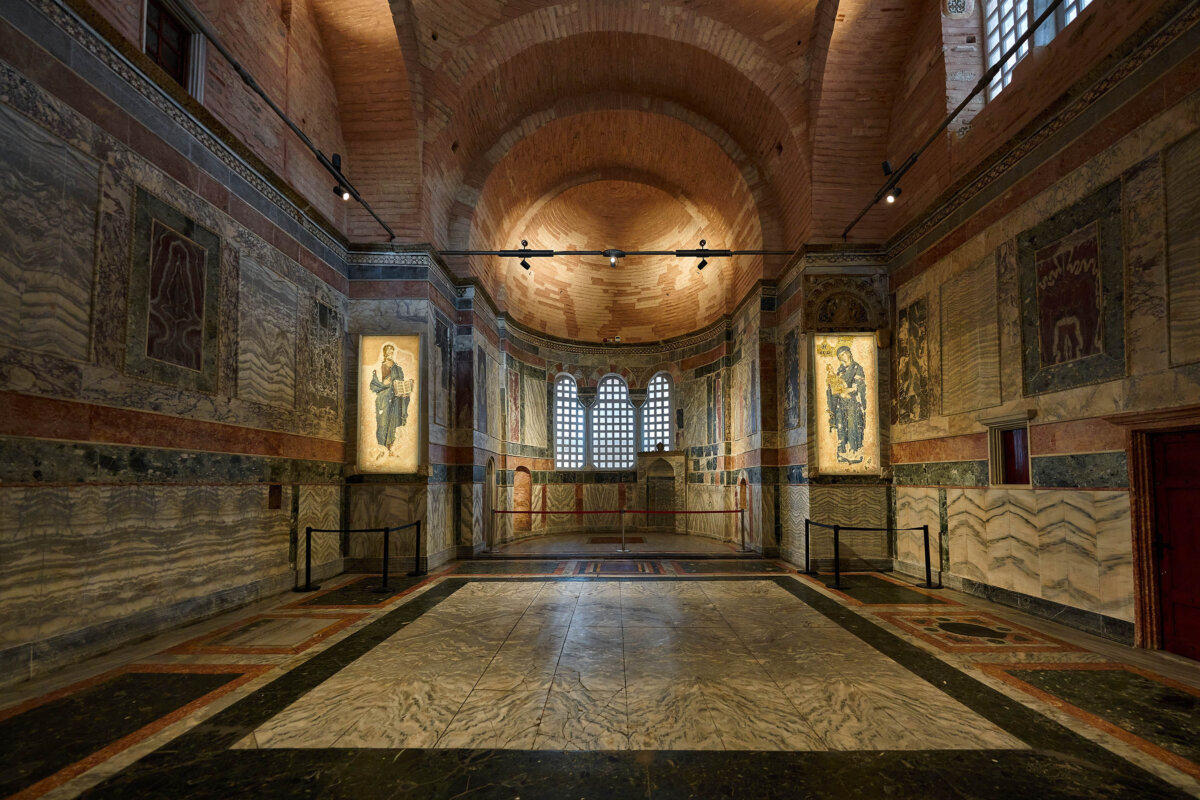
What stands today mostly reflects the renovations of the 11th and 14th centuries. The mosque became a museum in 1945, part of the Turkish Republic’s broader drive to secularize its most significant historical sites. But in 2020, Turkish President Recep Tayyip Erdogan decreed that the museum be reconverted into a mosque. Following a four-year restoration, Kariye reopened to both worshippers and visitors in 2024. The central nave has been furnished with carpets and a pulpit, and the historic Ottoman marble mihrab remains in place. In keeping with Islamic tradition, the mosaics within the prayer area are covered with curtains, while those in the narthex spaces remain visible to all who enter.
Kariye now functions simultaneously as a living place of Islamic worship and a monument to Byzantine Christian art, a combination that makes it symbolic of Istanbul itself, a city built from centuries of overlapping civilizations. The building holds within its walls the successive histories of the city that surrounds it, preserved rather than erased.
What arts and culture topics would you like us to cover? Please email ideas or feedback to features@epochtimes.nyc.