NR | 1h 19m | Documentary | 2026
Humanity forever tests the boundaries of its physical existence. We’ve been up to the moon, and Mars, and all the high mountain summits. We’ve been down to the oceanic depths of the Mariana Trench. We tirelessly telescope and microscope the macrocosm and microcosm—we’ve mapped and measured much.
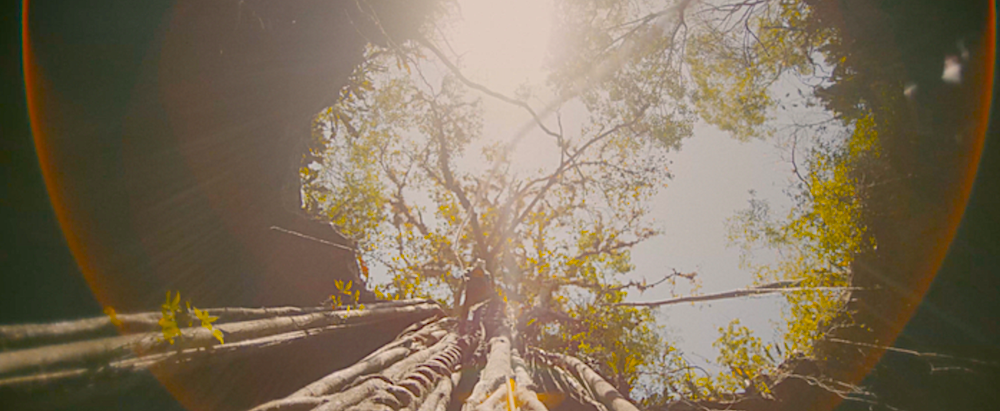
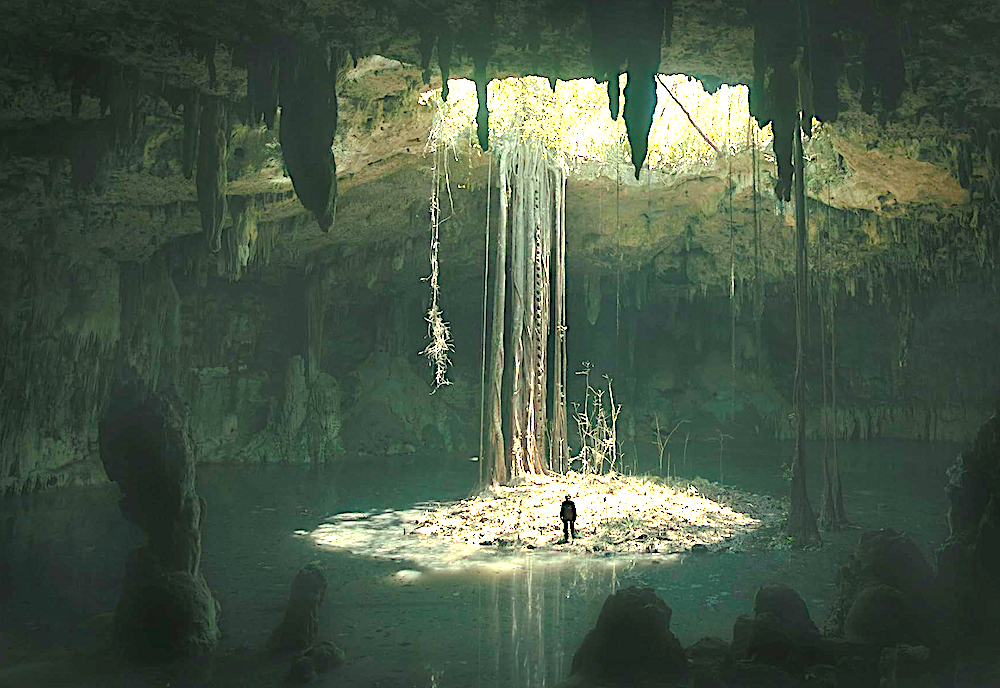
“Underland” is a documentary presenting a new frontier of boundary questing: the one beneath our feet. It’s not exactly new—Jules Verne’s science fiction novel “Journey to the Centre of the Earth” kicked it off. “Underland” is a scientific spelunking quest to figure out what our ancestors were already doing down there, miles below the earth’s surface, with nothing but torches.
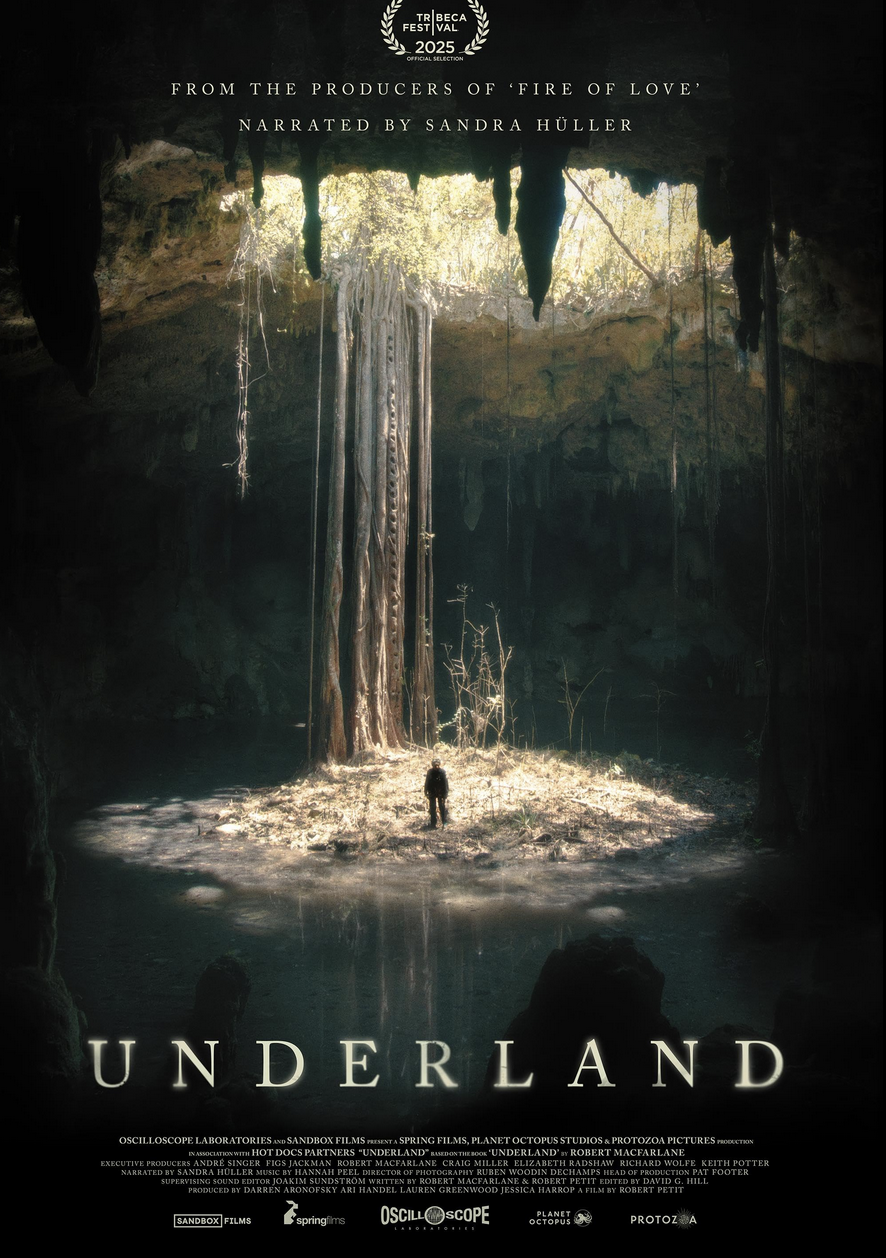
‘Underland’
Produced by Darren Aronofsky and adapted from Robert Macfarlane’s 2019 bestseller “Underland: A Deep Time Journey,” director Rob Petit’s documentary is a poetic, if mildly unsettling, visual collage. It follows various story threads whose commonality is that they all take place underground.
The alluring soundtrack ranges from the deep-space, rocketship-relic soundscapes of “Alien” to the ethereal and ecclesiastic, to better capture the cathedral-like nature of subterranean caverns. Sandra Hüller’s narration of excerpts from Macfarlane’s book further serves to encapsulate the film’s different sections in the mystical and poetic.
The visual style is evocative as well as literal, jumping back and forth between documentary footage and more imaginative collages that introduce a touch of art, alongside the travelogue-like segments. It’s intended to achieve the effect of experiencing these locations firsthand rather than watching them play out on the screen.
Storylines
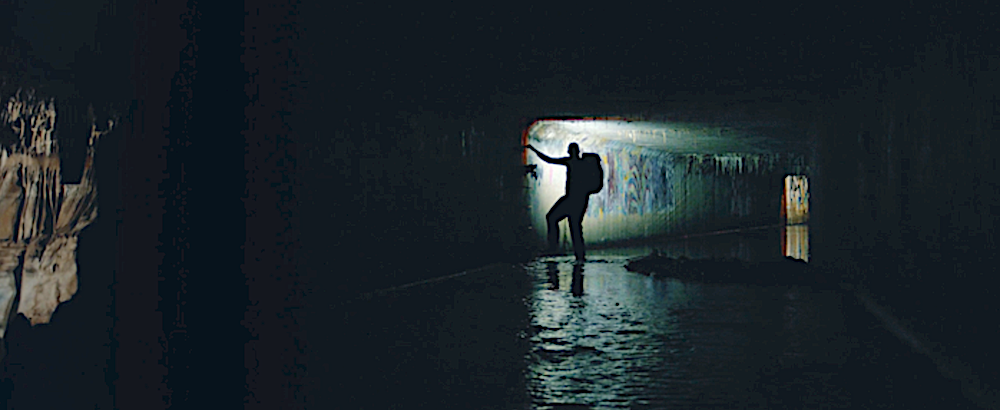
Former archaeologist and author Bradley Garrett relentlessly explores urban tunnels and sewers in Las Vegas. He turns up all manner of present-day folk art and graffiti in the process. Using a curious mixture of wilderness-type tracking and forensic police work, he describes tunnel smells as “a cave in the making.” Garrett’s made a new career for himself in writing about urban exploration. As he notes, in storm drains, you’d better be aware when it’s raining topside—high-water flash floods are a clear and present danger.
Fátima Tec Pool, an archaeologist, studies the remnants and rituals of ancient Mayan culture found in Yucatan caves. The Maya considered caves to be gateways to the underworld.
Scientists at the SNOLAB facility, located 2 kilometers below sea level near Sudbury, Ontario, research dark-matter physics and neutrinos in the world’s deepest underground clean room. A “clean room” is a specialized, enclosed environment engineered to maintain extremely low levels of airborne pollutants, such as dust, airborne microbes, aerosol particles, and chemical vapors. Why such an inaccessible location? They seek to avoid the constant radiation bombardment of Earth. It would interfere with their measurements.
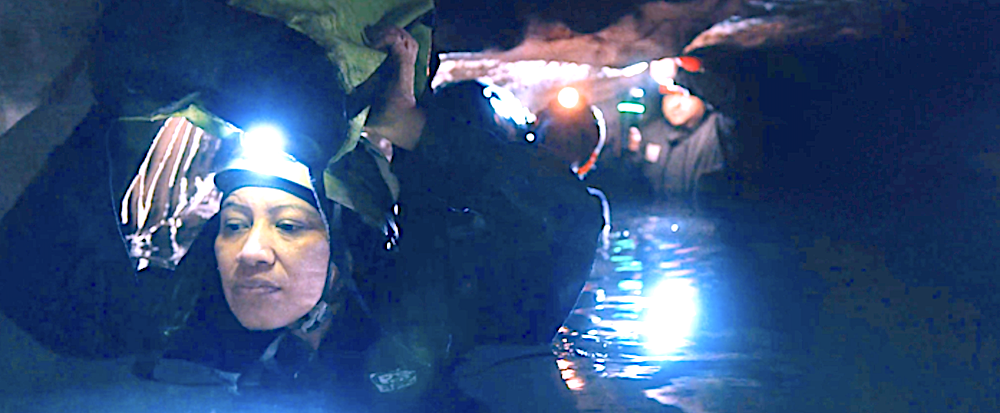
There are also clips from underground-related notable news events, such as the rescue, a few years ago, of a group of soccer players from a cave system in Thailand.
“Underland” weaves folk beliefs around its modern findings, creating more of an archetypal narrative that’s bigger than the current scientific understanding. After all, bluecaps, bugganes, dwarves, goblins, gnomes, kobolds, knockers, trolls, and so on, all live underground. And humans who visited those realms always returned altered.
Takeaway
My personal epiphany—having studied the use of high-altitude Himalayan mountain caves as having been the do-or-die locations for hermit monks intent on achieving spiritual enlightenment—is that “Underland” presents the mirror-image location for the same process.
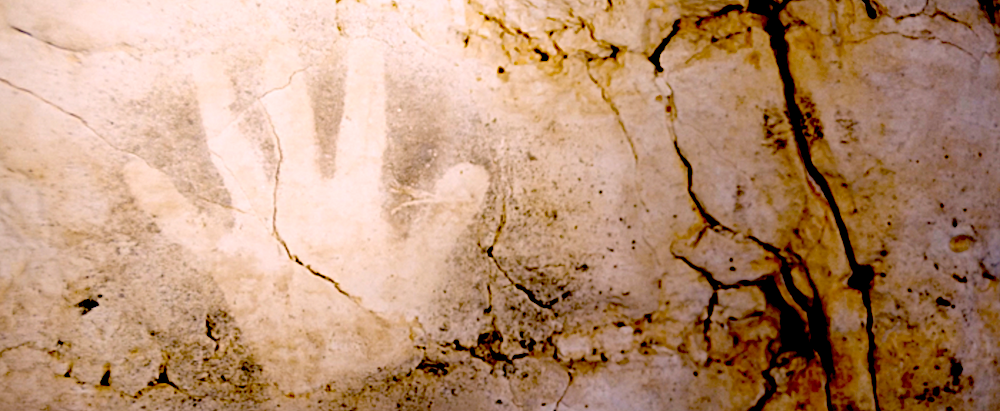 Photo of an ancient handprint on a Yucatan cave wall in “Underland.” (Oscilloscope Laboratories)
Globally, spiritual cultivators have considered cenotes or subterranean chambers as the holiest places on Earth: portals to the underworld, where deities dwelled. They retreated there to strip away worldly distractions and pursue inner awakening. Those miles-underground-cave-crawling Mayan ancestors went down in there, come hell or high water, to return as demigods—or never return at all. Or at least for ascetic meditation and ritual communion.
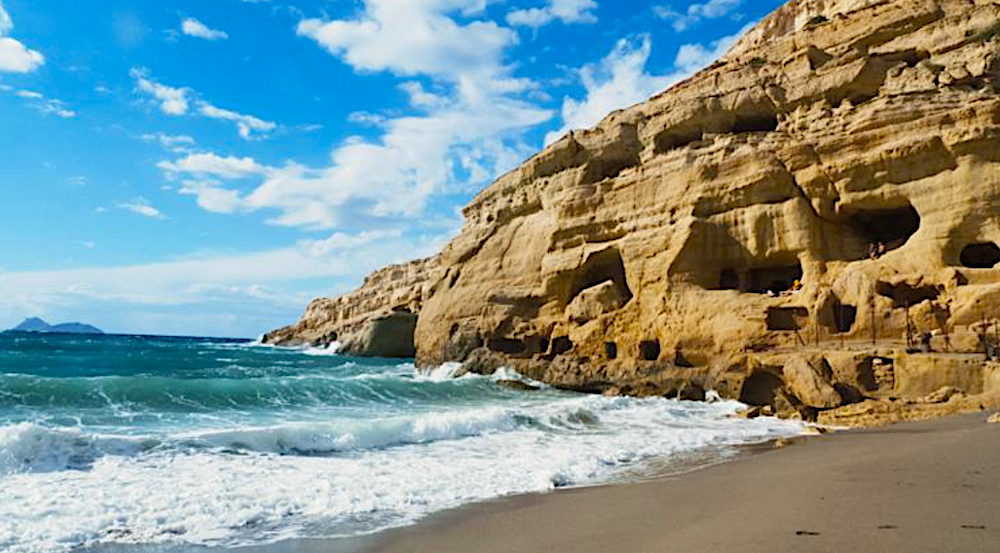
It reminded me of Matala Beach, on the island of Crete, where medieval monks had carved caves into the cliffs bordering the beach. I was struck by the tiny size of the stone platform beds.
Most religions of the world can identify one or more caves as sacred and use them as sites for meditation, ritual, art, burial, and/or related purposes. These are extraordinary places: spaces at the interface between the natural and the supernatural.
“Underland” is a recommended reminder that in all things—from north, south, east, west, and from top to bottom—the ancient peoples tracked the divine, and they went to great lengths to keep the connection strong.
‘Underland’
Documentary
Director: Rob Petit
Not Rated
Running Time: 1 hour, 19 minutes
Release Date: June 5, 2026 (wide release)
Rating: 4 stars out of 5
Would you like to see other kinds of arts and culture articles? Please email us your story ideas or feedback at features@epochtimes.nyc