Mary Jo Machnica still remembers that old-school photography smell—the vinegary odor of real film developer in the darkroom of her high school photography class in 1978.
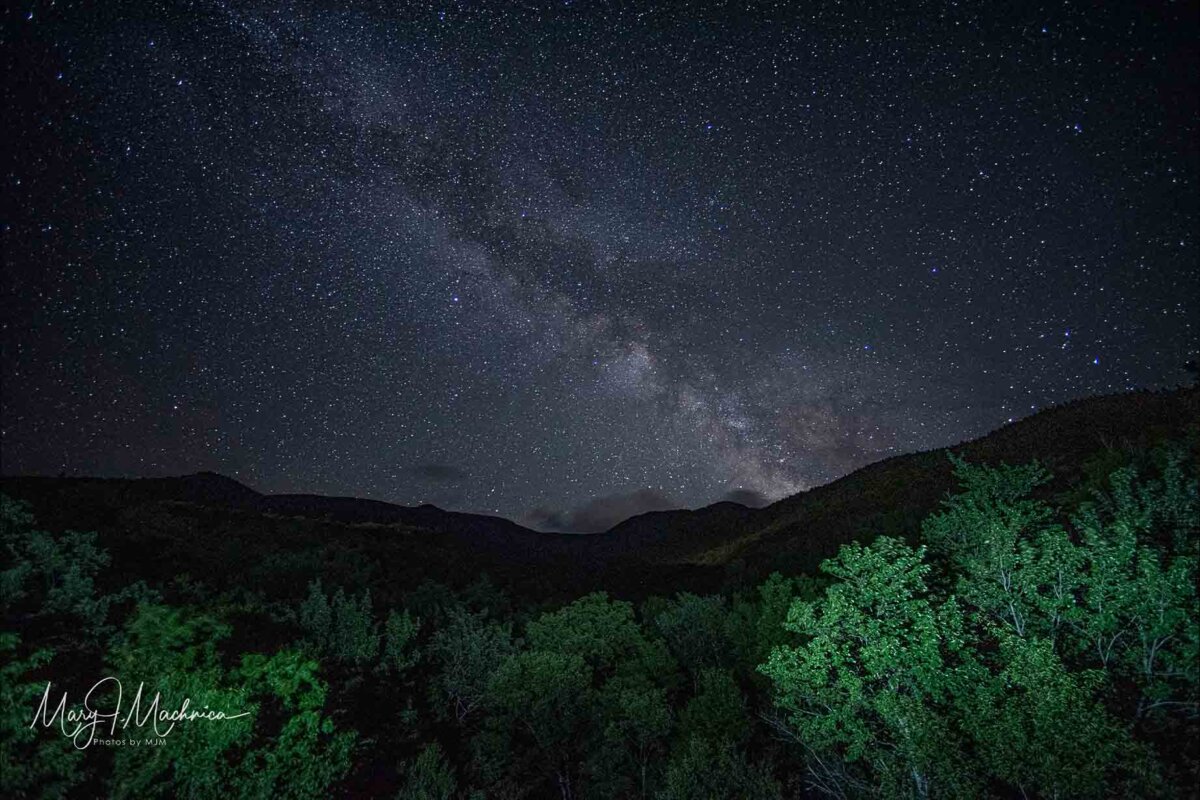
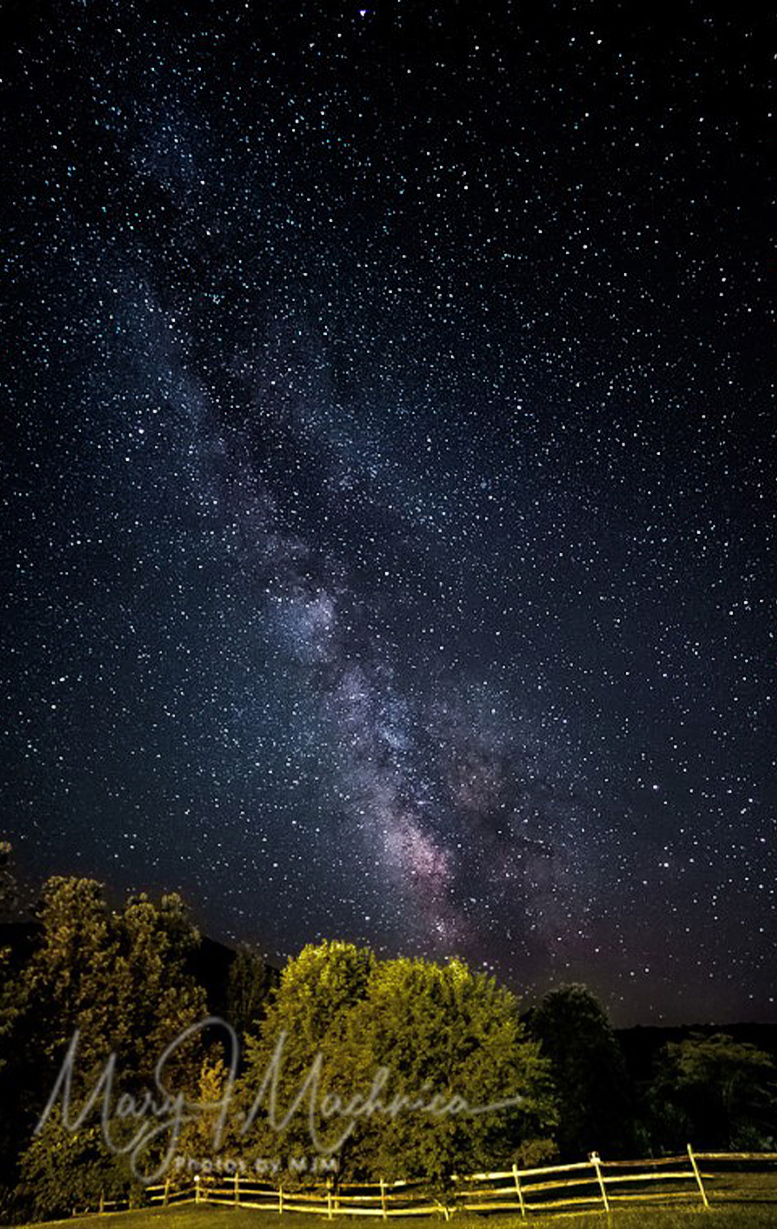
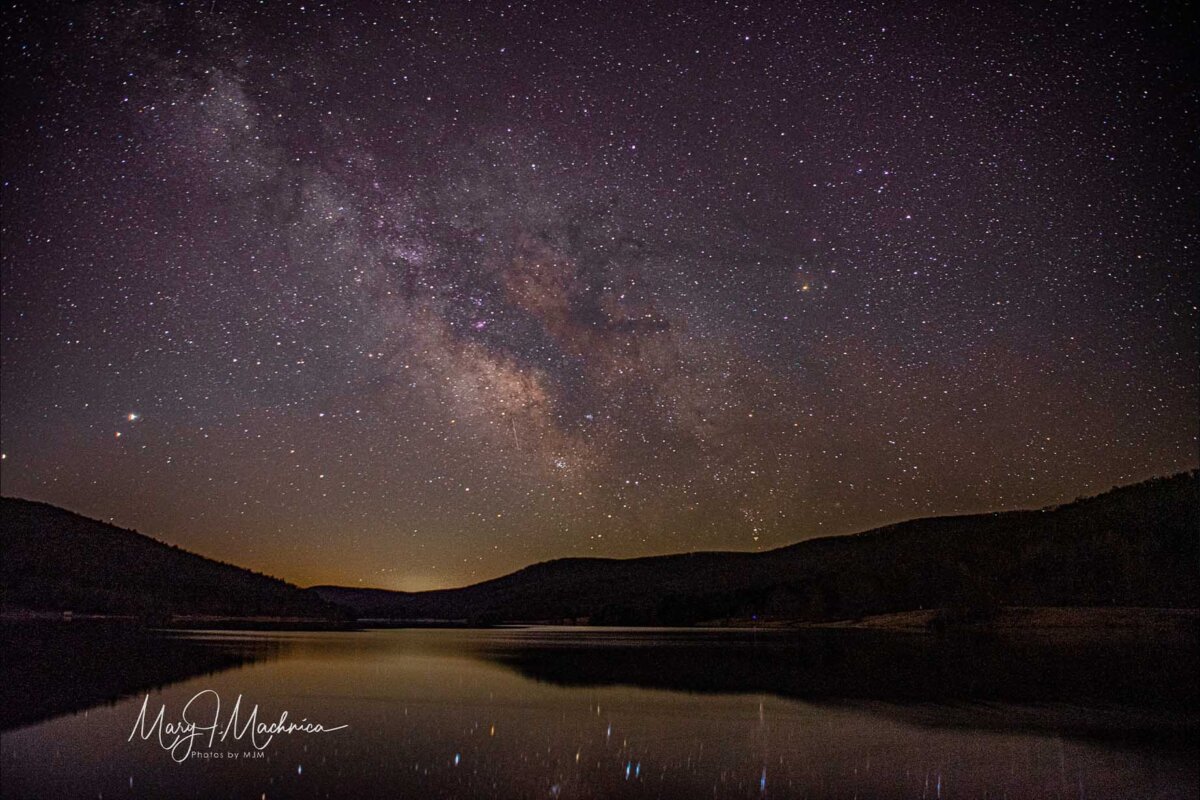
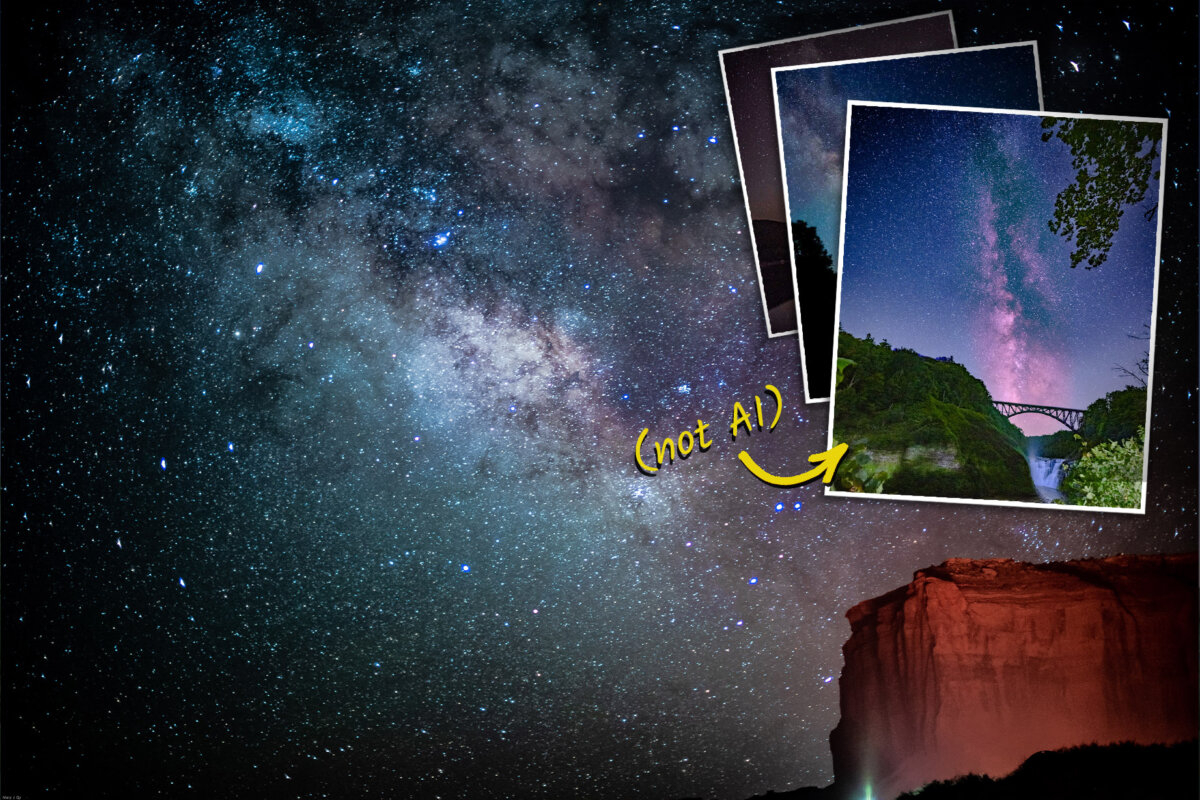
Today, Machnica, 64, has adopted some new-school photography techniques, shooting with a mirrorless digital frame and retouching her shots with Adobe Lightroom (though she still doesn’t touch AI). She has also mastered a genre that hardly existed in the era of film—night photography—using apps such as PhotoPills and Stellarium to track the planets, the moon, and the Milky Way.
Machnica may have left the darkroom behind, but dark skies have become a big part of her work.
A retired pastry chef who grew up in Hamburg, New York, and who still lives there today, Machnica told The Epoch Times she used to spend hours researching for the best dark sky locations and planning for moon-free skies in order to capture the Milky Way in its full glory.
“There are apps to figure that all out now,” she said. “I found there was a dark sky spot in West Virginia. My husband, our German shepherd dog, Sheba, and I packed up the car and did a seven-hour road trip to Seneca Rocks.”
Machnica was on a mission to photograph the Milky Way from atop the highest point in West Virginia: Spruce Knob Mountain. Sometimes the darkness is less a hindrance for the photographic process and more trying for the photographer making the journey.
Sometimes the darkness plays tricks on the eyes.
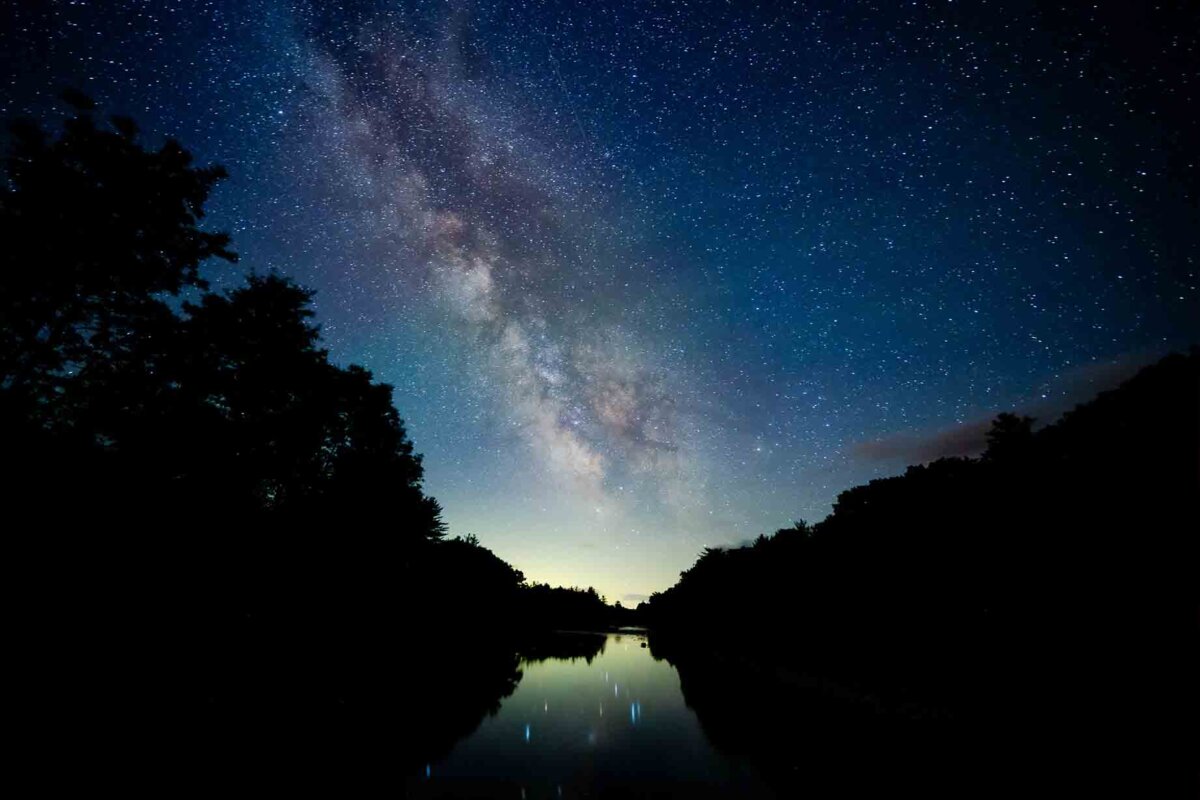
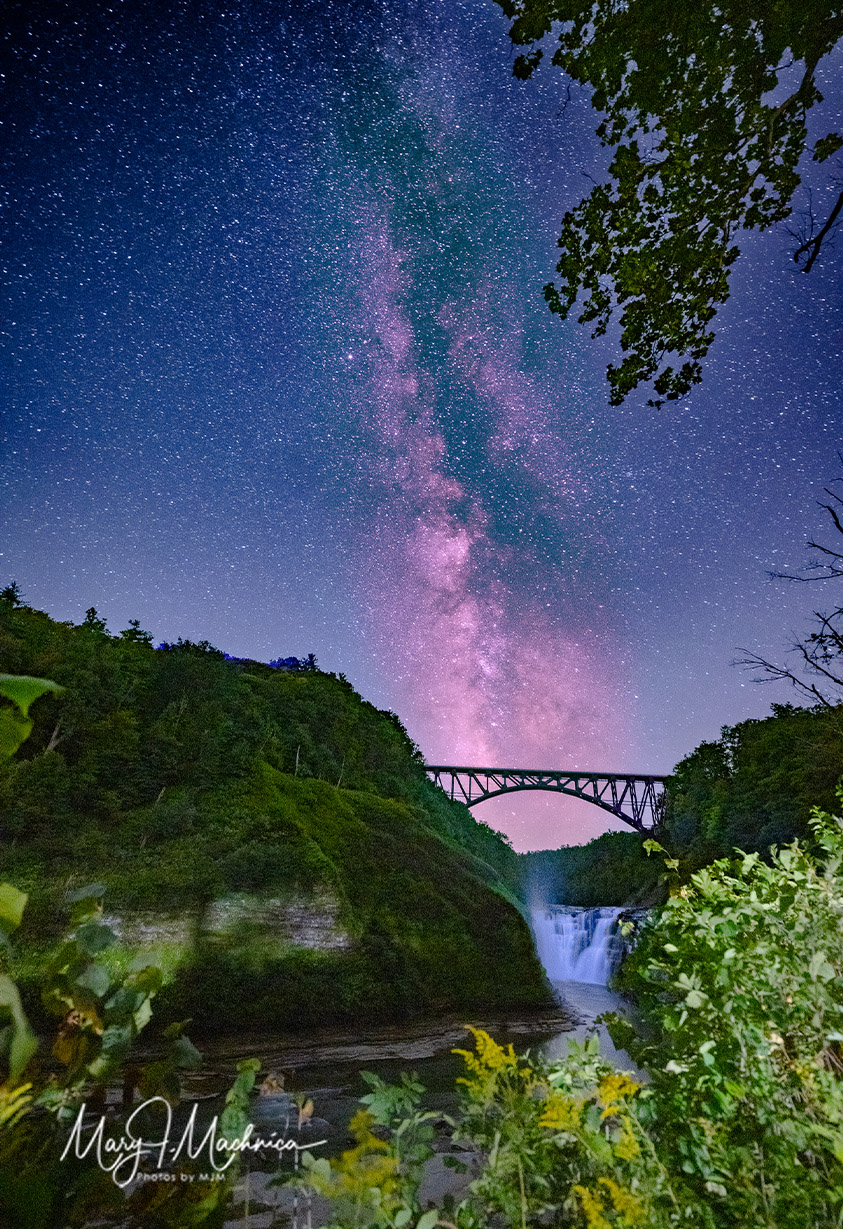
“Driving the over 10-mile road up the mountain with no street lights, we saw strings of light crossing our path as we went up,” Machnica said. “Not being able to figure out what these lights were, we kept driving, seeing them constantly, until we figured it out. It was the reflection of our headlights on spider webs. The spiders were swinging in the breeze from trees on one side of the road to the other side.”
When they reached the parking lot at the summit, all was still dark. It was perfect.
“We drove up earlier during the day to scout it out. It would be impossible to just go somewhere in the dark not knowing what you will find once you get there,” she said. “After we got out of the car, we noticed hundreds if not thousands of spider webs were blanketing our car. The webs broke apart when we opened the door.”
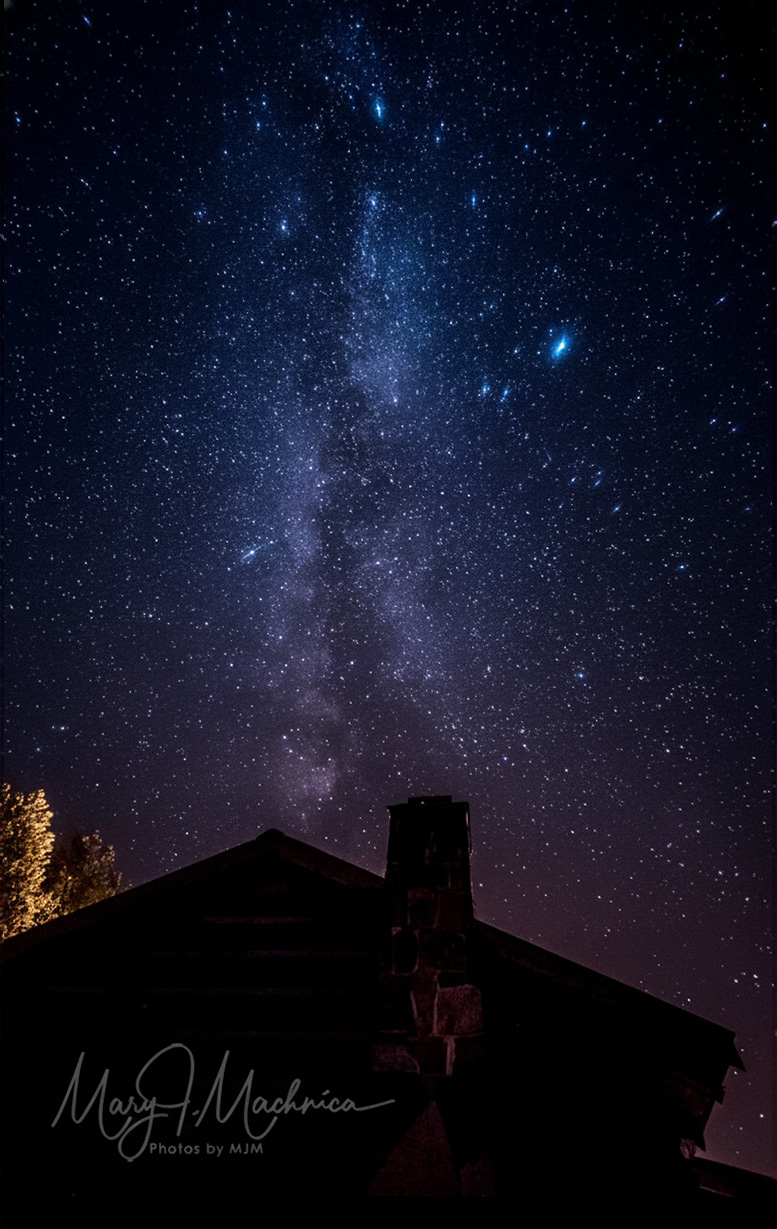
Ironically, the Milky Way photo Machnica wanted didn’t materialize at that spot (all they could do was watch in disbelief as clouds suddenly rolled in and obliterated their view from the mountaintop). Instead, her beautiful shot of the stars and galaxies appeared after they returned to their cabin later that night when not a single cloud obscured the sky.
“I set everything up, and it worked out,” she said, speaking of her picture of the galaxy with their cabin’s stone chimney anchored in the foreground.
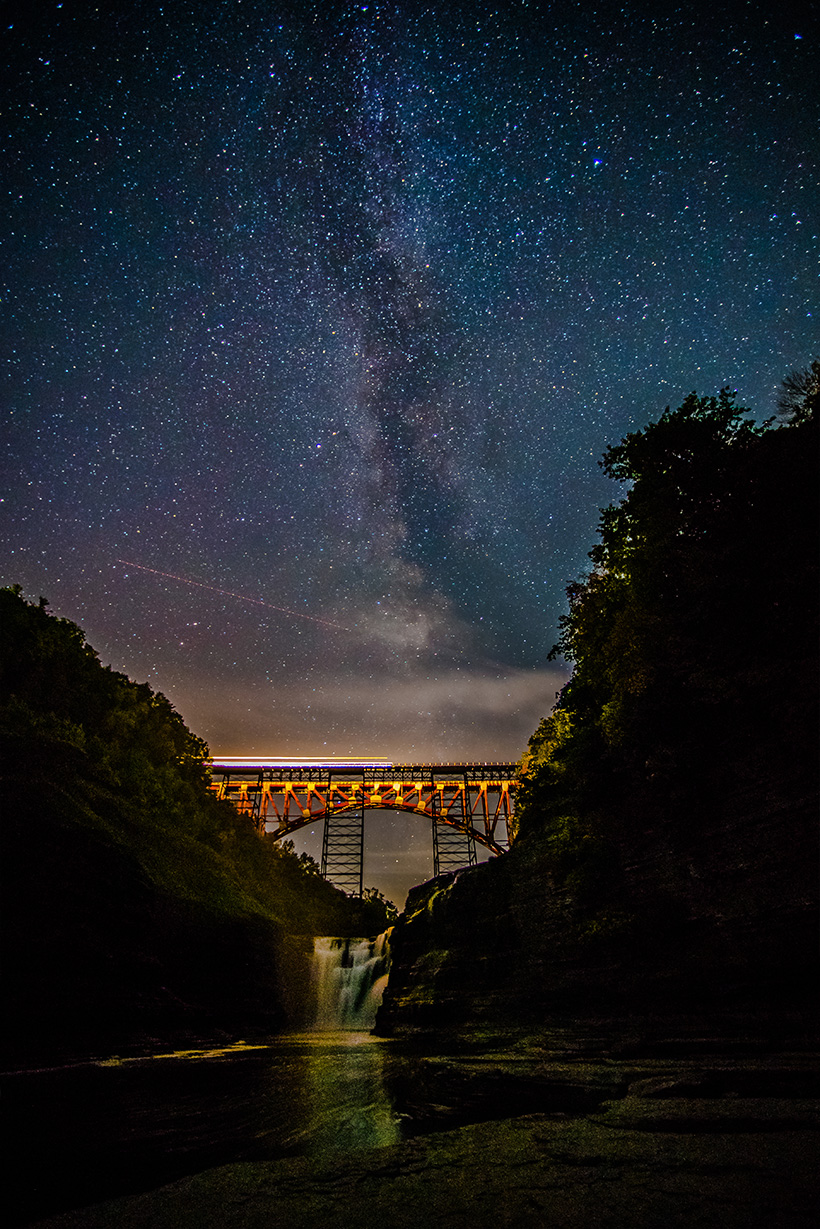
For Machnica living east of the Mississippi poses the biggest challenge to her night photography, she said. To escape the ambient light pollution of New York, she is forced to travel westward, sometimes far west, because “the darker it is the better my photo turns out.”
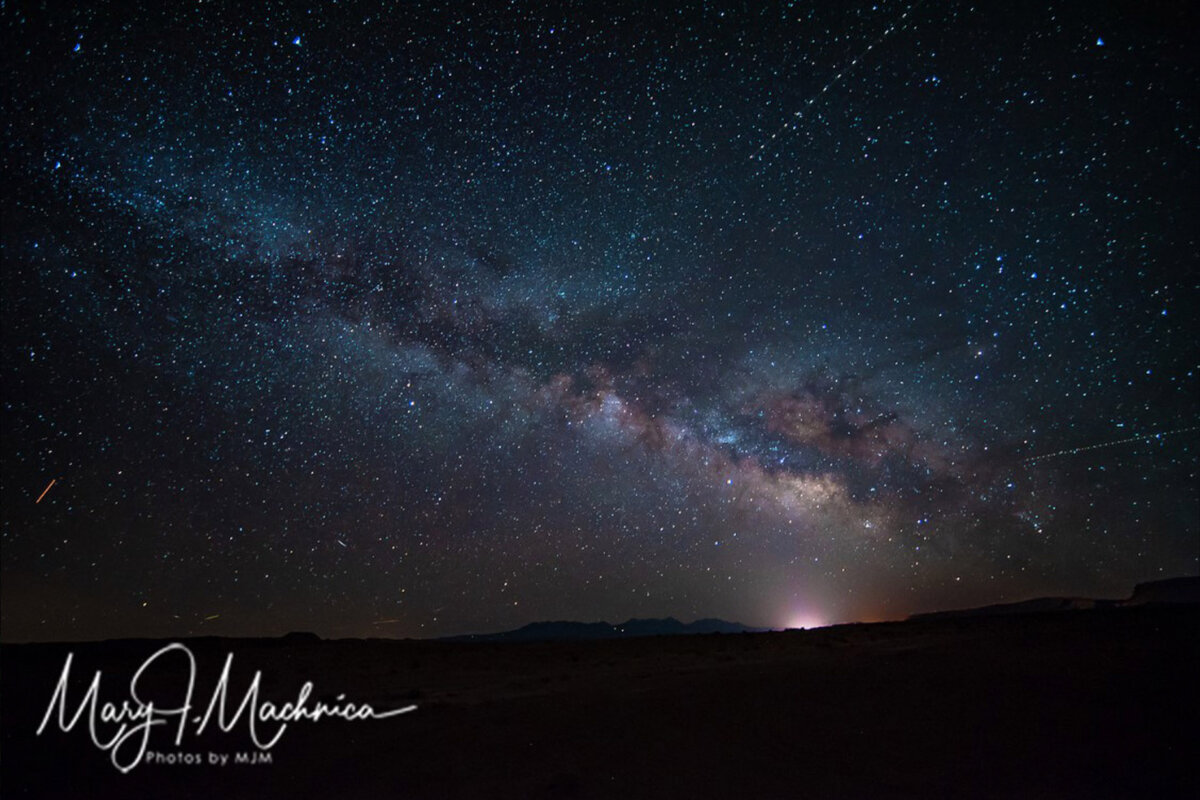
Lugging gear across narrow ledges in the dark can be dangerous, as she realized while visiting the rugged terrain of Monument Valley, Utah, during one excursion. But for Machnica, the awe-inspiring sandstone mesas, some rising 1,000 feet from the desert floor, with the arch of the galaxy stretching overhead, made the trip worthwhile.
When she visited the sacred region on a photography road trip she organized in 2018 it might have seemed like they were heading to one of those all-night music festivals in the middle of nowhere. During a night photoshoot, she unpacks handfuls of glowsticks—not for looking hip while dancing under a light show but for marking where her tripod stands. Her red light headlamp helps her see without destroying her eyes’ natural night vision.
A lens warmer prevents dew from forming on her wide-angle lens, which aids her to zoom-in on the stars above the valley. She avoids complex setups with star trackers and mostly steers clear of composite or split images that some photographers use to blend different foregrounds with the stars.
Her setup is pretty basic. “I just use Lightroom to edit,” she says. “I don’t use any AI and my photos are authentic.”
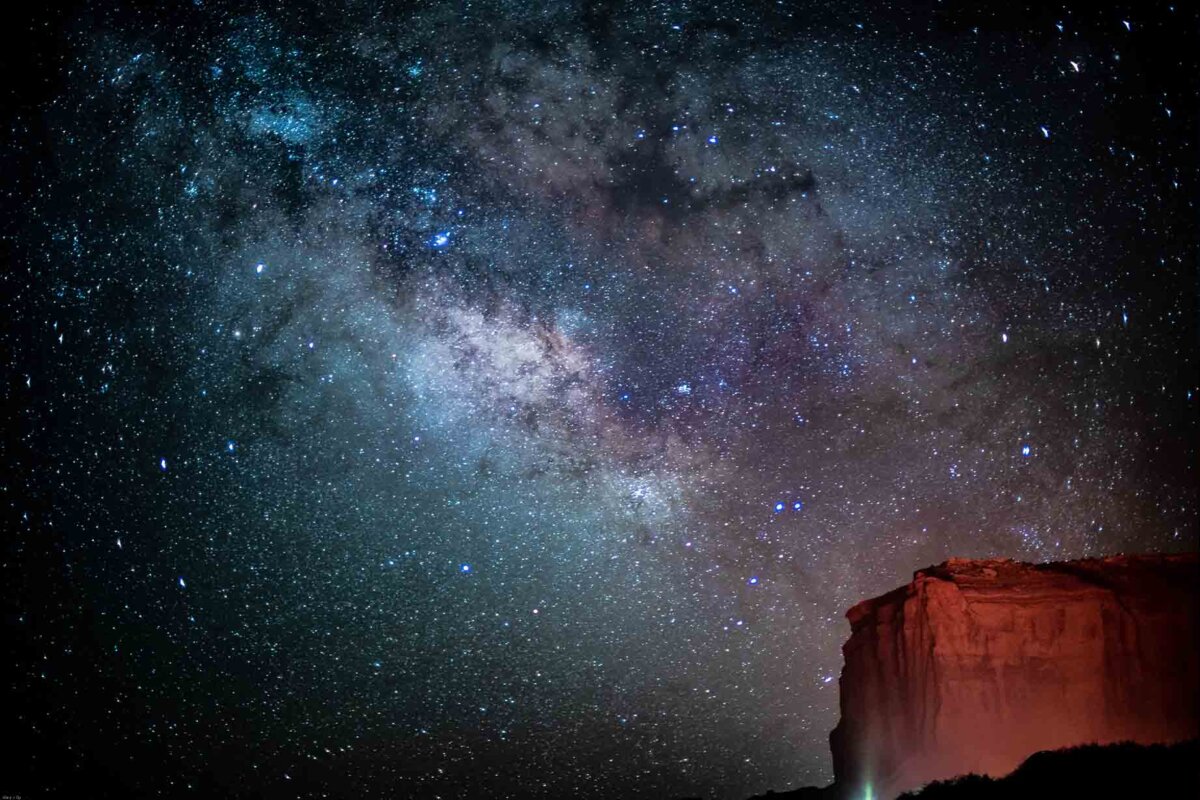
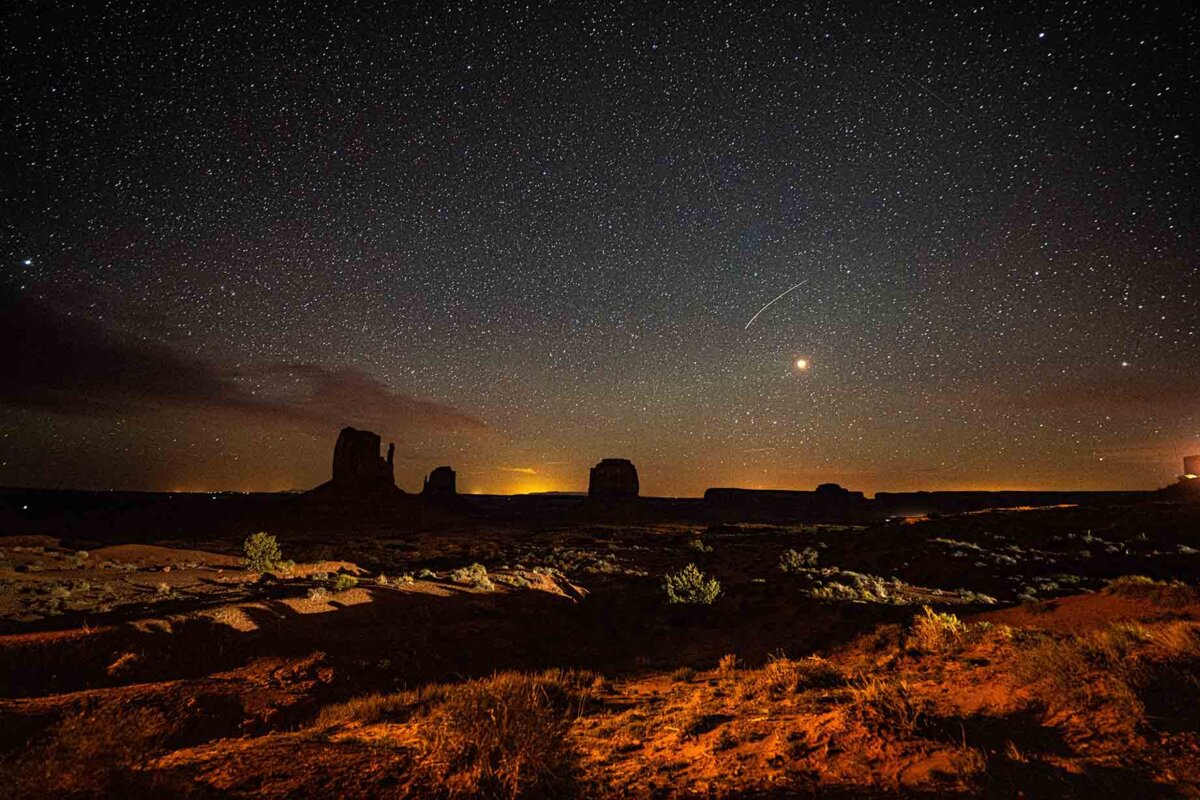
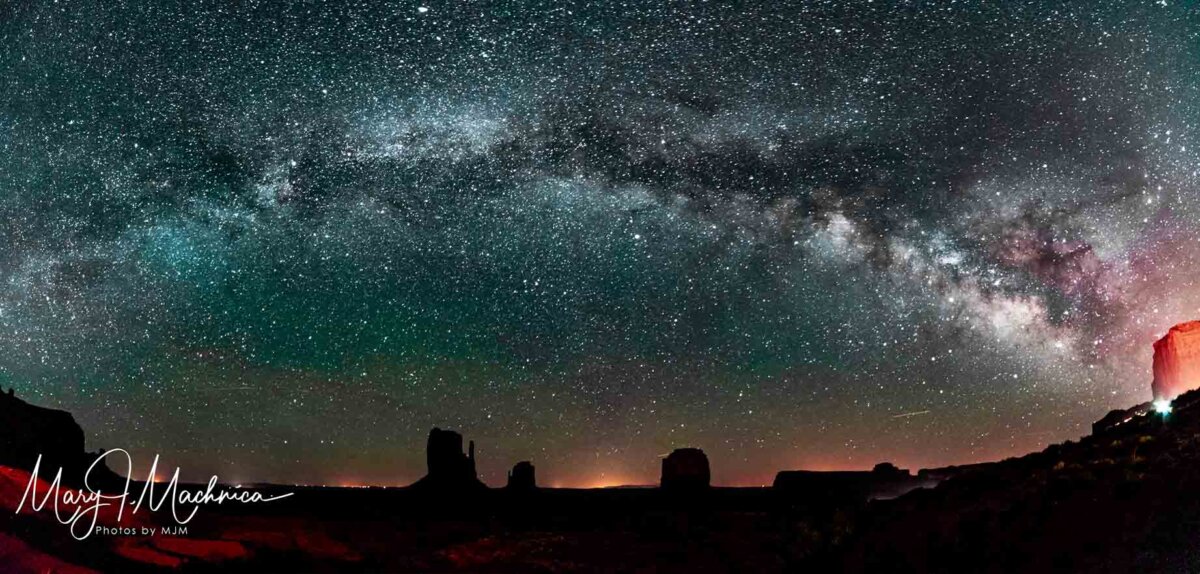
Most city folks are surprised that you can even see the Milky Way at night, she says, probably because they rarely stare at the dark sky long enough for their eyes to truly adjust. She added that “they would be amazed” by what they can see.
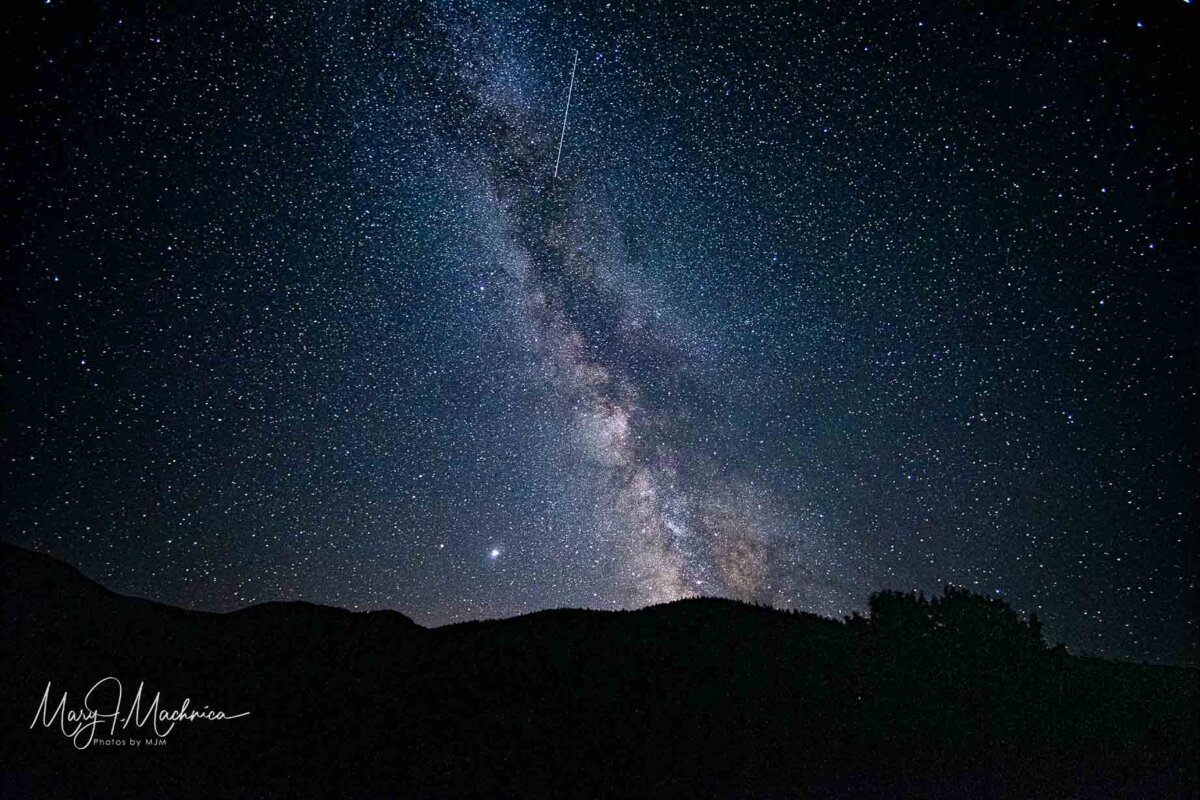
Joining her on this road trip was a friend who had traveled and lived all over the world but seldom stargazed. On this night, she saw her first shooting star cut through the darkness above the Utah desert, and Machnica, who’d spent a lifetime looking upward, said she felt a tinge of sadness for what her friend had been missing.
“But also, happy,” she added. “She finally saw a shooting star in the dark sky!”
More Milky Way Photography by Mary Jo Machnica