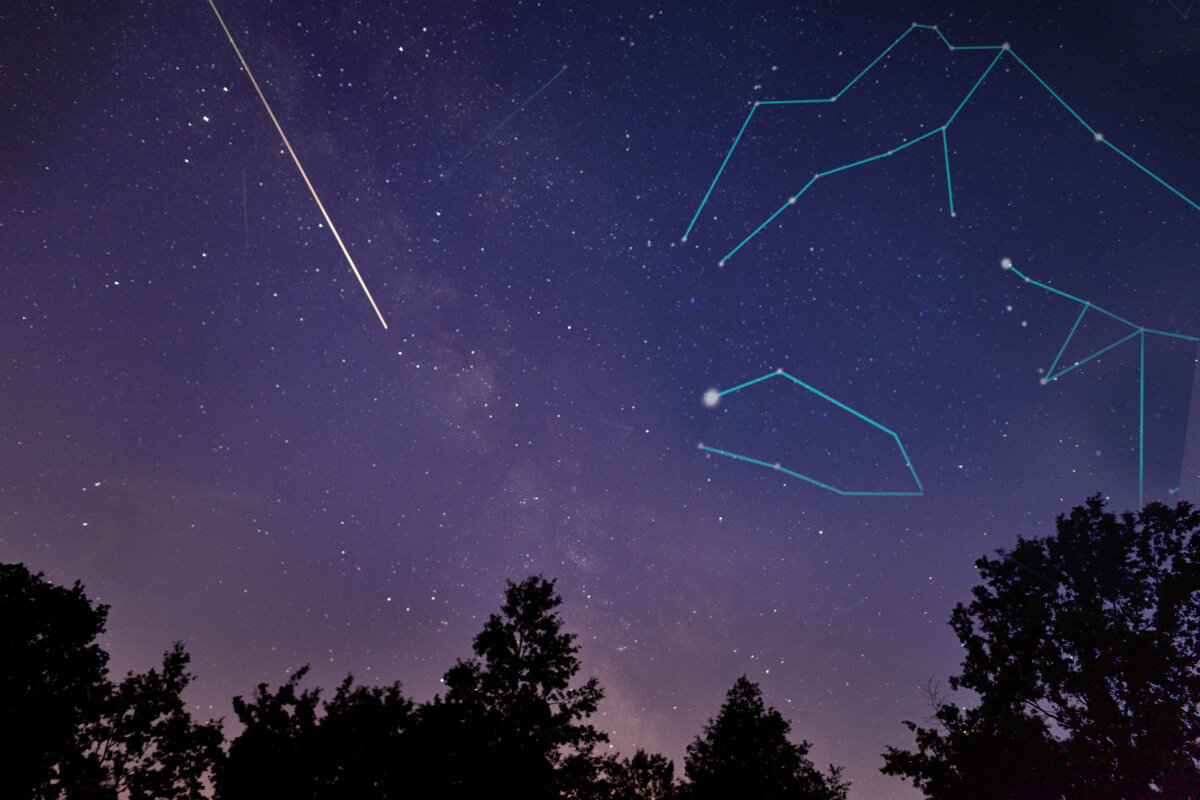
Don Machholz lugged his 100-pound homemade binocular apparatus to the summit of Loma Prieta, the highest peak in the Santa Cruz Mountains in Northern California, in search of a comet one hazy night in 1986. While scanning near the Andromeda galaxy, the astronomer spotted a bright, fuzzy object moving slowly against the stars. It was subsequently named 96P/Machholz—one of 12 comets he would bring to light throughout his lifetime.
After Machholz made this discovery on May 12, astronomers established the link between a summer meteor shower and its parent object, calculating that the Delta Aquariids separated from the comet’s nucleus roughly 20,000 years ago.
The annual Delta Aquariids—which arrive whenever Earth plows through their debris stream in space—broke off of this larger object during a previous visit to the inner solar system. They now arrive every July, striking Earth’s atmosphere and lighting up like spectacular matchsticks in the night sky.
This year, when the Delta Aquariids peak around July 30, observers should not expect a sudden, dramatic spike in shooting stars. Unlike other meteor showers that rise and fall in a sharp crescendo, the Aquariids ramble on steadily for weeks from late July deep into August. With a maximum rate of roughly 25 meteors per hour they are a reliable, slow-burning display rather than a brief storm.
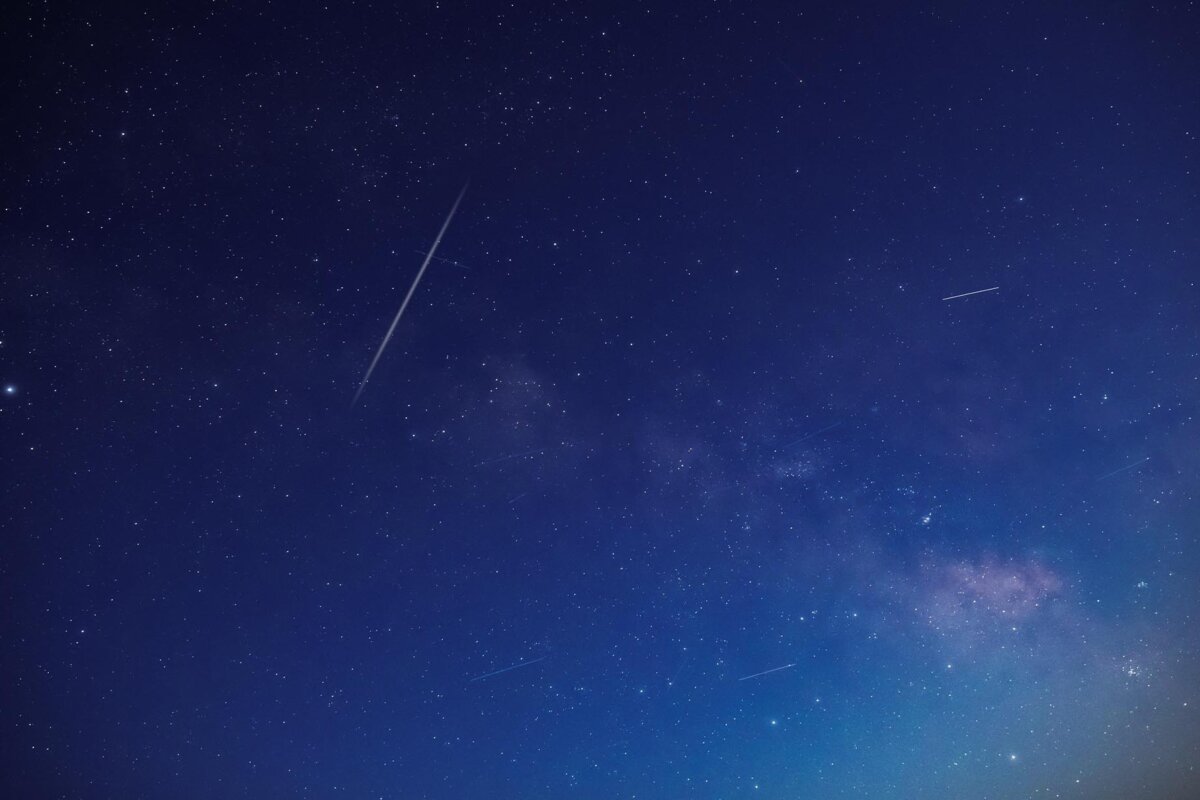
This celestial event is primarily a Southern Hemisphere showcase. Because the shower’s radiant point—the spot in the constellation Aquarius from which the meteors appear to originate—climbs far higher in southern latitudes, observers in Australia, South Africa, and South America will enjoy a prime overhead view.
Northern Hemisphere stargazers in places like the southern U.S. and Mexico can still catch the exhibition, but the steep angle forces the meteors to appear much lower on the southern horizon. This can result in stretched out horizon-skimming meteors called “earthgrazers.”
These meteors also overlap with three other showers around the same time, making meteor spotting a joy in late July. You might even see them cross paths in the sky.
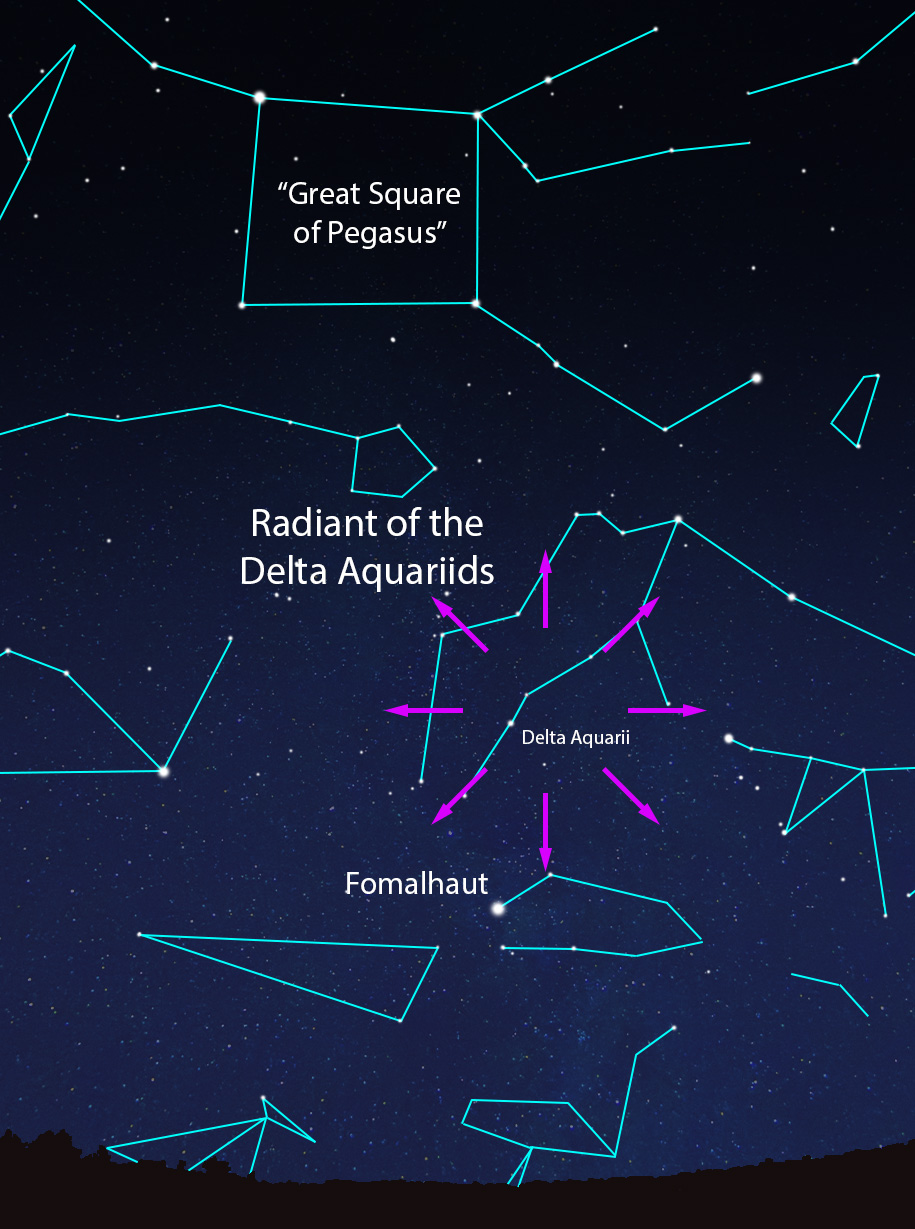
With four showers all clamoring for the spotlight, to distinguish one cosmic traveler from another requires a discerning eye, though if you carefully trace each meteor back to its respective radiant it’s possible.
The slow but brilliant Alpha Capricornids, for instance, hail from the constellation Capricorn. They’ll begin sputtering as early as July 3, building toward a shared peak with the Delta Aquariids on July 30. What the Capricornids lack in sheer volume they famously compensate for in visual drama, venting fireballs that can pierce through moonlight.
The July Gamma Draconids, originating near constellation Draco the Dragon, are often discounted as a minor shower. A scattering of faint meteors may join the others next month, yet it’s always interesting to wonder what may come from this bunch; the Draconids are famously known to spike, with erratic outbursts last recorded in 2016.
These three overlapping meteor streams are a grand prelude to the summer’s undisputed main event in August. The Perseids, which need no introduction for night-sky enthusiasts, are widely regarded by astronomers as the year’s finest annual light show. Capable of dropping as many as 100 meteors per hour, this prolific shower will peak around August 13.
The one big drawback to the late-July peak will be the full moon, which falls on July 29, the day before the Delta Aquariids reach their maximum. Its glare will drown out many fainter meteors, though die-hard astronomers can search in the shadow of a tree, building, or hill to manually block the moonlight.
But there’s still ample hope for meteor spotters with the right tactics. Because the Delta Aquariids seem to radiate from the constellation Aquarius, viewers in the Northern Hemisphere will want to look toward the southern sky. The radiant is right by the faint star Skat, or Delta Aquarii, which rises in the early evening and is highest around 2 p.m. You can use the nearby bright star Fomalhaut to pin down Skat next to the radiant.
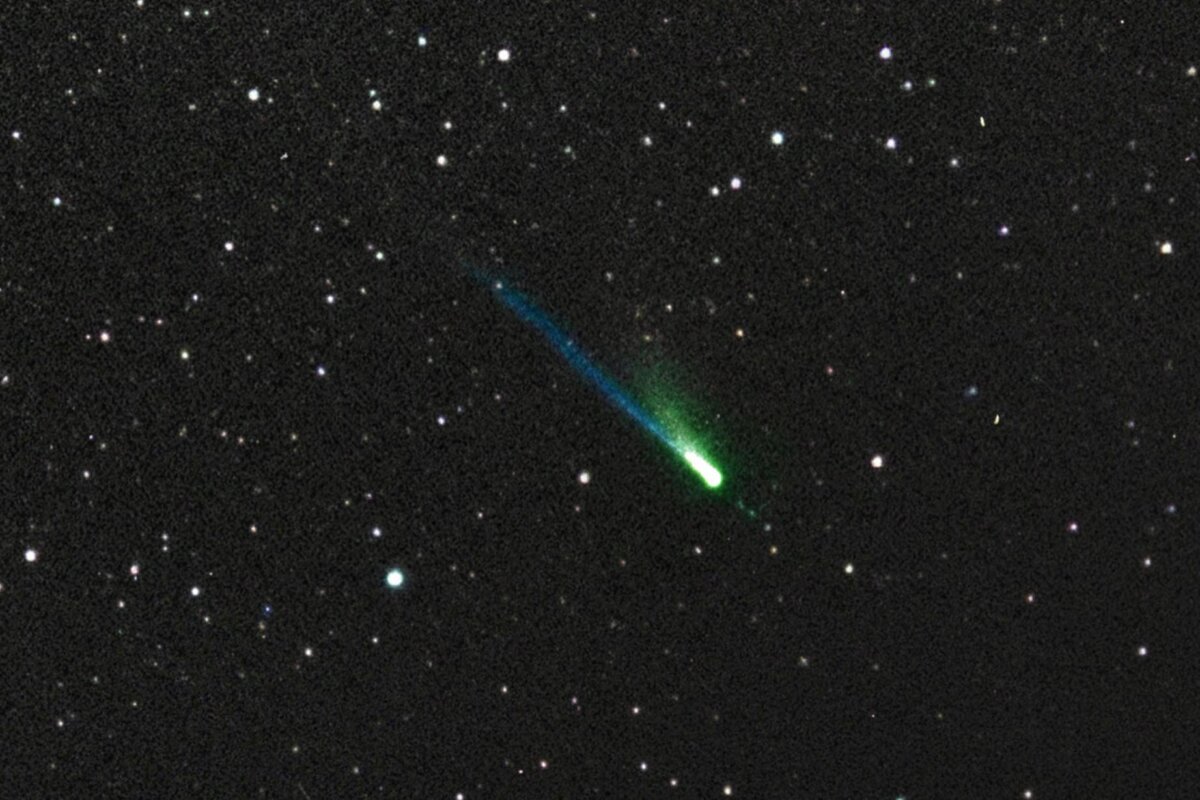
However, astronomers will be the first to tell you not to search directly in the radiant point for shooting stars. Instead, it is best to lie back comfortably and take in a wide panorama; meteors will fan out in all directions, appearing anywhere across the dome of the sky.
It might seem strange that the streaks of light right above our heads seem to radiate from a constellation many light years away. In fact, they don’t originate there but only appear to because of a trick of geometric perspective.
Meteors begin their lives as debris streams that fell off parent objects like comets or asteroids. They continue along the fixed orbit of said comet long after they’ve detached. Like a pair of parallel train tracks appearing to converge on the distant horizon, these parallel meteor paths seem to meet at a single vanishing point from our vantage point on Earth—a radiant point that happens to align with the stars of Aquarius.
Every 5.3 years the parent comet completes another silent lap around the sun. Yet its trailing dust returns to our skies every late July—reminding us of one astronomer’s discovery on that hazy night in 1986.