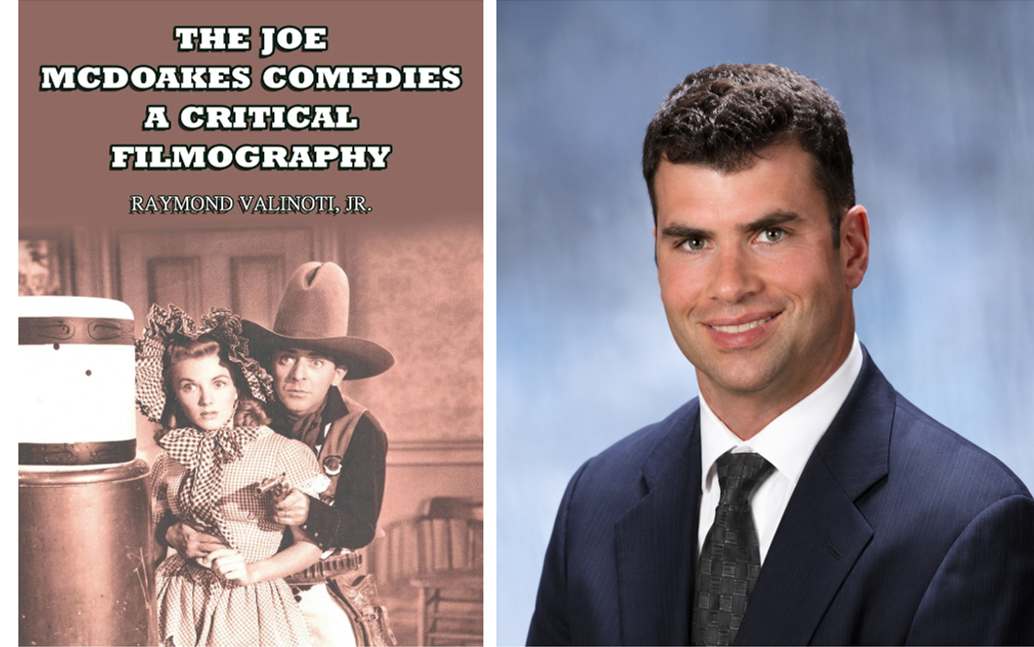
From the early 1940s through the mid-1950s, movie audiences enjoyed a series of short comedy films. These featured the misadventures of Joe McDoakes, an everyman whose attempts to better himself always devolved into outlandish chaos.
This series, which generated three Academy Award nominations, was informally known as “Behind the Eight Ball” because its opening credits featured the exasperated central character peeking out from behind a giant black-and-white billiard ball.
For many years, the Joe McDoakes shorts were only known by reputation. Unlike other short film series from Hollywood’s Golden Age, Joe McDoakes was never packaged for television syndication. A DVD release with the entire 63-film series came out in 2009, and the films occasionally pop up on Turner Classic Movies as filler between features.
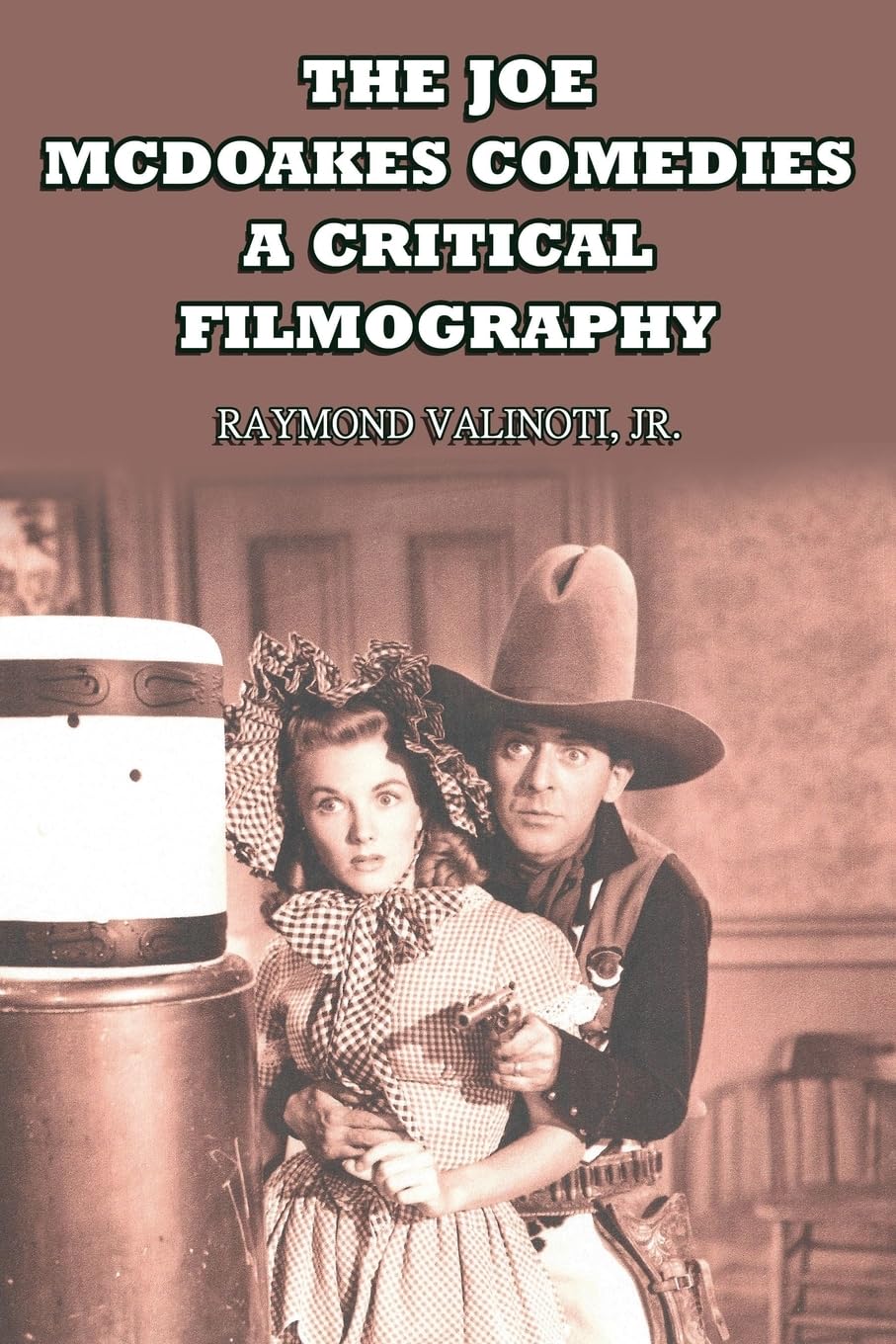
Raymond Valinoti Jr.’s new book, “The Joe McDoakes Comedies: A Critical Filmography,” is the first serious appreciation of the unfairly overlooked Joe McDoakes shorts. For those unfamiliar with these films, this is a perfect introduction. For those who are already fans, it’s a fun companion guide.
Student Film Roots
The series was created in 1942 by Richard L. Bare, a photography teacher at the University of Southern California who wrote a comedy script about unsuccessful smoking cessation. The film was designed to teach Bare’s students the basics of filmmaking.
When it came to casting the lead character, Bare’s girlfriend urged him to hire George O’Hanlon, a wry-faced struggling actor. Bare balked, as O’Hanlon was her previous boyfriend, and the men disliked each other. However, since this was a non-paying role in a student production, Bare put his animosity aside to hire O’Hanlon.
Bare sold the resulting “So You Want to Quit Smoking” to Warner Bros. Pictures for $2,500. The film was popular with theater owners, so he quickly made a follow-up, “So You Think You Need Glasses.”
Bare and O’Hanlon were then drafted into the military during World War II, and Warner Bros. waited until their discharges to begin producing a steady stream of new “Joe McDoakes” shorts.
Establishing the Set-up
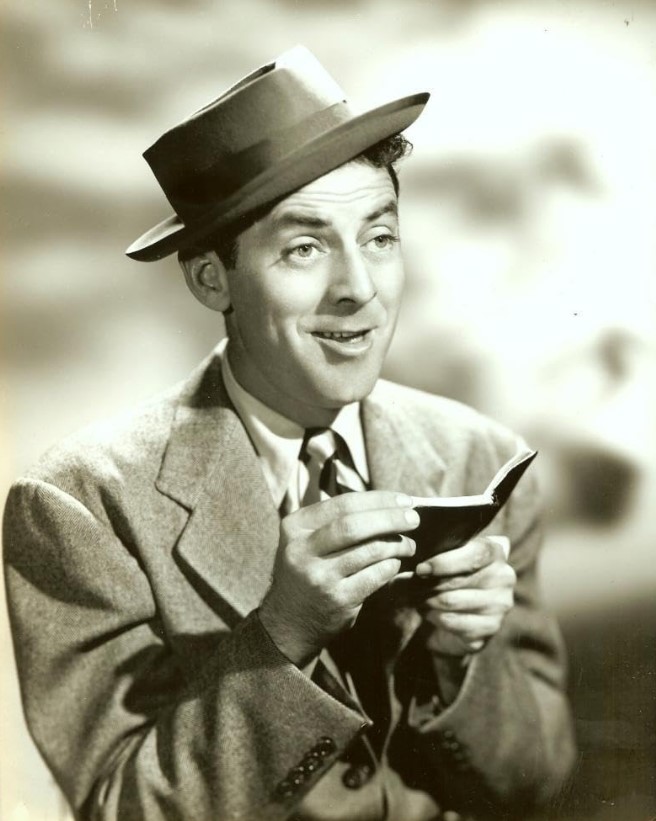
Valinoti notes that it wasn’t until the fourth entry, “So You Want to Play the Horses” (1946), that the series found its groove. The earlier films had a narrator over-explaining everything while the actors pantomimed the action. In this dialogue-driven film, O’Hanlon showed his gift for comic patter.
“Portraying an average guy, O’Hanlon doesn’t have many funny lines, but he always says his lines funny,” writes Valinoti.
Each film ran approximately 10 minutes, with excessive shenanigans packed into a compact running time. Typical of this approach is “So You Think You’re a Nervous Wreck” (1946), in which poor Joe bumbles his way through a convention speech, displaying various levels of anxiety in his workplace; he then must deal with a psychiatrist who dangles him from a window under the belief he has a fear of heights. If that’s not enough, there’s also a dream sequence with Joe as a rootin’-tootin’ cowboy.
McDoakes is never calm or cool. In “So You’re Going to Be a Father” (1947), his pregnant wife is the model of composure at the hospital, while her husband’s excessively distraught behavior gets him locked in the psychopathic ward.
A Working Formula
Most of the films dealt with benign domestic or occupational issues that spin wildly out of control, but topical humor occasionally seeped in. “So You Want an Apartment” (1948) spoofed the housing shortage in post-World War II America. “So You Want to Be in Politics” (1948) poked fun at the era’s anti-Communist sentiments with would-be candidate McDoakes creating suspicion by saying “comrade,” “seeing red,” and “stalling” (which, as he pronounces it, sounds too close to “Stalin”).
Valinoti highlights the recurring characters in the series, notably Clifton Young as McDoakes’s loudmouthed frenemy Homer and Rodney Bell as his dimwitted neighbor Marvin. Veteran comic actors Fritz Feld, Arthur Q. Bryan, and Philip Van Zandt also appeared as McDoakes’s various nemeses. The central character’s marital status alternated between bachelorhood and married life, with three different women playing his wife over the years.
Valinoti isn’t convinced that “So You Want to Be in Pictures” (1947, with a cameo by Ronald Reagan) and “So You Want to Be on the Radio” (1948) were Oscar-worthy. However, he does have strong praise for “So You Think You’re Not Guilty” (1949), where McDoakes winds up with a 10-year prison sentence after contesting a $2 fine for running a faulty red light.
Valinoti notes that neither Bare nor O’Hanlon leveraged the series for A-list work after it ended. Bare later directed a few B-grade feature films and occasional episodes of various television series, including “The Twilight Zone” and “Green Acres.”
O’Hanlon’s most famous role would be providing the voice of George Jetson, the father in the animated television series “The Jetsons.”
If this book has one major detriment, it would be the lack of photographs. For readers who never saw these films, pictures would’ve been helpful to get an idea of what they looked like.
Still, Valinoti helps fill a film history void with the celebration of this unfairly overlooked string of jolly little comedies.
‘The Joe McDoakes Comedies: A Critical Filmography’
By Raymond Valinoti Jr.
BearManor Media: July 16, 2026
Hardcover, 122 pages
What arts and culture topics would you like us to cover? Please email ideas or feedback to features@epochtimes.nyc