



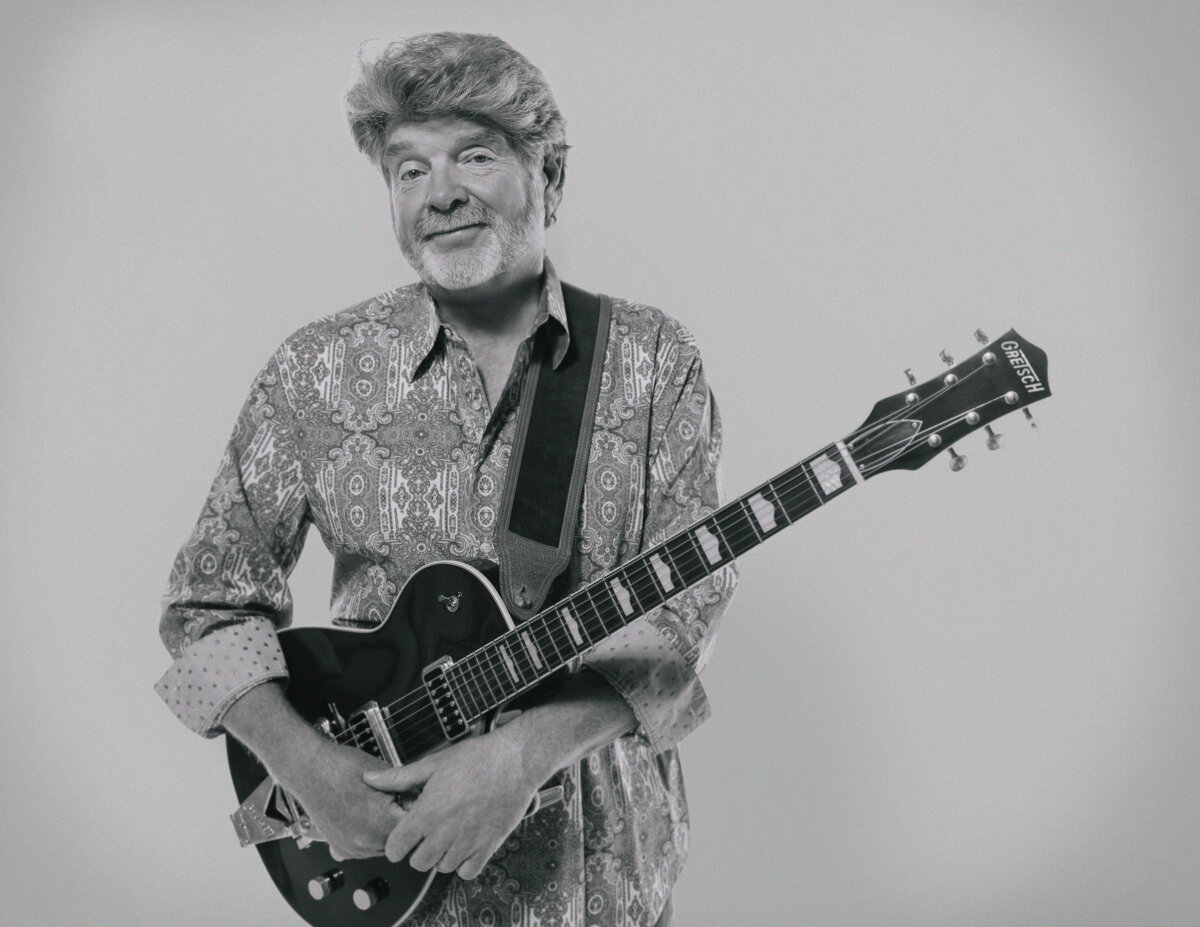
When it comes to country music, there’s a song for every moment: love songs, work songs, drinking songs, wedding songs, boot-stomping songs for dancing, and heart-melting songs for memories in-the-making. For many listeners, the country genre isn’t simply music; it is the soundtrack to their lives.
Songwriter Mac McAnally says that music can help people through bad times and can make good times feel even better, something the country song has been doing for about a century. He shared that the special thing about country music is that it covers “the totality of the bookends of life,” creating a universal olive branch by way of individual experience.
McAnally is the architect of many country songs that accompany people through life’s twists and turns. The Nashville Songwriters Hall of Fame member believes country music’s poignant humanness and candor stem from the same place he began his journey into music—at church. Before he ever learned how to pen a hit country song, he climbed onto a piano bench beside his mother as a child and studied the art, craft, and emotional power of gospel music.
From Fantasy to Reality
If someone would have told McAnally that he’d spend his life songwriting and performing as a professional musician, he would have shrugged it off as fantasy. “It was … outside of my wildest dreams,” he told The Epoch Times. He grew up in small-town Mississippi, where the music business seemed a world away. But the support from his family made a dream feel like a possibility.
McAnally was born to a family of musicians, and his mother, a talented gospel pianist, became an early influence. Gospel music filled their home on a regular basis, and though he would go on to become a successful country songwriter, the music he listened to while growing up was what he described as “country people singing gospel music.” McAnally explained that gospel wasn’t just a formative style for his musical training but a formative style affecting all types of music, from country to the blues. “They’re all … born of the church,” he said.
Though gospel tangentially influenced genres like pop, it became a key influence in country music. The spiritual music of the church, with lyrical stories covering life experience—rewards and consequences—blended with the folk sounds of early country music to create deeply personal stories listeners could connect with.
Another influential gospel sound for McAnally, and he’s not alone, has always been the music’s vocal harmonies. “I’m not very formally educated musically, but what I got from just listening to the four-part harmony of the church … was a strong influence on me,” he said.
After McAnally was born, his grandmothers came to visit him. Even at such a young age, they could tell he was destined for music. “They both said that I had the call to ‘preach music.’ I’m grateful that they included music in the ‘call to preach’ part, because I don’t know that I would have made the best of straight, behind-the-pulpit preachers,” he joked.
While the gospel elements in country music draw listeners in, McAnally shared that the country genre’s emotional depth has contributed over the years to its enduring popularity.
Human Emotion and Experience
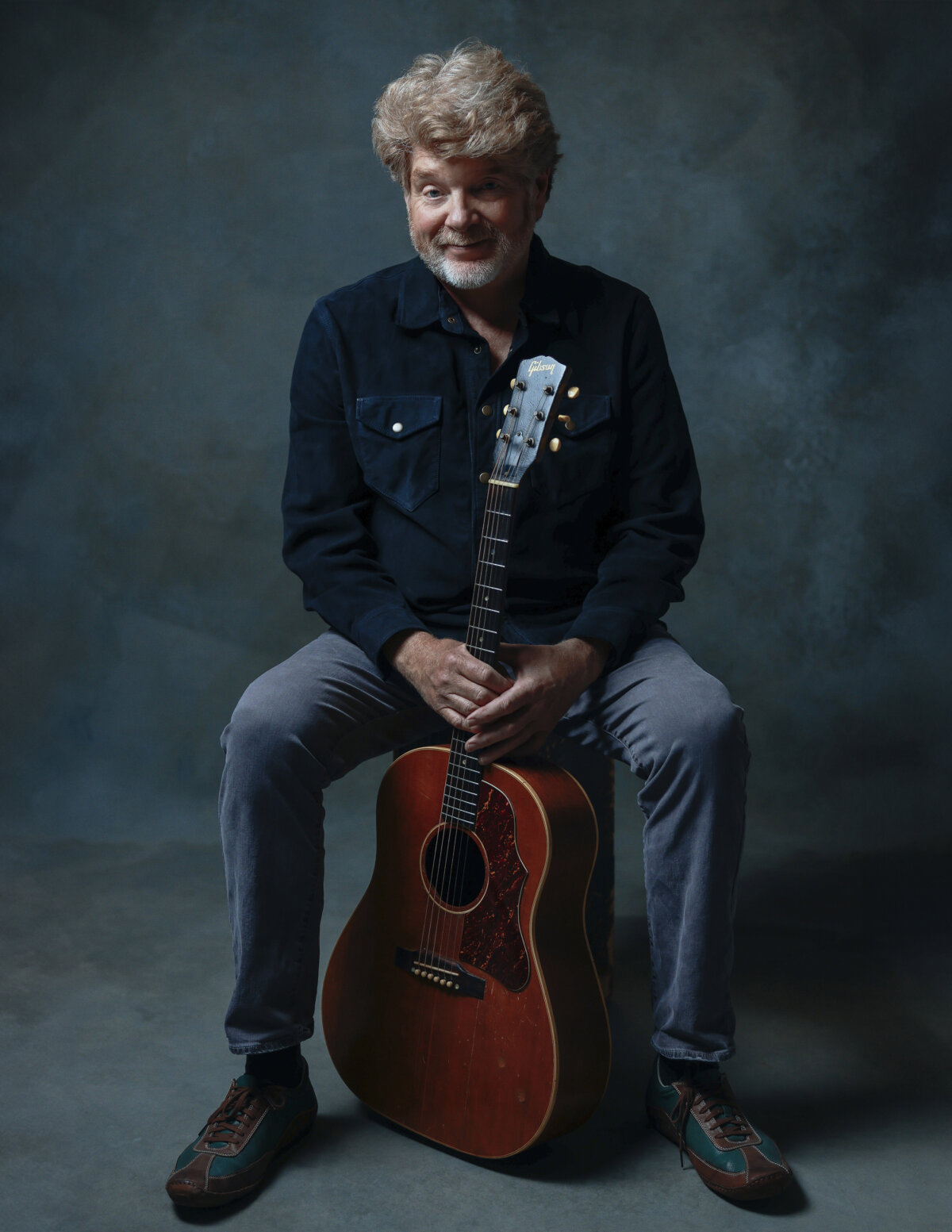
McAnally explained that country music can make you laugh and cry—occasionally at the same time—because its stories, lessons, and messages are rooted in the realities of human emotion and experience. “Every incarnation that country has been, all the influences that it carries with it at this point … still has the real-life thing. It is … real life.”
While other genres often seek to take the listener’s mind off reality, country music helps the listener face it. “If you were to look at rock and roll, for instance, and pure pop, there is a lot of pure escapism. Whatever’s going on in your life that’s unpleasant, here’s something that will take your mind totally off of it that has no connection to it at all. Whereas country has sort of always contained that common experience, both good and bad,” McAnally said.
The songwriter said that the emotional pull of country music creates a shared experience between the singer and the listener, fostering opportunities for people to remember their humanity rather than individual differences. “That is not something you get from every genre. There’s a lot of things that all of humanity has in common; we just choose not to pay attention to them this particular piece of time, especially because it’s apparently entertaining to be divisive.”
But when McAnally writes, he likes to focus on what brings people together:
“I tend to think of the things that we all have in common: oxygen, food, wanting to have a better time than a worse time, wanting everybody to sort of get along. I don’t have any interest in hating somebody. I don’t like hard feelings. To me, it’s just something else to drag around, and there’s enough baggage already.”
He shared that Willie Nelson and Dolly Parton are two country songwriters who’ve mastered the art of emotive storytelling. “Willie and Dolly, there’s a lot of humor in … their [music], along with deep, heartfelt stories, and sometimes in the same song.”
For McAnally, country music has always been about turning life into art:
“That, I believe, is the tenet that runs all the way through the country genre. It includes the totality of the bookends of life. What life has to offer is all in there, and it’s real. It’s not so hypothetical. You can say what actually happened to somebody, and you can make art out of it.”
A Holiday Inspires a Hit
McAnally made art out of his own life when he wrote the song “Down the Road,” a coming-of-age story inspired by a quiet moment one Christmas morning before his daughters woke up to unwrap gifts. The tune became a No. 1 country hit after Kenny Chesney released it as a single in 2008, with McAnally as a featured vocalist.
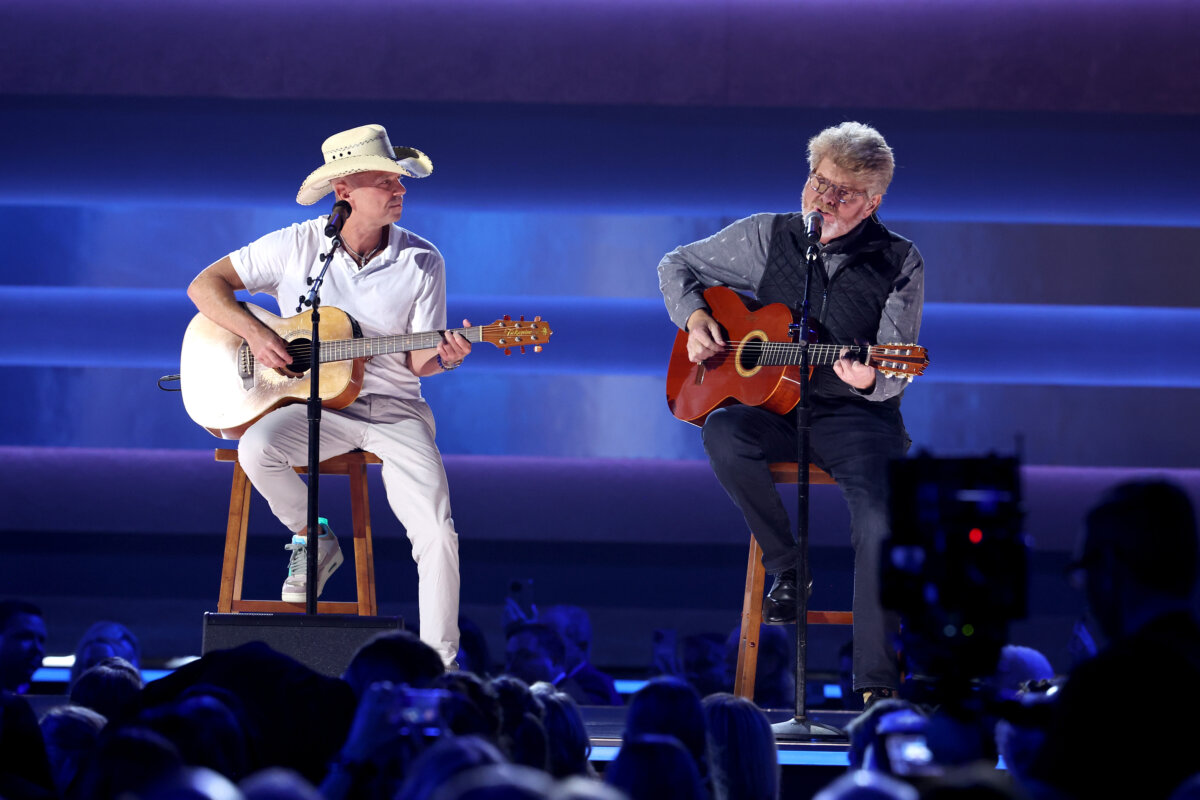
The story behind the song is that instead of getting a little shut-eye after assembling gifts, McAnally decided to forgo about 90 minutes of sleep before sunrise to pen a reflective tune. “I just had this wonderful feeling of family, and of thinking to my family back in Mississippi going backwards, and all the hope and love that I got for my family going forwards after I’m gone,” he said. “It was a good feeling. And I decided to …. pick up a guitar, and I very simply wrote that song. It has all of the heart that I was feeling at that time.”
The performer recalled another song of his that had a lot of heart in it. He released “Real People” on his first singer-songwriter album when he was 19. It dealt with a memory from childhood of a classmate who was diagnosed with cancer and the dynamics McAnally and his fellow fifth grade classmates faced while being a bit too young to grasp the gravity of the situation.
A few months after he released the album, he got a letter from a Tennessee schoolteacher who had a student with terminal cancer. He was being made fun of due to hair loss, so, one day, when he was absent for medical reasons, the teacher played “Real People” to her class. After that, the teasing stopped. “That’s not anything that I ever imagined could have come from one of my songs,” McAnally shared. “But it made something good happen with some people that I’m never going to meet.”
‘A Grand Thing’
A lot of good has come from the country songwriting tradition—a tradition with a growing audience. McAnally believes listeners are embracing country music more because they are seeking more than a performance, they’re seeking a connection that enhances their lives. “Once you see that good can come from what you’re doing … it becomes more of a grand thing. You can turn somebody else’s bad into good. Or you can amplify somebody else’s good so that they feel even better about it,” he said.
There’s a phrase coined by Oscar Wilde that says “life imitates art.” But the beauty and influence of country music lie in the opposite. The reason why the genre continues to resonate so deeply with people is because of the able hands and voices of songwriters who understand how special it is when art imitates life.
What arts and culture topics would you like us to cover? Please email ideas or feedback to features@epochtimes.nyc.
