



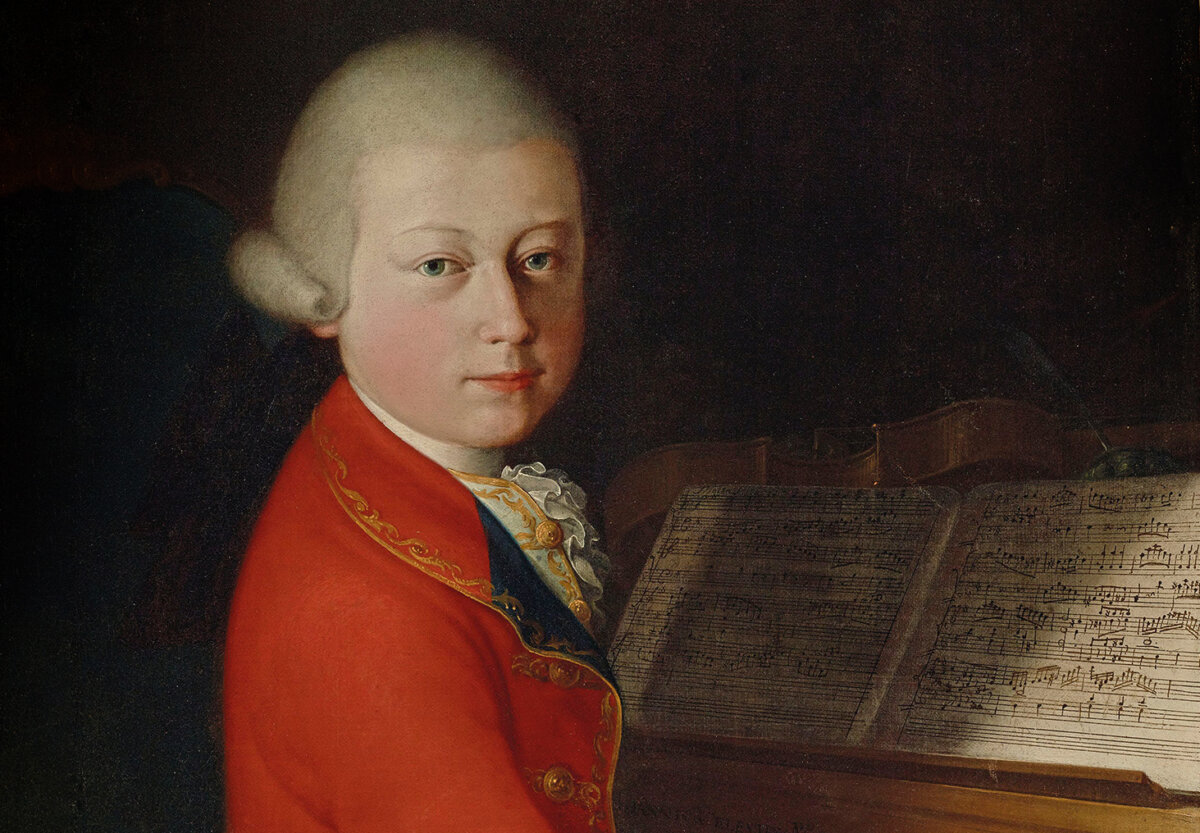
Wolfgang Amadeus Mozart (1756–1791) enjoyed enormous success and popularity as a child but developed an unsustainable lifestyle as an adult. At 35, his body was deteriorating, and his Viennese audience had abandoned him: The child sensation found himself sickly and in debt.
Yet amid the hardships, the final years brought a creative peak, producing some of his most nuanced and popular works. Rather than devolving into desperation, they offer ennoblement and joy. Franz Schubert said of his compositions, “In the darkness of this life they show a light, a clear beautiful distance, from which we gather confidence and hope.”
A Friendship
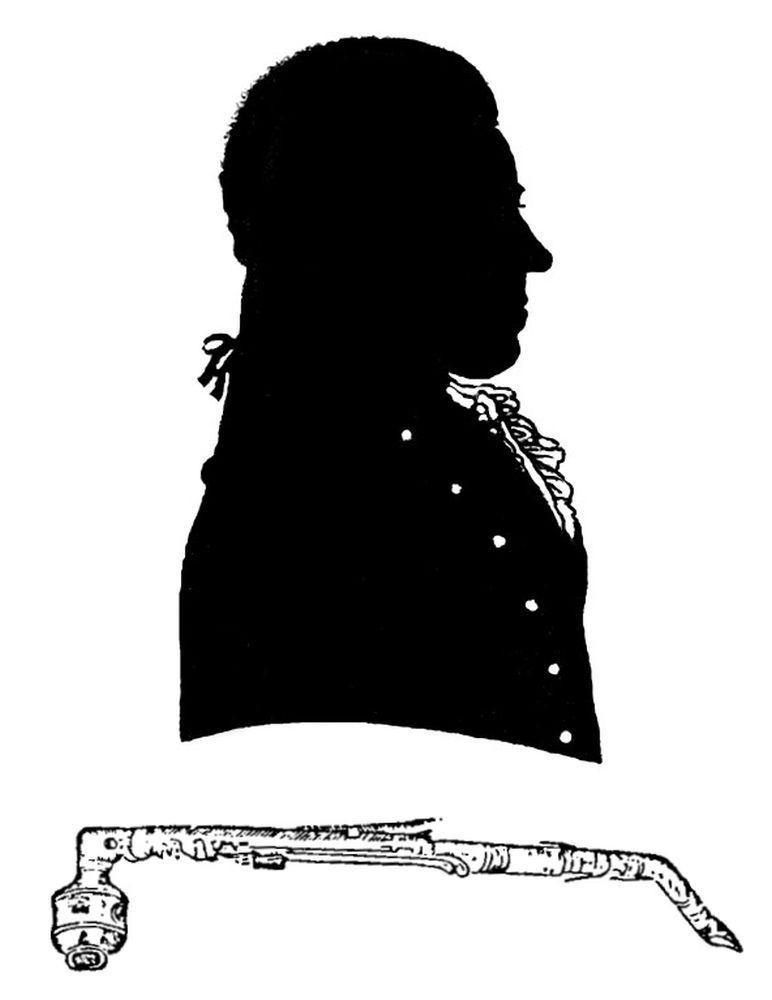
On Oct. 7, 1791, Mozart completed his Clarinet Concerto. It was the final major purely instrumental work he wrote and later became known as his swan song. The concerto was written for clarinettist and fellow Freemason, Anton Stadler, whom Mozart had befriended during gambling sessions and pool games. Mozart’s sister-in-law described Stadler as one of the composer’s “false friends, secret bloodsuckers and worthless persons who served only to amuse him at the table.”
However, if Stadler’s reputation was ever in doubt, his artistry was not; critics and audiences lauded him for his tone and virtuosity.
At the time, the clarinet was a relatively new instrument with a limited range and an inconsistent tone, so Stadler took steps to improve it. He worked with the instrument maker Theodor Lotz to extend the range downward and even out the sound. The resulting instrument, now known as the basset clarinet, was new.
Mozart became smitten with the basset clarinet’s unique vocal quality and eventually wrote the Clarinet Concerto for it. The concerto’s melodies showcase the instrument’s unusually wide range.
Tragically, two months after completing the concerto, Mozart died. The composer who had danced with aristocrats, conducted for kings, and tutored princesses was buried in an unmarked shaft grave. Yet, though Mozart received only a common funeral, he left a wealth of uncommon works—works that offer universal testaments to humanity’s spirit and wonder.

The Adagio
Centuries later, the Adagio of the Clarinet Concerto remains one of Mozart’s most recognizable melodies, bridging classical music and modern popular culture. In the Hollywood movie, “Out of Africa,” the movement is paired with vast African expanses and romantic atmospheres. Meryl Streep and Robert Redford help transform Mozart’s work into a cinematic representation of beauty, longing, and nostalgia.
Beyond its cinematic fame, the movement’s emotional depth is best experienced through a performance. In today’s recording, the Adagio (12:22) is played by Sabine Meyer on the basset clarinet. (Listen)
The movement contains no bombastic virtuosity or extreme climax, but rather sustained phrases that glide above sparse orchestral accompaniments. The basset clarinet’s simple melody at the beginning makes seamless leaps, lending it a vocal quality. After the opening theme, the clarinet and orchestra begin to converse with each other (13:19). However, the harmony’s resolution is delayed, leaving the listener with a sense of continual rising.
In the middle section (14:12), the character takes on a dancing character. With melodies that sit in the instrument’s lowest registers before leaping to the upper ranges, Mozart creates various voices: a soprano (14:27), a basset (14:56), and a tenor (15:11). Despite showing off the range, he maintains a flowing lyricism.
After the contrasting middle section ends, the opening material returns—this time with a more intimate tone (16:06). Slower and quieter, silence becomes part of the musical expression. However, Mozart constantly evades the ending. Upon making a grand show of finishing (18:13), he shies into a sudden stillness. The musical gestures that emerge seem suspended in time, as if Mozart himself were speaking. When the final note is played, Mozart is unable to let it go, and the basset clarinet remains playing even after the orchestra has fallen silent (18:40).
What arts and culture topics would you like us to cover? Please email ideas or feedback to features@epochtimes.nyc.

