Successful people inspire others to greatness. Behind every successful person lies diligence, hard work, and application. Our success and creativity are sparked when we study and familiarize ourselves with the best of any given field. London’s Royal Academy of Art president, Sir Joshua Reynolds, said, “The more extensive, therefore, your acquaintance is with the works of those who have excelled, the more extensive will be your powers of invention.”
Throughout the centuries, master artists have long held a work ethic that anyone aspiring to greatness can apply.
Learn From Past and Present Masters
Raphael, Michelangelo, and Leonardo da Vinci have long been seen as the greatest artists of the High Renaissance.
Raphael (1483–1520) may have been seen in the shadows of his older and more established peers; Leonardo was 31 years older than Raphael, and Michelangelo was 8 years older than Raphael.
Raphael first studied Leonardo’s and Michelangelo’s artistic styles in Florence and worked hard to refine their techniques. In general, Leonardo approached his art as a scientist; he observed nature and tried to suppress subjectivity when he worked. In contrast, Michelangelo’s art is expressive and emotionally charged with human experience.
Raphael also learned from Leonardo’s interest in human psychology and from Michelangelo’s ability to articulate emotions through his art.
Raphael integrated other artists’ ideas into his works so well that he made them his own. That talent made him a rival to other artists, most notably Michelangelo. For instance, before Michelangelo had a chance to paint his composition “The Creation of Adam” in the Sistine Chapel,
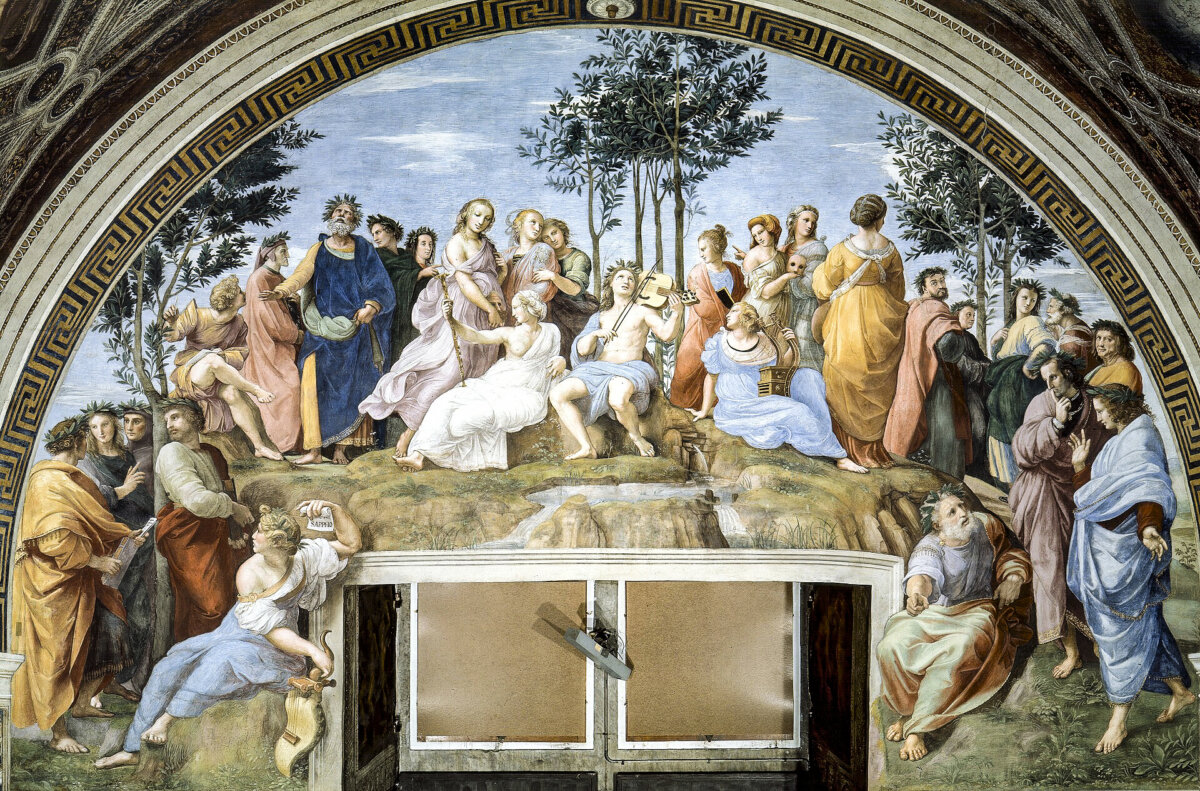
Raphael adapted Michelangelo’s preparatory drawing and included it in his fresco “The Parnassus” in the Vatican.
Raphael’s sketch of “Leda and the Swan” is the only surviving direct copy (except for a more sketchy form on a sheet with other studies) that he made of Leonardo’s work. Leda’s contrapposto pose, where the body weight is concentrated on one leg, comes from classical art. Raphael referenced both ancient art and Leonardo’s Leda in his painting “Saint Catherine of Alexandria.”
Become an Expert in Your Field
Britain’s preeminent animal painter George Stubbs (1724–1806) painted each subject—be it horse or human—with care, attention, and character.
Like Leonardo da Vinci, Stubbs studied anatomy in depth from cadavers. Between about 1745 and 1751, Stubbs first studied cadavers, including those of pregnant women, at York County Hospital. A doctor later commissioned Stubbs to draw and etch a series of fetuses in the womb for a paper on midwifery.
Stubbs’s horse paintings epitomize his nature studies. He spent 18 months studying horse cadavers in a remote barn in Horkstow, Lincolnshire. He first arranged each cadaver as if it were alive. He then hoisted it on a series of pulleys, dissected it in stages from the skin to the muscles and tendons, and right down to the bone, drawing as he went. Each cadaver lasted 11 weeks.
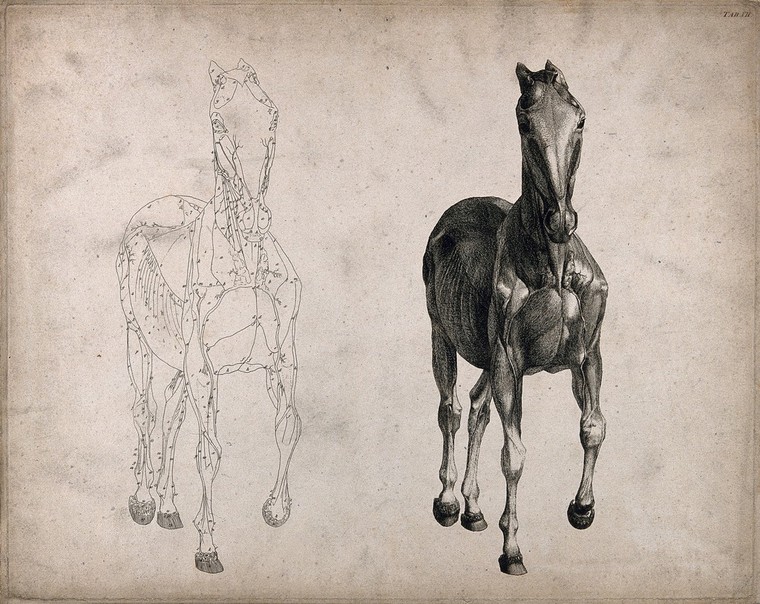
Stubbs studied horse anatomy to understand how to portray horses properly and to leave a guide for other artists, horse handlers, and the like. Those working drawings and finished studies led to his comprehensive 1766 treatise, “The Anatomy of the Horse.” Veterinarians and animal artists alike treasure it even today.
Be Clear on Your Purpose
Everything in French artist Nicolas Poussin’s paintings is there for a reason, and reason is the rationale behind each and every painting by his hand.
For Poussin (1594–1665), his paintings were no place for frivolity or sensuous pleasures. He believed that painting must address the noblest and most earnest of human endeavors in a manner best suited to the situation.
“For him, formal order, even indeed some pedantry of design, is almost invariably a way of expressing with absolute clarity and economy experiences of the profoundest intellectual, imaginative and visual reality. His paintings find perhaps their closest counterpart in the music of Johann Sebastian Bach,” art historian Basil Taylor wrote in “French Painting.”
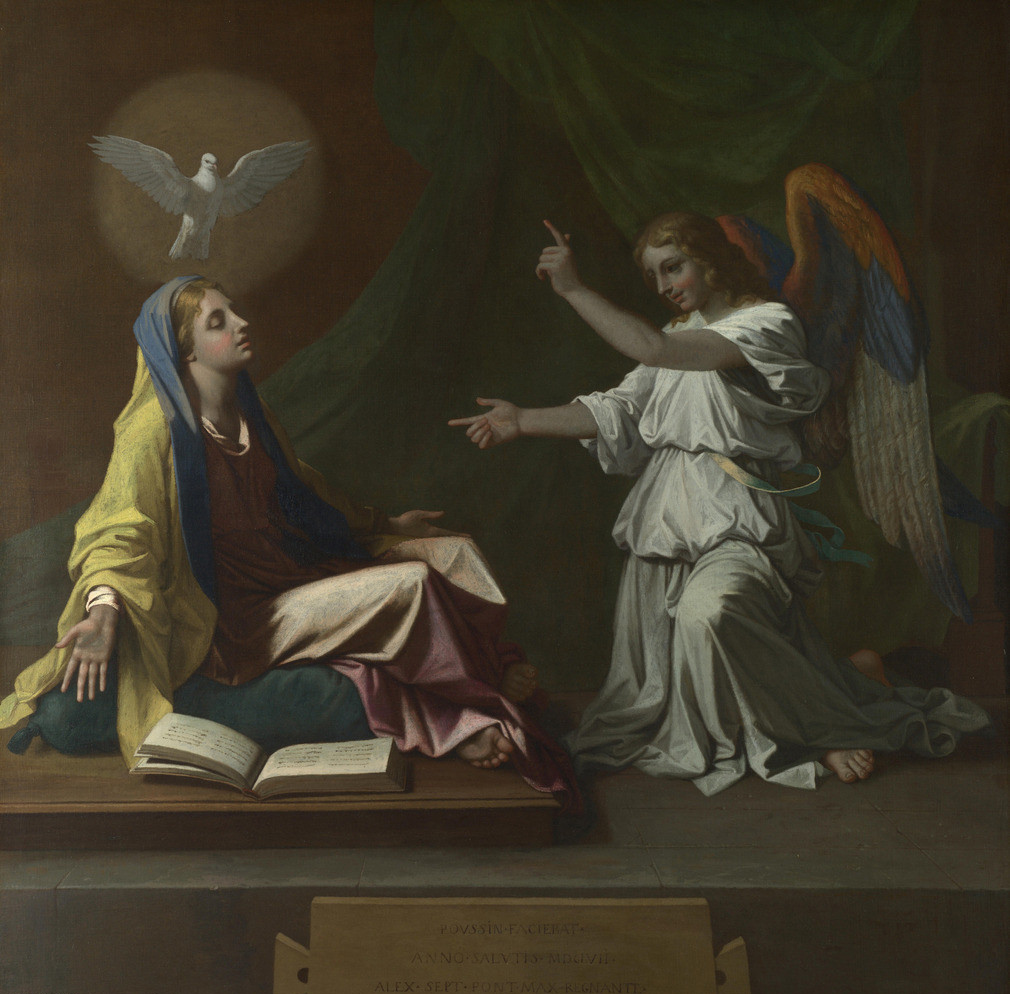
Put simply, “Poussin’s art is … a marriage of poetry and reason, sensibility and intellect, a balance of two aspects of one character,” states Mary Sprinson de Jesús, of the Metropolitan Museum of Art’s department of European paintings, on The Met’s website.
Poussin’s artistic rationale didn’t develop by chance. Hard work and an avid curiosity about the best artists before him—the greats of the Italian Renaissance, such as Raphael, Michelangelo, and Titian, and the art of the ancient Greeks and Romans—along with years of contemplation, made Poussin an internationally renowned and revered artist in his time and beyond.
Select the Best Assistants
Flemish artist Peter Paul Rubens (1577–1640) painted some 1,400 works, although some experts say as many as 1,800. Rubens’s prolific output wouldn’t have been possible without his workshop.
Rubens ran one of the largest and most successful workshops of his day. From the founding of his workshop on Oct. 15, 1598, until his death on May 30, 1640, Rubens created an average of three paintings per month—from small sketches to monumental works.
Rather than teaching young apprentices, Rubens chose experienced workshop assistants. He was never short of applicants. On May 11, 1611, Rubens wrote to a friend: “I can tell you truly, without any exaggeration, that I have had to refuse over one hundred [assistants], even some of my own relatives or my wife’s.
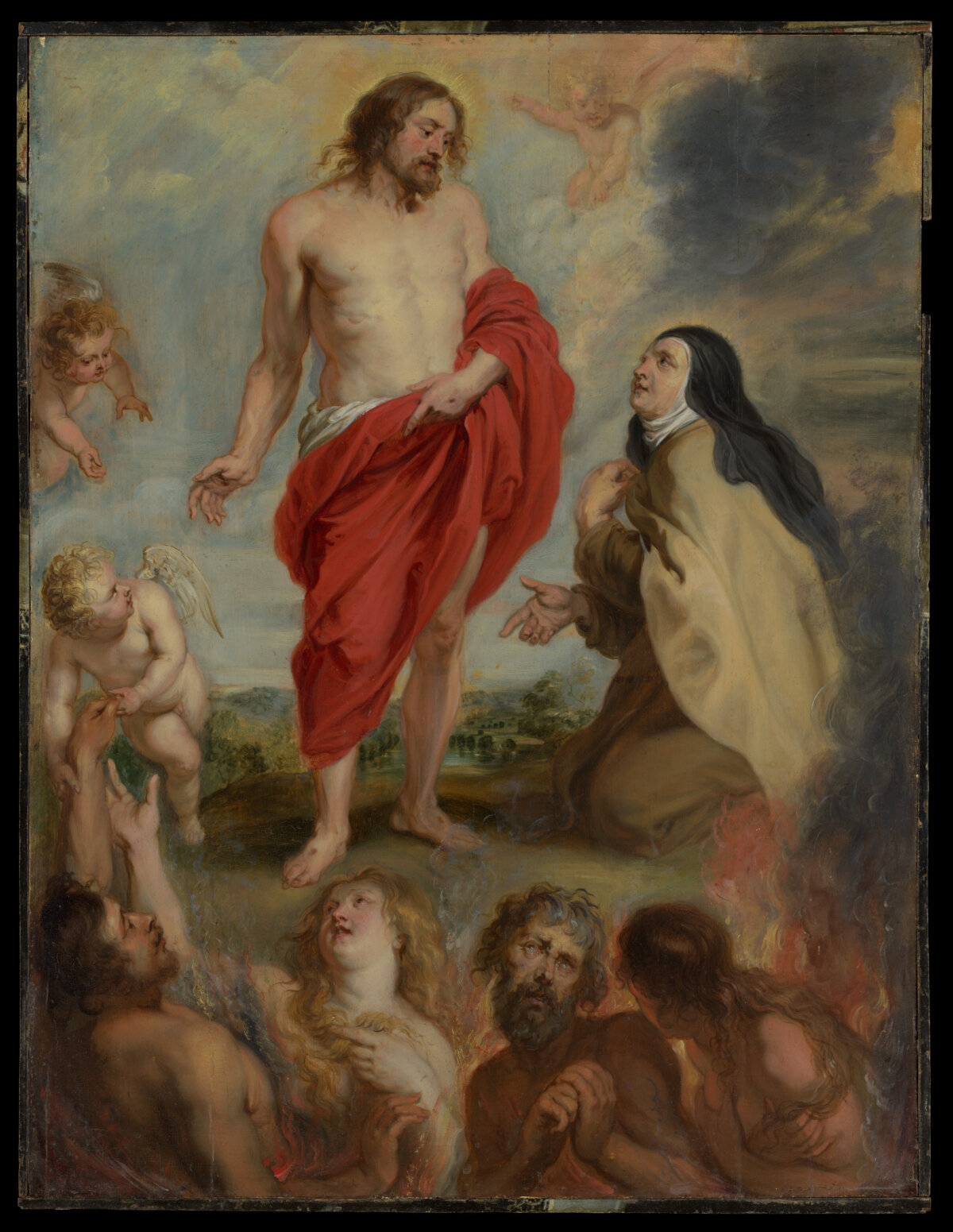
Much like factory production lines, workshops had orderly systems in which assistants often specialized in tasks from grinding pigments and stretching canvases to making glue, varnish, and oil paints, and from transferring the master’s drawings onto canvases to painting.
Workshop assistants made their own tools and materials, including paint brushes, oil paints, varnishes, and canvases.
In addition to Rubens’s experience, Renaissance treatises detailed the best types of wood and animal hair—from boar bristles to miniver (squirrel) hair—to use for different paintbrushes.
Although these master artists died long ago, their art and their work ethic continue to inspire others to greatness.
What arts and culture topics would you like us to cover? Please email ideas or feedback to features@epochtimes.nyc.