“Give me a child until he’s 7 years old,” runs the adage, “and I will show you the man.”
Often misattributed to Aristotle or to the founder of the Jesuits, Ignatius of Loyola, this proposition has wisdom that is both timeless and obvious. Nearly 3,000 years ago, for instance, the Old Testament’s Book of Proverbs advised, “Train up a child in the way he should go, and when he is old, he will not depart from it.” Humans have long recognized the connection between early childhood and moral instruction.
Twenty-first-century psychologists agree with ancient philosophers that the code of ethics given to a child becomes a foundation stone for adulthood. Ultimately, the chief teachers of this virtue are parents and grandparents, older siblings, and other mentors. From them, girls and boys at a tender age absorb and process life lessons in honesty, generosity, respect for others, responsibility, and other positive traits. Numerous online articles that repeatedly stress the key role these influencers play offer advice and activities intended to make this teaching easier and more effective.
Missing from many of these lists, however, is any mention of the fairy tales and classic stories that can reinforce these lessons.
Fables and Fairy Tales
Read Aesop to children, and we find an ant schooling a grasshopper in responsibility, a tortoise teaching a hare that slow and steady wins the race, and a boy who cries wolf too many times learning that no one believes habitual liars even when they’re telling the truth.
Share the fairy tales of Hans Christian Andersen, the Brothers Grimm, Charles Perrault, and others, and our children witness heroic virtue in action, as in the courage and grit of Hansel and Gretel as they defeat a witch. Read aloud “Beauty and the Beast,” and they learn that real beauty is found in the soul rather than in a mirror.
The fables, with their clear-cut moral lessons, recognizable characters, and brevity, are vitamins in print, boosting good character; the fairy tales, although more complex in plot and character, deliver a central message of hope: that good will triumph over evil in the end. To put it another way, for children 7 and under, fables with their warnings and their no-nonsense markers of morality constitute a rough map for the journey of life. By contrast, fairy tales describe the mess and dangers we’ll encounter on the trip—the flat tire, stalled traffic, storms, and icy highways.
Some modern commentators have disparaged fairy tales as unfashionable or too frightening for kids. In his collection of essays “Tremendous Trifles,” G.K. Chesterton answers those critics, then writes:
“Fairy tales, then, are not responsible for producing in children fear, or any of the shapes of fear; fairy tales do not give the child the idea of the evil or the ugly; that is in the child already, because it is in the world already. … The baby has known the dragon intimately ever since he had an imagination. What the fairy tale provides for him is a St. George to kill the dragon.”
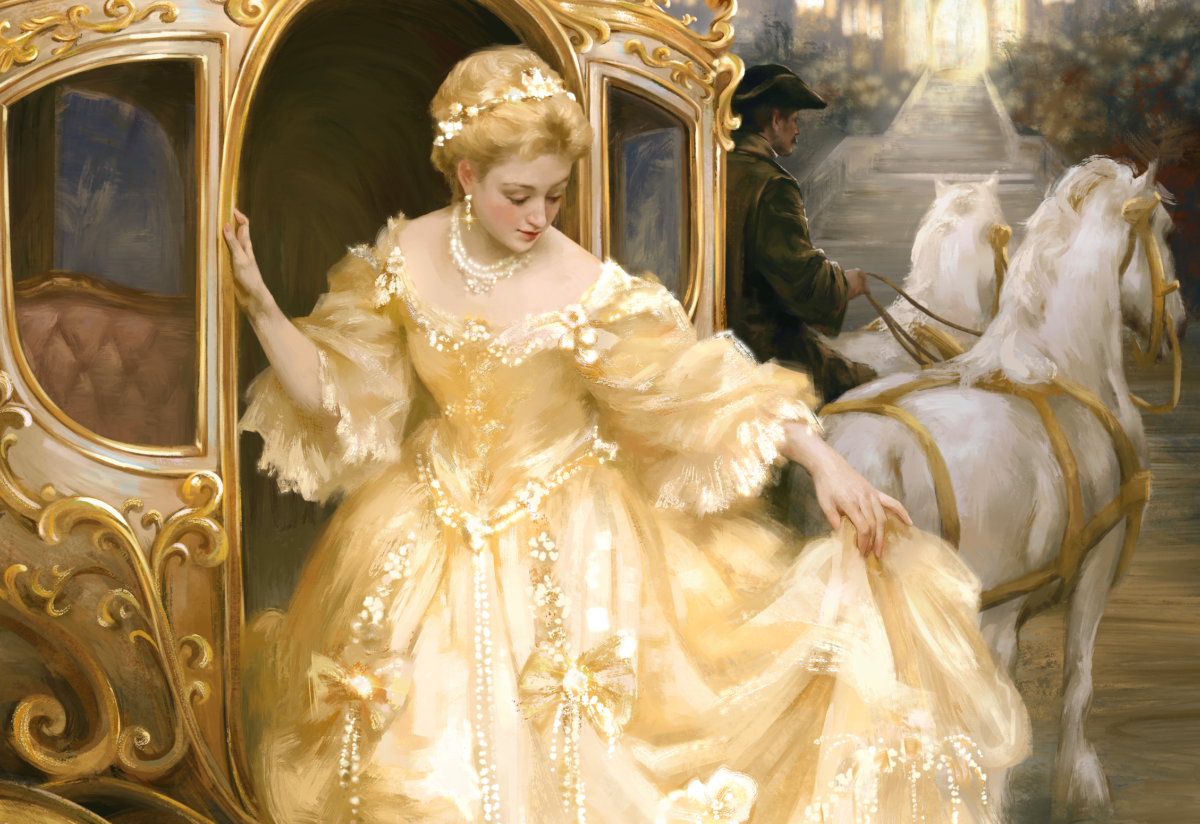
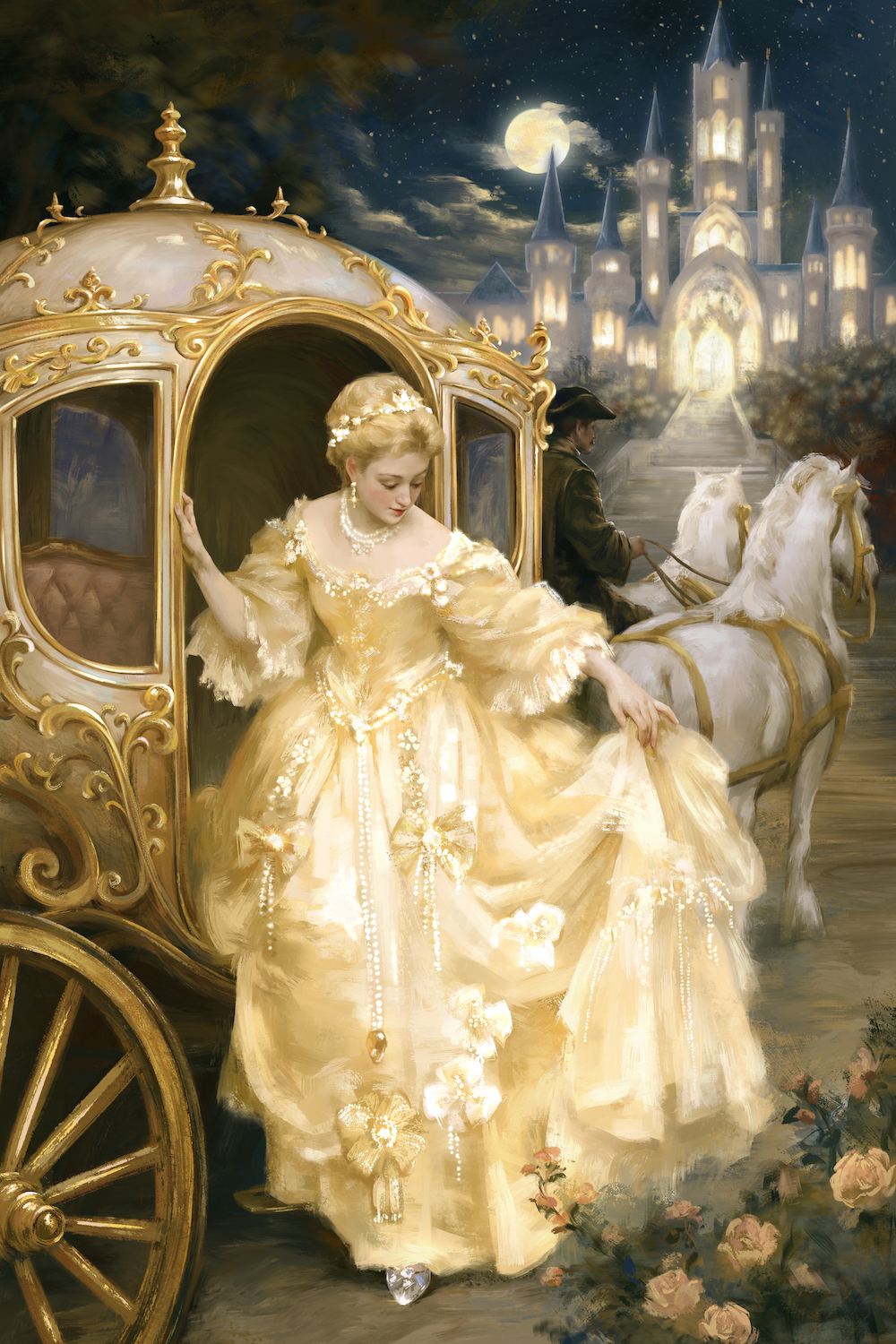
What’s more, fairy tales teach the child, male or female, to become St. George instead of the dragon. The 4-year-old boy waving a stick as a sword and battling wickedness is putting on a suit of armor for adulthood; the 5-year-old who dresses like the princess after hearing the rags-to-riches story of “Cinderella” has acquired a tool for overcoming hardship.
More sophisticated stories for kids add more bricks to this foundation of moral maturity.
Storytime Classics
The introduction to “Magic in the Air,” one of the volumes in the old Collier’s Junior Classics aimed at the kindergarten crew, offers this template for character building:
“What do we mean by ‘best’ in a book for children? Best books reflect universal truths with clarity and artistry. Such books reveal that man is essentially good and that life is infinitely worth living. They do not deny the existence of evil, but rather emphasize man’s thrilling struggle against evil through faith, courage, and perseverance. They awaken the young reader’s imagination, call forth his laughter as well as his tears, and help him understand and love his fellow man. The reading of such books constitutes a rich heritage of experience which is every child’s birthright.”
It’s a sad truism that our culture today—its literature, its music, its entertainment—rarely tells the young that “life is infinitely worth living,” yet it’s a lesson we can instill in our children by example and by the stories we share with them. Included in “Magic in the Air,” for instance, are excerpts from “The Adventures of Pinocchio,” “Winnie-the-Pooh,” and “The Borrowers.” In these childhood classics, and so many more, virtue arrives cloaked as entertainment.
Here, as with fables and fairy tales, the young learn virtue not with lectures, but by osmosis. These read-aloud sessions on the living room sofa allow children to absorb lessons in character while giving harried parents a break from their demanding schedules.
One often-neglected virtue, however, may require special attention and parental effort outside the covers of a book.
The Year-Round Thanksgiving
Gratitude may seem an incongruous add-on to “Little Red Riding Hood” and “The Wind in the Willows,” but it’s key to the formula for a life “infinitely worth living.” And like fairy tales and stories, gratitude sometimes fails to make those online lists of character-building.
In his essay “Why Gratitude Is Good,” Robert Emmons, a professor of psychology and the world’s leading gratitude expert, points out that gratitude brings a buffet of physical, psychological, and social benefits, including the recognition of goodness in our lives. Little wonder then that the Roman philosopher and politician Cicero considered gratitude “the mother of all the virtues.”
The gratitude praised by these two men not only references our temporary pleasure and delight in some moment or gift, but also an appreciation for existence itself, for being alive and human, and in the world. Unfortunately, despite the many luxuries and conveniences we enjoy today, grievance and grumbling more aptly describe today’s culture than gratitude.
Which is precisely why we must aim to instill the virtue of gratitude in our children from an early age.
One simple way to build this habit of thanksgiving in a child 3 years old or older is to ask a daily question: “What were you most grateful for today?” I’ve heard of parents posing this question while tucking their children into bed. Two couples I know well routinely ask their kids the question at the supper table. The answers are usually ordinary—they’re thankful a friend came to play or that Mom doled out a midafternoon treat of ice cream—but these small appreciations will accumulate over time, and gratitude will become a habit.
An Added Bonus
As many educators know, when teaching others, we teach ourselves. The stories and fairy tales we read to our children touch us as well as them, although in different ways and on different levels.
C.S. Lewis understood adults’ need for fairy tales and stories of innocence. In “Surprised by Joy,” he credited George MacDonald’s “Phantastes: A Faerie Romance for Men and Women” for first baptizing his imagination. Later, he famously dedicated his book “The Lion, the Witch, and the Wardrobe” to his goddaughter, Lucy Barfield. Here’s the beginning of that dedication:
“My dear Lucy, I wrote this story for you but when I began it I had not realized that girls grow quicker than books. As a result you are already too old for fairy tales, and by the time it is printed and bound you will be older still. But someday you will be old enough to start reading fairy tales again.”
Fairy tales, good stories, and gratitude intentionally observed and practiced are good for all of us. Let’s make sure our children receive these tools, which are essential to building virtue and character.