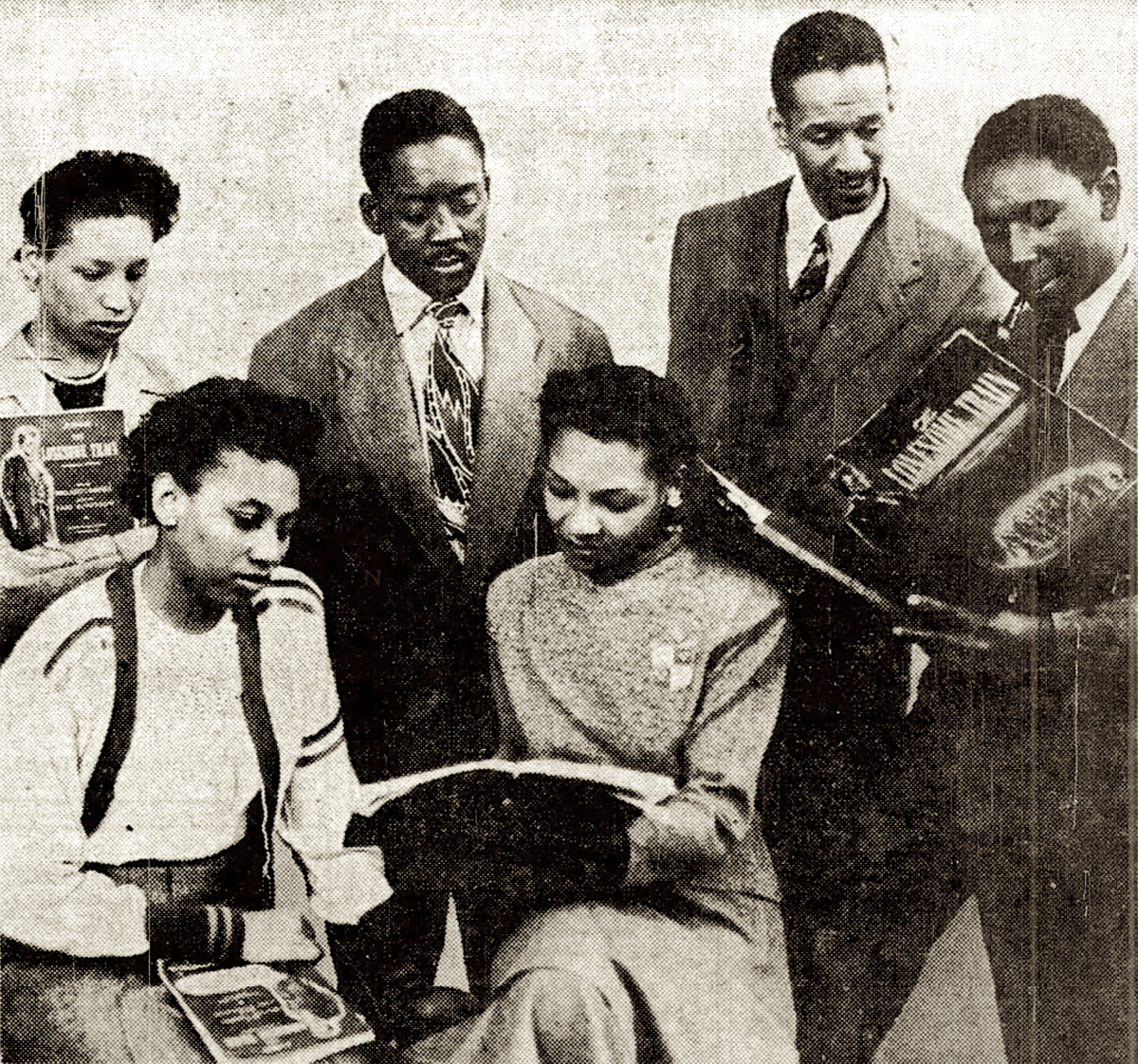
During the last century, a woman built one of the most impressive operatic careers in American history. Leontyne Price defined countless famous roles and popularized lesser-known ones. Her real-life marriage to co-star and fellow black opera singer William Warfield reflects the joys and challenges of romance between artists.
Price is a shining example of a black American who grew up in the segregated South. She went on to build a name for herself as an international opera singer.
Hard Work and Solid Support
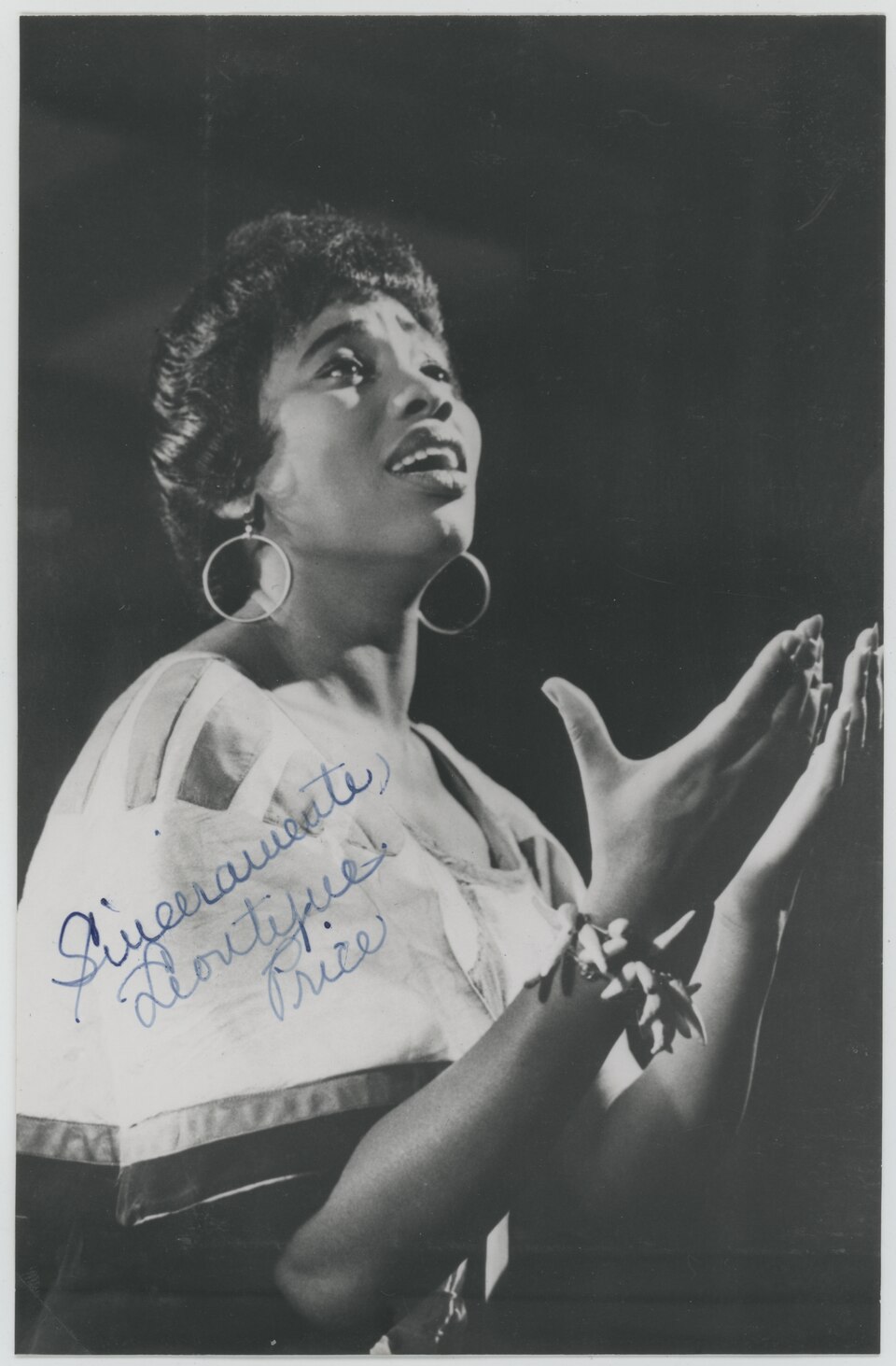
Price was born in Laurel, Mississippi, on Feb. 10, 1927. At age 3, with only a toy piano, she began taking piano lessons from local pianist Hattie McInnis, who’d studied with Carl Orff.
When she was 5, her parents traded a phonograph as a down payment on an upright piano so their daughter could continue her musical studies. For the next 12 years, she studied piano and voice with McInnis.
She also played the piano and sang at St. Paul’s Methodist Church, where her mother sang. During her teenage years, her reputation spread.
At 17, Price won a scholarship to attend Central State University in Ohio, where she had begun as a music education major before switching her focus to voice studies. Receiving encouragement at Central State, Price wanted to attend Juilliard Conservatory in New York City to continue her voice training.
Her studies were funded by her parents’ support, benefit concerts she performed, the financial aid of a generous white family, and the young singer’s own hard work at extra jobs. At Juilliard, Price studied with Florence Page Kimball. Kimball molded her voice from a dark mezzo-soprano timbre into the powerful soprano voice that would make her a star.
‘Porgy and Bess’
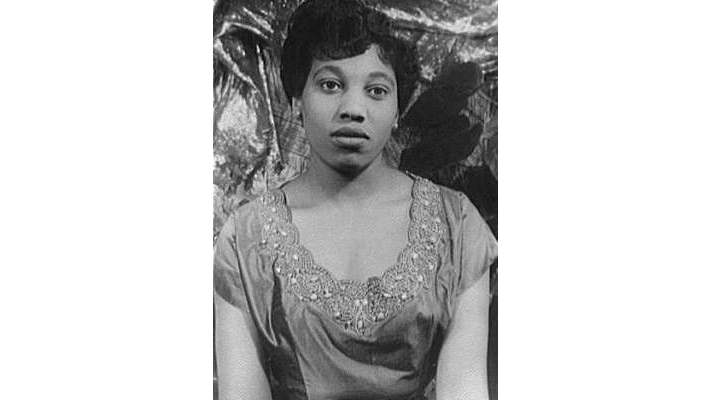
There’s a debate about what can be considered Price’s professional operatic debut. Critics dispute what is classical opera and what constitutes a professional production. In any case, Price performed in her first operas at Juilliard, including Giuseppe Verdi’s beloved comedy “Falstaff.”
It was in this opera that she attracted the attention of the producers of a new production of George Gershwin’s “Porgy and Bess.” They had already secured young black baritone William Warfield to play Porgy; Warfield had just gained fame from singing “Ol’ Man River” in MGM’s “Show Boat” (1951). In Price, they’d found their Bess.
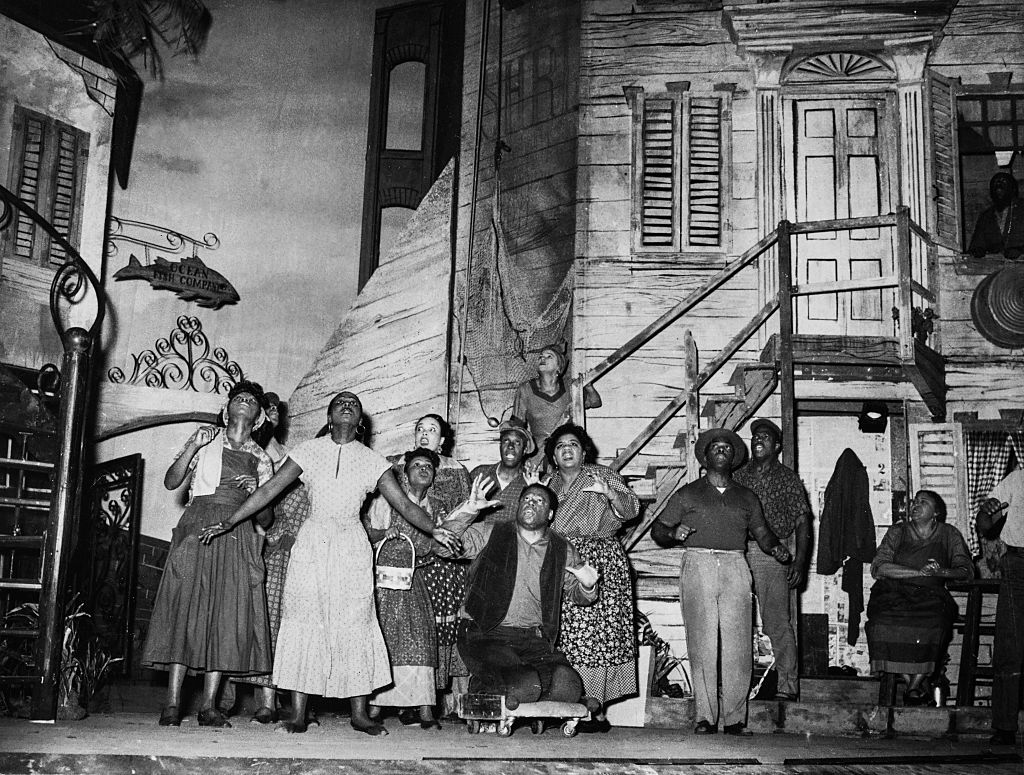
She joined the all-black cast on an impressive tour of North America and Europe, partially sponsored by the U.S. State Department. This was Price’s first professional production.
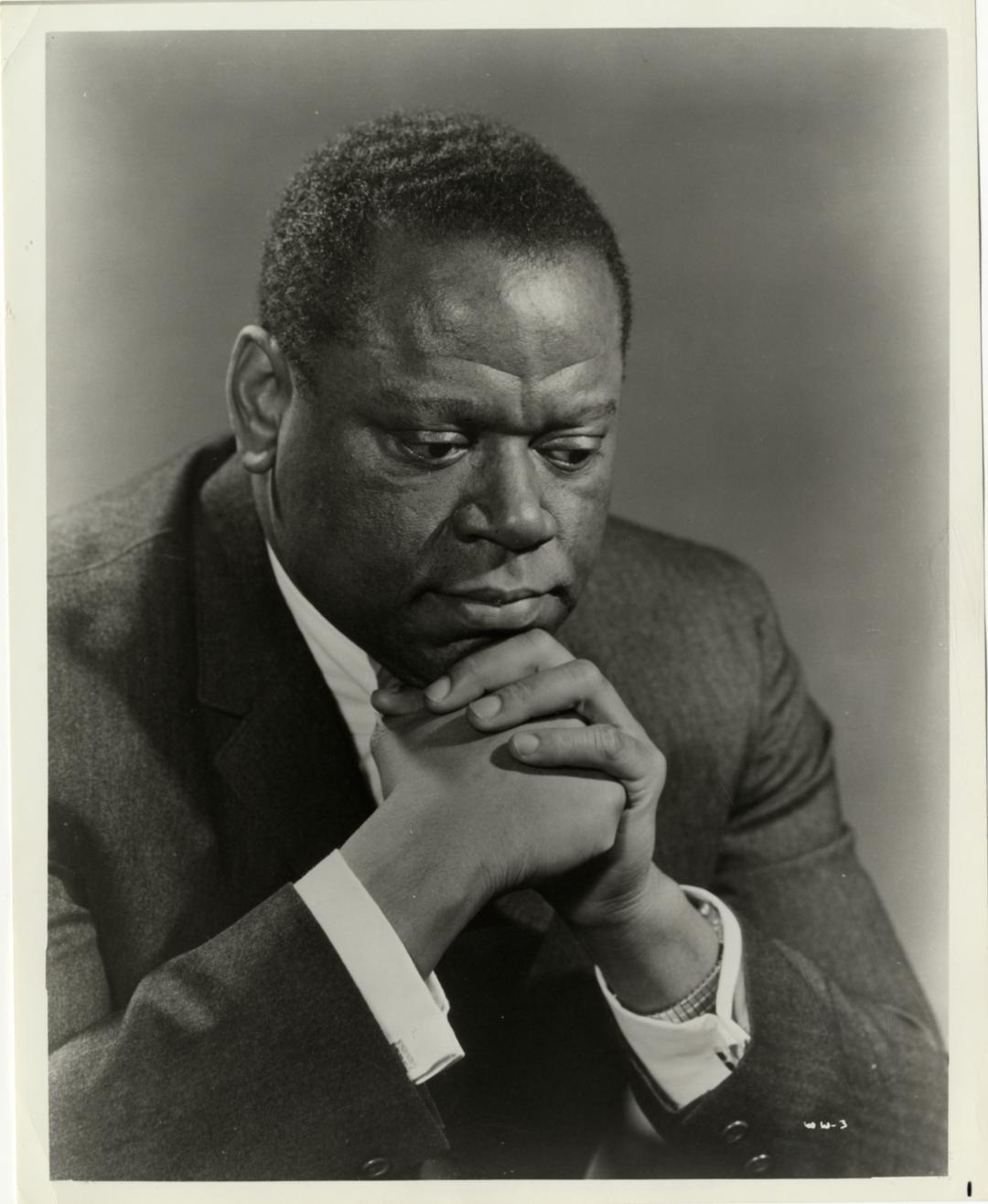
Before the tour embarked for Europe, the singers playing the titular lovers set out on the sea of matrimony offstage. William Warfield, an established singing star, and Price, an up-and-coming soprano, were married in New York City on Aug. 31, 1952.
Unfortunately, the European tour of “Porgy and Bess” was one of the few times the young couple could perform together for an extended period. Upon returning from Europe, Warfield reluctantly left the production because of other commitments, while Price starred in the show as it moved to Broadway.
They put on a few joint concerts together, and they made a recording of excerpts from “Porgy and Bess” in 1963. However, their marriage was short-lived. Warfield was building a career as a concert performer, while Price challenged the odds to forge an operatic career. They legally separated in 1967 and officially divorced in 1973; they remained close friends and never remarried.
Television and Europe
Peter Herman Adler was an important champion in Price’s career. After hearing her sing Bess, the conductor hired her to sing the title role in Giacomo Puccini’s “Tosca” on NBC Opera Theater in 1955.
It was daring for a black woman to play an Italian heroine in 1950s America, but Price’s vocal talent and acting ability were undeniable. The Metropolitan Opera offered her the title role in Verdi’s “Aida.” Although this was an appropriate role because the character is African, Adler advised her to hold out for a better offer, saying, “When she makes her debut at the Met, she must do it as a lady, not a slave.” She took this advice; however, she played the role of Aida at Teatro alla Scala in Milan in 1960.
Debut at the Met
Price finally made her Met debut on Jan. 27, 1961, playing the role of Leonora in Verdi’s “Il Trovatore” (“The Troubadour”). She was a huge success and quickly became one of the Met’s biggest stars.
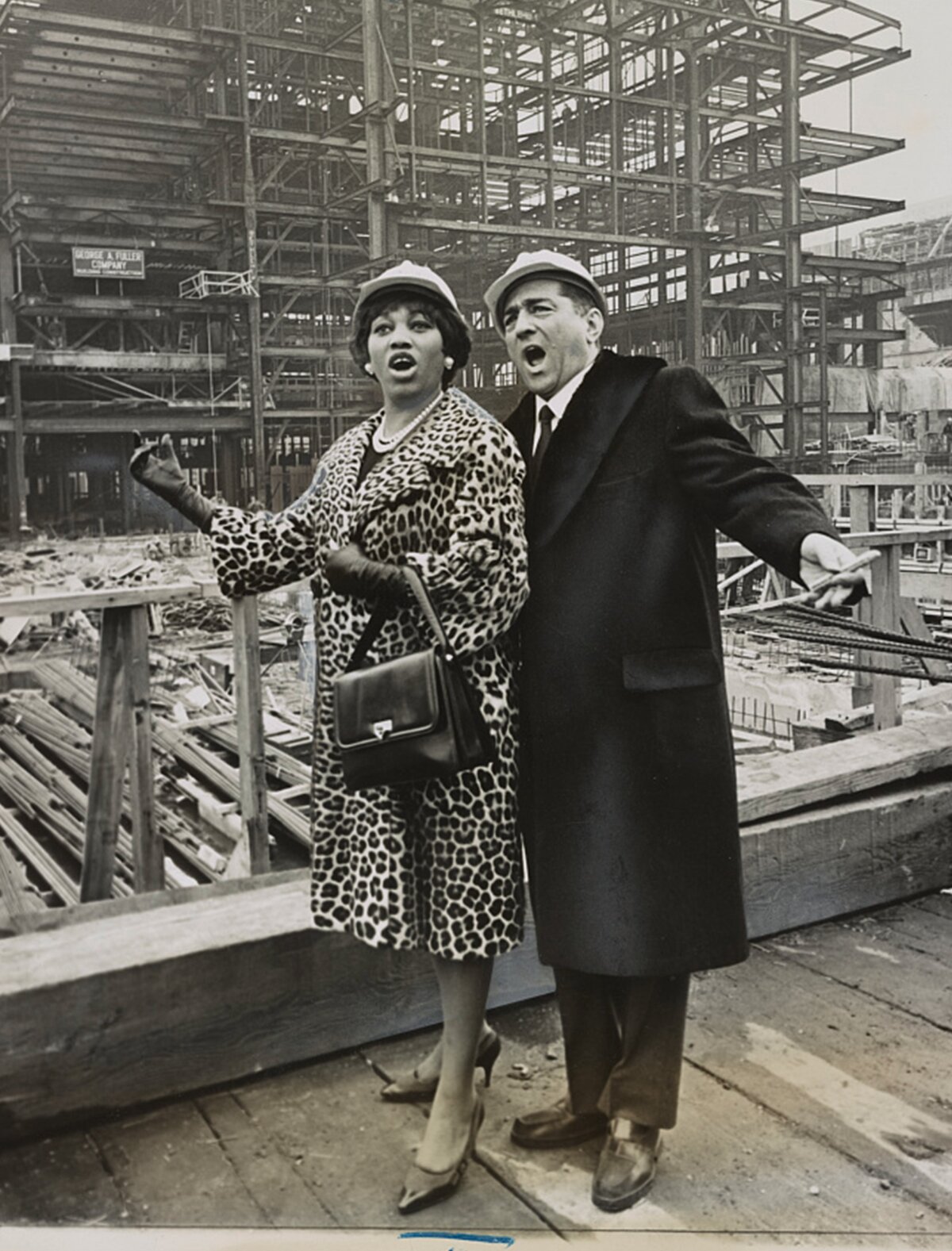
Within 10 years, she’d played 14 different roles in 146 performances at the Met. She was one of the singers to star in the gala to close the old Met theater in 1966, and she starred in the new opera written by Samuel Barber for the new Met building’s opening, “Antony and Cleopatra.”
She made her farewell appearance at the Met in 1985, appropriately in “Aida.” After retiring from the opera stage in the 1980s, she continued concertizing until 1998. Since then, she has only come out of retirement to sing in concert at a few special occasions.
Besides her long performing career, Price made a vast number of recordings, cutting studio versions of almost every role she played onstage, as well as art songs, gospel songs, and other arias.
She received a total of 13 Grammy awards out of 25 nominations. She also won two Primetime Emmy Awards. She was given the Presidential Medal of Freedom in 1964 and received the Kennedy Center Honors in 1980.
Price has been called the greatest singer of her day. As she herself said, “Accomplishments have no color.”
What arts and culture topics would you like us to cover? Please email ideas or feedback to features@epochtimes.nyc.