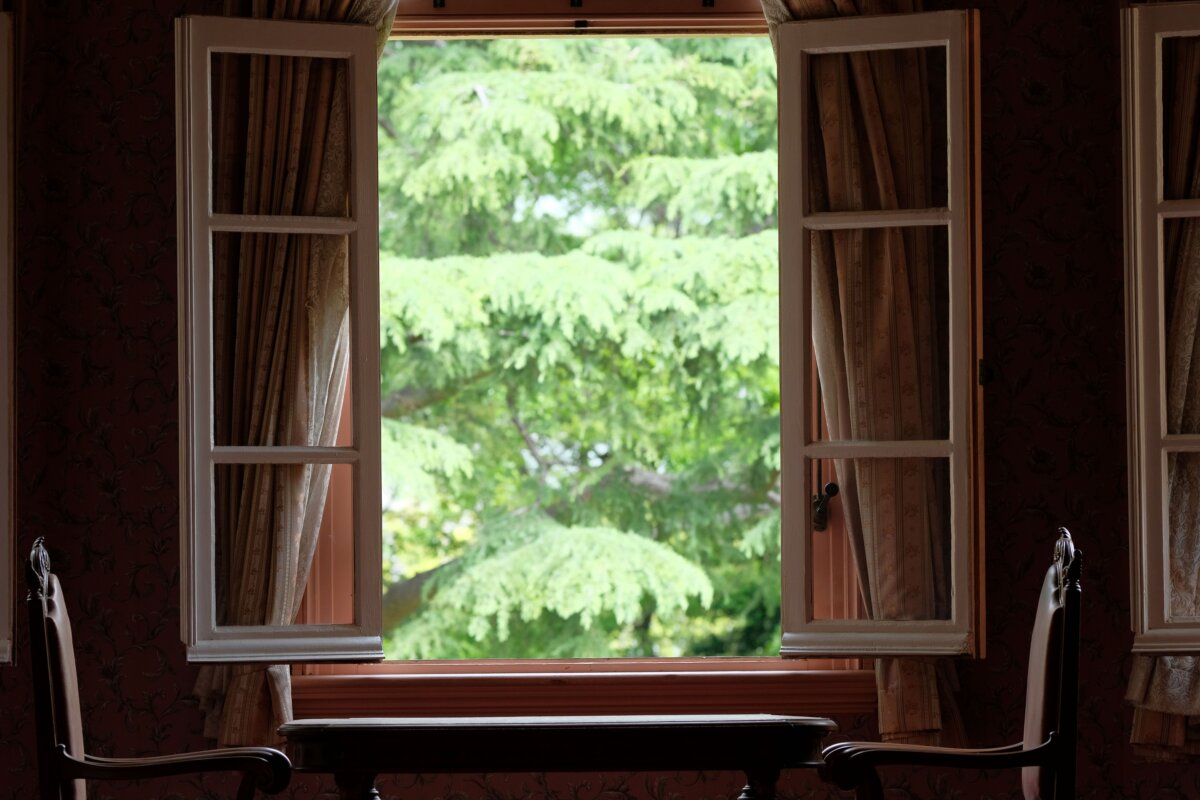
In his short story “The Open Window,” H.H. Munro demonstrates the importance of reasonably questioning what one is told. His story illustrates how critical thinking can not only determine the validity of information but also discover the truth amid extraneous words.
A Tale for the Newcomer
Framton Nuttel has just moved to town to cure his nerves. Unfortunately for him, his sister once lived in town and has given him letters of introduction to her previous acquaintances. Before he left, his sister said to him: “I know how it will be. … [Y]ou will bury yourself down there and not speak to a living soul, and your nerves will be worse than ever from moping.”
Following this sister’s advice, Framton waits awkwardly in Mrs. Sappleton’s house and converses with her 15- year-old niece, Vera.
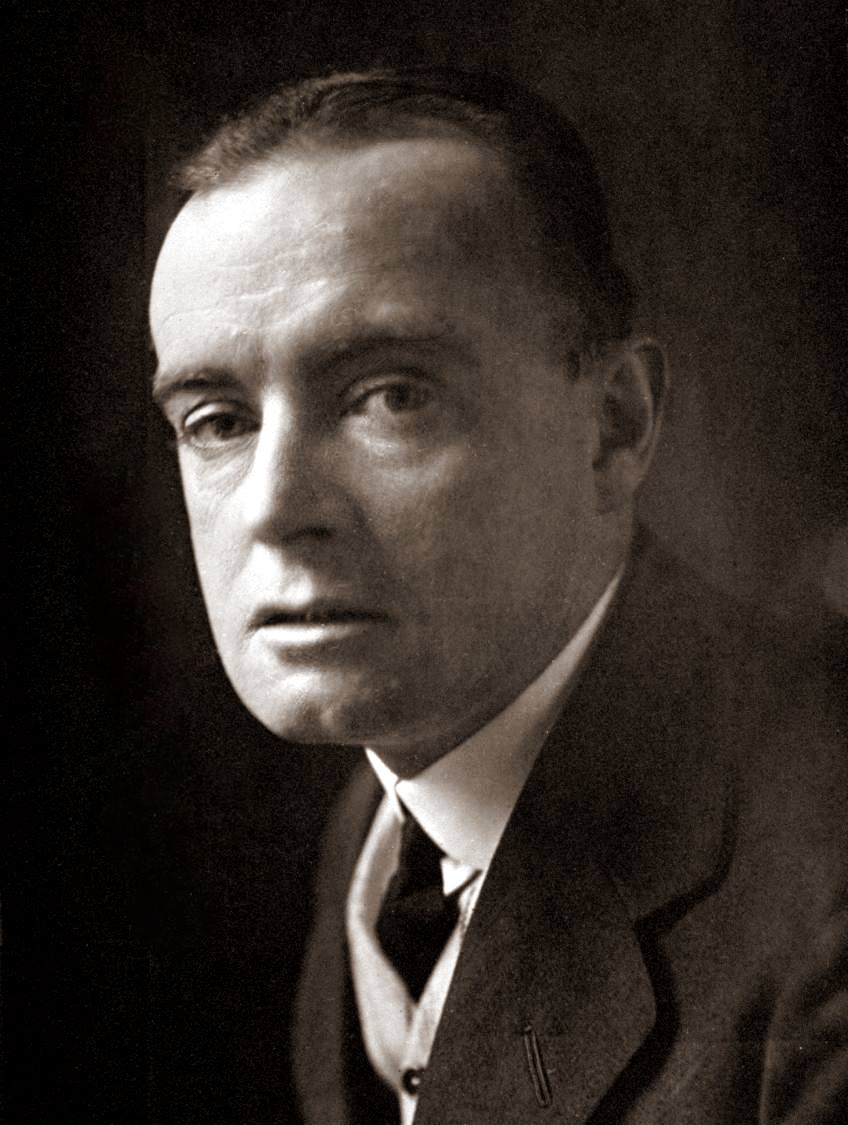
Curious, Vera asks whether he knows anyone in town and whether he knows her aunt very well. He confesses that he knows no one and only knows her aunt’s name and address. Having comprehended his level of acquaintance, Vera decides to inform Framton of her aunt’s situation.
Since Framton’s sister moved away, Mrs. Sappleton has experienced an awful tragedy. Vera explains: “You may wonder why we keep that window wide open on an October afternoon. … Out through that window, three years ago to a day, her husband and her two young brothers went off for their day’s shooting. They never came back.”
Mrs. Sappleton’s husband and brothers, Vera says, went hunting, but got swallowed by a treacherous, piece of bog. They and their hunting dog were never recovered. Now, her aunt waits for their return, expecting them to walk through the open window any moment.
Using Common Sense
Just as Vera finishes her story, Mrs. Sappleton arrives, profusely apologizing to Framton for leaving him alone. She dispenses with basic pleasantries, hoping that Vera has sufficiently amused him.
Then, to Framton’s utter mortification, Mrs. Sappleton announces that her husband and brothers went hunting for snipe, but should be home momentarily. All the while, she glances expectantly out the window.
Framton grows so uncomfortable that he changes the subject. He tells Mrs. Sappleton of all the medical needs and concerns that brought him to town.
Mrs. Sappleton suddenly exclaims: “Here they are at last! … Just in time for tea, and don’t they look as if they were muddy up to the eyes!” Framton looks to Vera, whose eyes are wide with horror, and then looks out the window, hardly believing his own eyes.
Through this story, Munro comically emphasizes the importance of being critical of one’s source of information, for a source might just be pulling one’s leg. Munro points out that Framton notices clues in the room but fails to consider their weight adequately. Rather, he believes Vera’s ghastly tale.
Oscar Wilde captured this flaw in human nature years earlier in in “The Soul of Man Under Socialism” when he says: “The public have an insatiable curiosity to know everything, except what is worth knowing.” Rather than discerning the truth, Framton’s gets caught up in Vera’s childish story.
Thus, Munro shows that critical thinking, that is, relying on a dialogue between various points and facts, can lead one to the truth.
What arts and culture topics would you like us to cover? Please email ideas or feedback to features@epochtimes.nyc.