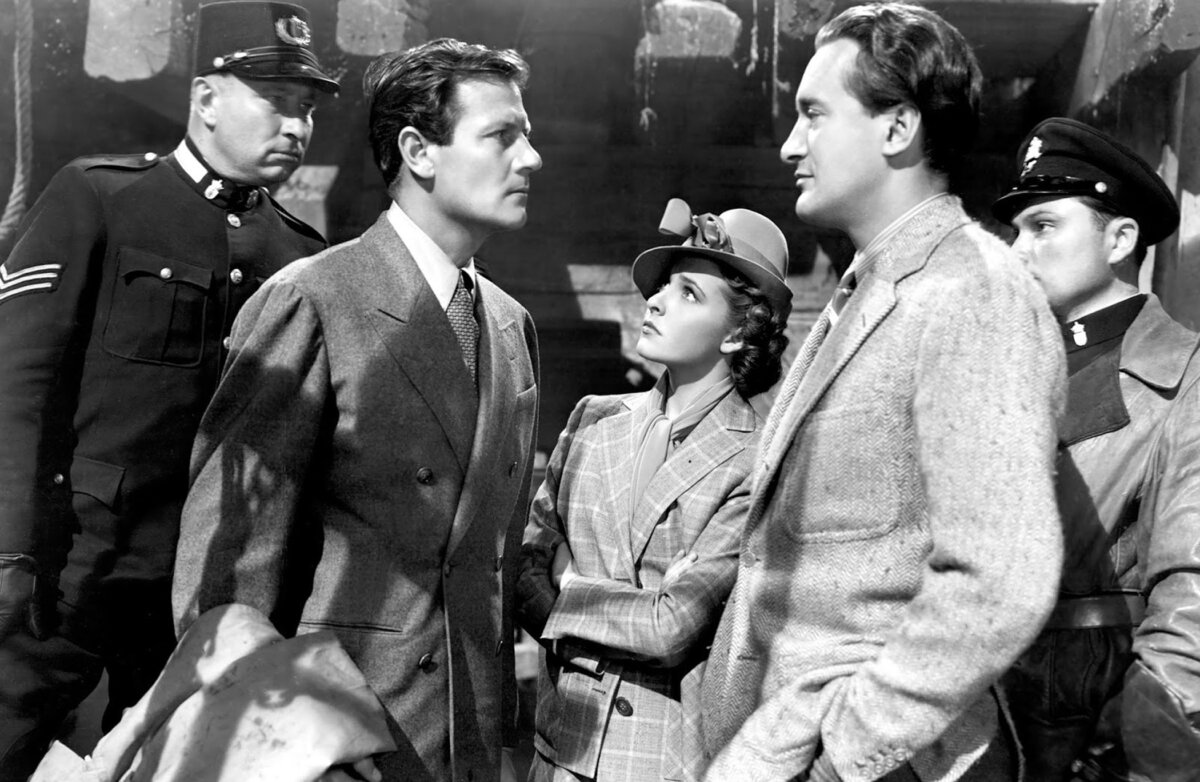
NR | 2h | Romance, Thriller, War | 1940
During WWII, foreign correspondents were crossing borders and sitting in press rooms. They listened carefully to what government officials said, along with what they didn’t say. Intelligence services were collecting information on Germany’s rapidly expanding military.
That’s the world Alfred Hitchcock focuses on in “Foreign Correspondent” (1940), his espionage adventure starring Joel McCrea. McCrea plays John Jones, a New York crime reporter whose editor has become fed up with foreign correspondents who just recycle official briefings and call it reporting.
Jones gets shipped across the Atlantic under the byline Huntley Haverstock and he’s told to find out what’s actually happening.
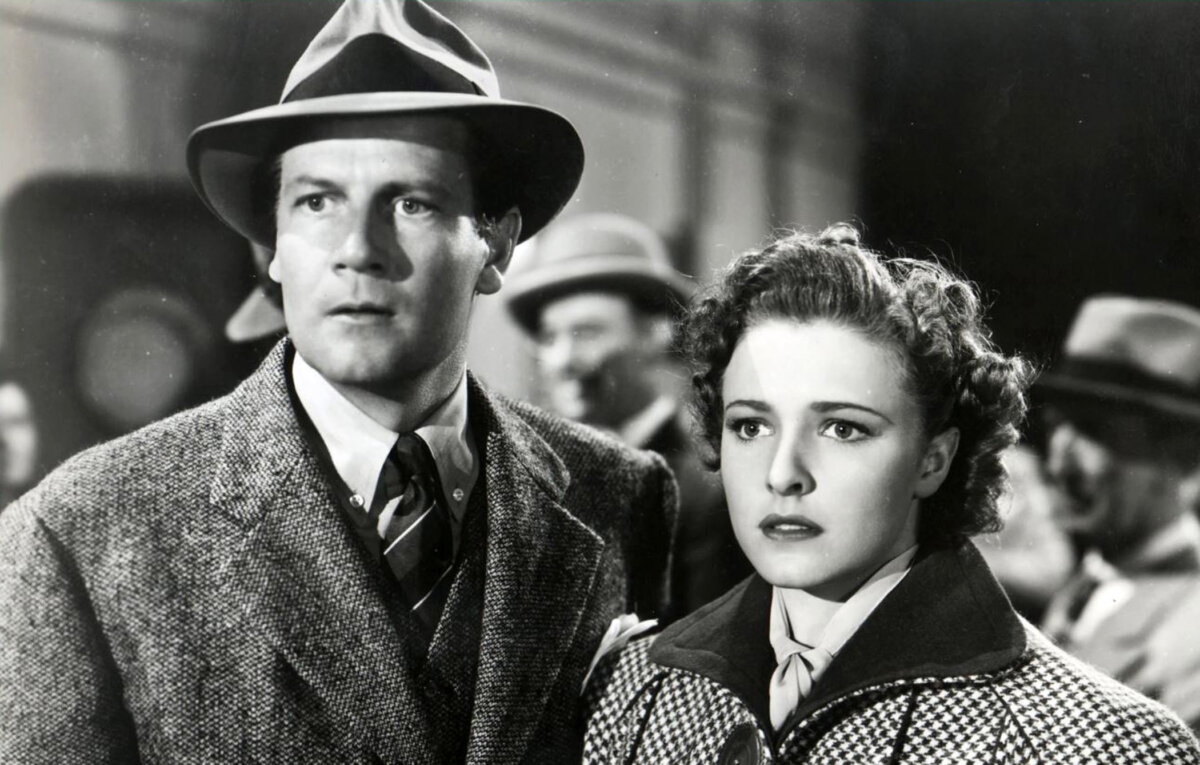
Hitchcock was making this movie while Europe was being repainted by the day. Production started in March 1940. Meanwhile, Germany invaded Denmark and Norway in April and attacked Belgium and the Netherlands the following month; France fell in June.
When “Foreign Correspondent” finally reached American theaters that August, the United States was still watching the war from the outside, while Britain was fighting for its very survival.
Hitchcock somehow turns all of this into a fast, dangerous, and surprisingly humorous adventure—packed to the brim with spies, diplomats, assassins, romance, and, of course, reporters.
Trouble Behind the Headlines
Jones is told to track down Dutch diplomat Van Meer (Albert Bassermann), a man closely involved in the European peace negotiations.
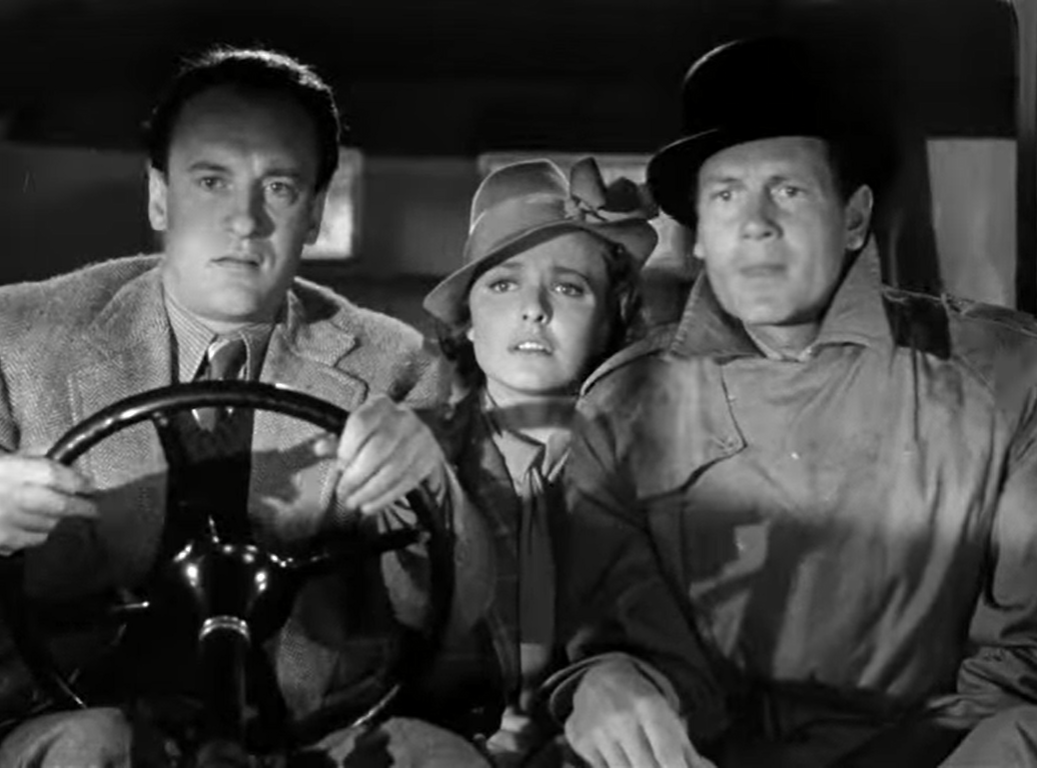
The assignment brings Jones into contact with peace campaigner Stephen Fisher (Herbert Marshall) and his daughter, Carol (Laraine Day). Before long, Jones finds himself mixed up in far more than just journalism.
During a trip to Amsterdam, Netherlands, an encounter with Van Meer ends in gunfire, which sends Jones scrambling after the assassin through a packed square filled with umbrellas, while everyone else is still trying to understand what just happened.
Jones keeps digging and eventually joins forces with British correspondent Scott ffolliott (George Sanders), whose missing capital letter is somehow only one of the peculiar things he runs across.
Turbo-Boosted Hitchcock
In its famous rain-soaked Amsterdam square scenes, Hitchcock fills the frame with a sea of umbrellas, trams, and all manner of people moving in every direction. The movie reportedly used dozens of sets, and that scale is easy to believe once Jones starts chasing the gunman.
The Dutch windmill sequence is another highlight, and Hitchcock gets a lot out of a location that could’ve easily been little more than background scenery. Jones starts snooping around inside, where the wooden stairs, gears, and turning machinery make every corner feel like a bad place to be caught.
The exterior was partly created with matte work and moving windmill blades, while the interior gives Hitchcock plenty of room to play with shadows and machinery that make the place feel increasingly cramped and uncomfortable.
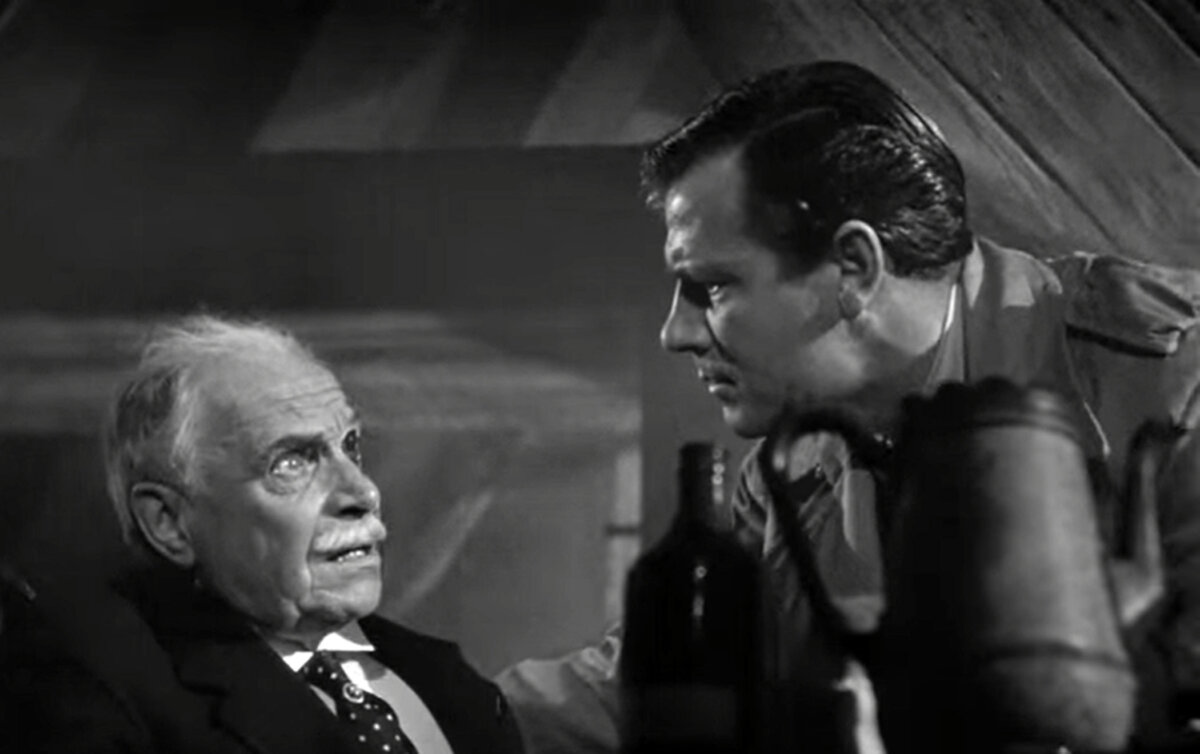
McCrea is a big reason the movie stays fun. He plays Jones as the kind of stubborn reporter who keeps pushing until he’s gotten himself into trouble again. Sanders is also terrific as Scott ffolliott, who dryly delivers some of the silliest lines in the picture. Day works well with McCrea, and their scenes together give the movie room to breathe amid all the mayhem.
The production gets even more ambitious during an airplane sequence, which Hitchcock shot using large water tanks and some ingenious effects work for 1940. When the plane crashes, water comes pouring into the aircraft, while the actors are thrown around inside. The scene has a rough physical quality that makes the danger convincing.
The final stretch brings the film’s patriotism right to the surface. During the closing radio broadcast from London, Hitchcock speaks directly to a still neutral American audience. As Americans watched the war from across the Atlantic, Britain was already enduring German air attacks.
Hitchcock mixed all sorts of fascinating characters and locales with wonderfully elaborate action for one big adventure. It’s highly recommended.
“Foreign Correspondent” is available on Amazon, HBO Max, and Apple TV.
‘Foreign Correspondent’
Director: Alfred Hitchcock
Starring: Joel McCrea, Laraine Day, Herbert Marshall
Not Rated
Running time: 2 hours
Release Date: Aug. 16, 1940
Rated: 4 stars out of 5
What arts and culture topics would you like us to cover? Please email ideas or feedback to features@epochtimes.nyc