Daniel Burnham’s name was now etched in history. He had overseen and directed the construction of arguably the greatest world’s fair. Built largely on the swamp lands along Jackson Park, the 200-plus exhibit halls of 1893’s Chicago’s Columbian Exposition covered more than 600 acres, including what became the largest building in the world, the 31-acre Manufactures and Liberal Arts Building. As director of works, Burnham had accomplished what seemed a near impossibility: the construction of the White City within the Windy City.
The Columbian Exposition sparked the City Beautiful reform movement, an urban-planning campaign popular during that time, and Burnham became the ideal candidate for a city planner. From Washington to Manila, Burnham helped plan the beautification of major cities.
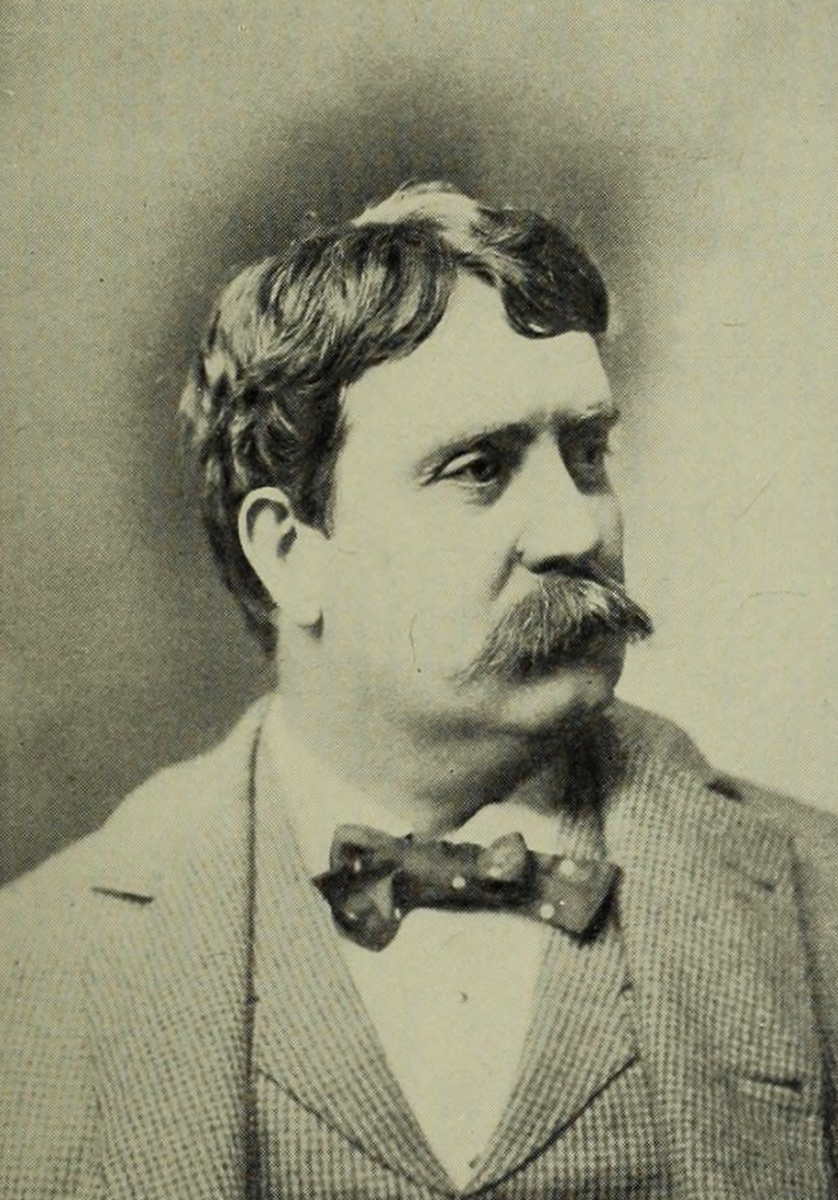
In 1904, James Phelan, president of the Association for the Improvement and Adornment of San Francisco, invited Burnham to visit and create a vision for what the city could look like. Shortly after Burnham’s arrival, he joined Phelan atop Twin Peaks to view the Golden City’s landscape.
“Sir, your city has one of the most beautiful situations in the world,” Burnham reportedly told Phelan. “It is incomparable. It surpasses in point of natural beauty any other city I have ever known.”
Plans Made, Plans Destroyed
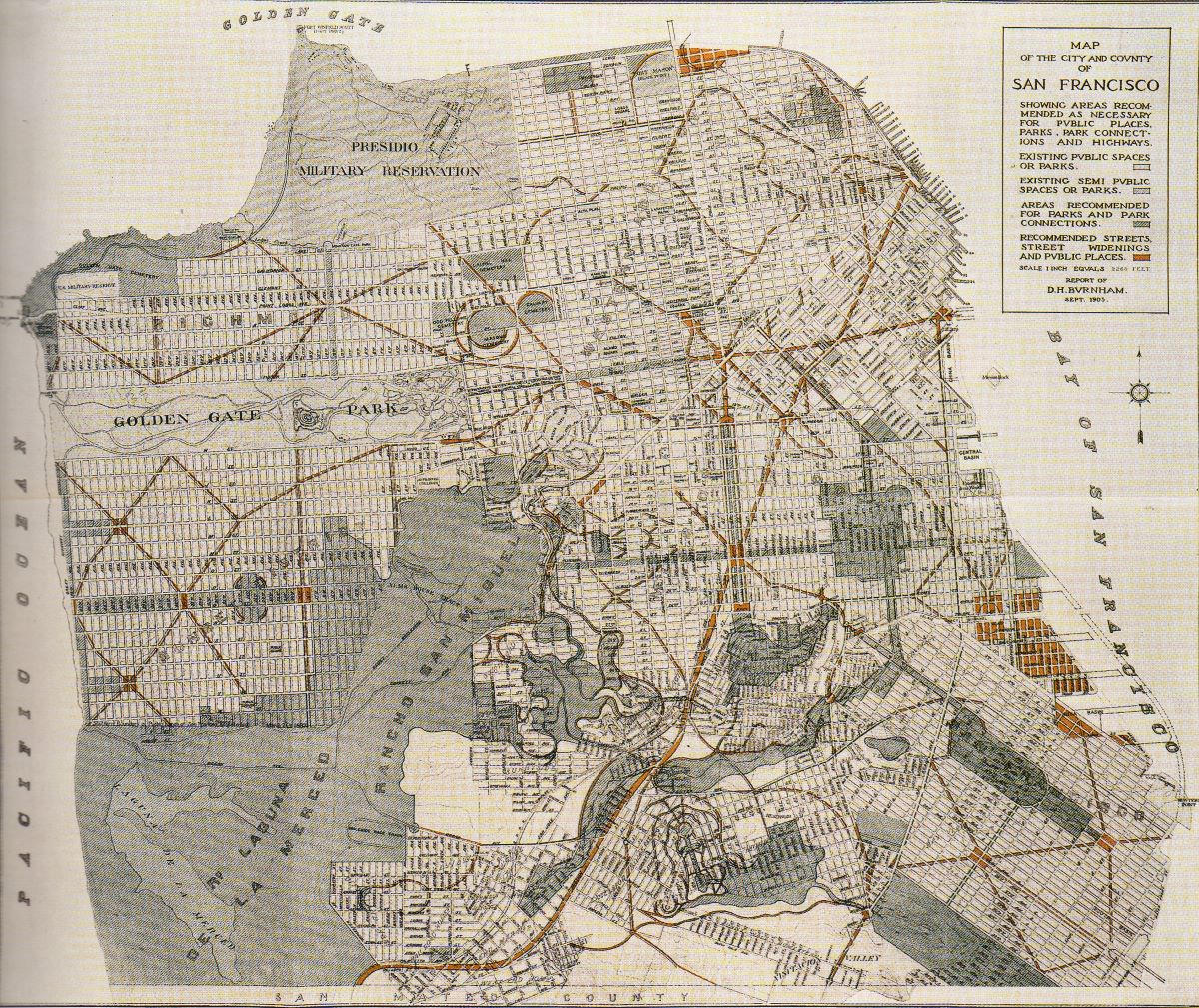
Burnham accepted the task of planning the city’s layout. He chose to do so at no charge, except that his expenses be paid during the process. An agreement was made and Burnham set to work. He ventured to Italy and Greece for inspiration. The following year, in September 1905, Burnham submitted his plans for the city.
The plans called for a park-centric city, which included a large civic center, a Union Station (Burnham had designed Washington’s Union Station), and an opera house.
The plans certainly appealed to Mayor Eugene Schmitz, who had made his name as a musician and conductor. Shortly after receiving the plans, Schmitz stated, “On behalf of the citizens of San Francisco, it gives me great pleasure to accept these plans and to state that in the future, they shall forever be our guiding star, as far as the beauty of the city is concerned.”
Less than a year later, that “guiding star” was lost in the destruction of the 1906 earthquake. Before the earthquake, residents and business owners voiced their concerns about the immense cost required to build Burnham’s San Francisco. There was also backlash over the proposed excessive use of eminent domain. The earthquake quashed all debate, as residents and politicians alike focused on rebuilding.
The Jewel City
Burnham’s dream might have been destroyed, but a number of wealthy and pioneering San Franciscans had another dream. In December, these San Franciscans formed the Panama Pacific Exposition Company in hopes of being chosen as the host city for the 1915 world’s fair. The next five years witnessed San Francisco rising from the ashes. By 1911, two cities were in the running for the 1915 Panama Pacific Exposition: New Orleans and San Francisco. Congress was finally convinced to choose the City by the Bay.
During this week in history, on Oct. 14, 1911, President William Howard Taft stood before a large crowd of San Franciscans and shoved a silver spade into the dirt, thus commencing the groundbreaking for the Exposition.
On Feb. 20, 1915, the 600-plus-acre exhibition began. Along with the acreage size, there were several similarities to Burnham’s 1893 World’s Fair. They were both built along the water’s edge—Chicago with Lake Michigan and San Francisco with the San Francisco Bay; the buildings were designed in Beaux-Arts architecture; and, though most were torn down, several survived. Chicago had its White City and San Francisco now had its Jewel City, and one of the surviving jewels was the Civic Auditorium.
The Neapolitan
Before the Panama Pacific Exposition, and even before the 1906 Earthquake, a young Italian from Naples visited San Francisco. Gaetano Merola was born in 1879 and moved to America at the age of 18 at the behest of Luigi Mancinelli, the conductor at New York’s Metropolitan Opera House. The son of a violinist of the Royal Court in Naples, he had studied at the Conservatorio di San Pietro a Majella. On Nov. 7, 1910, he directed his first performance, the operetta “Naughty Marietta.”
Having worked in the States for several years in New York, he arrived in San Francisco in 1905 while on tour. He noted the excitement surrounding the performances. Indeed, the Golden City’s history with opera stretched back to the Gold Rush. The city looked to be an opera gold mine. It only needed unearthing.
Merola continued to advance his career as a conductor and pianist, touring all over the country and the world, including with Oscar Hammerstein’s short-lived London Opera House. His eye, however, was on America’s Gold Coast. He often returned to San Francisco to perform, mostly with the traveling San Carlo Opera Company, led by fellow Italian Fortune Gallo.
There was enthusiasm. There was the willingness to pay extravagant amounts for established opera companies to visit. But the city did not have its own opera company. Merola planned to give it one.
Building the Opera and Its House
In 1921, Merola moved to San Francisco and, via his well-established reputation, quickly garnered opera support. In 1922, at the newly built Stanford Stadium, he conducted three operas. The following year, he founded the San Francisco Opera Association, and, on Sept. 26, 1923, locals witnessed the first official performance of the San Francisco Opera. The performance was of Giacomo Puccini’s “La Bohème,” and it was held at the Civic Auditorium.
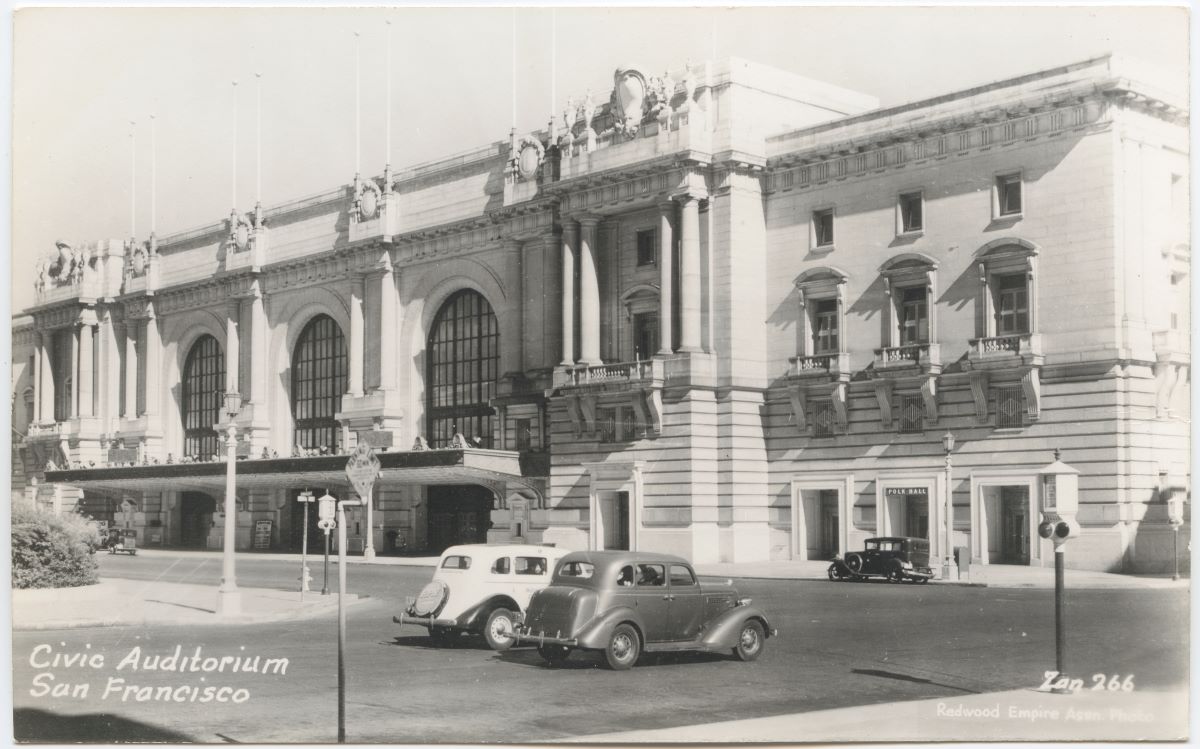
For the next nine years, the San Francisco Opera utilized the ornate Beaux-Arts building from the 1915 Panama Pacific Exposition. Merola and the opera crowd, however, were eager for their own opera house.
In 1905, Burnham had noted the necessity of an opera house, but after the earthquake, those plans ended. After Congress appointed San Francisco as the new world’s far site, plans were made to add an opera house alongside the civic center, but those plans never materialized.
In 1918, a proposal was put forth to build a complex that combined a symphony hall, opera house, and art museum. After the war ended late that same year, another proposal was submitted that a veterans’ memorial be added. In 1920, $2 million was raised by public subscription for the creation of the complex. A board of trustees was selected to direct its construction. The architectural firm Brown & Lansburgh submitted a Beaux-Arts design, which was accepted. Arthur Brown Jr., one of the firm’s partners, had been one of the lead architects for the 1915 Exposition.
The design was accepted and the site was chosen, but the $2 million fell woefully short. The San Franciscans’ desire for an opera house overcame that hurdle. By a large majority, residents voted in favor of a $4 million bond in 1927. It appeared Burnham’s vision and Merola’s dream would soon come true.
However, another destructive force loomed. The Great Depression hit two years later. But much like the response to the 1906 Earthquake, the city’s residents were undeterred. San Francisco moved forward with the cornerstones of both the Veterans Building and the Opera House, laid on Nov. 11, 1931—the 13th anniversary of the World War I armistice.
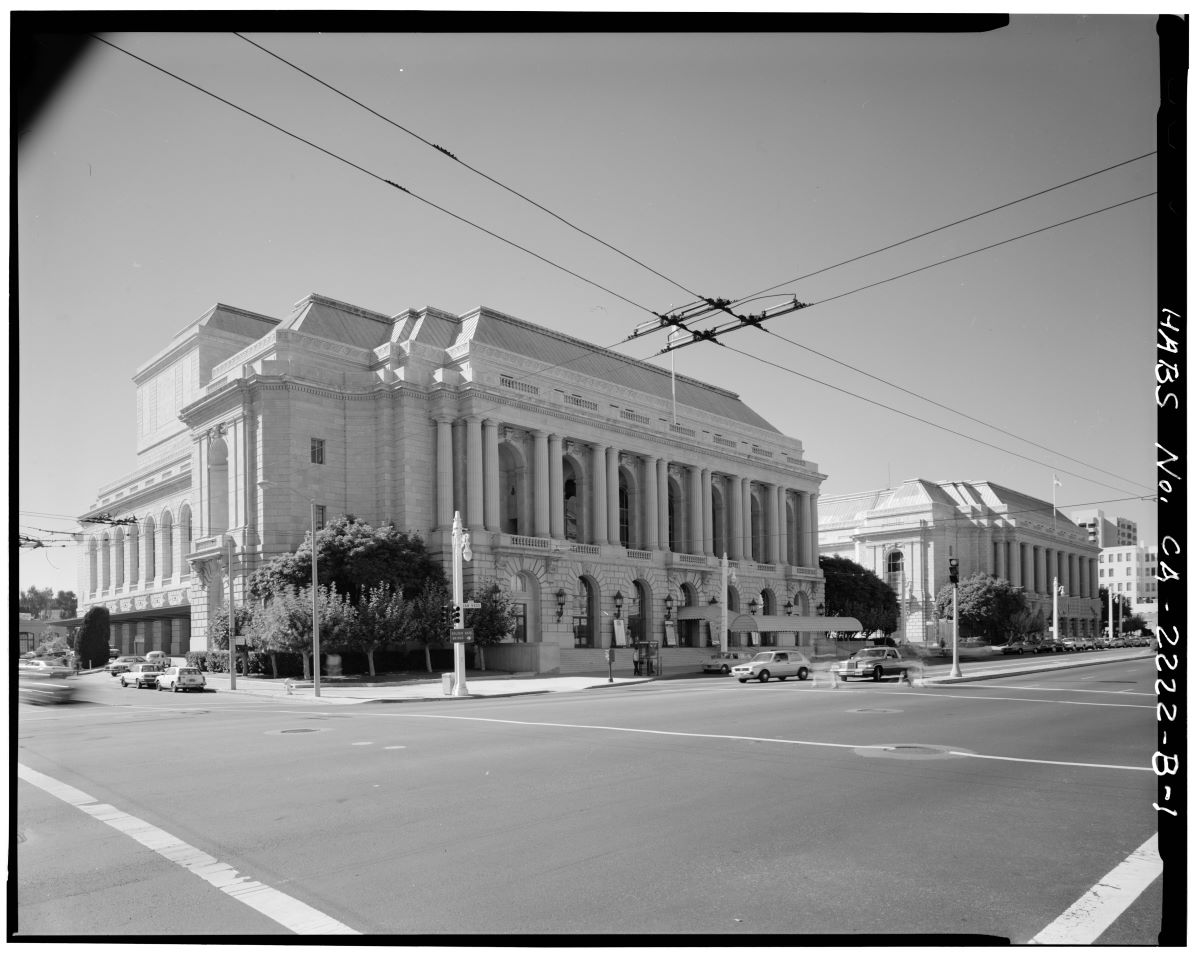
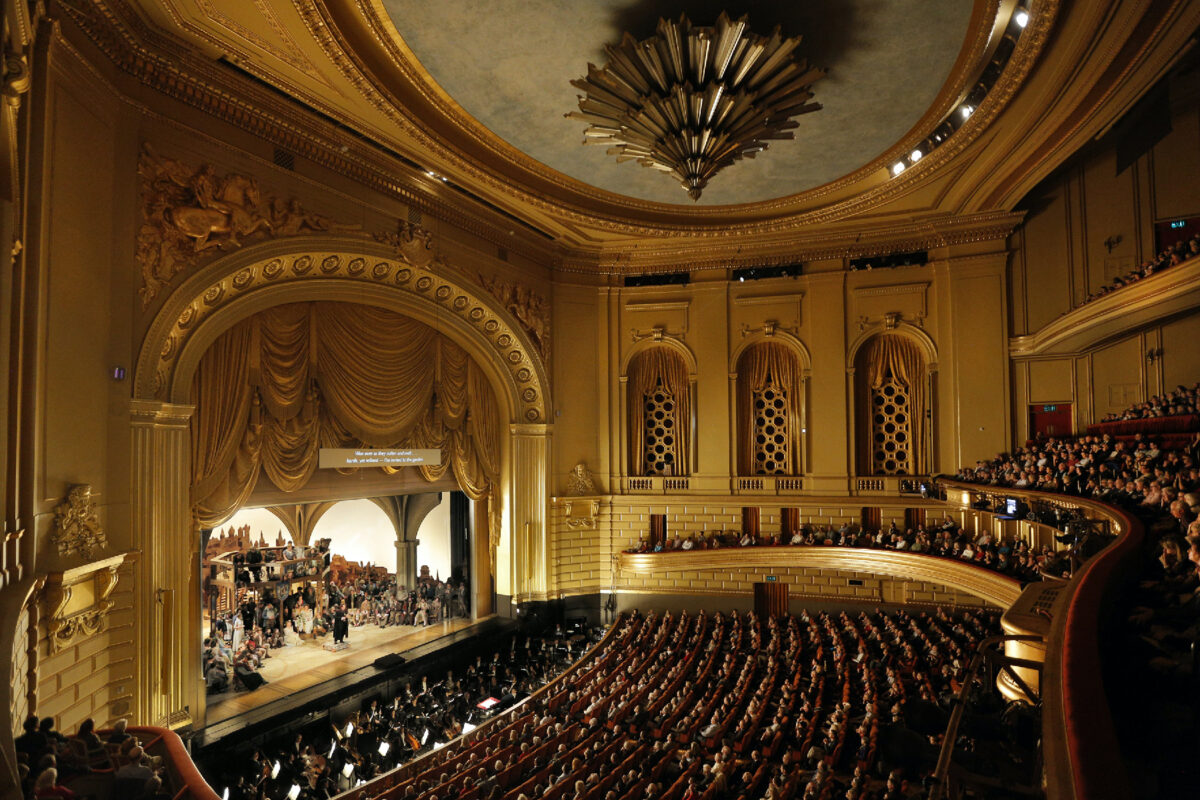
It was during this week in history, on Oct. 15, 1932—less than a year after the cornerstone ceremony and during the height of the Depression—that the 3,006-seat War Memorial Opera House of San Francisco officially opened with a performance of Puccini’s “Tosca” under the direction of Merola.
The San Francisco Opera quickly grew to become one of the world’s leading opera companies, and, in America, it is considered second only to New York’s Metropolitan Opera.
Never miss a This Week in History story! Sign up for the American History newsletter here.
What arts and culture topics would you like us to cover? Please email ideas or feedback to features@epochtimes.nyc.