PG-13 | 2h 59m | Fantasy, Action, Thriller | 2025
“The Lord of the Rings” trilogy is being re-released in theaters for two three-day runs this month, from the 16th to the 18th, and 23rd to the 25th. Read the review of the first movie in the trilogy here: The Lord of the Rings: The Fellowship of the Ring.”
A Towering Epic With Bravura Storytelling
Now, you may be wondering: Does the second installment, “The Two Towers,” suffer from sequelitis, or does it match the standard set by “The Fellowship of the Ring?”
The answer is—it’s even better. It’s more spectacular, more emotionally rewarding, and more exciting. It inspired a whole new generation of moviegoers and filmmakers with the magic that only the movies can create.
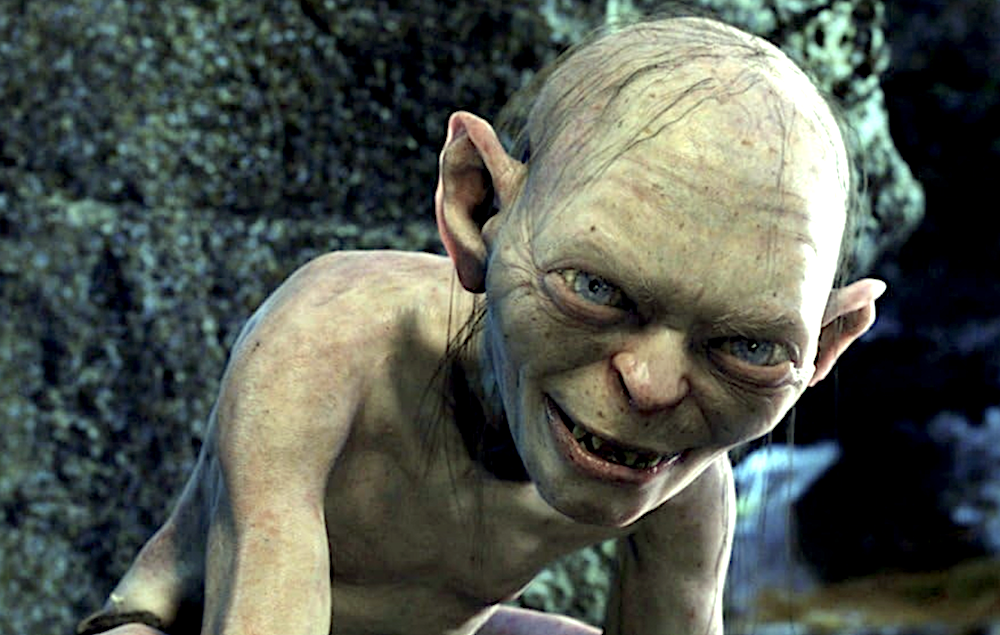
Unlike “The Fellowship of the Ring,” where the narrative followed one group of characters, the story here splinters into three: First, there’s Frodo and Sam’s trek to Mordor, guided by the obsequious but psychopathic and schizophrenic Gollum (a stunning, watershed creation of CGI animation, voiced by Andy Serkis), who teeters between his fawning, pet-like devotion to Frodo, and his feral determination to steal his magic ring back by any means necessary.
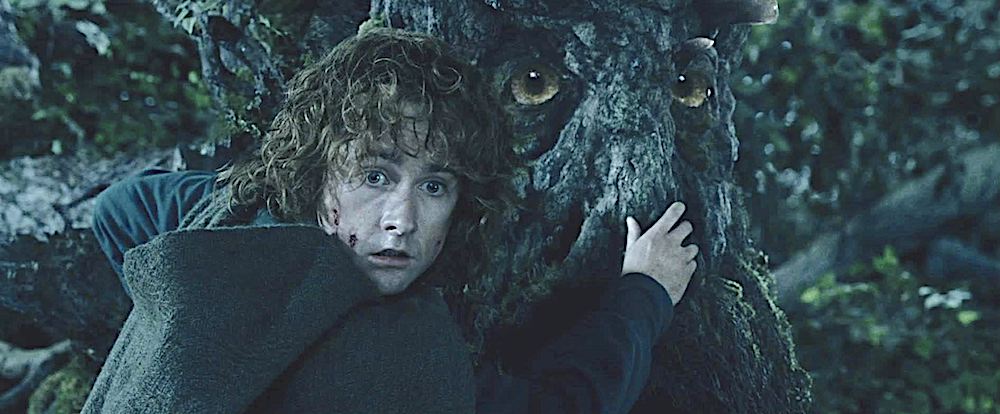
Secondly, there’s Merry and Pippin’s abduction by the Uruk-Hai (a hideous breed of mega-Orc, spawned by Saruman’s blasphemous breeding of goblins and elves), and their subsequent encounter with the tree shepherds of Fangorn forest—the Ents.
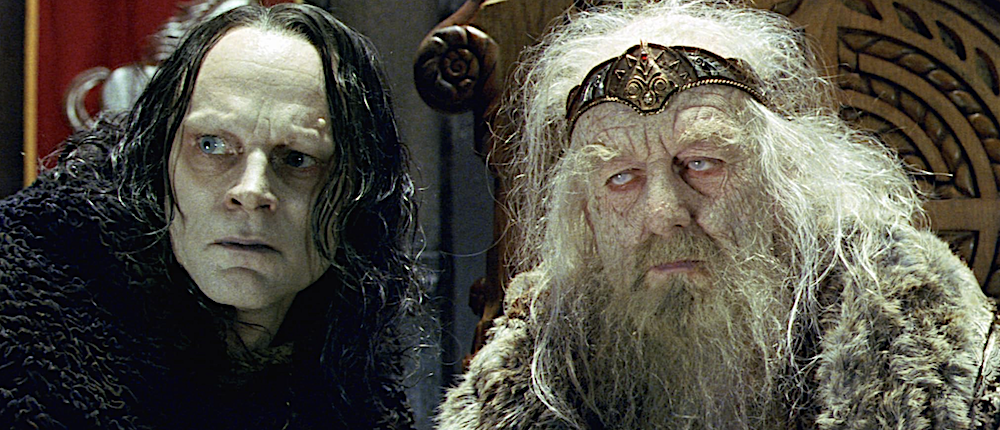
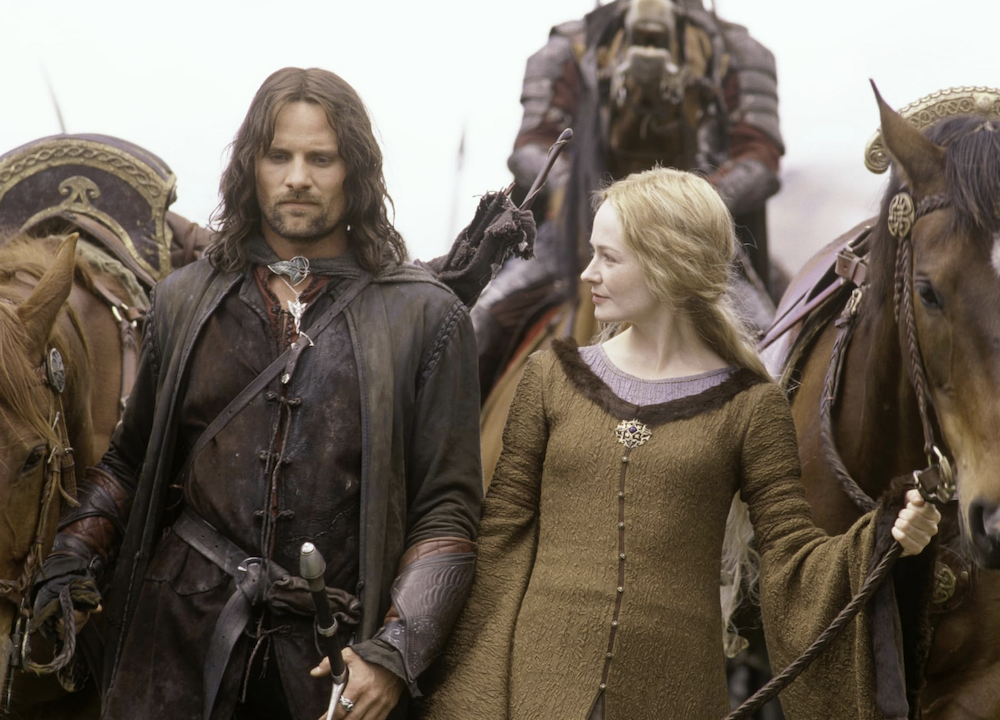
Finally, there’s the attempt by the ranger Aragorn, the elf Legolas, and dwarf Gimli to rescue Merry and Pippin, followed up by a further attempt to rescue the horse Kingdom of Rohan, and remove its bewitched ruler, Théoden, from under the spell of wizard-gone-wrong, Saruman.
Discerning Good From Evil
Some dismiss Tolkien’s saga as mere fantasy and escapism. However, this is a tale about the corrupting nature of power, the Dark Lord Sauron’s communist-like intention to take over all of Middle Earth and incite racial hatred, commit genocide, and destroy nature.
It illustrates the need to take a stand against evil, and yet be vigilant about the temptation to use extreme force. That’s all of greater relevance to the world of today than most realism-based films.
Tolkien is often said to make too simplistic a division between good and evil, but LOTR’s main characters are often torn between the two extremes, and various ethical dilemmas, in fascinating ways.
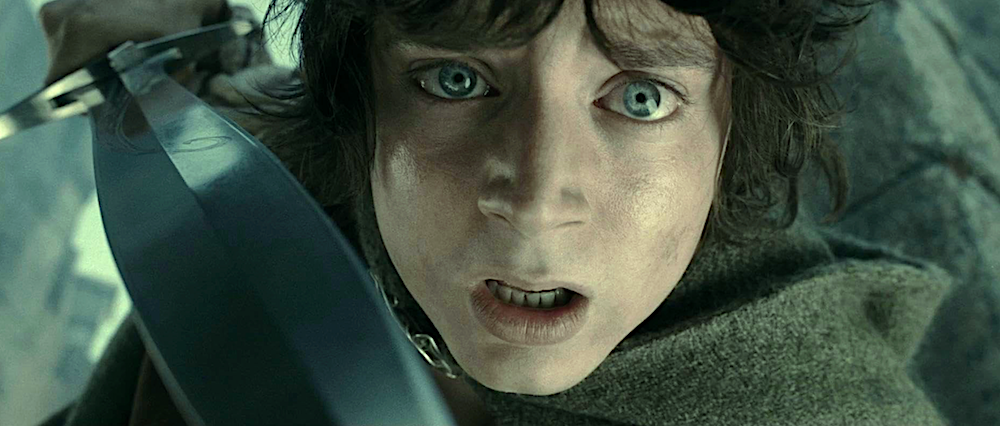
Frodo is torn between living a small, uneventful, safe life in the Shire, or shouldering a massive weight on his diminutive hobbit shoulders. He chooses to step into this dangerous destiny to save Middle Earth from dominance and destruction by Sauron.
Elf-leader Elrond (Hugo Weaving) must decide whether his race have fulfilled their responsibilities to Middle Earth, or leave it all behind, become spiritually enlightened, and depart a physical existence.
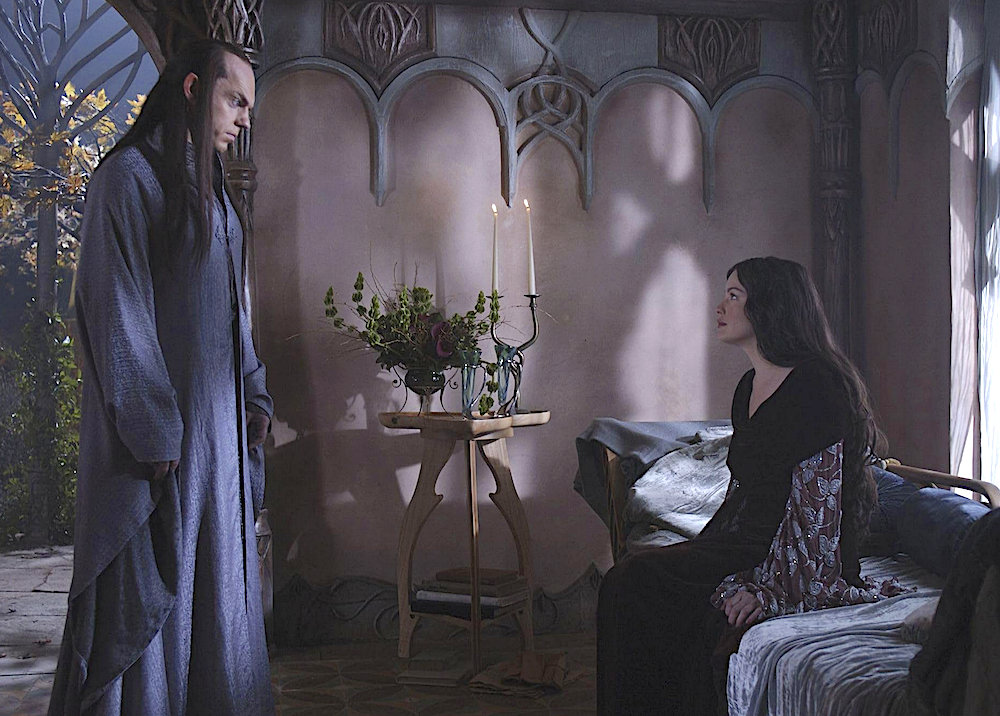
Likewise, his daughter Arwen (Liv Tyler), must decide if she will enlighten, like her father, or, having seen a vision of her unborn child with Aragorn, choose to remain mortal, have the baby, and give up immortality forever.
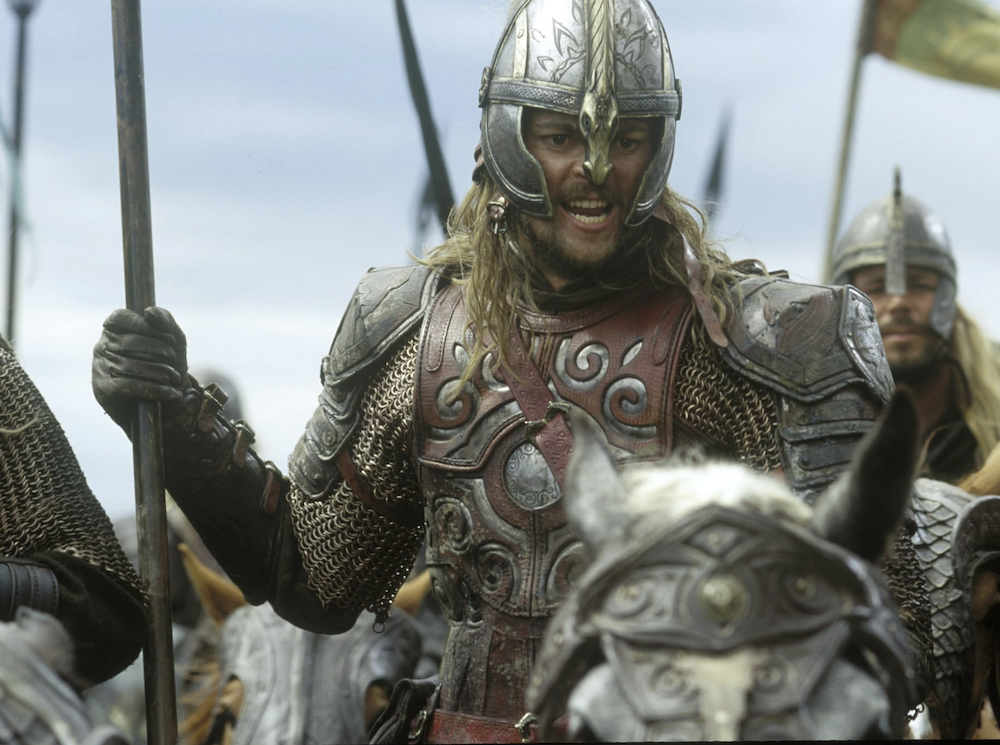
Theoden, King of Rohan (Bernard Hill) has to decide between political isolationism or involvement in fighting back against the dark forces—the latter choice of which might decimate his people.
Treebeard the ent (an astounding feat of CGI, voiced by John Rhy-Davies) must decide whether the evil-doing of Saruman warrants a shrug of resignation or an all-out attack in which his fellow tree-beings risk getting doused with Saruman’s infernal Middle Earth gasoline and burnt to a crisp.
Brings the Books to Life
Women and comedy weren’t Tolkien’s strong points. One of the many excellent aspects of Jackson’s script, co-written with Philippa Boyers, Stephen Sinclair, and his wife, Fran Walsh, is that it supplies comic relief as well as a small degree of romance to go with all the action and visual grandeur.
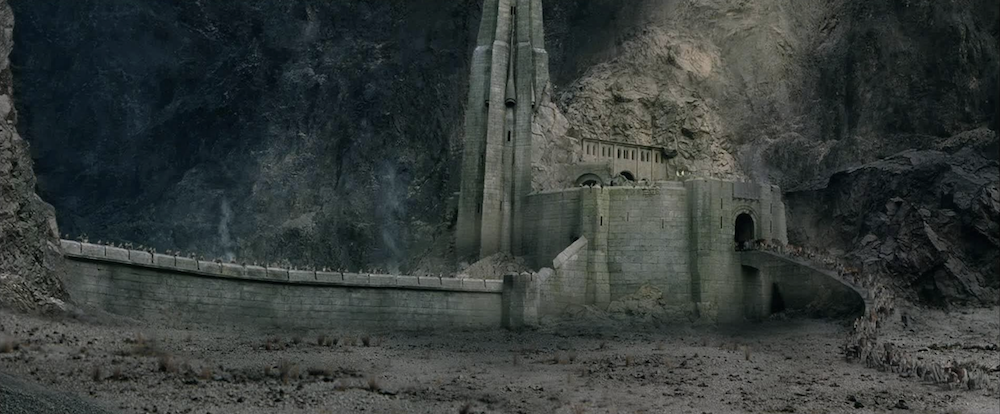
Speaking of the grandeur, the climactic event of “The Two Towers,” the seemingly hopeless defense of Rohan’s remote garrison, Helm’s Deep, against devastating odds, is an outstanding, extended battle sequence that dwarfs most celluloid rivals.
Several other action sequences—such as the Warg attack (wargs look like a wolf-pitbull-hyena cocktail) on Rohan emigrants and the normally glacially moving Ents’ irate storming of Isengard—would have made spectacular climaxes for any other movie all by themselves.
Necessarily darker and more violent than its predecessor, it may be too overwhelming for young children. For teens and adults, it’s an overwhelmingly wonderful experience. “The Two Towers” is one of the greatest films of all time.
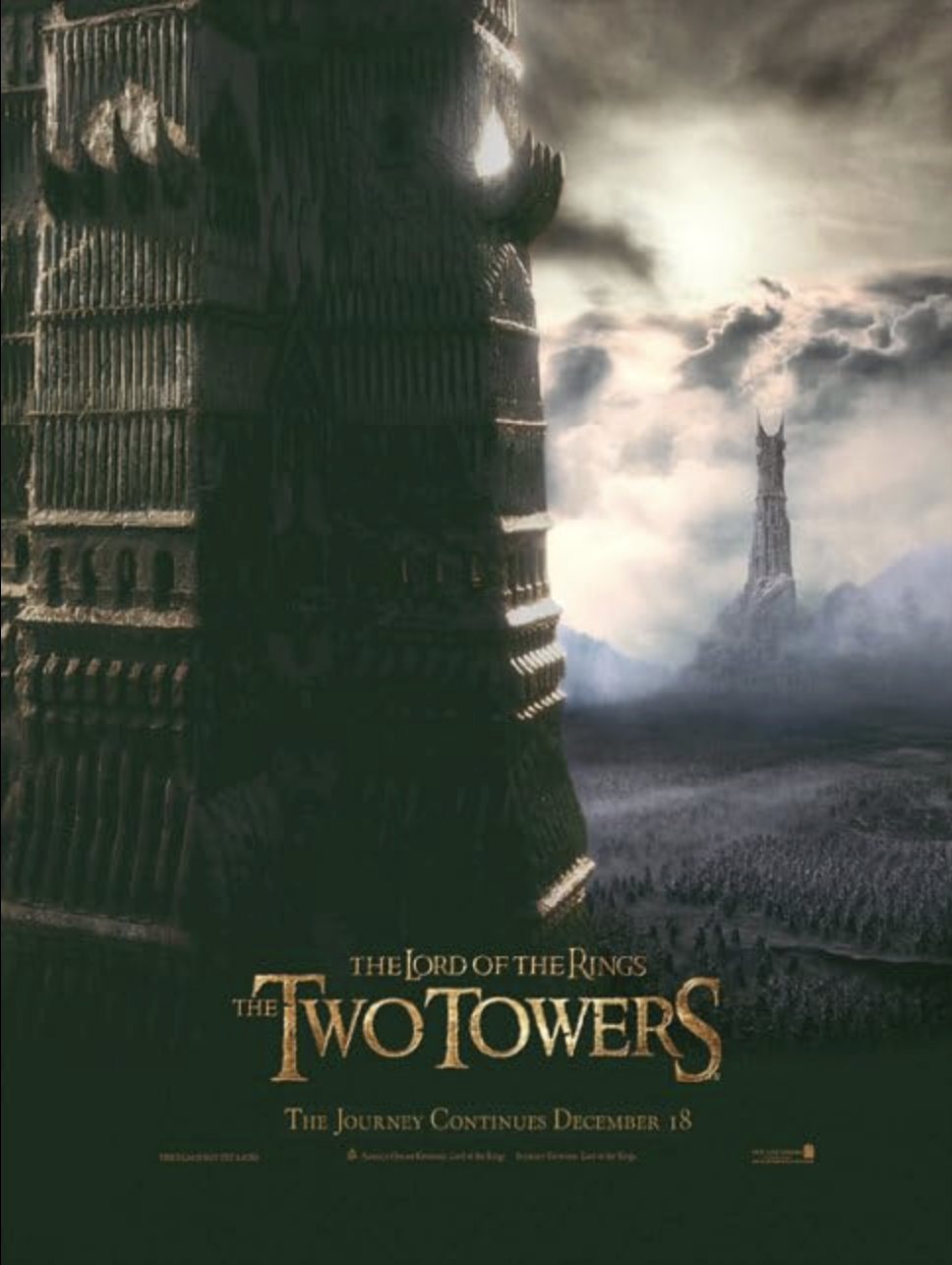
‘The Two Towers’
Director: Peter Jackson
Starring: Ian McKellan, Viggo Mortensen, Elijah Wood, Andy Serkis, Bernard Hill
MPAA Rating: PG-13
Running Time: 2 hours, 59 minutes
Release Date: Dec. 18, 2002, re-release Jan. 16, 2026
Rating: 5 stars out of 5
Would you like to see other kinds of arts and culture articles? Please email us your story ideas or feedback at features@epochtimes.nyc