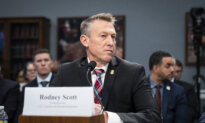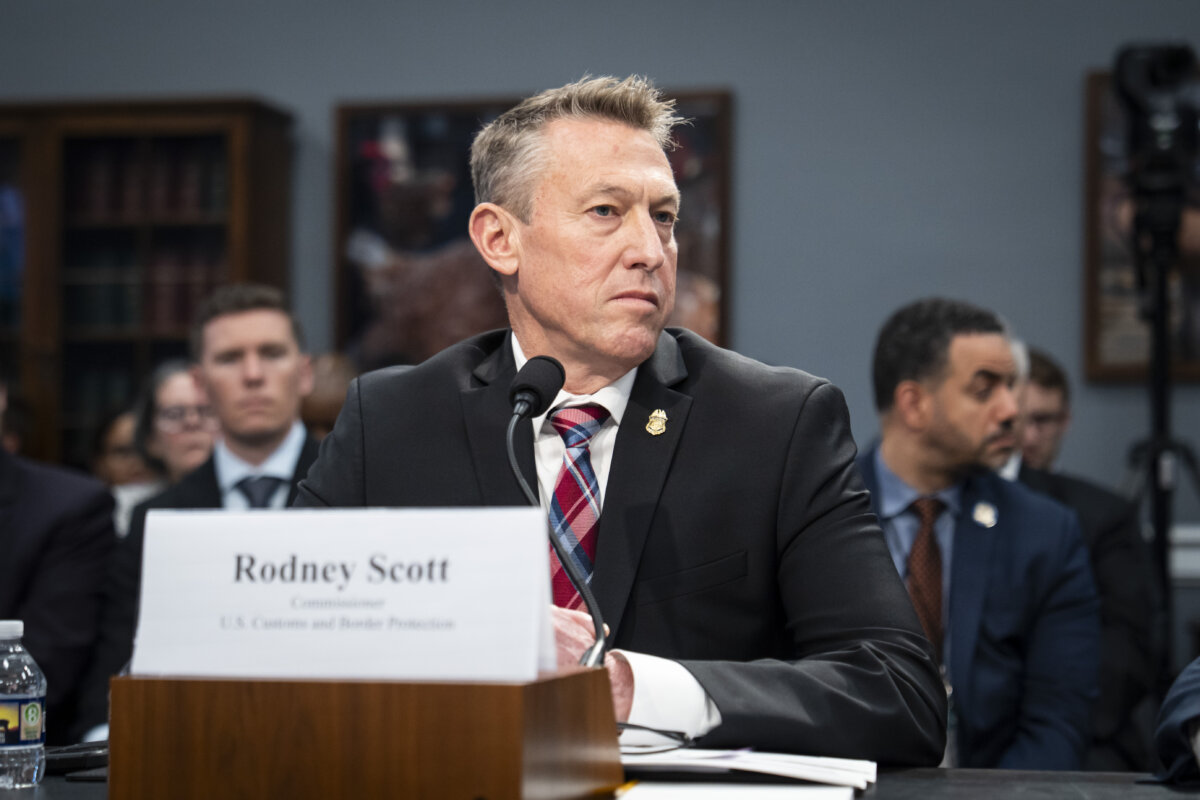

The U.S. Court of Appeals for the Federal Circuit granted a motion by the United States to stay an order requiring U.S. Customs and Border Protection Commissioner Rodney Scott to testify in a case before the U.S. Court of International Trade.
The dispute stems from litigation over refunds of tariffs imposed under the International Emergency Economic Powers Act (IEEPA). The U.S. Court of International Trade previously ruled that importers are entitled to refunds of certain tariffs after the U.S. Supreme Court determined that IEEPA did not authorize the duties.
The U.S. Court of International Trade has since overseen the government’s efforts to process and distribute refunds through U.S. Customs and Border Protection (CBP).
Judge Richard Eaton, who is presiding over the case, ordered Scott to testify regarding matters related to the refund process. The government challenged that order, leading to the current appeal.
According to the June 4 appeals court ruling, the Court of International Trade entered an order on May 27 compelling Scott to testify at a June 9 hearing.
The United States filed a petition seeking to block the testimony and separately moved to stay the Court of International Trade’s order while the petition is considered.
The Federal Circuit said the motion for a stay was presented to all active circuit judges who were not recused or disqualified.
After considering the traditional factors for a stay, the court concluded that a stay was warranted under the circumstances.
In a May 29 ruling, Eaton said that “Commissioner Scott’s testimony is necessary to ascertain if it is the Government’s policy to return all of the unlawfully collected duties either by complying with the court’s order, or by some other means—that is, if it is the Government’s policy to refund the duties to importers both large and small.”
Amazon was sued in a proposed class action on May 15 by consumers alleging the company has refused to pursue refunds for tariff costs that were passed on to customers.
The lawsuit, filed in federal court in Seattle, claims Amazon raised prices on imported goods to cover tariffs imposed under IEEPA.
The plaintiffs argue that after the U.S. Supreme Court ruled in February that the law did not authorize the tariffs, Amazon became eligible to seek refunds but has not done so. The lawsuit seeks repayment of tariff-related costs collected from consumers.
According to the Bipartisan Policy Center’s Tariff Tracker, tariffs have generated $133.5 billion in 2026 as of June 3.
The Bipartisan Policy Center reported that CBP Treasury withdrawals associated with IEEPA tariff refunds were about $35 billion by late May.
The Bipartisan Policy Center regularly updates the tracker to monitor tariff collections, economic impacts, and developments related to tariff refunds and trade policy.
 Friends Read Free
Copy
Facebook
Tweet
Friends Read Free
Copy
Facebook
Tweet