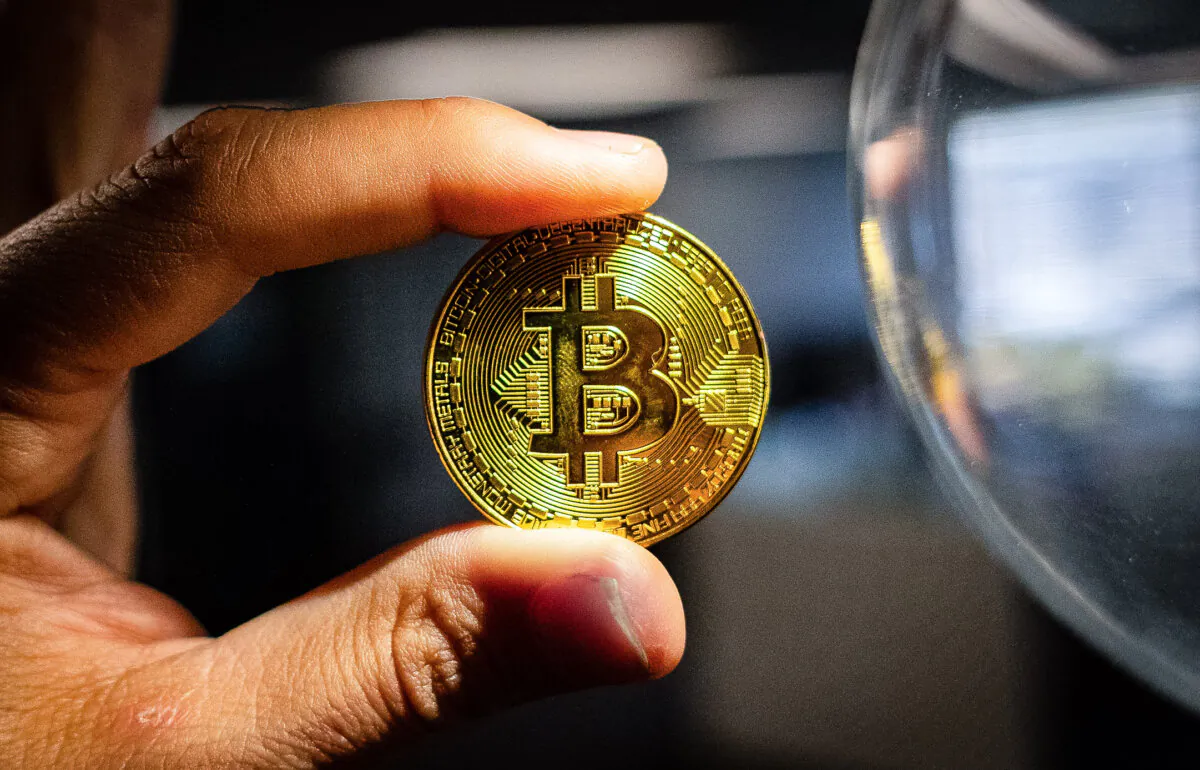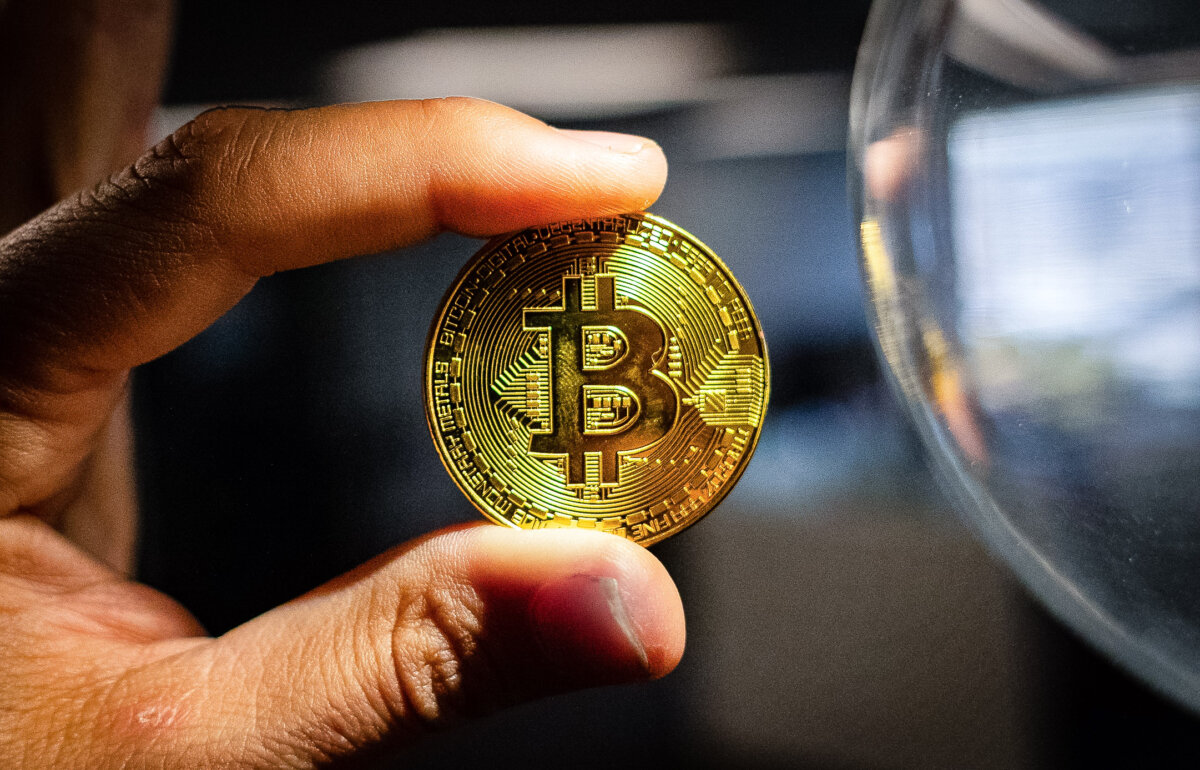

Bitcoin prices reached their highest level since January as cryptocurrency market watchers question whether this is the end of the “crypto winter” and the start of a “crypto spring.”
Bitcoin surged more than $4,000, or about 5 percent, to above $85,000 before the opening bell to kick off the trading week.
The digital token has not seen this price since Jan. 29.
The market’s leading cryptocurrency benchmark is still down almost 3 percent year to date and remains firmly below the record high of $126,000, set in October 2025, when it slipped into a bear market.
But bitcoin has recently been clawing back with a 7 percent weekly increase and a 35 percent rally over the past three months.
The Sept. 21 surge was driven in part by a short squeeze, meaning short sellers were forced to buy more bitcoin to cover their positions, which sent prices even higher.
Coinglass data show that $790 million of crypto positions were liquidated this weekend, and 87 percent of them were shorts. More specifically, bitcoin shorts accounted for approximately $438 million of the total shorts.
It is not only bitcoin that is registering sizable gains, says Julian Pineda, market analyst at Forex.com.
“Broadly speaking, the market has once again begun to show growth supported by a bullish bias that appeared constrained only weeks ago,” Pineda said in a Sept. 20 note.
“Bitcoin has helped restore confidence across the sector, and gains are starting to appear as a market-wide phenomenon rather than isolated cases.”
Buying pressure could be ubiquitous across the crypto market, fueling further gains in the sessions ahead, he added.
Ether rose nearly 4 percent to above $2,700. Solana climbed more than 6 percent to around $117. Dogecoin and XRP picked up 8 percent and 6 percent, respectively.
Prediction markets suggest bitcoin’s next target could be $90,000.
The odds of bitcoin reclaiming $90,000 are 79 percent, according to Polymarket. There is also a 56 percent chance the $1.71 trillion asset will hit $95,000 before the year’s end.
Crypto Sees Clearly Now
Its eight-month high, meanwhile, might be a surprise, considering last week’s death of the Clarity Act, a major piece of regulatory legislation that has stalled for months.
Lawmakers in the upper chamber failed to invoke cloture on Sept. 15—the vote was 49-50—falling short of the 60 votes necessary to advance the bill.
The next step for the Clarity Act is unclear, but regulators at the Securities and Exchange Commission and the Commodity Futures Trading Commission used existing statutory authority and moved ahead with their own sets of rules.
 Representations of cryptocurrencies, in this illustration on Aug. 10, 2022. (Reuters/Dado Ruvic/Illustration/File Photo)
SEC chair Paul Atkins, in a Sept. 17 video posted on X, suggested more actions could be employed “to build the next generation of financial infrastructure.”
The CFTC submitted a formal crypto rulebook to the White House, signaling a regulatory structure is on the horizon.
It allows registered and unregistered crypto exchanges to potentially allow leveraged and margined trading. It also prevents passive software providers from being classified as brokers when connecting investors to derivatives markets through registered firms.
“U.S. crypto regulation may be entering a new phase—one defined less by waiting for legislation and more by administrative execution,” Bitfire Research said in a note emailed to The Epoch Times.
“For the market, this is more than a short-term policy catalyst.”
On the legislative front, the House Financial Services Committee passed the American Reserve Modernization Act last week, which would effectively establish a Strategic Bitcoin Reserve and a separate Digital Asset Stockpile within the Treasury.
 Friends Read Free
Copy
Facebook
Tweet
Friends Read Free
Copy
Facebook
Tweet