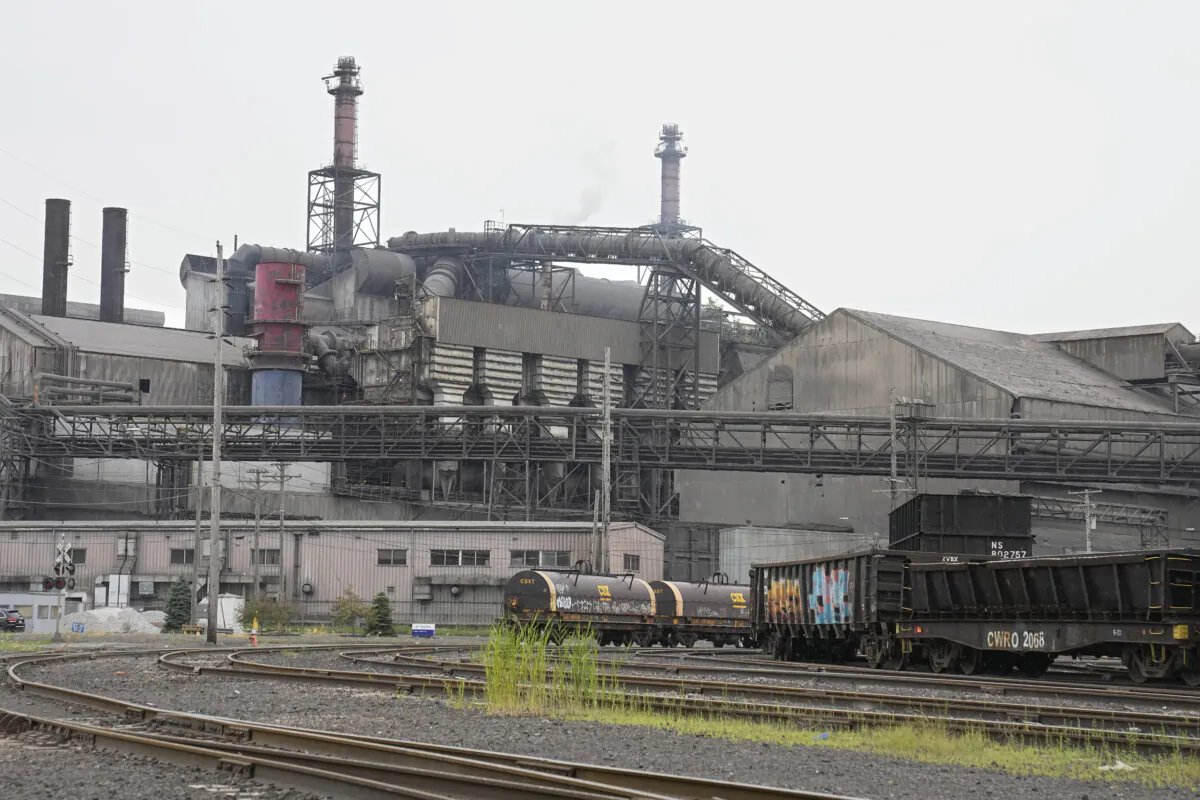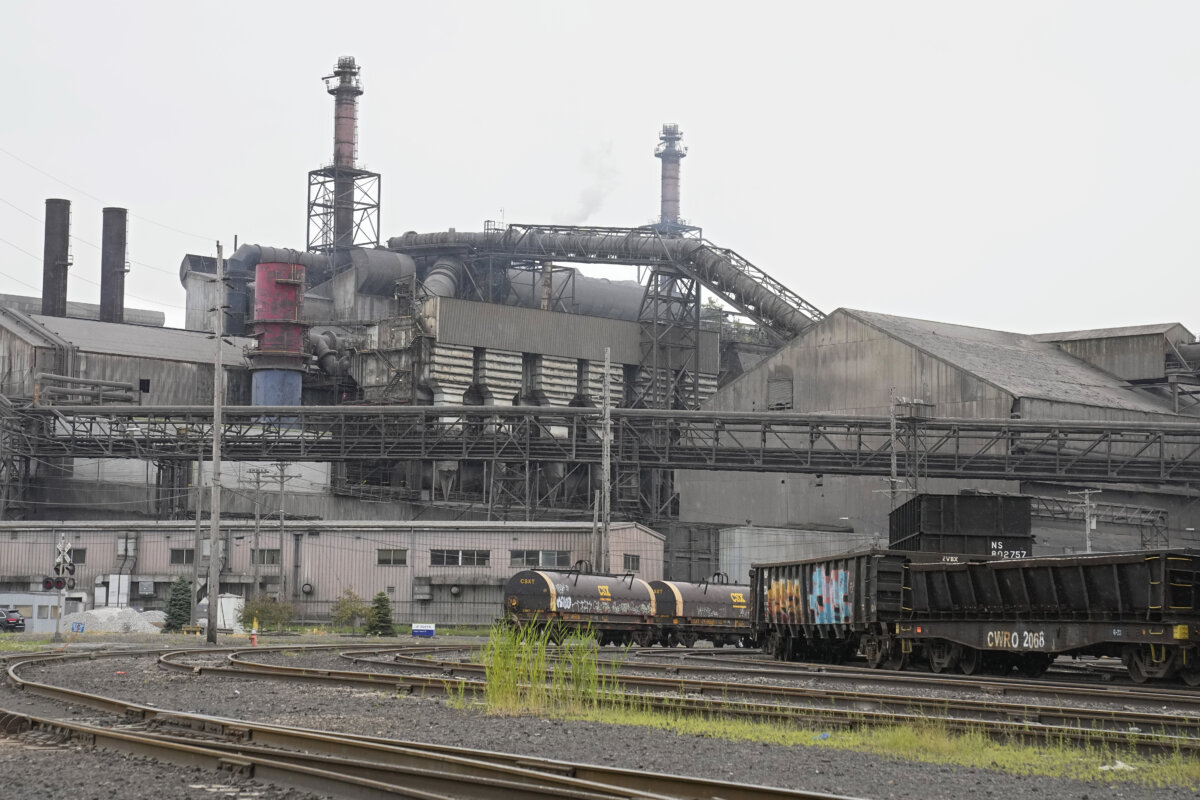

Cleveland-Cliffs’ $400 million contract to provide the Defense Logistics Agency with steel for electrical transformers and generators over the next five years, along with the potential to advance mining operations for rare earth minerals at sites in Michigan and Minnesota, helped propel the steel and iron ore producer’s stock to yearly highs on Oct. 20.
Cleveland-Cliffs’ stock jumped nearly 20 percent in early day trading to just under $16 a share after it posted its third-quarter results.
The company posted consolidated revenue of $4.7 billion for the quarter, slightly off the investors’ forecast of $4.9 billion. Its net loss of $234 million translated to a loss of 45 cents a share, the fifth consecutive quarterly loss for Cleveland-Cliffs.
The Ohio-based steelmaker said it shipped 4 million tons of steel in the quarter at an average selling price of $1,032 per net ton, an increase of $17.
Lourenco Goncalves, Cliffs’ chairman, president and chief operating officer, said during its conference call with analysts that the jump in steel prices reflects increased demand for domestically produced steel in the wake of President Donald Trump’s efforts to revitalize the American steel industry through aggressive tariffs on imported steel.
In March, Trump imposed 25 percent tariffs on imported steel and aluminum for most countries.
In June, Trump announced an executive order that raised those tariffs to 50 percent. As a result, Goncalves said, Cleveland-Cliffs was able to lock in multi-year supply agreements with automotive manufacturers during the third quarter.
“Our third quarter results were a clear indication that a significant rebound in domestic steel demand has started, and the automotive sector is leading the way,” Goncalves said.
“It’s now widely accepted and understood that tariffs are here to stay, particularly the Section 232 tariffs on steel, autos, and derivative products.
“The third quarter was our best auto steel shipment quarter since the first quarter of 2024. That’s a very encouraging sign for what’s coming in 2026 and beyond.”
Cleveland-Cliffs is the largest supplier of steel for North American automotive manufacturers and operates nine automotive-grade galvanized steel manufacturing plants. It’s also a major supplier of iron ore pellets from plants and mine sites in Minnesota and Michigan.
The company said that during the third quarter, it signed a Memorandum of Understanding with a major global steelmaker to move its production to the United States using Cleveland-Cliffs’ network of steel plants. A formal announcement of the deal is expected in coming months, Goncalves said.
Cleveland-Cliffs is also the only source of domestically produced electrical steels, which are essential to maintaining and expanding the nation’s electrical grid. Its five-year contract with the Department of Defense calls for delivery of 53,000 tons of grain-oriented electrical steels that will be stockpiled for national security purposes, Goncalves said.
“The award underscores Cleveland-Cliffs’ position as the only U.S. producer capable of supplying this critical material, grain-oriented electrical steel, further reinforcing the strategic importance of our electrical steels to the nation’s defense and energy infrastructure,” Goncalves said.
Cleveland-Cliffs was founded in 1847 as a mining company and has four active iron ore mine sites in Minnesota and Michigan. The company said the Trump administration’s focus on increasing domestic production of rare earth minerals resulted in additional studies of Cleveland-Cliffs’ existing ore bodies and tailings basins.
“Two sites in particular, one in Michigan and one in Minnesota, show the most potential,” Goncalves said.
“Geological surveys show key indicators of rare-earth mineralization. If successful, it would align Cleveland-Cliffs with the broader national strategy for critical material independence, similar to what we achieved in steel.”
 Friends Read Free
Copy
Facebook
Tweet
Friends Read Free
Copy
Facebook
Tweet