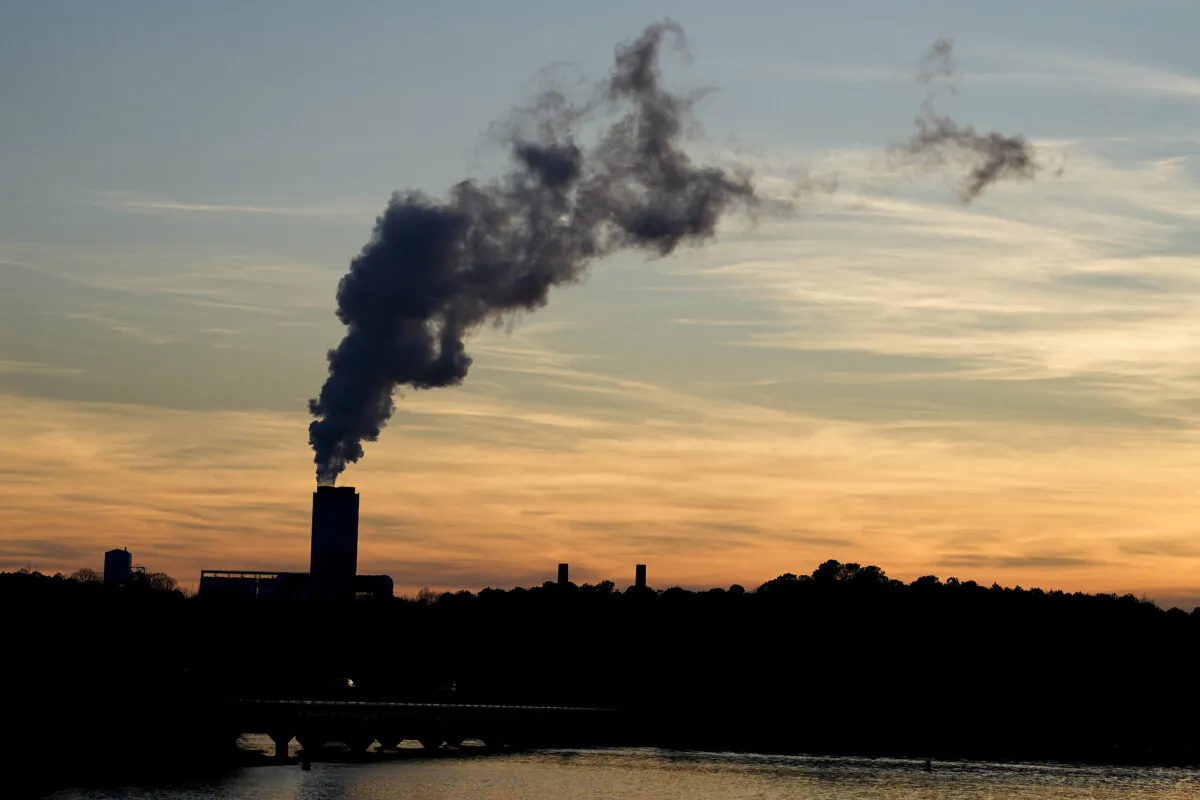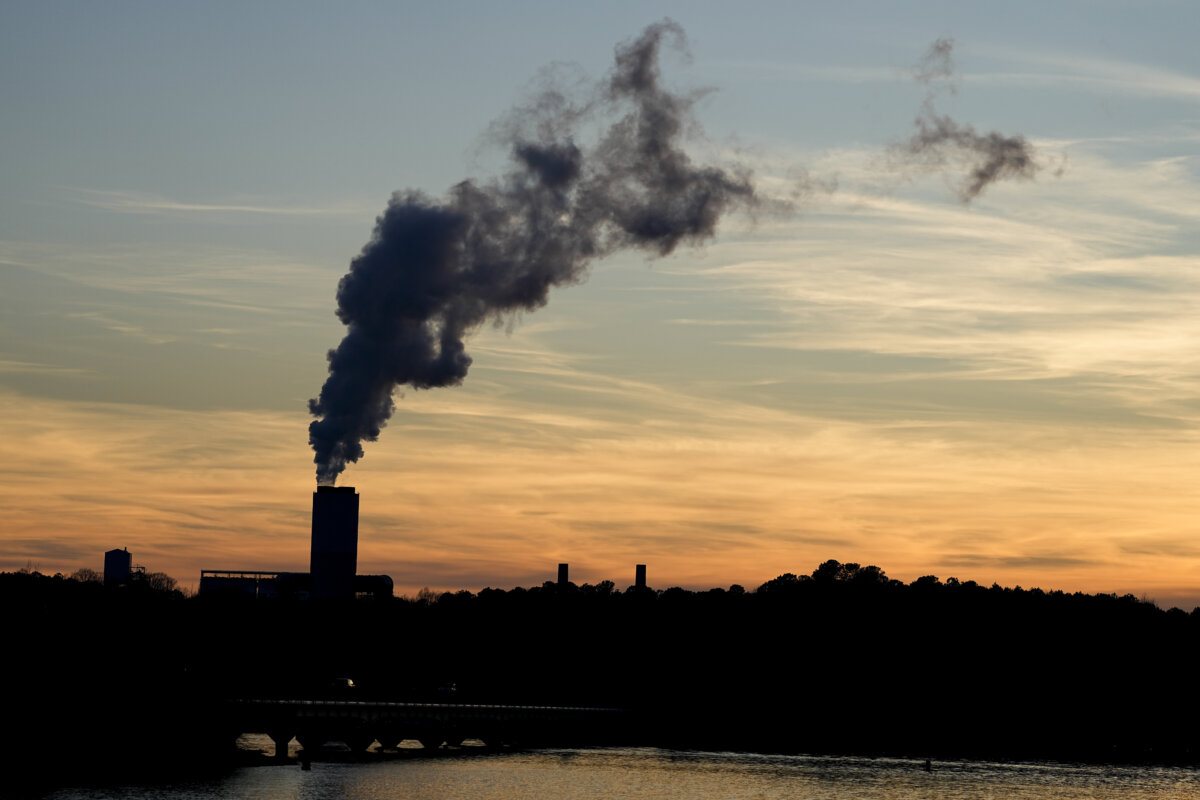

Secretary of Energy Chris Wright issued emergency orders on Dec. 23 to keep two coal plants in Indiana, scheduled to shut down this month, operational to ensure that Americans in the Midwest can access “affordable, reliable, and secure electricity heading into the winter months,” the Department of Energy (DOE) stated on Dec. 24.
“The orders direct CenterPoint Energy, the Northern Indiana Public Service Company (NIPSCO), and the Midcontinent Independent System Operator, Inc. (MISO) to take all measures necessary to ensure specified generation units at both the F.B. Culley and R.M. Schahfer generating stations in Indiana are available to operate,” the DOE said.
“Certain generation units of the coal plants were scheduled to shut down at the end of 2025. The reliable supply of power from these coal plants is essential for keeping the region’s electric grid stable. The orders prioritize minimizing electricity costs for the American people and minimizing the risk and costs of blackouts.”
The first order is directed at CenterPoint—which owns Culley—and MISO, a regional power transmission organization. Culley consists of two coal-fired units—Unit 2, which produces 103.7 megawatts (MW), and Unit 3, which produces 265.2 MW. Unit 2 was set to cease operations this month.
MISO has consistently warned about the risk of power shortage in its area, according to the order.
In its April 2025 Planning Resource Auction report for 2025–2026, MISO highlighted that new energy generation capacity additions were “insufficient to offset the negative impacts of decreased accreditation, suspensions/retirements and external resources” in the northern and central zones of its operation, which includes Indiana.
And in June, a survey report from MISO and the Organization of MISO States found that at least 3.1 gigawatts (GW) of additional power generation capacity was required beyond the committed capacity to meet the projected planning reserve margin (PRM) forecast. PRM is the amount of backup power that utilities maintain to safeguard against unplanned situations.
The survey specifically noted challenges posed by solar power generation.
“As solar penetration grows, reliability risks are spreading into winter from summer,” it said.
“Continued backlog and uncertainty in [the] generation queue (296 GW) complicates timely resource additions.”
It also stated that 54 GW of signed Generation Interconnection Agreements were not yet online, 71 percent of which are wind and solar.
The survey projected insufficient capacity to meet peak electricity demand in the four summers between 2027 and 2030, according to the order.
Given the emergency conditions resulting from increasing demand and shortage from accelerated retirement of power generation facilities, Wright determined that the “continued additional dispatch of Culley Unit 2 is necessary” to deal with the situation, the order said, instructing Unit 2 to remain operational until March 23, 2026.
The second order is directed at NIPSCO, which owns Schahfer, and MISO. Schahfer has two coal-fired units—Unit 17 and Unit 18, generating 423.5 MW each—that are scheduled to end operations this month.
The order cited concerns similar to those raised in the Culley order, highlighting electricity reliability issues. In the order, Wright instructed Schaffer Units 17 and 18 to remain operational until March 23, 2026.
Both orders, citing two executive orders signed by President Donald Trump earlier this year, have been in effect since Dec. 23, according to the statement.
Criticism, Electricity Reliability Risk
In a Dec. 23 statement, environmental activist group the Sierra Club criticized the Trump administration’s decision to extend the life of Culley and Schahfer, saying that these would drive up electricity bills and increase pollution for Indiana citizens.
The decision is based on “a sham reliability crisis that does not exist,” the organization said. The emergency orders issued for the two plants, the group stated, are typically used during wartime and extreme weather events, which Indiana is not currently experiencing.
In its Dec. 24 statement, the DOE emphasized the challenges of electricity reliability, citing its Resource Adequacy Report, which warned that the risk of power outages could jump 100-fold in the United States in 2030 following the retirement of firm power plants and load growth.
Firm power refers to power that can be generated at all times, such as coal, nuclear, and natural gas. Intermittent power sources, such as wind and solar, are dependent on factors such as weather.
Upon returning to the White House on Jan. 20, Trump signed an executive order titled “Declaring a National Energy Emergency,” warning that the United States’ insufficient energy production, generation, refining, and transportation constituted an “unusual and extraordinary threat” to the country’s economy and national security.
On April 8, Trump issued an order titled “Strengthening the Reliability and Security of the United States Electric Grid,” stating that a reliable energy supply from “all available electric generation sources” was critical to ensuring that the country leads in tech innovation.
“The Trump Administration remains committed to swiftly deploying all available tools and authorities to safeguard the reliability, affordability, and security of the nation’s energy system,” Wright said in the latest statement.
“Keeping these coal plants online has the potential to save lives and is just common sense. Americans deserve reliable power regardless of whether the wind is blowing or the sun is shining during extreme winter conditions.”
 Friends Read Free
Copy
Facebook
Tweet
Friends Read Free
Copy
Facebook
Tweet