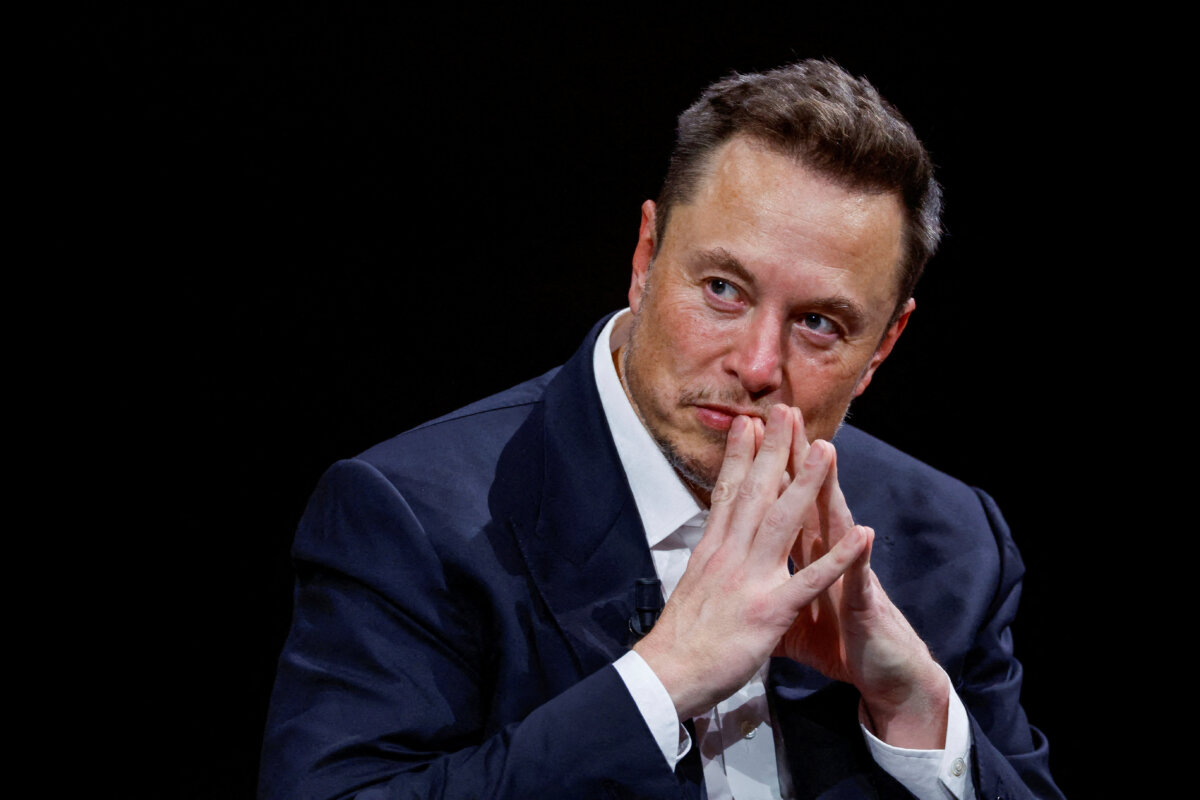

The Delaware Supreme Court has reinstated a $55 billion compensation package for Tesla CEO Elon Musk, reversing a lower court’s decision that ruled the 2018 deal unfair to shareholders.
The ruling, issued on Dec. 19, highlighted numerous errors in the earlier judgment and awarded Tesla nominal damages of $1.
Musk, whose net worth is approximately $679 billion, had appealed the January 2024 ruling by Chancellor Kathaleen St. Jude McCormick, who stripped Musk of the pay package after a Tesla investor filed a lawsuit. McCormick ruled that the board overseeing the agreement was influenced by Musk, based in part on a trial testimony he gave in 2022.
In a 49-page opinion, the Supreme Court noted procedural flaws in McCormick’s analysis, restoring the incentive plan designed to drive Tesla’s expansion.
Musk has been vocal about his disapproval of Delaware’s court system, which he alleged exceeded its authority. In response to the 2024 ruling voiding the package, Musk moved Tesla’s legal home to Texas, part of a larger trend of companies’ departures from Delaware for states such as Texas and Nevada. Musk urged other companies to follow Tesla’s footsteps.
“Change your state of incorporation out of Delaware before they lock the doors,” he wrote in a post on X in 2024, claiming that companies were being blocked from changing their incorporation from Delaware to Nevada.
“I recommend incorporating in Nevada or Texas if you prefer shareholders to decide matters,” he said in another post.
2019 Shareholder Lawsuit
The litigation dates back to a 2019 shareholder lawsuit by Richard Tornetta, alleging board conflicts and disclosures during the 2018 approval. Despite these issues, Tesla shareholders re-endorsed the package in a 2024 vote, when it was worth $44.9 billion.
The 2018 package, drafted when Tesla was dealing with manufacturing hurdles and cash shortages, required achieving aggressive goals. The automaker’s market value at the time ranged from $50 billion to $75 billion. Improved production and higher demand led to stock gains, qualifying Musk for the payout. The judge criticized Musk’s close relationships with members of Tesla’s compensation committee.
“Given the collection of people tasked with negotiating on Tesla’s behalf, it is unsurprising that there was no meaningful negotiation over any of the terms of the plan,” the ruling states.
The defendants argued the board’s goal was to position Tesla for “transformative” growth under Musk’s leadership.
In an October hearing before the Delaware Supreme Court, Musk’s lawyers argued against the Chancery Court’s finding that the board lacked independence and that investors were misinformed.
In December 2024, McCormick upheld her earlier ruling, rejecting the June shareholder ratification as insufficient to override judicial concerns.
The Associated Press contributed to this report
 Friends Read Free
Copy
Facebook
Tweet
Friends Read Free
Copy
Facebook
Tweet