
Commentary
The War in Iran will likely impact inflation and trade in March, but the statistics released for the opening two months of 2026 are mostly good news. First, the Labor Department announced last Wednesday that the Consumer Price Index (CPI) rose just 2.4% over the previous 12 months, and the core CPI, excluding food and energy, rose just 0.2% in February and 2.5% in the past 12 months. The best news was shelter costs (“owners’ equivalent rent”) rising just 0.2% in February. Since shelter costs are up 3% in the past 12 months, they are still one of the primary sources of CPI inflation, but they now appear to be cooling off.
The next day, Thursday, the Commerce Department said the U.S. trade deficit declined 25% in January (compared with December) to $54.5 billion, due mostly to booming exports. U.S. exports rose 5.5% in January, while imports were 0.7% lower. Gold exports were a big part of the surge in exports. Lower pharmaceutical imports also helped shrink the trade deficit. The February trade deficit is also anticipated to shrink, due to booming U.S. exports of LNG, crude oil, and refined products. Since the trade deficit has a significant impact on GDP, many economists will need to revise the first quarter GDP estimates higher.
Here are the most important developments recently and what they mean:
– The big news this week will be Nvidia’s (NVDA) developers’ conference that is already helping to boost storage companies like Micron Technology (MU) and Seagate Technology (STX), as well as companies that speed up optical connections like Ciena Corporation (CIEN) and Ubiquiti (UI). Technically, Nvidia also looks very strong and is a great oasis stock for nervous investors.
– Speaking of nervous investors, BlackRock has limited withdrawals from one of its flagship private credit funds after a surge of redemption requests. Morgan Stanley and Cliffwater LLC also limited redemptions from Cliffwater’s $33 billion Corporate Lending Fund after they were hit with 14% redemptions in the first quarter. In a Wednesday letter to investors, Cliffwater said a payout of 7% was a “regulatory maximum.”
– The other big news will be the Federal Open Market Committee (FOMC) meeting and the FOMC statement. I am anticipating that the FOMC statement will say they are carefully monitoring the job market, since the Labor Department has reported payroll job losses in five of the past nine months. Additionally, I hope the FOMC will stay that they expect that food and energy inflation will be “transitory” due to the bombing in Iran that disrupted the traffic in the Strait of Hormuz.
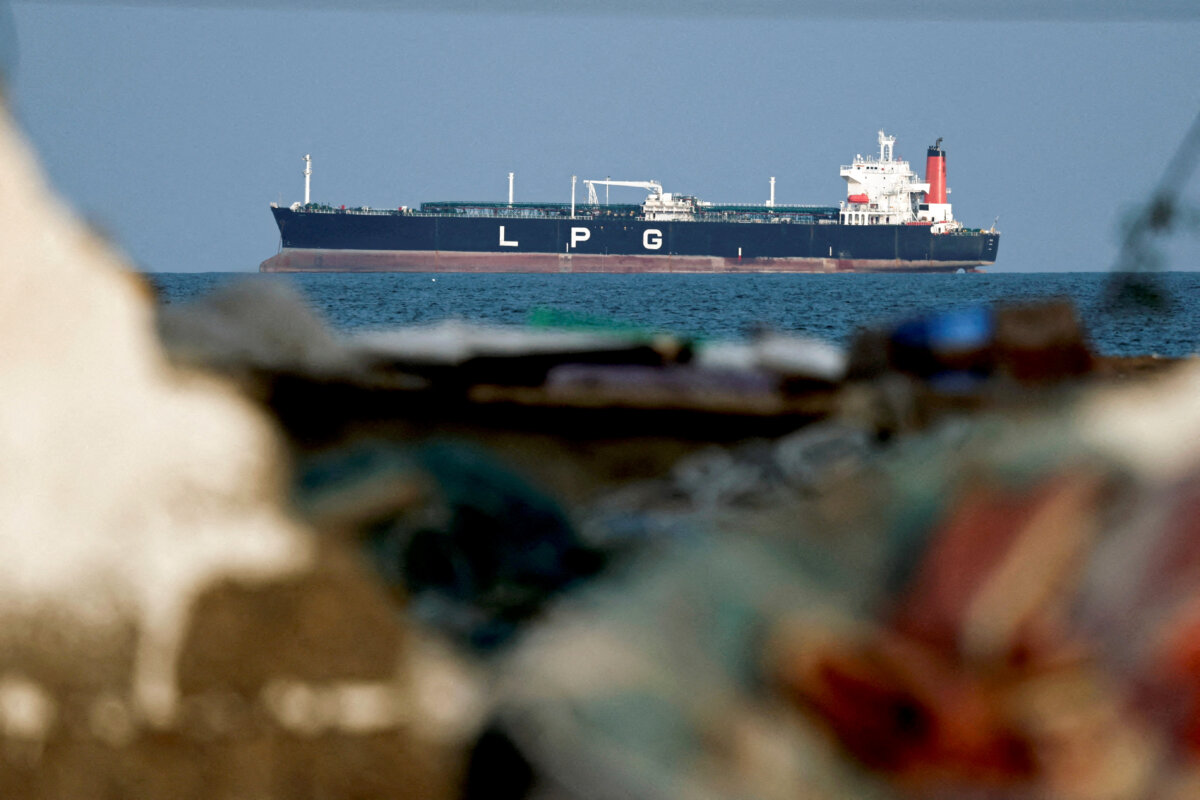
– Crude oil prices meandered lower this week since now that the U.S. bombed the Kharg Island with Iran’s deepwater access for supertankers, the U.S. is now effectively in control of Iran’s crude oil revenue. It is inevitable that Iran and the U.S. will be negotiating soon, so that is providing some temporary crude oil price relief.
In summary, investors should expect continued volatility until the energy situation stabilizes. There’s a relief rally in the future when a return to “normal” energy markets becomes clearer. Meanwhile, as the panic in private credit spreads, the Fed will face the dilemma of fixing this mess with further key interest rate cuts, so it will be interesting to see their official comments after tomorrow’s FOMC meeting.
 Friends Read Free
Copy
Facebook
Tweet
Friends Read Free
Copy
Facebook
Tweet