

The Department of Energy (DOE) said in a Jan. 5 statement that it has issued $2.7 billion in task orders to boost America’s domestic uranium enrichment services over a period of 10 years.
“In support of President [Donald] Trump’s commitment to enhance energy security and reduce reliance on foreign suppliers, the historic investment expands U.S. capacity for low-enriched uranium (LEU) and jumpstarts new supply chains and innovations for high-assay low-enriched uranium (HALEU) to create American jobs and usher in the nation’s nuclear renaissance,” the statement reads.
The existing U.S. fleet of nuclear reactors uses low-enriched uranium (LEU) fuel, enriched to between 3 percent and 5 percent uranium-235, the main fissile material that produces energy during a chain reaction. In high-assay low-enriched uranium (HALEU) fuel, uranium is enriched so that the concentration of uranium-235 is between just more than 5 percent and 20 percent, which is needed for many advanced reactors, particularly those with smaller cores.
In 2025, DOE signed contracts with six companies for LEU and HALEU enrichment. The $2.7 billion announced by the department is being distributed to three of these companies as task orders.
American Centrifuge Operating and General Matter have both been tasked with creating domestic HALEU enrichment capacity. Orano Federal Services is tasked with expanding domestic LEU enrichment capacity. The three companies received $900 million each, the department said.
According to the DOE, developing domestic LEU and HALEU production capacity will ensure that an adequate fuel supply is available to maintain operations across the 94 commercial reactors operating in the United States.
The decision will also result in building a strong supply base that can support the deployment of advanced nuclear reactors in the future, the department said. The contracts with the three companies are expected to transition the United States away from foreign uranium sources.
“President Trump is catalyzing a resurgence in the nation’s nuclear energy sector to strengthen American security and prosperity,” Secretary of Energy Chris Wright said. “Today’s awards show that this Administration is committed to restoring a secure domestic nuclear fuel supply chain capable of producing the nuclear fuels needed to power the reactors of today and the advanced reactors of tomorrow.”
In March 2025, President Donald Trump issued an executive order calling for fast-tracking domestic mineral production.
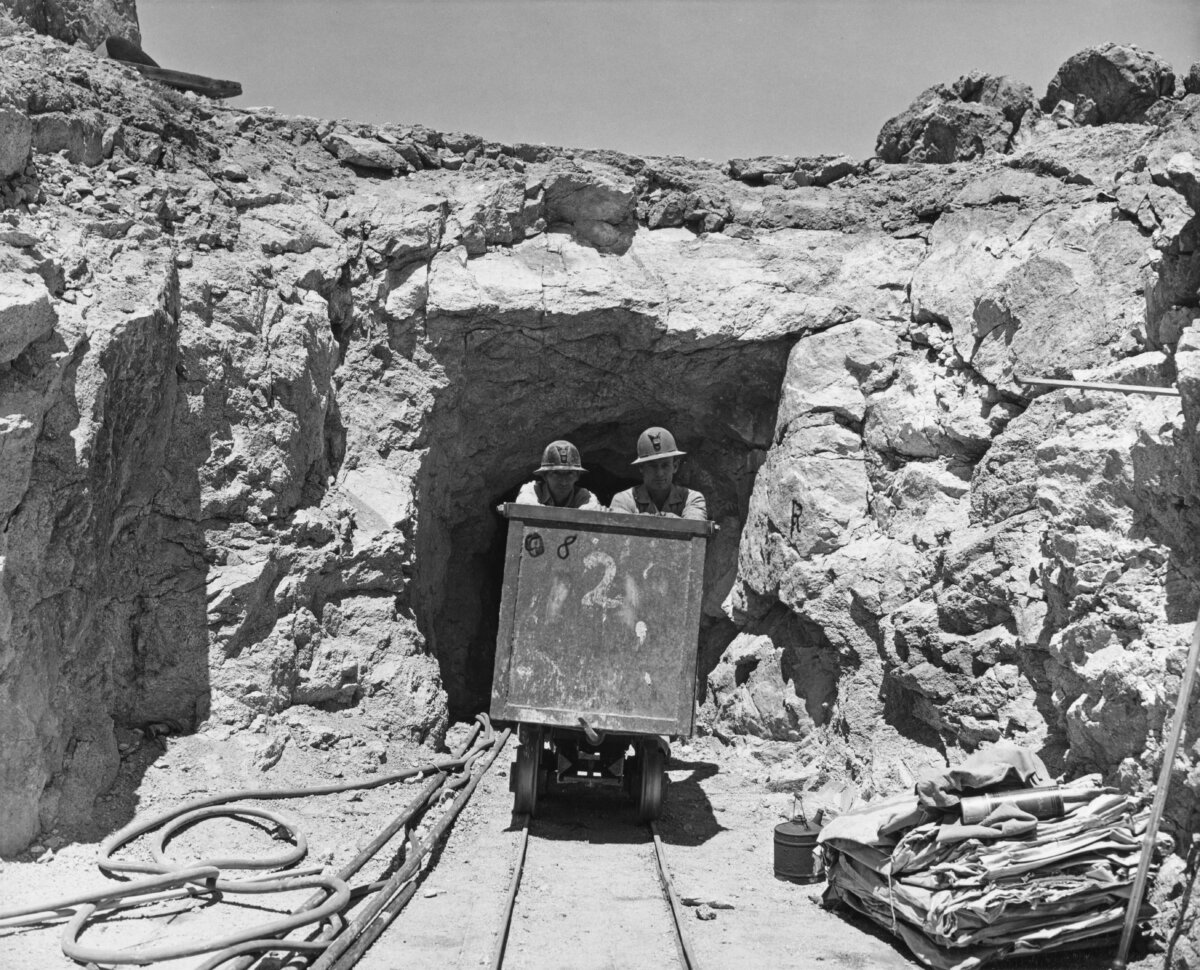
In May, Anfield Energy’s Velvet-Wood project in Utah became the first uranium project to be approved via the fast-tracking process, with its review timeline cut from years to just 11 days.
The accelerated review process attracted criticism. In a Nov. 4 statement, the environmental group Sierra Club criticized the decision to issue a permit for the Velvet-Wood project in 11 days, arguing that nearby communities were concerned that not enough time was being spent on comprehensive environmental reviews or public input.
“The radioactive materials that this mine will handle are dangerous to neighboring communities, wildlife, water, and plant life alike,” Franque Bains, Sierra Club Utah chapter director, said at the time. “[Nov. 6] marks a sad day in our nation’s history. This type of fast-tracking is devastating to our communities as it forces them to bear the brunt of the environmental impact with little say or ability to halt it all together.”
Anfield Energy CEO Corey Dias said in a May 27 statement that Velvet-Wood was “well-suited for an accelerated review, given that it is a past-producing uranium and vanadium mine with a small environmental footprint.”
Uranium Production
The production of uranium concentrate has declined in the United States for at least four decades. In 1980, the country’s output peaked at 43.7 million pounds. At the time, there were incentives and favorable trade policies in place to boost domestic output, the Energy Information Administration said.
These policies ended in the 1980s, resulting in lower levels of uranium production.
In 2024, production of uranium concentrate hit the highest level since 2018, the Energy Information Administration said in April 2025.
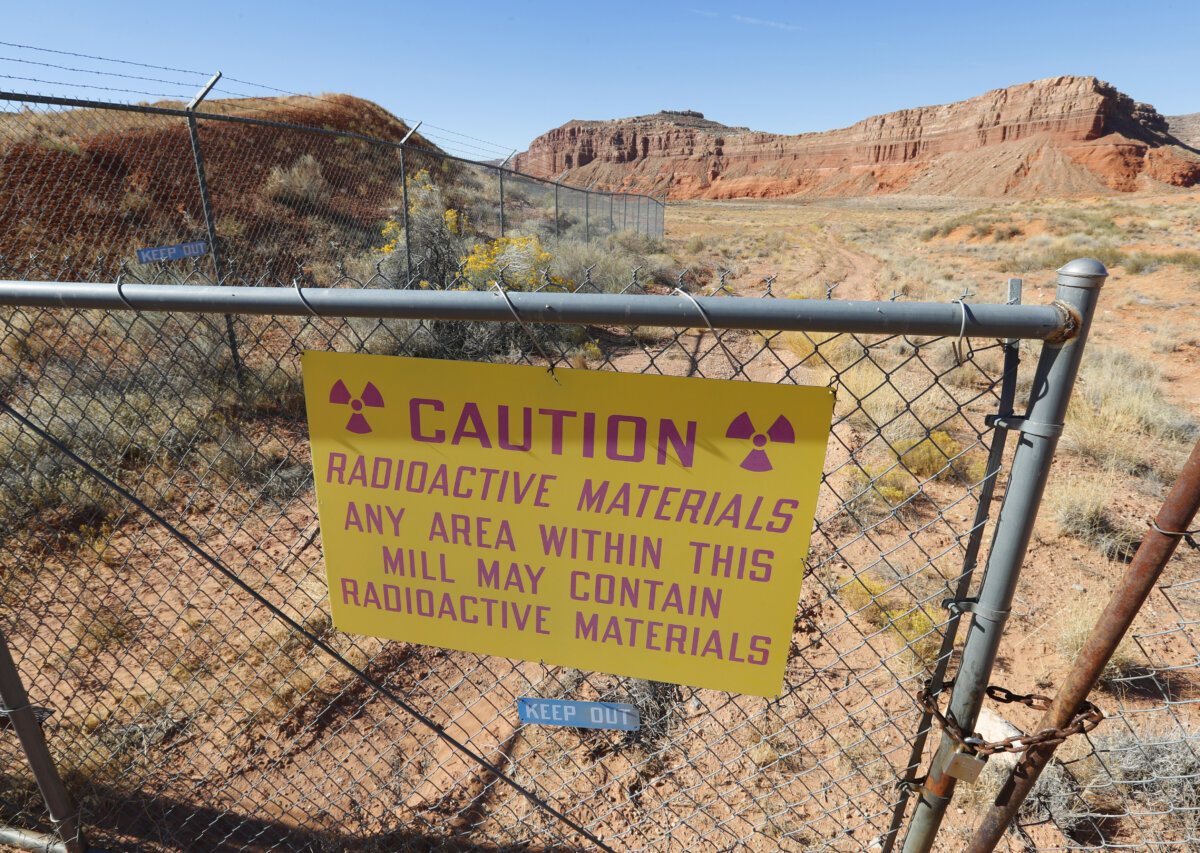
“Other countries, such as Canada and Australia, have more accessible, high-quality uranium deposits, allowing them to produce U3O8 [uranium concentrate] at a lower cost than the United States,” the agency said.
In November 2025, uranium was added to a list of 60 critical minerals identified as being essential to the U.S. economy and national security, Interior Secretary Doug Burgum said in a Nov. 6 post on X.
The $2.7 billion investment to strengthen domestic LEU and HALEU output comes after the DOE announced $11 million in awards on Dec. 8 to develop HALEU transportation packages.
The investments will help in establishing “long-term, economical HALEU transport capabilities that better serve domestic reactor developers and strengthen the U.S. nuclear supply chain,” DOE said at the time.
Wright said in a statement that the department was “operating at record speeds to unleash the next American Nuclear Renaissance and to deliver more affordable, reliable, and secure energy for American families and businesses.”
 Friends Read Free
Copy
Facebook
Tweet
Friends Read Free
Copy
Facebook
Tweet