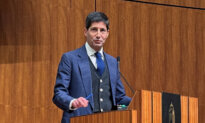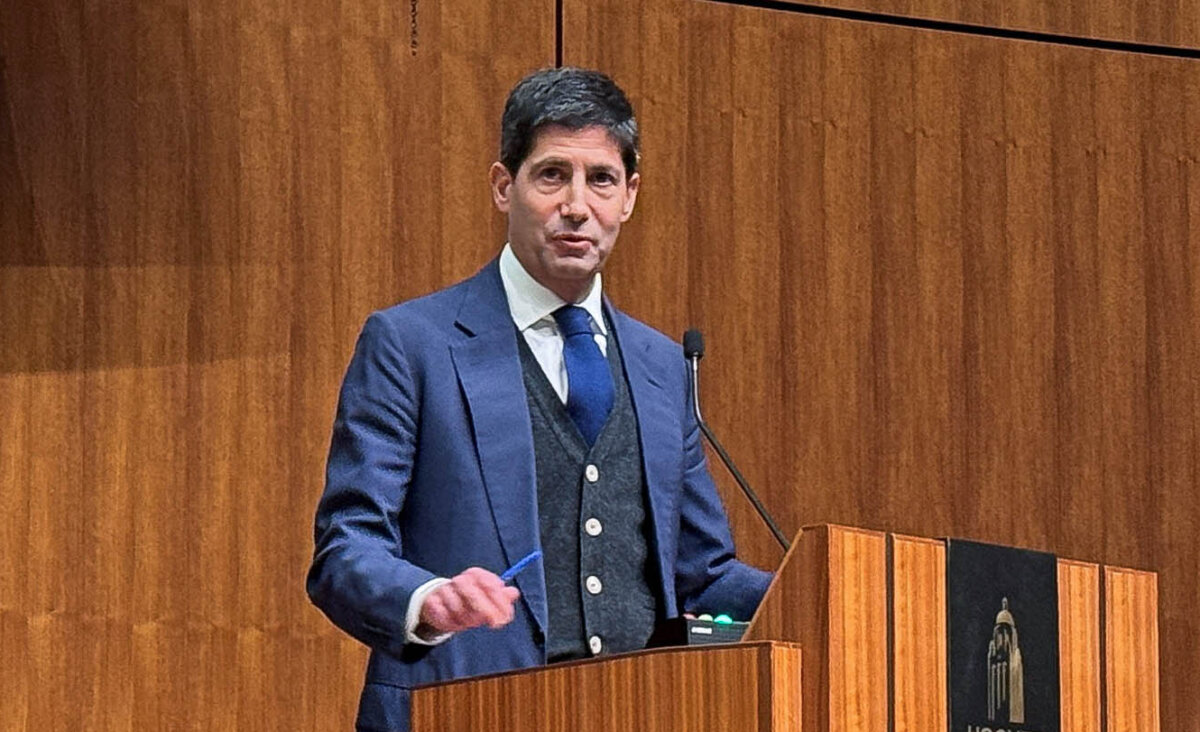

Kevin Warsh, President Donald Trump’s nominee to chair the Federal Reserve, said that central bank independence is up to the institution itself, according to remarks released on April 20.
Warsh’s remarks—which will be delivered at his April 21 confirmation hearing—reflect much of what he has said in public appearances over the past few years, from revisiting the conduct of monetary policy to the Federal Reserve’s track record.
His prepared statement discusses the importance of the Fed being free from political interference.
At the same time, the central bank needs to concentrate on its core objectives of fighting inflation and supporting the labor market, according to Warsh.
“Simply stated, Fed independence is largely up to the Fed,” Warsh will tell members of the Senate Banking Committee.
This, according to him, is achieved by regaining the public’s confidence with low inflation and adhering to its congressionally mandated functions.
“The Fed must stay in its lane,” the statement reads. “Fed independence is placed at greatest risk when it strays into fiscal and social policies where it has neither authority nor expertise.”
Central bank independence has been a point of concern over the past year, with Trump threatening to terminate Fed Chairman Jerome Powell while criticizing him for not lowering interest rates.
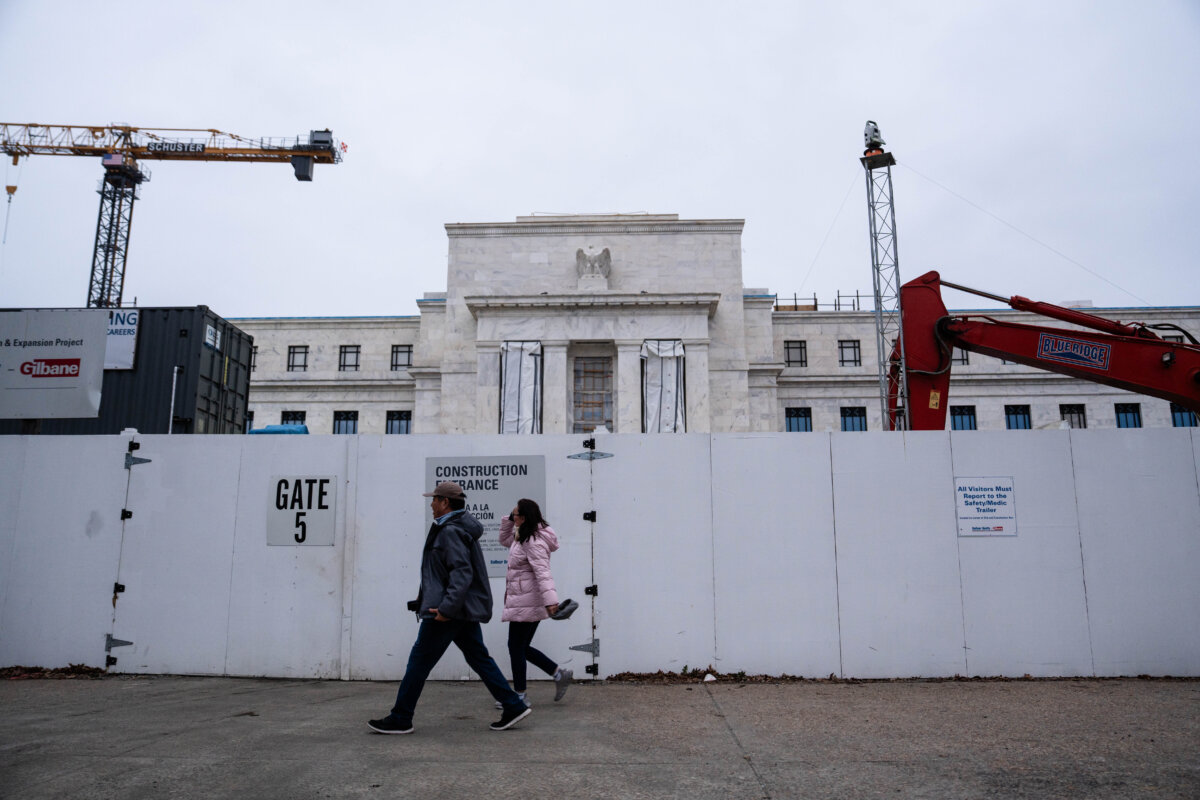
Fed board member Lisa Cook’s attempted removal from office and the investigation into renovations of the institution’s headquarters have also added to concerns about the central bank’s autonomy.
Trump announced in January that Warsh would be the nominee to replace Powell, whose term expires on May 15.
If Warsh is not confirmed, Powell has said he would remain as “chair pro tem” until a successor is approved by the upper chamber.
Critics have since been vocal about their concern that Warsh will conduct policy at the direction of the White House rather than on the basis of economic conditions and the Fed’s mission.
“I still have deep concerns that if he is confirmed, he will be Donald Trump’s sock puppet,” Sen. Elizabeth Warren (D-Mass.) said in an April 16 statement following her meeting with Warsh.
Warsh has sympathized with the president’s frustrations over Powell and his colleagues’ failure to reduce the benchmark federal funds rate—a key policy rate that influences business and household borrowing costs—at a swift pace.
But although he wants to bring down rates, Warsh has also proposed winding down the almost $7 trillion balance sheet.
No Threats Seen: Warsh
Still, Warsh’s statement reaffirms his belief that elected officials expressing their views does not jeopardize the century-old entity’s independence.
“I do not believe the operational independence of monetary policy is particularly threatened when elected officials—presidents, senators, or members of the House—state their views on interest rates,” it reads.
“I am committed to ensuring that the conduct of monetary policy remains strictly independent,” it states. “I am equally committed to working with the administration and Congress on non-monetary matters that are part of the Fed’s remit.”
Warsh has proposed a new Fed–Treasury accord, comparable to that of 1951.
At the time, the Treasury agreed that it would not use the Fed’s balance sheet to directly fund deficits.
This partnership would aim to inform markets about the Fed’s balance sheet size and the Treasury’s issuance calendar.
“By the end of, let’s say, this administration we’ll be at an equilibrium rate on the balance sheet, so that markets will know what is coming,” Warsh said in a July 2025 interview with CNBC’s “Squawk Box.”
“It would not be working in conjunction with the administration.”
A central banker, according to him, needs the backbone to listen to every viewpoint, the humility to rethink assumptions, the judgment to make sense of complex data, and the dedication to choose wisely and faithfully.
Warsh has repeatedly advocated for “regime change” in both policy and personnel to restore its effectiveness.
“Institutions like the Federal Reserve need to be restored to what they once were, which is important institutions that are on the sidelines most of the time and come in only in exigent circumstances,” Warsh told interviewer Peter Robinson last summer.
The Epoch Times reached out to the White House for comment.
 Friends Read Free
Copy
Facebook
Tweet
Friends Read Free
Copy
Facebook
Tweet