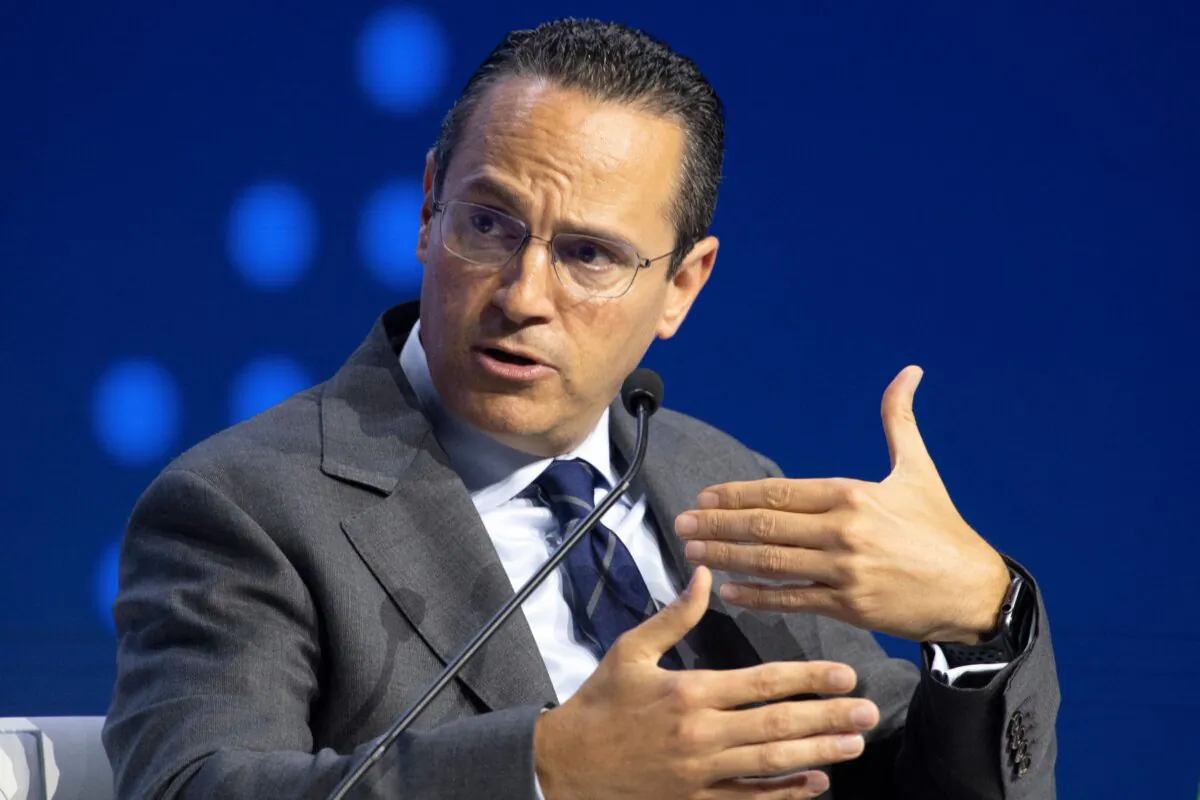

Shell CEO Wael Sawan said on March 24 that a fuel crunch already hitting parts of Asia could spread to Europe as early as next month amid continued disruption from the Middle East conflict.
Speaking at CERAWeek by S&P Global, a major energy conference in Houston, Sawan said European governments may need to curb energy demand to prevent shortages, according to the UK newspaper The Telegraph.
Sawan said the ripple effect from the global oil and gas supply squeeze, which has already forced parts of Asia to cut energy consumption, will spread to the West.
“We see South Asia first to get that brunt, that moves to Southeast Asia, Northeast Asia, and then more so into Europe as we get into April,” Sawan said. “So we are trying to work with governments to alert them to the levers they may need to pull—including demand‑side measures, what they need to do around storage, what they need to do around purchasing stock, and so on and so forth.”
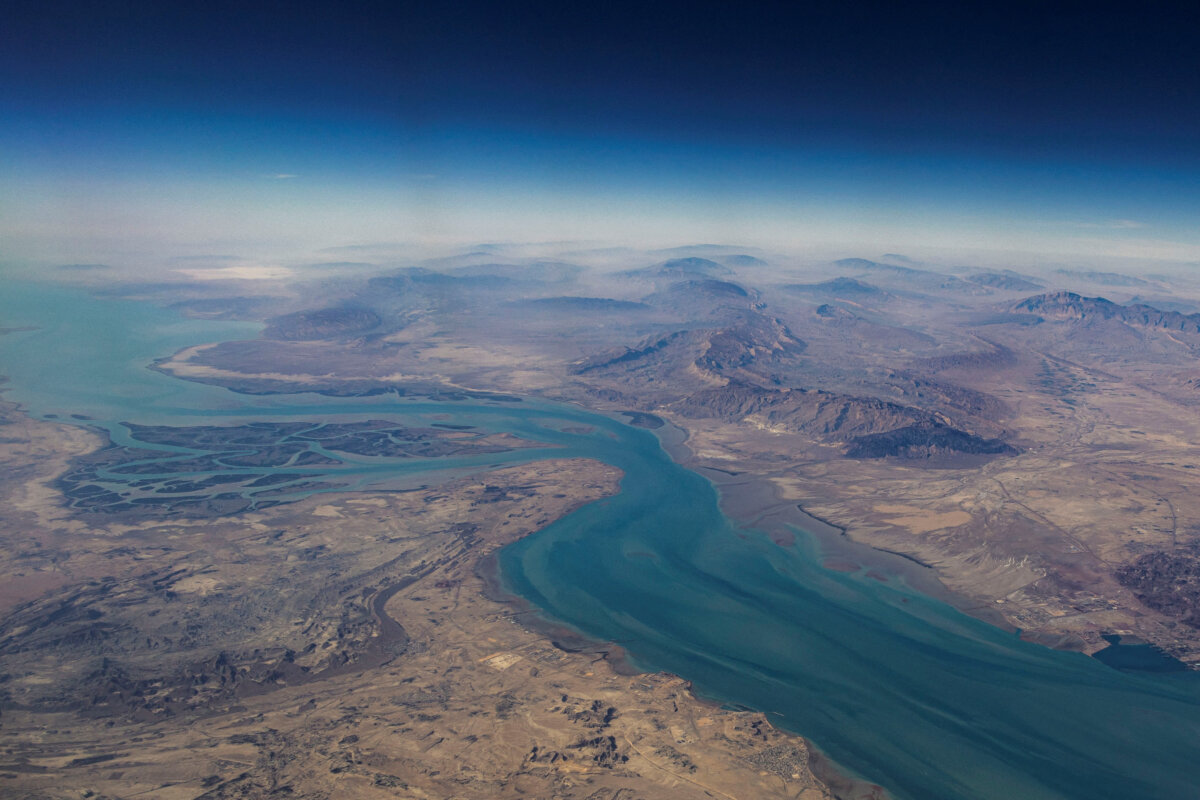
Until only weeks ago, tankers made routine voyages through the Strait of Hormuz, transporting vital oil flows through one of the world’s most important energy corridors.
Roughly 20 percent of the world’s oil and a similar share of liquefied natural gas flow through the narrow waterway between Iran and Oman.
Since the United States and Israel launched their Feb. 28 strikes on Iran, shipping traffic has slowed to a near standstill.
Chevron CEO Mike Wirth told audience members at the same event on March 23 that the oil futures market has not fully priced in the scale of the supply disruption.
The oil futures market is where people buy and sell contracts for oil to be delivered in the future at a price agreed upon today.
“There are very real, physical manifestations of the closure of the Strait of Hormuz that are working their way around the world and through the system that I don’t think are fully priced into the futures curves on oil,” Wirth said, according to CNBC.
He said the market is trading on scant information and perception.
“We got a lot of oil and gas now that is not flowing into the market,” he said. “There really is a difference in terms of physical supply this time versus prior incidents.”
He said it will take time to rebuild inventories even if the strait reopens.
U.S. President Donald Trump said on March 24 that Washington was currently in negotiations with Tehran. An Iranian military spokesperson on March 25 dismissed the idea of negotiating with the United States.
Oil prices fell by about 5 percent on March 25. Brent crude fell by about 5.4 percent to $98.83 per barrel by 10:22 GMT, after dropping as low as $97.57 earlier in the session.
U.S. West Texas Intermediate crude was down by roughly 5.2 percent, at $87.53, having briefly hit a low of $86.72.
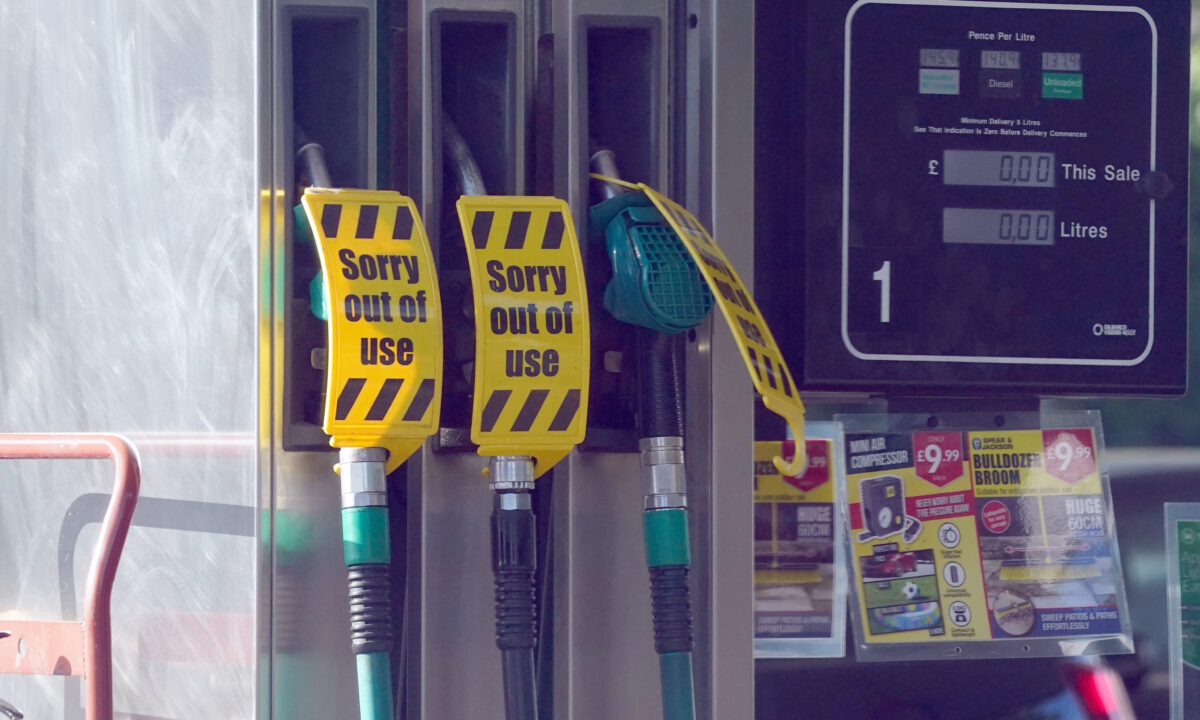
Across Asia, countries including Bangladesh, Sri Lanka, Pakistan, the Philippines, and South Korea have already introduced measures ranging from fuel rationing and capped sales to reduced working weeks and energy-saving drives to manage the strain.
Slovenia temporarily limited fuel purchases on March 22 to tackle shortages at the pump caused in part by cross-border fueling and stockpiling due to the Iran war, according to the Slovenian Press Agency, a state news agency, on March 21.
Slovenian Prime Minister Robert Golob said fueling at individual service stations had been restricted to 50 liters (about 13 gallons) per day for private vehicles and 200 liters (about 53 gallons) per day for companies and other priority users, such as farmers.
Golob said the army would be called in to help retailers move.
Reuters and Victoria Friedman contributed to this report.
 Friends Read Free
Copy
Facebook
Tweet
Friends Read Free
Copy
Facebook
Tweet