
Crude oil production among members of OPEC plummeted in March, the Vienna-based cartel said.
Output fell by 7.7 million barrels per day, to 20.79 million, according to the widely watched Monthly Oil Market Report, released on April 13.
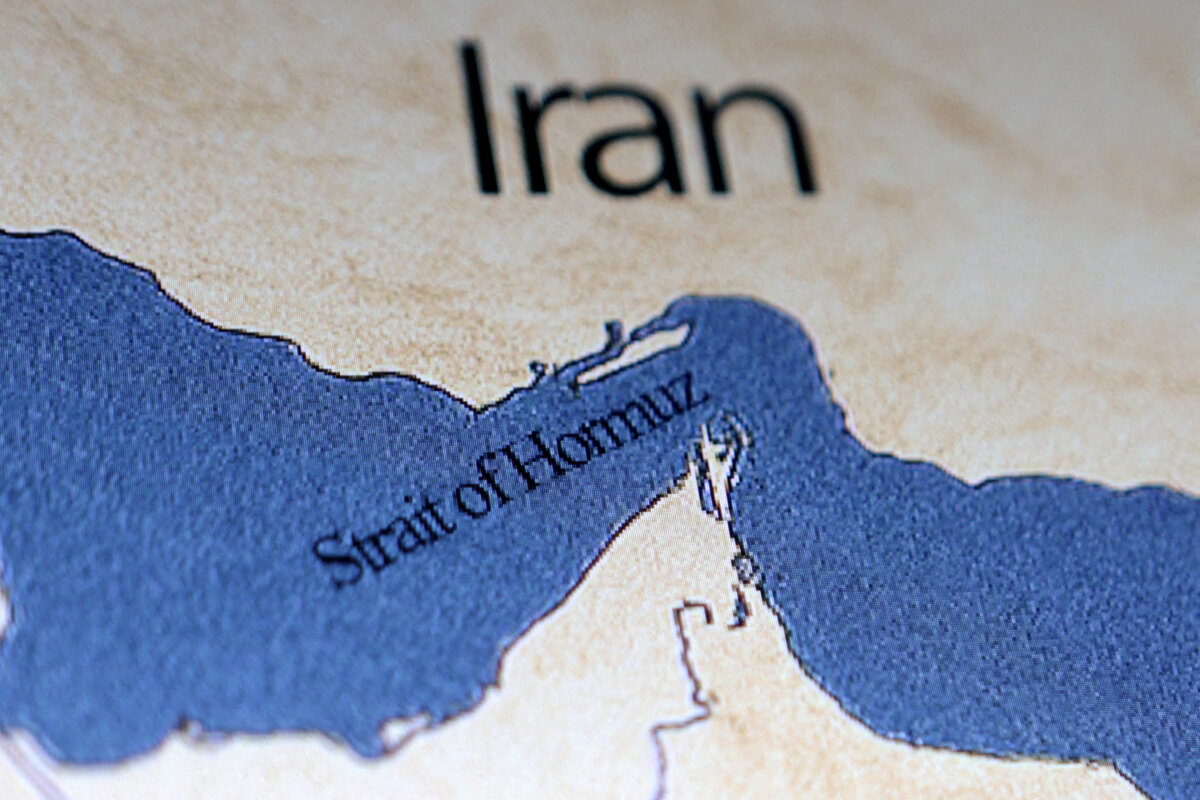
Iraq led last month’s decline, with production dropping by 2.56 million barrels, to 1.63 million barrels per day. The country relies substantially on the Strait of Hormuz, the narrow waterway situated between Iran and the Arabian Peninsula, which is almost entirely closed due to the war.
This was followed by Saudi Arabia (negative 2.31 million), the United Arab Emirates (negative 1.53 million), and Kuwait (negative 1.37 million). Nigeria and Venezuela were the only OPEC members to register an increase.
Producers within OPEC+—the broader alliance of the pact—reported a decrease of 7.7 million barrels per day, to 35.05 million barrels per day.
Tanker traffic in the region has cratered during the nearly seven-week-old conflict. The Strait of Hormuz handles about 20 percent of worldwide crude oil and petroleum supplies.
“Disruptions to shipping operations in the region raised persistent concerns about regional supply flows, while strong buying of prompt spot market barrels, production cuts, and declarations of force majeure further supported the upward price momentum,” OPEC stated in its monthly report.
The sharp price increase in global energy markets was accompanied by sustained volatility and heavy volumes, the group stated. This reflects deep market unease about short‑term supply conditions and the expanding risk premium driven by threatened Middle East shipping lanes.
May futures for U.S. crude oil—West Texas Intermediate—jumped back above $100 per barrel to kick off the trading week on the New York Mercantile Exchange. June futures for the global benchmark Brent also firmed above $100 per barrel in overseas trading.
Oil prices tanked below $100 last week as investors cheered the United States and Iran agreeing to a two-week ceasefire.
However, U.S.–Iran peace negotiations fell through in Pakistan after Iran would not provide an “affirmative commitment” that it would not seek a nuclear weapon, U.S. Vice President JD Vance said.
U.S. President Donald Trump announced on Truth Social that he would impose a naval blockade on “any and all Ships trying to enter, or leave, the Strait of Hormuz.”
In an April 12 statement, U.S. Central Command said the military would blockade all maritime traffic entering and exiting Iranian ports starting on April 13 at 10 a.m. ET.
“The blockade will be enforced impartially against vessels of all nations entering or departing Iranian ports and coastal areas, including all Iranian ports on the Arabian Gulf and Gulf of Oman,” U.S. Central Command said.
‘Massive Numbers’
The ongoing disruption in the Strait of Hormuz could be a boon for the U.S. energy sector.
Industry data suggest that a convoy of commercial vessels has been traveling around the Cape of Good Hope in southern Africa and heading toward the United States.
The president noted that many tankers are destined for the United States to refuel and transport oil and gas to other countries.
“Massive numbers of completely empty oil tankers, some of the largest anywhere in the World, are heading, right now, to the United States to load up with the best and ‘sweetest’ oil and gas anywhere in the World,” Trump said in an April 11 Truth Social post.
Although elevated oil prices will lead to greater pain at the pump, the conflict could have a limited effect on the broader U.S. economy, said Bill Adams, chief economist at Fifth Third Commercial Bank.
“If markets become convinced that energy prices will hold at current levels for an extended period, the U.S. economy could actually strengthen even as the war imposes higher costs on most consumers,” Adams said in a note emailed to The Epoch Times.
“The macro effects of higher oil prices are very different now that the U.S. is a net petroleum exporter than they were during the last oil shock in the mid 2000s.”
The national average price for a gallon of gasoline is more than $4.
Bank of America data suggest that consumers are still spending money, even after excluding gasoline station transactions.
Whether this can persist is up for debate among economic observers.
The April University of Michigan consumer sentiment index plunged to an all-time low on increasing concerns about business conditions and prices.
Still, according to Nancy Tengler, CEO and chief investment officer of Laffer Tengler Investments, consumers are dedicating a smaller share of their budgets to energy.
“Inflation adjusted basis energy costs are still well below 2008 and 2022 spikes plus consumers are spending less of personal income on energy—1.5 percent [versus] 2.8 percent—in 2008,” Tengler told The Epoch Times in a note.
“We are producing more oil with less (productivity) and consumers are using less due to higher fuel efficiency.”
 Friends Read Free
Copy
Facebook
Tweet
Friends Read Free
Copy
Facebook
Tweet