
The Organisation for Economic Cooperation and Development (OECD) said the length of disruptions in the Middle East will determine whether the global economy faces a mild slowdown or a more serious downturn.
The Paris-based organization said on June 3 that the conflict has become the main factor shaping global economic prospects and triggering an energy shock.
“The global economy entered 2026 with robust momentum, but the outlook has weakened significantly since the start of the conflict in the Middle East, with effects likely to be felt for some time,” OECD Secretary-General Mathias Cormann said.
In its latest economic outlook, the OECD outlined two possible paths for the global economy depending on how long disruptions to Gulf energy production and exports persist.
A “time-limited disruption” scenario assumes that energy production and trade gradually return to pre-conflict levels beginning in mid-2026.
A second scenario assumes disruptions continue well into 2027, keeping energy prices elevated and increasing the risk of supply shortages and tighter financial conditions.
“The longer the disruptions last, the larger the economic and social costs become,” Cormann said.
He said governments should ensure that any fiscal support remains targeted and temporary to avoid adding to public debt while preserving incentives to conserve energy.
Countries should pursue policies that strengthen productivity and expand the benefits of artificial intelligence (AI) and other emerging technologies, Cormann said.
Growth Forecasts Diverge
The OECD projected that under a lasting resolution of the conflict, global growth will slow from 3.4 percent in 2025 to 2.8 percent in 2026 before recovering to 3.1 percent in 2027.
The United States is expected to post gross domestic product growth of 2 percent in 2026 before slowing to 1.8 percent in 2027. The euro area is projected to grow by 0.8 percent in 2026 and 1.2 percent in 2027.
China’s economy is forecast to expand by 4.5 percent in 2026 and 4.3 percent in 2027.
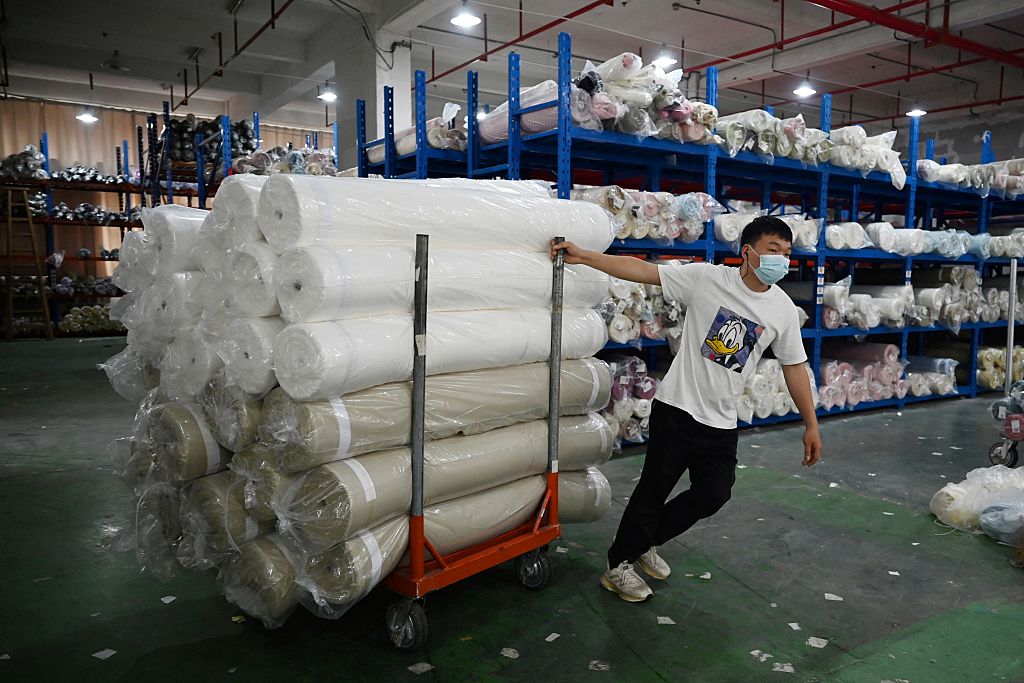
The outlook becomes more challenging if energy disruptions continue.
Under the OECD’s prolonged disruption scenario, global growth would slow to 2.1 percent in 2026 and 1.8 percent in 2027. The organization said the impact would be felt across Asia, Europe, and developing economies that are particularly exposed to higher energy and food costs.
The OECD projected growth across its member countries at 0.9 percent in 2026 and 0.5 percent in 2027 under the prolonged disruption scenario.
Those figures compare with the projected growth of 1.5 percent and 1.7 percent under the time-limited scenario.
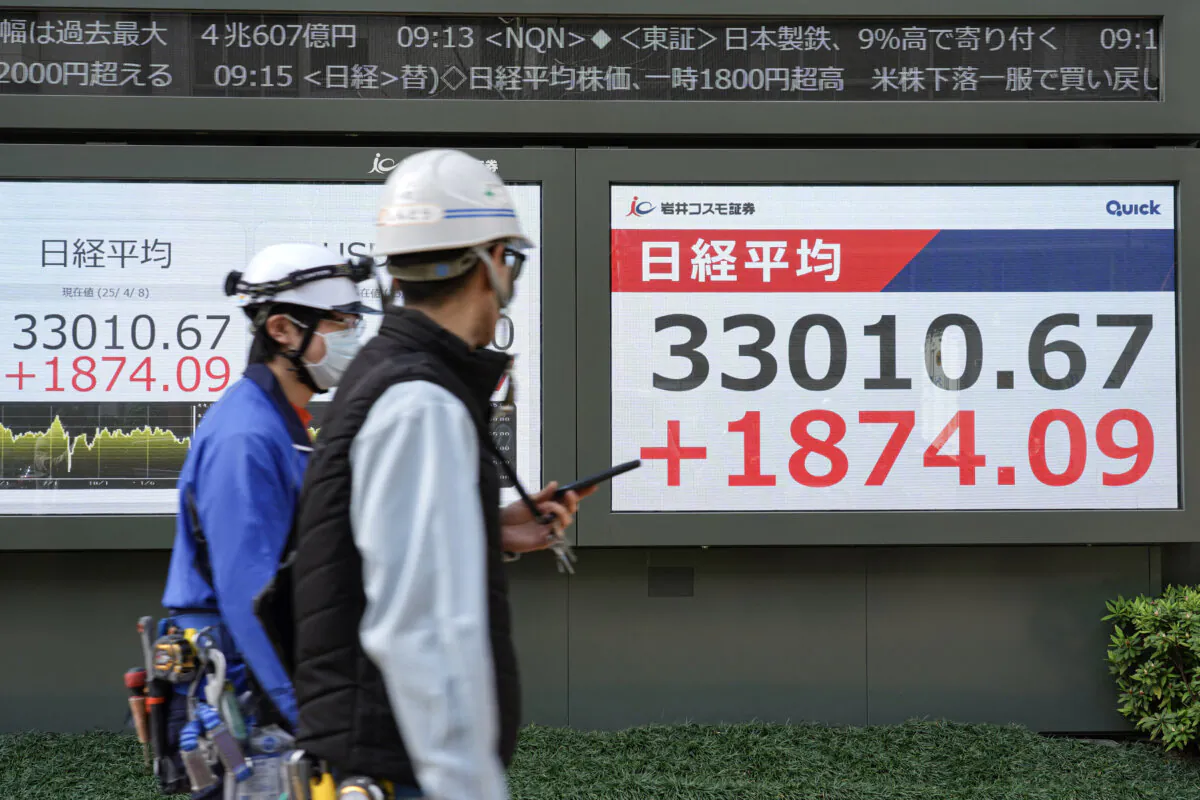
Japan is expected to be among the countries most affected by trade disruptions linked to the Gulf conflict.
The OECD forecasts Japan’s growth to slow from 1.1 percent in 2025 to 0.6 percent in 2026, then to improve slightly to 0.8 percent in 2027.
Japan’s heavy reliance on imported energy leaves it especially vulnerable to increases in global oil and fuel prices. Recent data from the Bank of Japan underscore those pressures.

Japan’s producer prices rose sharply in April as higher fuel and energy costs spread through the economy. The increase added pressure on policymakers ahead of the central bank’s next interest rate decision, scheduled for June 15 and June 16.
Inflationary Pressures
The OECD said inflationary pressures are increasing in both advanced and emerging economies as higher energy costs feed through supply chains and raise prices for agricultural inputs and food.
Under the time-limited disruption scenario, annual consumer price inflation across the G20 economies is projected to rise to 4 percent in 2026 from 3.4 percent in 2025.
Inflation is then expected to ease to 3.1 percent in 2027 as energy and food price pressures diminish.
The OECD warned that inflation would rise considerably higher if disruptions continue beyond current expectations.
Recent data from Europe suggest some of those pressures are already emerging.
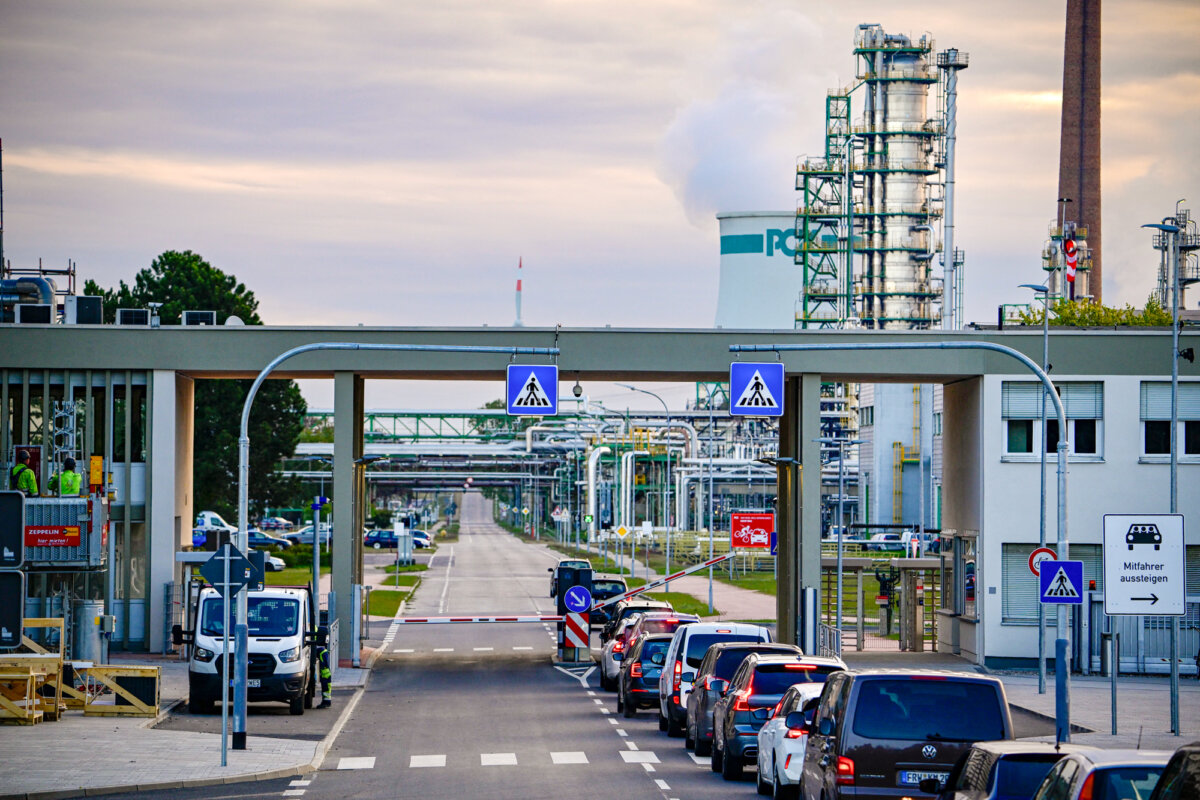
Eurostat, the European Union’s statistics agency, said on June 2 that eurozone inflation accelerated in May. Euro annual energy inflation increased to 10.9 percent from 10.8 percent a month earlier.
The report also said services inflation rose to 3.5 percent from 3 percent, while core inflation, which excludes energy and food, increased to 2.5 percent from 2.2 percent.
Policy Challenges Ahead
The OECD said central banks should remain alert, but it cautioned that supply-driven increases in prices do not necessarily require immediate monetary policy action if inflation expectations remain stable.
The organization said policymakers may need to respond if broader inflationary pressures intensify or if economic growth weakens significantly.
The organization recommended that energy relief measures remain temporary and targeted while preserving incentives to reduce consumption.
“Governments have a range of near-term options for mitigating the effects of the energy supply crunch, particularly on the most vulnerable households and small firms,” OECD Chief Economist Stefano Scarpetta said in the June 3 outlook.
Scarpetta said the crisis demonstrates an increasing need for economies to reduce their dependence on imported fossil fuels.
 Friends Read Free
Copy
Facebook
Tweet
Friends Read Free
Copy
Facebook
Tweet