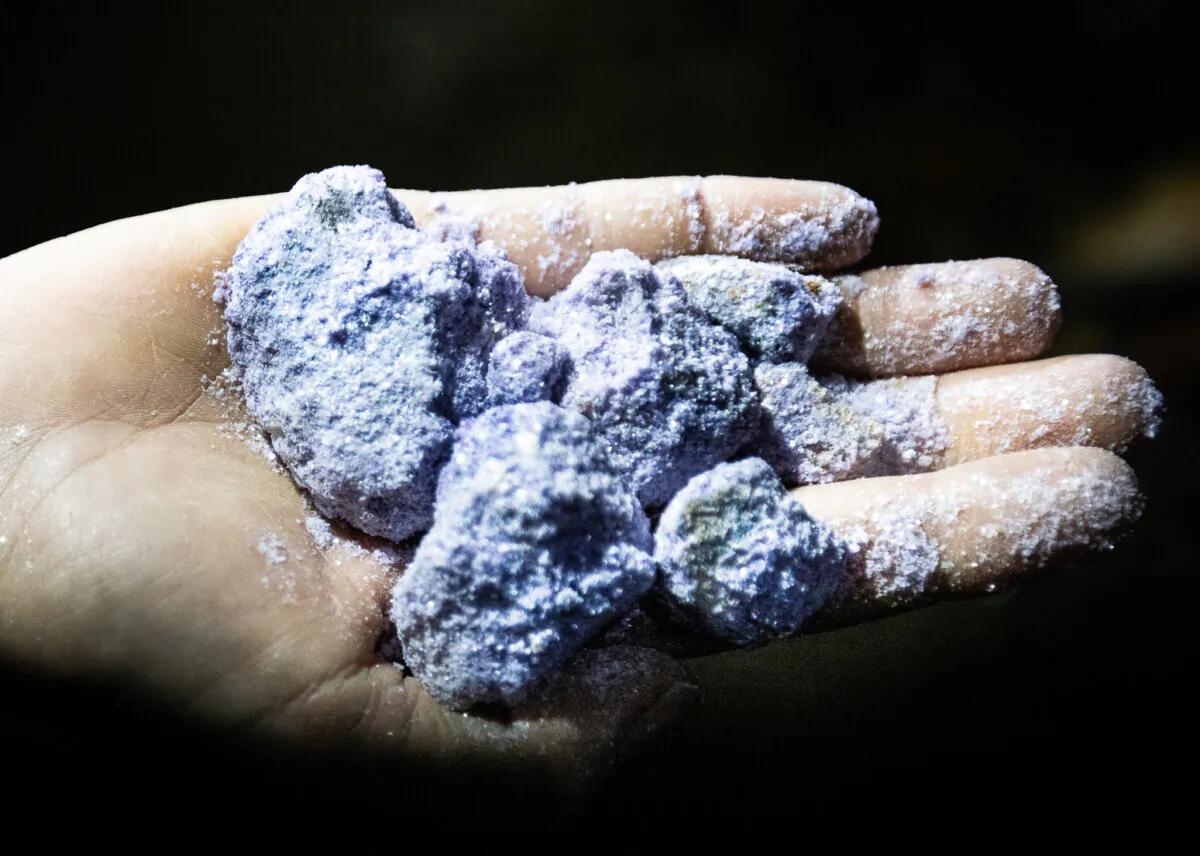


The U.S. government is seeking an equity stake in Lithium Americas, a Canadian mining company, sending the firm’s shares soaring by 100 percent.
The White House proposed an equity stake as the Vancouver, British Columbia-based firm renegotiates the terms of a $2.2 billion loan from the Department of Energy regarding its critical Thacker Pass mine in northern Nevada.
Reuters first reported the deal. At a press briefing on the sidelines of the U.N. General Assembly in New York City, Energy Secretary Chris Wright did not deny the plans, noting the importance of the agreement and saying Washington would continue to pursue similar deals.
“We want to reduce U.S. dependence on imports of critical materials. Lithium is not top of that list, but it’s on that list,” Wright said in response to a question from The Epoch Times.
“We don’t produce meaningful lithium in the United States today.
“Are we going to invest and help alongside them to develop a critical mineral resource in the United States? Absolutely.”
In recent years, the United States has struggled to open new mines after being “an awesome mining nation” for a long time, Wright said.
“We just made it so hard to mine anything here. We’ve hardly opened any new mines. We want to change that,” he added.
“We’re going to build mines in America again. It’s not just because we need those minerals, it’s jobs and economic activity.”
Thacker Pass is a joint venture between Lithium Americas and General Motors, with the automaker maintaining a 38 percent stake in the project, as lithium is a crucial material for electric vehicle batteries.
The mine is projected to become one of the biggest sources of lithium in North America and is scheduled to begin its first phase in late 2027.
The deal has not been finalized and could require approval from Canadian regulators.
Lithium Americas commented on the discussions with the Department of Energy (DOE) and General Motors.
“The topics of these discussions include certain conditions precedent to draw on the DOE Loan and associated loan specifics,” the company said in a statement.
Lithium Americas said the discussions also involved “incremental requests from the DOE for potential further conditions to first draw and/or potential amendments to the DOE Loan and associated transaction documents, including corresponding consideration.”
The stock is listed on the New York Stock Exchange and the Toronto Stock Exchange.
Shares of Lithium Americas soared by 96 percent to $6 on Wall Street. In Canada, the stock rallied by 100 percent to above 8 Canadian dollars.
Before the news, Wall Street analysts maintained a “Hold” rating and a 12-month downside forecast of 22 percent on the stock, according to MarketBeat.
White House Equity Stakes
This past spring, speaking at a conference hosted by the Hamm Institute for American Energy, Interior Secretary Doug Burgum stated that the current administration is pursuing equity investments in companies that mine and process critical minerals.
The objective, he says, is to diminish American dependence on foreign markets, particularly China.
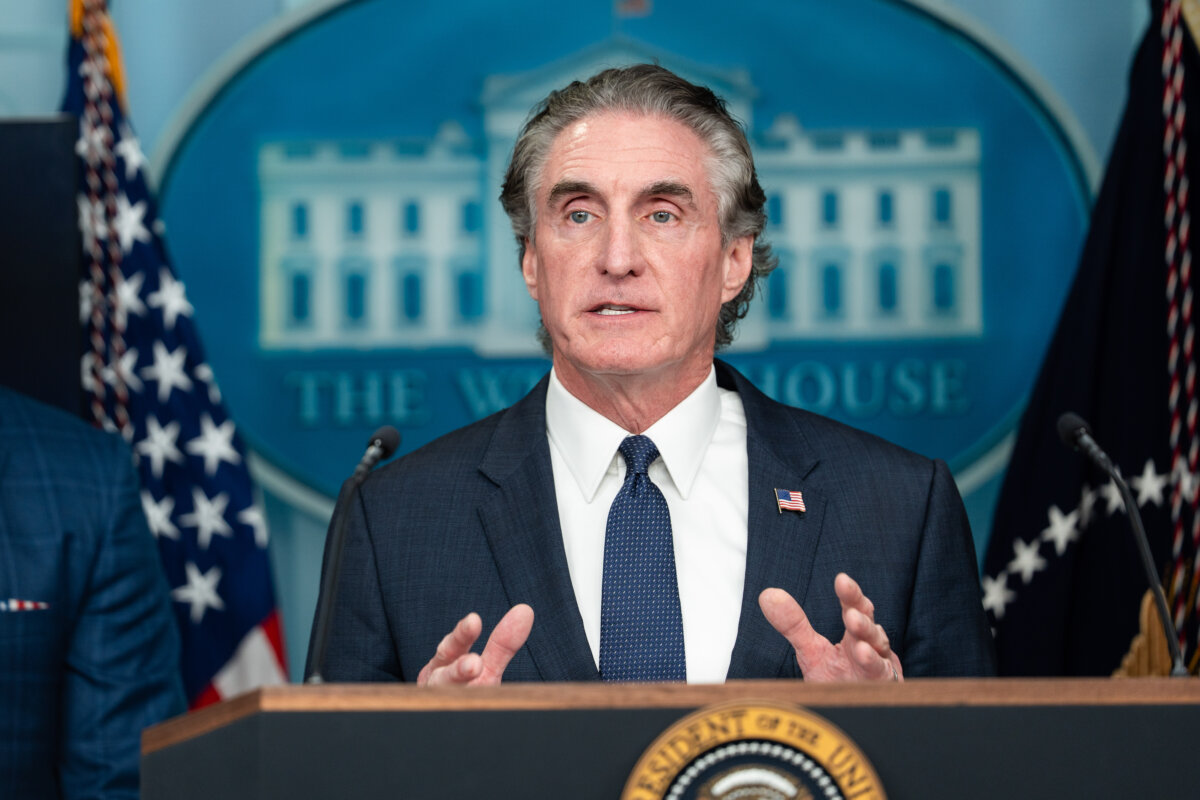
Burgum stated that China is dumping minerals in global markets, sending prices lower and making it harder for U.S. firms to compete.
“You’re competing against state capital because China is picking these strategically as areas that they want to invest in,” he said.
“We have to get back in the game. It’s not just drill, baby, drill. It’s mine, baby, mine.
“If we don’t do that as a country, we will not be successful. We will literally be at the mercy of others that are controlling our supply chains.”
Approximately 70 percent of U.S. rare earth imports originated from China in 2023, as Beijing produces more than 40,000 metric tons of lithium annually, trailing Australia and Chile.
In July, the Department of War, formerly the Department of Defense, purchased a 15 percent equity stake in rare earth miner MP Materials. The stock has rocketed by almost 350 percent this year.
The Trump administration also acquired a 10 percent stake in Intel to bolster domestic chip production.
In addition to expanding domestic supply chains, the White House aims to establish a sovereign wealth fund comparable to those of Norway, the United Arab Emirates, China, Kuwait, and Saudi Arabia.
In February, the president signed an executive order directing Treasury Secretary Scott Bessent and Commerce Secretary Howard Lutnick to develop a comprehensive plan that encompasses investment strategies, funding mechanisms, governance structures, and legal considerations.
This should be a prerogative for the world’s largest economy, the interior secretary said in April.
“We should be taking some of our balance sheet and making investments,” Burgum said. “Why wouldn’t the wealthiest country in the world have the biggest sovereign wealth fund?”
Reuters contributed to this report.
 Friends Read Free
Copy
Facebook
Tweet
Friends Read Free
Copy
Facebook
Tweet