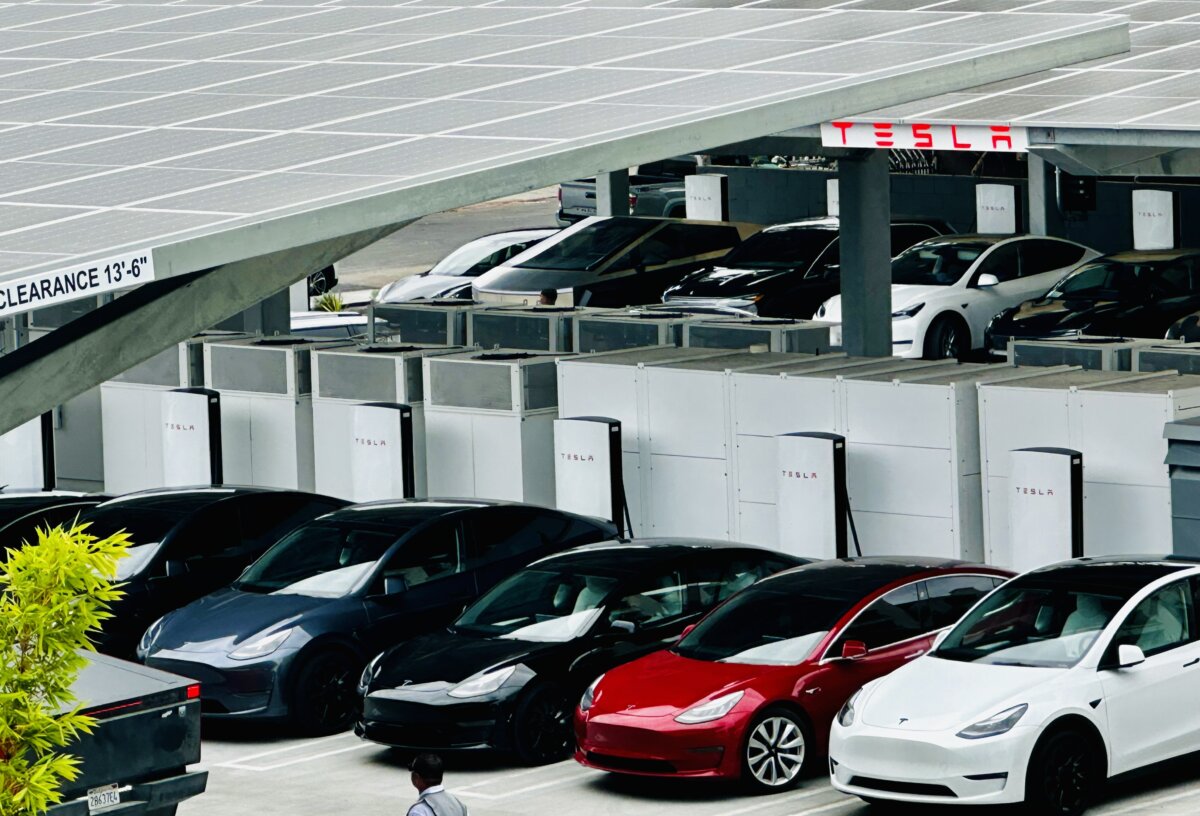

The National Highway Traffic Safety Administration (NHTSA) announced on Oct. 9 that it has opened an investigation into dozens of crashes and safety violations involving Teslas operating under the vehicle’s automated driving system.
The investigation was opened on Oct. 7 by the NHTSA’s Office of Defects Investigation (ODI) and focuses on more than 2.88 million Tesla vehicles. According to the NHTSA’s filing, there were a total of 58 incidents involving use of Tesla’s Full Self-Driving (FSD) software that led to crashes, fires or injuries to drivers.
Tesla’s FSD system is partially automated and requires drivers to maintain supervision and control of their vehicles, the ODI filing stated. Even when the FSD software is engaged, drivers are fully responsible for the actions of their vehicles and are expected to comply with all traffic laws. However, the ODI notes, there were reported instances in which the FSD overrode driver supervision and led to unexpected vehicle operations.
The first most-common scenario involves 18 complaints and one media report of Tesla vehicles maneuvering into intersections despite being stopped at red lights. Vehicles either failed to remain fully stopped for the duration of the signal, failed to fully stop, or displayed the wrong color of traffic signal in the vehicle’s multimedia display.
Six of these instances led to crashes, the ODI said, with four resulting in injuries. The Office of Defects Investigation, along with the Maryland State Police and Maryland Transportation Authority, determined that multiple red-light instances occurred at the same intersection in Joppa in northern Maryland. Tesla has already undertaken actions to correct FSD issues at the intersection, the NHTSA noted.
The second involves 18 complaints and other reports of the Full Self-Driving system having vehicles make unexpected lane changes into oncoming traffic, the ODI said. In these instances, vehicles with the FSD system engaged either crossed double-yellow lane markers, entered opposing lanes after a turn, or attempted to drive the wrong direction on certain roadways. These maneuvers often occurred without giving drivers enough time to respond and intervene, the ODI said.
The focus of the ODI’s review is to determine whether Tesla’s FSD system provided drivers with enough warning time to take control of their vehicles during the unexpected actions. Assessments include the amount of time it takes a driver to respond when their vehicles make unexpected maneuvers, along with the self-driving system’s ability to detect traffic signals, lane markings and wrong-way signs and the time it takes to relay that information to drivers.
The Epoch Times contacted Teesla for comment but has not received a reponse by publication time.
In an open letter to NHTSA Administrator Jonathan Morrison from late September, Sen. Edward J Markey (D-Mass.) and Sen. Richard Blumenthal (D-Conn.) called on the administration to launch an investigation into reported operational failures in Tesla’s FSD at railroad crossings and other traffic signals.
“Although mistakes such as a missed traffic sign or an illegal lane change are dangerous, a miscalculation at a train crossing can lead to catastrophic, multi-fatality collisions involving vehicle occupants, train passengers, and rail workers,” the senators wrote.
“NHTSA’s previous investigations into FSD show that the system’s failures are not isolated,” they continued. “Tesla’s system has been shown to misinterpret basic traffic infrastructure, particularly in low visibility or complex roadway conditions.”
While the NHTSA’s investigation will focus on the two primary areas of traffic safety violations, it also may encompass and fold in instances of FSD safety violations at railroad crossings, the administration said.
In October of 2024, the NHTSA’s Office of Defects Investigation opened an investigation into FSD’s effectiveness in reduced visibility conditions, such as fog, glare or excessive dust.
 Friends Read Free
Copy
Facebook
Tweet
Friends Read Free
Copy
Facebook
Tweet