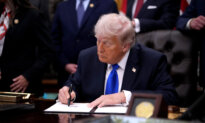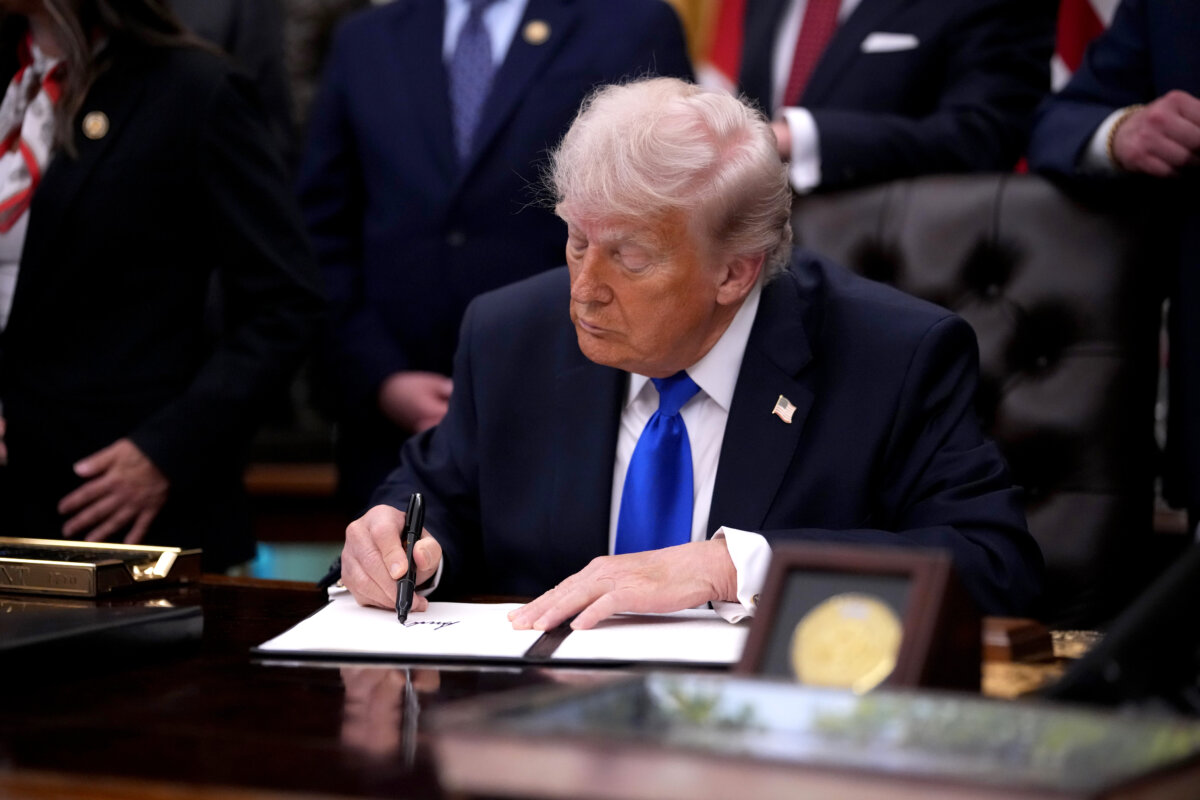

President Donald Trump signed a proclamation on June 1 to amend tariffs on aluminum, steel, and copper imports in an effort to boost investment in the U.S. agriculture and manufacturing sectors.
The proclamation will lower tariffs on agricultural equipment, including combines and harvesters, from 25 percent to 15 percent, and expand the category of industrial equipment that is subject to a 15 percent tariff.
According to a White House fact sheet, mobile industrial equipment such as bulldozers and forklifts—particularly those “imported from trade deal countries that are entitled to such treatment”—will now be subject to a 15 percent tariff.
The proclamation would also allow foreign companies to qualify for a 10 percent duty rate, provided that their capital equipment contains at least 85 percent U.S.-melted steel or aluminum by weight.
The White House said the tariff changes will take effect on June 8 and run through Dec. 31, 2027, with an aim to “spur near-term investments that will rebuild the nation’s industrial base.”
In his proclamation, Trump said the temporary changes to metal tariffs are necessary because of the products’ role in “productive economic activity in the United States” and “recent circumstances affecting the relevant industries and services that use these products,” while ensuring the tariff system continues to address national security concerns.
“Many products in these categories are treated as derivative articles of aluminum or steel because they tend to be predominantly composed of aluminum or steel,” the proclamation reads.
The White House said the move builds on the previous actions taken by Trump under Section 232 of the Trade Expansion Act—which allows the president to impose tariffs on imports considered a threat to national security.
“These actions strengthen these essential U.S. industries and the U.S. industrial base, ensure domestic producers and workers can compete on a level playing field, protect American jobs, and bolster American national security and public health,” it stated.
In April, Trump signed an executive order defining how tariffs on metals are assessed. Administration officials said that stricter guidelines were needed because some wholesalers and exporters were artificially lowering the stated value of goods to reduce tariff liability.
Under the order, imports consisting “entirely or almost entirely” of steel, aluminum, or copper are subject to a 50 percent tariff on their full value, while most derivative products are subject to a 25 percent tariff.
The order also states that certain metal-intensive industrial equipment and electrical grid equipment will be subject to a 15 percent tariff through 2027, a move the White House said was aimed at accelerating “the massive industrial base buildout currently underway across the United States.”
Travis Gillmore contributed to this report.
 Friends Read Free
Copy
Facebook
Tweet
Friends Read Free
Copy
Facebook
Tweet