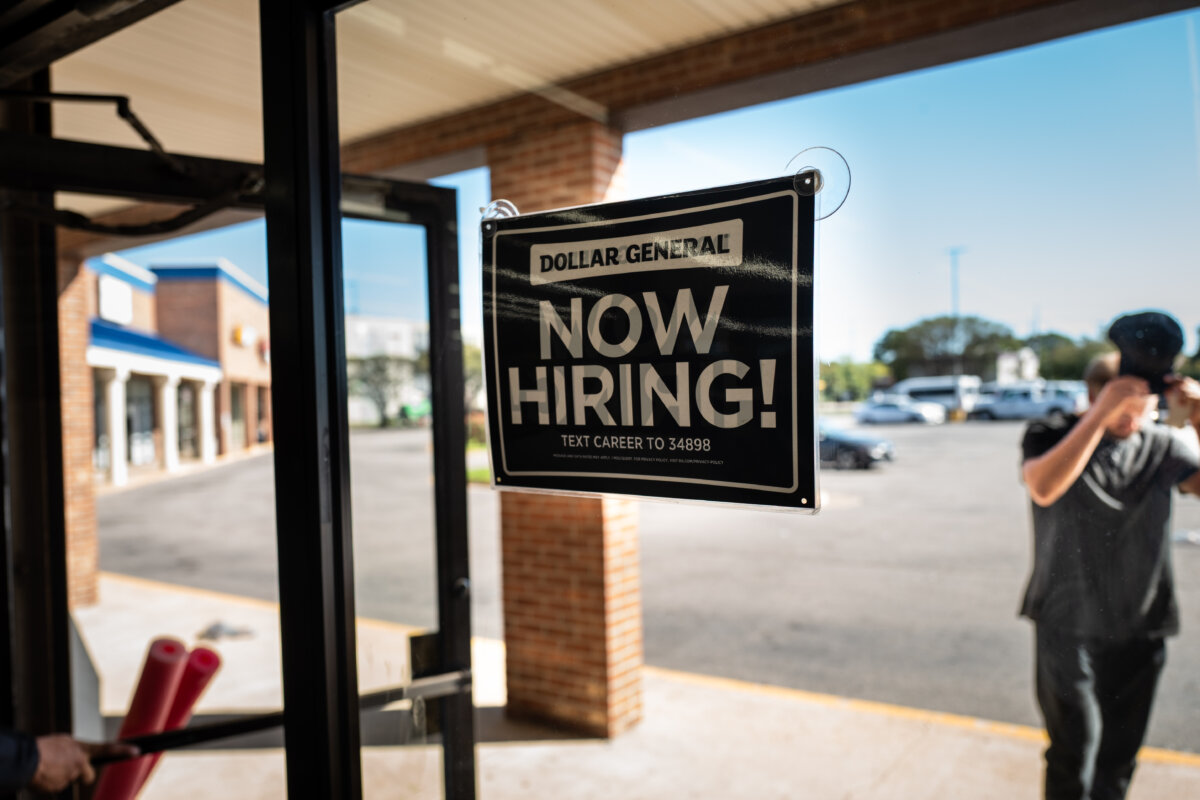

The number of Americans filing first-time applications for unemployment benefits stabilized after two weeks of elevated levels, driven by January’s severe winter storm.
Initial jobless claims declined by 23,000 to 206,000 for the week ending Feb. 14, according to new Department of Labor data released on Feb. 19. The previous week’s reading was revised upward to 229,000. Economists had forecast 225,000 claims.
The storm disrupted businesses and staffing firms, triggering a short‑term jump in unemployment claims. Filings had risen most sharply in the regions hit hardest, especially across the Northeast and Midwest.
Before the arrival of arctic temperatures, heavy snowfall, and ice, jobless claims had been consistently holding near a historically low 200,000.
The four-week average, which eliminates week-to-week volatility, was little changed at 219,000.
“Although nothing in the data argues for lower rates, it does support the idea that the Job market is holding up,” Chris Zaccarelli, CIO for Northlight Asset Management, said in a note emailed to The Epoch Times.
Continuing jobless claims—a measure of the number of individuals receiving unemployment benefits—rose for the third straight week, topping 1.86 million for the first time since early January.
Economic observers closely monitor recurring claims figures because they can reflect current employment conditions and challenges jobless workers may have in finding jobs. It can also serve as a proxy for the exhaustion of jobless benefits, since many states cap eligibility at 26 weeks.
Labor Market Stability
A plethora of indicators suggests the U.S. labor market has been stable to start 2026.
“We appear to be in a low hire, low fire environment, which is unusual, but it also shows that the economy isn’t falling off a cliff,” Zaccarelli noted.
In January, the U.S. economy added 130,000 jobs, up from the previous month’s downwardly revised 48,000. This came in firmly above the consensus forecast of 70,000.
The unemployment rate dipped to 4.3 percent, below expectations.
In the four weeks ending Jan. 31, U.S. private employers added an average of 10,250 jobs per week—the best since late November 2025—according to payroll processor ADP data released on Feb. 17. This represented the third consecutive week of strengthening employment gains.
These figures could suggest there is renewed hiring momentum filtering through the US economy.
Federal Reserve officials have noticed, which could encourage monetary policymakers to keep interest rates on pause for a few more meetings.
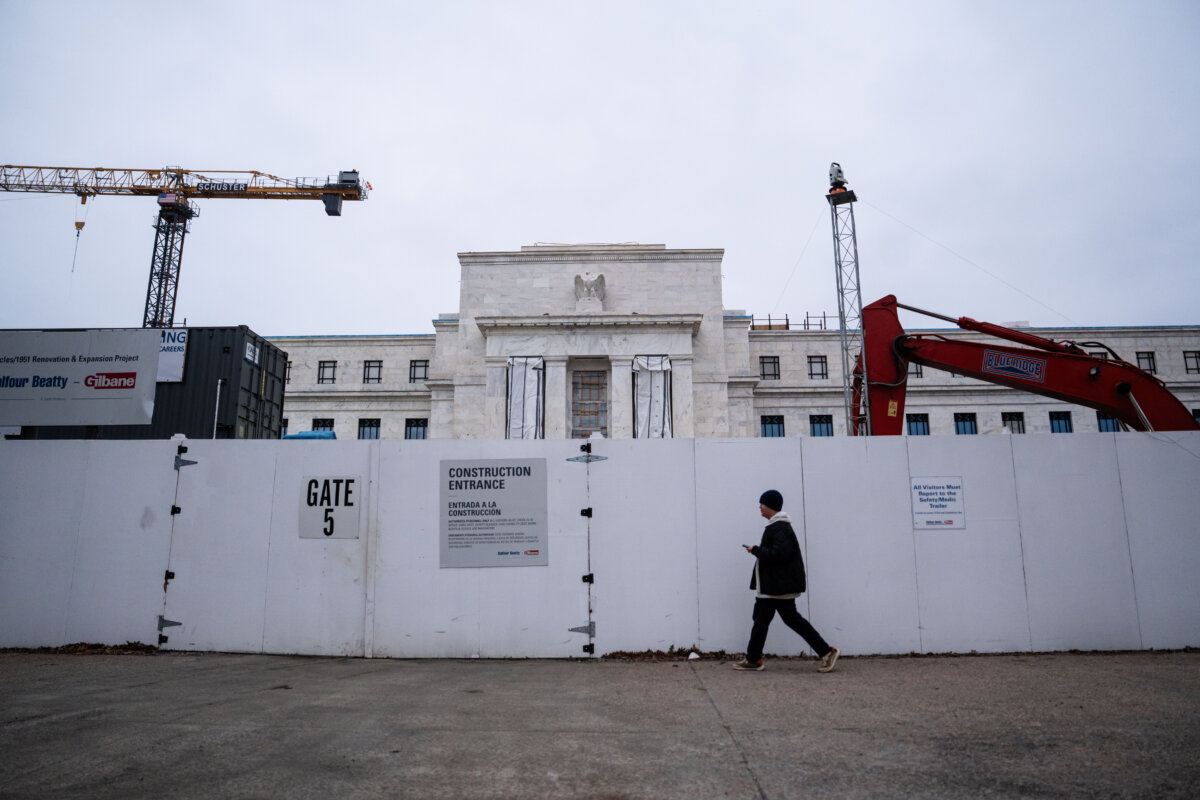
“The vast majority of participants judged that labor market conditions had been showing some signs of stabilization and that downside risks to the labor market had diminished,” according to minutes from the January Federal Open Market Committee meeting.
Several participants pointed out that despite signs the labor market was stabilizing, some metrics, including surveys on job availability and the share of workers employed part-time for economic reasons, continued to indicate softening.
Still, most emphasized that risks to the labor market remained tilted to the downside.
Job vacancies fell sharply in December 2025 to 6.542 million, the lowest level in more than five years, according to the Bureau of Labor Statistics. Job postings on Indeed, meanwhile, have been tumbling over the past three weeks, declining to a one-month low.
Additionally, employment levels for those working part-time for economic reasons have steadily risen since early 2022 but plunged in January.
Fed Governor Michael S. Barr said at the New York Association for Business Economics on Feb. 17 that inflation remains elevated and the job market is stable. As a result, interest rates should hold steady until the data are clear that the 2 percent target has been restored, Barr noted.
“With very low levels of job creation and also a low firing rate, there seems to be a tentative balance in labor supply and demand,” he said in a speech.
“But it is a delicate balance, and that means that the labor market could be especially vulnerable to negative shocks.”
The rate-setting committee will hold its next two-day policy meeting on March 17 and 18. Investors overwhelmingly expect the Fed to leave rates unchanged.
 Friends Read Free
Copy
Facebook
Tweet
Friends Read Free
Copy
Facebook
Tweet