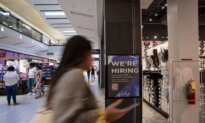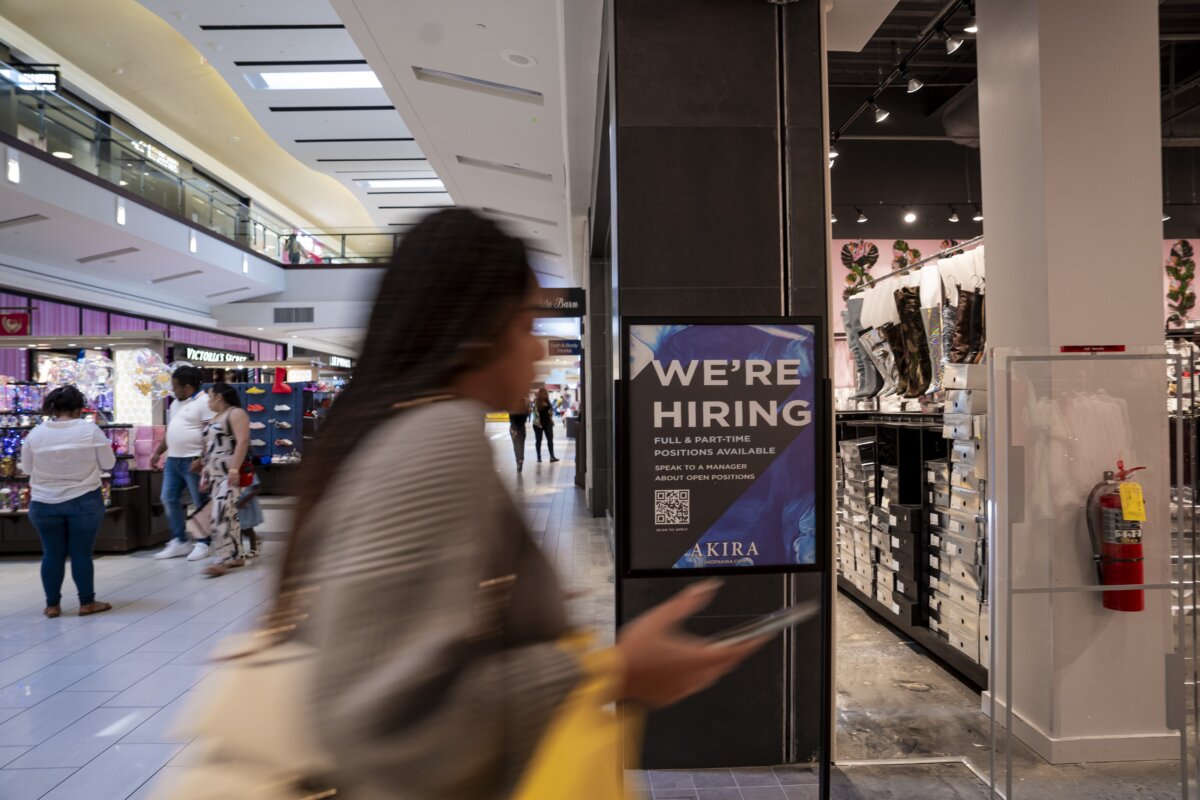

New data show that claims for unemployment benefits and planned layoffs crept up ahead of the highly anticipated August jobs report.
The number of Americans filing applications for jobless benefits ticked up by 2,000 to 206,000 for the week ending Aug. 29, according to the Department of Labor.
This was close to the consensus estimate of 205,000.
Stripping out week-to-week volatility, the four-week average edged up to above 207,000.
Unemployment claims have remained in a tight, historically low range of 189,000 to 230,000 throughout the year.
Economists and policymakers use it as a real-time indicator of the labor market’s health, and the numbers reaffirm consistently low-fire conditions.
Recurring claims—a gauge for the number of Americans currently receiving unemployment benefits—were little changed at 1.77 million and have hovered around 1.8 million since mid-April.
Economic observers utilize continuing jobless claims as a proxy for challenges in the job-seeking hunt.
It can also reflect workers exhausting their unemployment benefits since many states cap eligibility at 26 weeks.
‘Quietest August Since 2022’
While planned job cut announcements surged last month, it was still the “quietest August since 2022,” says Andy Challenger, chief revenue officer for Challenger, Gray & Christmas.
U.S.-based employers announced 52,881 layoffs in August, up 58 percent from the previous month, the global outplacement firm said on Sept. 3.
But they are also down 38 percent from the same time a year ago and represent the lowest August tally since 2022.
The consumer products and food industries accounted for a sizable share of August’s layoffs, with Procter & Gamble, Tyson, and Estée Lauder making personnel changes.
Job cuts from these two sectors totaled more than 18,000.
Technology, finance, telecommunications, and government also announced layoffs.
“This is the quietest August since 2022, but is generally on average for the month since the mid-2010s,” Challenger said in a statement.
“What we’d like to see with low layoffs is an increase in hiring activity. While companies are making plans to hire more workers than last year, according to our numbers, it doesn’t appear those positions are being filled quickly.”
Employers said in August that they plan to hire 12,325 workers. While this is down 23 percent from July, it is up 725 percent from last year. It is also the highest August total in four years.
Aerospace and defense led all industries, with more than 4,000 announced hires. Companies in the technology and industrial goods sectors also said they plan to expand headcount.
“Employers are making plans to add workers, with 46 percent of those plans coming from manufacturing industries. The questions are how long will it take employers to actually fill these roles and will they find workers with the requisite skills,” Challenger added.
Struggling to find qualified talent has been a common theme in today’s labor market.
Various surveys show that U.S. firms want to hire, but they cannot fill open positions.
July’s job vacancies reached almost 7.3 million, the Bureau of Labor Statistics reported on Sept. 1.
Additionally, the National Federation of Independent Business said last month that hiring plans among small businesses are at a four-year high.
Eyes on the Jobs Report
The Bureau of Labor Statistics will release its August jobs report on Sept. 4. Economists widely expect a rebound in nonfarm payrolls after July’s surprise loss of 23,000 jobs.
The consensus forecast suggests the U.S. economy created 58,000 jobs, and the unemployment rate was unchanged at 4.1 percent.
Job growth is forecast to be concentrated in healthcare, social assistance, and public administration, according to Revelio Labs.
Wall Street will be closely watching the data as the figures could have implications for the Federal Reserve and its September policy meeting.
A weak number may force monetary policymakers to refrain from supporting an interest rate hike this month.
A strong number could allow the Fed to raise rates without hurting economic growth prospects.
A modest reading could buy the central bank some time before following through on a certain path.
“We do not think that the August BLS survey will result in either a large enough increase to lock in a September rate hike by the Federal Reserve nor a small-to-negative reading that will be sufficient to take a possible hike off the table,” Joseph Brusuelas, chief economist at RSM, said in a Sept. 3 research note.
Traders are split on whether the Fed will hike or remain on hold, according to futures market data from the CME FedWatch Tool.
Fed Governor Christopher Waller, in an interview with Reuters, said he would support keeping the benchmark federal funds rate steady within the current target range of 3.5 percent to 3.75 percent.
Despite inflation firmly above the central bank’s 2 percent target, Waller pointed to “some signs of disinflation.”
“I’m going to paraphrase John Lennon here: Give disinflation a chance,” Waller said.
“If this continues in the data … over the next two weeks, I would be inclined to support holding the target for the federal funds rate at its current setting.”
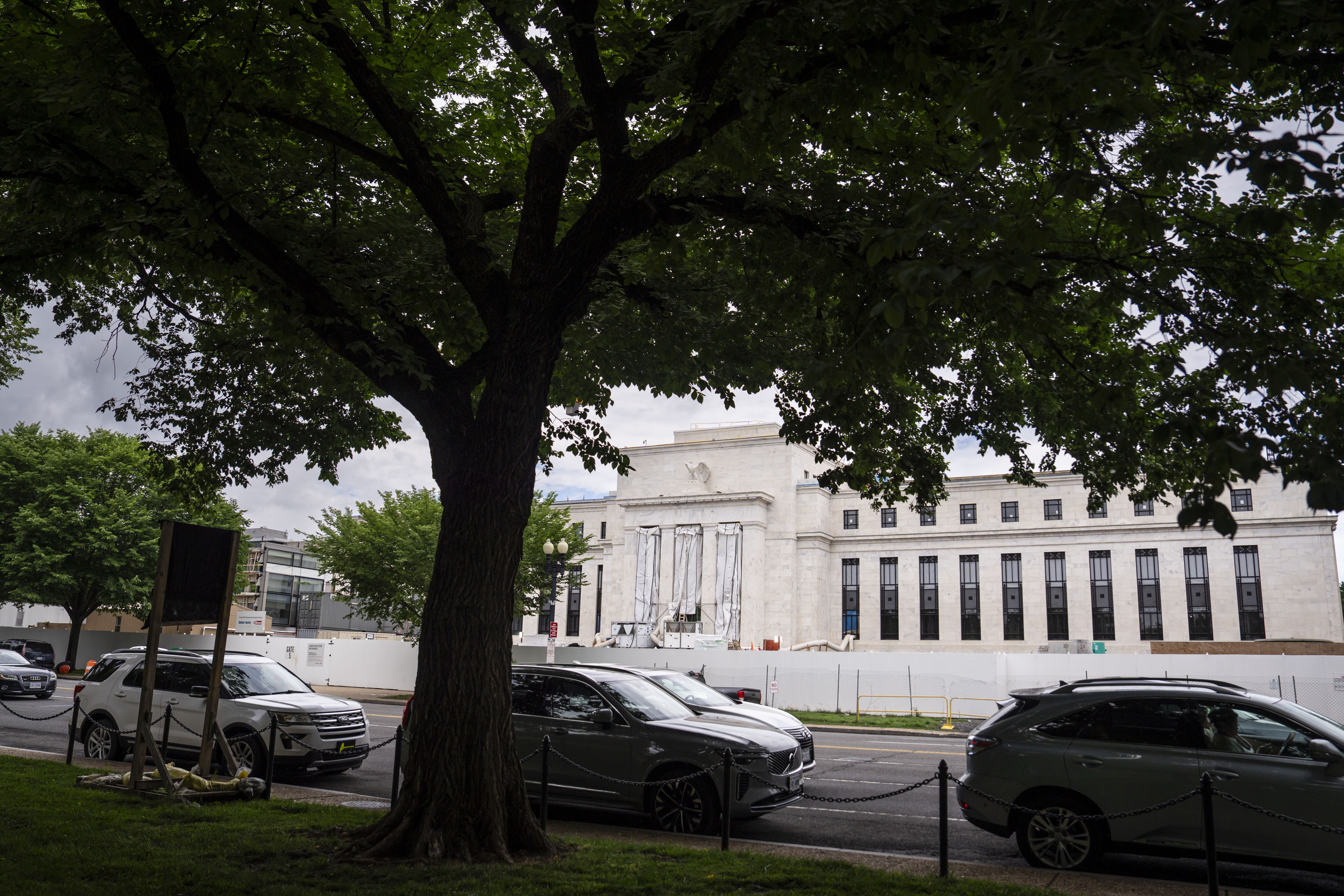 The Federal Reserve in Washington on May 27, 2026. (Madalina Kilroy/The Epoch Times)
Last month’s headline inflation is not expected to show much improvement, with the Cleveland Fed forecasting the annual rate at 3.4 percent and the monthly pace rising 0.4 percent.
Excluding food and energy, core inflation is projected to continue being tame. The 12-month core inflation rate is anticipated to hold steady at 2.4 percent and jump 0.2 percent from July to August.
Reuters contributed to this report.
 Friends Read Free
Copy
Facebook
Tweet
Friends Read Free
Copy
Facebook
Tweet