



You’ve been doing the same thing every time a migraine hits: Take a pain reliever. Retreat to a dark room. Wait it out. Get on with your life.
Rather than offering temporary pain relief, the new guidelines recommend that patients take preventive measures, whether by using medications or combining them with lifestyle changes, especially if they’re getting migraines more than four times per month.
“Anyone who has headache or migraine that frequently should speak to their clinician about whether preventive treatment might be right for them,” Dr. Rebecca Burch, a guideline author at the University of Vermont Larner College of Medicine, told The Epoch Times at a news briefing announcing the update.
At the center of the new recommendations is a new class of migraine-specific drugs. Since the last guidelines were published in 2012, calcitonin gene-related peptide-targeted (CGRP-targeted) therapies have received market approval, giving people who experience migraines more ways to prevent attacks while choosing a treatment that fits their priorities, whether that’s minimizing side effects, keeping costs down, or avoiding a daily pill.
This is the first update to the recommendations in 14 years. The new migraine guidelines were issued on Aug. 31 by the American Academy of Neurology and the American Headache Society in the journal Neurology.
When to Consider Prevention
Unlike the previous 2012 guidelines, the new guidelines set a clear threshold for when patients should consider preventing migraines.
Migraines affect at least 40 million Americans and are more than just a bad headache. They’re a disabling neurological disease that can bring hours or even days of headache, dizziness, nausea, and sensitivity to light and sound.
“Migraine is the most common reason for people to see a neurologist, and is encountered even more commonly in primary care settings,” Dr. Matthew S. Robbins, president of the American Headache Society and a neurologist at Weill Cornell Medicine, said in a statement.
Under the new guidelines, preventive treatment should be offered to adults with four or more migraine days or moderate-to-severe headache days per month, or migraines that significantly interfere with work or daily life, even if the number of headache days is borderline.
How these preventive interventions work is that before patients even get a migraine attack, they can take medications or make changes to their lifestyle to reduce the number of attacks as well as the severity of these attacks. If patients only focus on treating migraines with pain relievers, there is the risk of developing medication-overuse headaches, with headaches becoming more frequent or persistent.
Preventing migraines can also help lower the risk of episodic migraine progressing to the chronic form, which is defined as 15 or more headache days per month.
“One of the goals with this guideline was to be clear about who is eligible for prevention, and it really is more people than are receiving preventive treatment right now,” Burch said.
New Class of Drugs Changed the Options
The biggest change since 2012 is the arrival of drugs that inhibit CGRP.
Unlike many older preventive medications—including some antidepressants and blood-pressure drugs—CGRP-targeted treatments were developed specifically to prevent migraine. These drugs block CGRP or its receptor, disrupting a pathway involved in triggering pain and other symptoms in migraines.
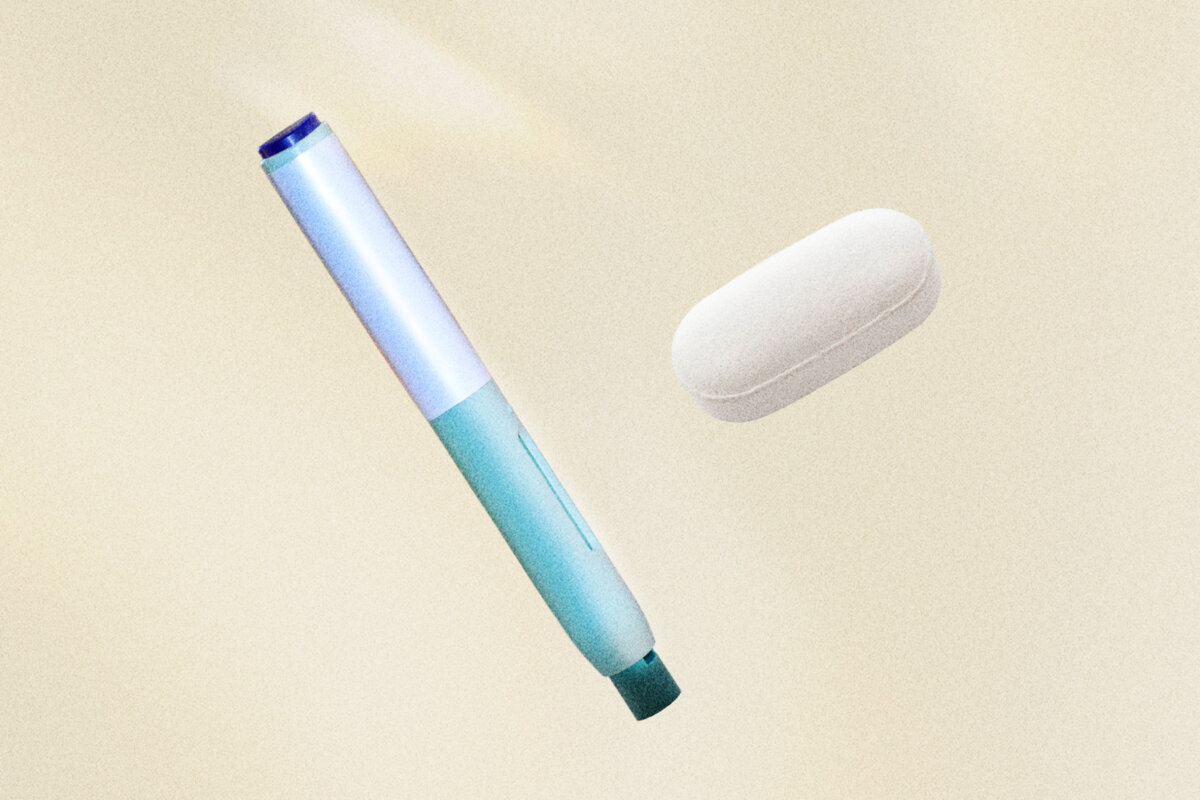
CGRP medications come in several forms. Some are injections given monthly or every three months, including erenumab, galcanezumab, and fremanezumab. Pill forms of CGRP medications, called gepants such as atogepant and rimegepant, should be taken daily or every other day.
None of these drugs were available when the previous 2012 guidelines were written.
Newer CGRP-targeted drugs have generally been well-tolerated in clinical trials, but they have not been studied for as long as older medications and can be more expensive. For the injection-type CGRP medications, the most common side effects are reactions at the injection site—pain, redness, or itching—and, for some patients, constipation, particularly with erenumab. The pill forms of CGRPs can also have side effects such as nausea and digestion problems, as well as sleepiness.
The mechanism for how older medications prevent migraines is less clear. They were developed for other conditions and also happened to be effective in treating migraines in some people. They have a longer safety record, but they can have side effects that make them a poor fit for some people.
Propranolol, a beta-blocker, is a daily pill that may be a good fit for someone who also needs to lower blood pressure or heart rate, but it can cause fatigue.
Topiramate, an anti-seizure drug, may appeal to people concerned about weight, but can cause drowsiness and tingling and, at higher doses, reduce the effectiveness of birth control pills.
Valproate is also an anti-seizure medication that carries significant neurodevelopmental risks during pregnancy and has also been linked to polycystic ovary syndrome.
Amitriptyline, an antidepressant, can be useful for people who also have fibromyalgia or trouble sleeping, but often causes weight gain and sedation.
The patient summary accompanying the guidelines separates medications used for episodic and chronic migraine and shows how strong the evidence is for each.
Lifestyle interventions can be included as an adjunct for prevention. Exercise has been shown to reduce migraine days, while therapies such as relaxation training, cognitive behavioral therapy, and biofeedback can reduce frequency.New Guidance for Pregnancy
Pregnancy can change migraines. For many people, attacks ease—often after the first trimester—but migraine doesn’t always let up, and treating it during pregnancy can be complicated by the potential risks of medication to a developing baby, including major birth defects, premature closure of a heart vessel, or low birth weight, depending on the specific drug used.
If you’re pregnant and trying to manage migraine, the guidelines recommend starting with non-drug approaches, such as regular exercise, behavioral strategies, and managing triggers.
When medication is necessary, the guidelines identifiy a limited number of options that may be considered. Nifedipine, a blood-pressure medication, is one option for which a pregnancy-review organization cited in the guidelines found no specific associated risks. For people with chronic migraine, onabotulinumtoxina, or Botox, may also be considered in select cases, although studies on its use during pregnancy are limited.
Some migraine preventives can carry neurodevelopmental risks—including valproate and topiramate—and should be avoided.
Preventive medications can pass into breast milk at varying levels, so the guidelines recommend discussing the risks and benefits of treatment when breastfeeding.
What to Ask Your Doctor
If you think that you might benefit from preventive treatment, go prepared. Track your headache days—a diary or app can help—and bring a list of the medications you’ve tried, what you take now, and how often you take it.
Most preventive medications need to be taken for at least eight to 12 weeks at a tolerated dose before you can get a good sense of whether they’re helping. Botox may take longer to assess, with the guidelines recommending evaluation after 24 weeks, or about six months.
The point of the new guidelines is not that one class of medications has replaced another. It is that the guidelines now include recommendations organized around “different areas that patients may prioritize or care about more,” Burch said.