


Research & Discoveries

80 Percent of 20-Year-Olds Already Have Early Warning Signs for Heart Disease
Focusing on key lifestyle habits in your 20s—such as diet, exercise, and sleep—set the foundation for a healthier future.
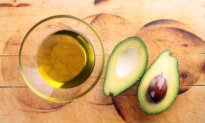
The Label ‘Made With Avocado Oil’ May Not Tell the Whole Story
Researchers say some packaged foods may contain cheaper oils, raising questions about how consumers can verify what they’re paying for.

Sleep-Deprived? a Nap or 20-minute Workout May Help Protect Memory
Nothing replaces a good night's sleep, but for those times when a sleepless night is unavoidable, certain techniques can get us through.
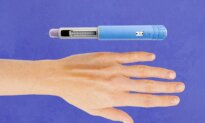
Nail Detachment, Hair Loss More Common Among GLP-1 Users: Study
GLP-1 users reported nail detachment at four times the rate of non-users.

How Do Common Sweeteners Affect the Gut Microbiome? Here’s What Researchers Found
A laboratory study examined how common sweeteners directly affect 25 strains of gut bacteria.

The Relaxing Effect of Cannabis May Be Placebo, Study Finds
Researchers expected cannabis to take the edge off. Instead, they found that regular users felt less stressed whether they got THC or a placebo.
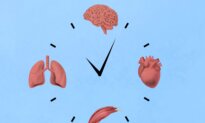
The Age of Your Organ Predicts Risk of Diseases Decades Before Symptoms Appear
A Stanford-developed blood test measures the biological age of 11 organs.

Screen Time May Not Be the Real Problem Behind Mental Health Symptoms, Australian Study Finds
Harmful online experiences and platform features may matter more for young people's mental health than how long they spend online.

Cutting Back on Ultra-Processed Foods Eased Depression in a Small Trial
A preliminary study of 19 adults found depression symptoms improved after a month on a diet low in ultra-processed foods.
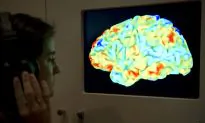
Researchers Develop AI ‘Mind-Reading’ Tool That Reconstructs What Your Eyes See
The technology uses artificial intelligence to analyze brain scans and recreate what a person is seeing with startling accuracy.
The ‘Always Finish Your Antibiotics’ Rule May Be Outdated
Research has found that shorter antibiotic courses work well for many infections and could reduce side effects and drug resistance.

Yogurt and Cheese Linked to Lower Risk of Knee Osteoarthritis
Researchers suspect fermentation may matter, possibly through probiotics and other compounds that have an effect on inflammation.

More Parents Are Distracted by Phones. Here’s How Kids Are Affected.
Do you think you are attentive? Your teen might disagree.

Is Parkinson’s Disease a Man-Made Epidemic?
Chemicals in the food we eat, the water we drink, and the air we breathe have contributed to a disease that is largely man-made.

Could Autism Be An Energy Problem?
For decades, autism has been understood as a condition of brain wiring. However, a growing body of research points to a more fundamental problem: The brain may simply not be ...
Memory Decline May Start Earlier Than We Think, Study Suggests
Memory research has long focused on the young and the old, leaving middle age something of a blind spot.

Drinking Very Hot Tea or Coffee Triples Esophageal Cancer Risk
Waiting for hot drinks to cool may offer a simple way to reduce esophageal cancer risk.
Americans Are Taking Supplements for Gut Health but Missing Something More Crucial
Among adults, probiotic use has quadrupled in recent years.
Higher Blood Pressure Linked to Lower Dementia Risk in Frail People: Study
A study's findings suggest that blood pressure may need to be evaluated differently from person to person.

The Surprising Science of the All-Meat Diet
Despite its extreme-sounding nature, the carnivore diet has documented therapeutic effects and may help people with specific conditions.

Antipsychotics in Teens Linked to Rising Diabetes Risk
A Dutch study of 90,000 youths finds antipsychotic use—even short-term—raises Type 2 diabetes risk, especially in teen girls.

Common Supplement May Help Pancreatic Cancer Patients Live Longer
L-glutamine may be interacting with the gut microbiome to improve survival.

Melatonin May Ease Chronic Pain, Comparable to Some Medications
Chronic and acute pain are different experiences.
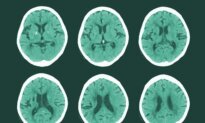
Warning Sign for Common Stroke May Not Be Blockages, Study Finds
A study adds to evidence that a paradigm shift may be needed in how some strokes are treated.

Can You Stop Taking Statins After Age 75? Study Offers Some Reassurance.
The findings suggest the decision to continue treatment may depend more on overall health, cardiovascular risk, and life expectancy than on age alone.
How to Reverse Heart Disease in 1 Year–for Free
One of the most crucial things you can do for your heart is surprisingly stationary.
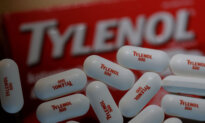
Tylenol Use in Pregnancy May Reduce Daughters’ Fertility, Study Finds
Researchers found that girls whose mothers took the pain-relief drug had smaller wombs and fewer ovarian follicles, but said the drug may not be to blame.